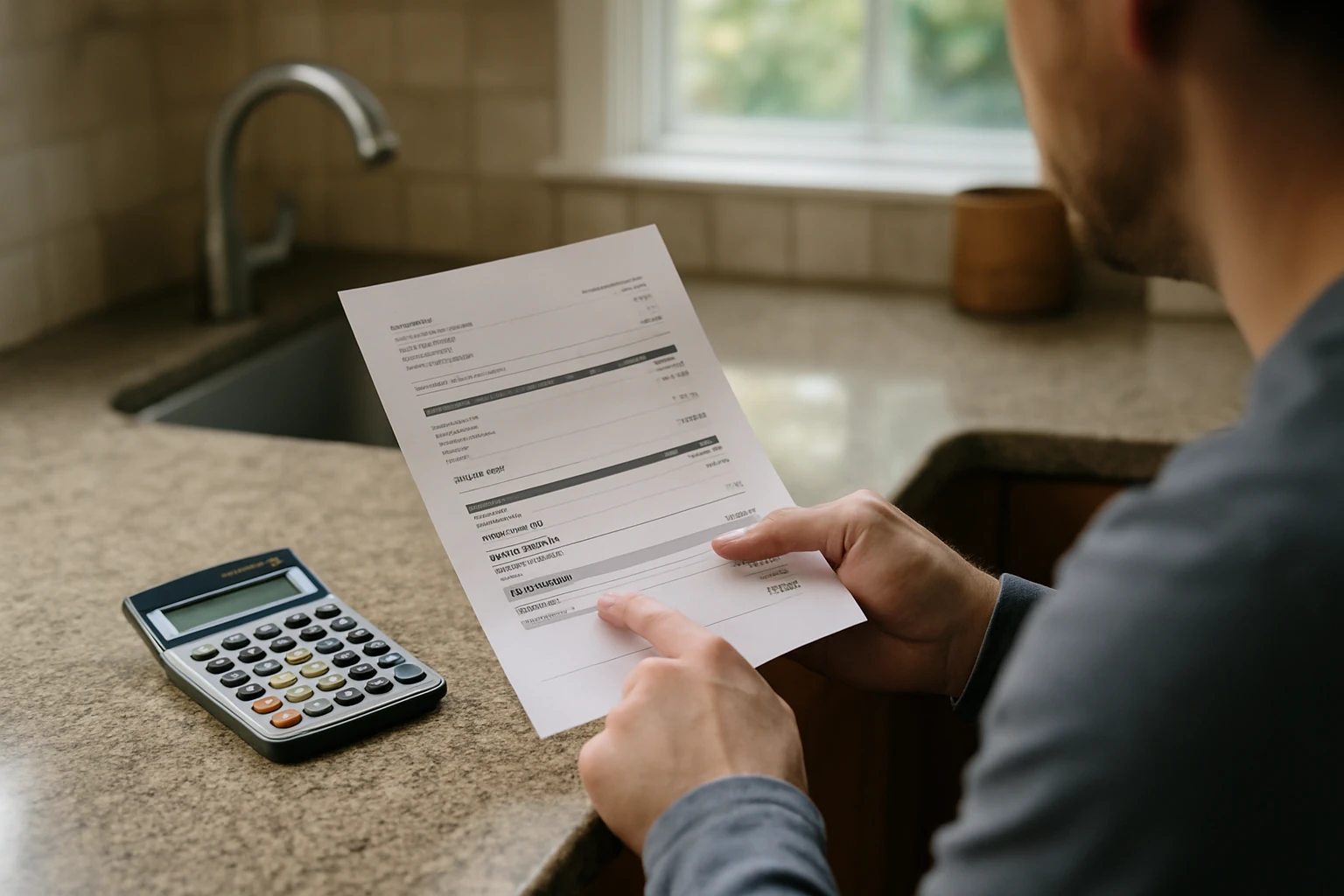
The problem: summer arrives and your bill suddenly feels out of control
Summer water bills have a pattern: they look normal, then the heat arrives, and the next statement is noticeably higher.
The tricky part is that "summer" is not one cause. It is a mix of outdoor use, faster evaporation, and sometimes rate structures that get more expensive as usage rises.
This guide helps you identify what changed in your case so you can stop guessing and start checking the right things.
For the big-picture water billing model, start with: Water Service Explained.
Table of contents
The quick answer
Water bills are often higher in summer because households use more water outdoors (lawns, gardens, pools), and some utilities charge higher rates at higher usage levels (tiered pricing).
The fastest way to tell what is happening is to compare:
- Usage units (gallons/CCF) month to month
- Billing days (a longer cycle can add a week of use)
- Whether your rate per unit changed as you used more
The first three things to check
Before you hunt for problems, do these three quick checks. They explain a huge share of "summer bill shock."
1) Compare usage (not dollars)
Your total can change because rates change, fees change, or days change. But usage tells you what your household actually did.
If your bill uses CCF and you want to picture the volume, this helps: CCF explained.
2) Check billing period length
A 35-day billing cycle can look like "summer use" even if daily use is steady.
3) Separate fixed fees from usage charges
If the bill rose but usage did not, scan for fees. This guide explains the most common one: water service charge explained.
7 common reasons summer bills rise
Here are the most common summer drivers. You may have one, or a few at once.
1) Lawn and landscape watering
Outdoor watering can easily become the largest water use in a home. Small timing changes (more days per week, longer run time) add up quickly.
2) Sprinkler or irrigation leaks
Broken heads, cracked lines, and stuck valves can waste water quietly--especially early morning when you are not outside.
3) Pools, hot tubs, and water features
Filling and topping off is real usage. Evaporation is higher when it is hot and windy.
4) Guests, kids at home, and more showers
Summer routine changes can shift indoor water use too.
5) Car washing and outdoor cleaning
It does not feel like much, but repeated hose use can move the needle.
6) Tiered pricing (you moved into a higher tier)
Many utilities charge more per unit once usage passes certain thresholds. That means the last chunk of summer water can be the most expensive.
7) A hidden leak you only notice in summer
Some leaks show up as a steady background flow that becomes noticeable when outdoor use rises too.
How tiered pricing can make the increase feel bigger
Tiered pricing is one of the main reasons two households can use the same extra amount of water and see different dollar increases.
The simple idea:
- The first block of usage is cheaper
- Higher blocks cost more per gallon/CCF
So if you jump from "normal indoor use" into "indoor + irrigation," you may not just be buying more water--you may be buying it at a higher marginal price.
How to rule out a hidden leak quickly
If your usage is up and you cannot explain it, do a fast leak check. The goal is not perfect diagnosis. The goal is to learn whether water is moving when everything is "off."
Start with your water meter leak indicator: leak indicator explained.
Also check toilets. They are common and easy to miss: simple toilet leak test.
If you want a broader troubleshooting guide (including billing cycle and rate questions), use: why your water bill suddenly increased.
How to reduce summer water use (without weird tricks)
Small changes can help, but the biggest wins are usually outdoors.
- Water smarter, not longer: fewer days, adjust for rainfall, avoid watering during the hottest part of the day.
- Walk the yard: look for soggy spots, broken heads, and overspray.
- Use your meter as feedback: after a change, check whether daily usage dropped.
If you want a baseline for "what is normal," this is a helpful reference: average water usage per person.
Common misconceptions
- "Summer bills are always higher, so nothing is wrong." Often true, but big, sudden jumps can still signal a leak.
- "My rate did not change, so the bill should not change." Even with the same rate, more usage and more billing days increase the total.
- "The service charge is why my bill is high." The fixed fee matters, but seasonal spikes are usually usage.
Frequently asked questions
Summer often increases outdoor water use, and hotter, drier weather raises irrigation needs and evaporation. If your utility uses tiered pricing, the extra summer usage can also be billed at a higher per-unit rate.