The most common reasons for a sudden spike
Sudden increases are usually tied to leaks, seasonal outdoor use, or a change in household habits. Toilets are a frequent cause because a silent leak can run all day without being obvious. A running toilet can waste hundreds of gallons per day.
Other common reasons include a broken sprinkler line, guests staying in the home, or a bill that covers more days than normal.
If your usage seems to jump without any change in habits, start with a leak check before assuming a billing error.
Check for leaks inside and outside
Start with toilets. Add a few drops of food coloring to the tank and wait 15 minutes without flushing. If color appears in the bowl, the flapper is leaking. Next, check faucets, showerheads, and appliance hoses for drips or dampness.
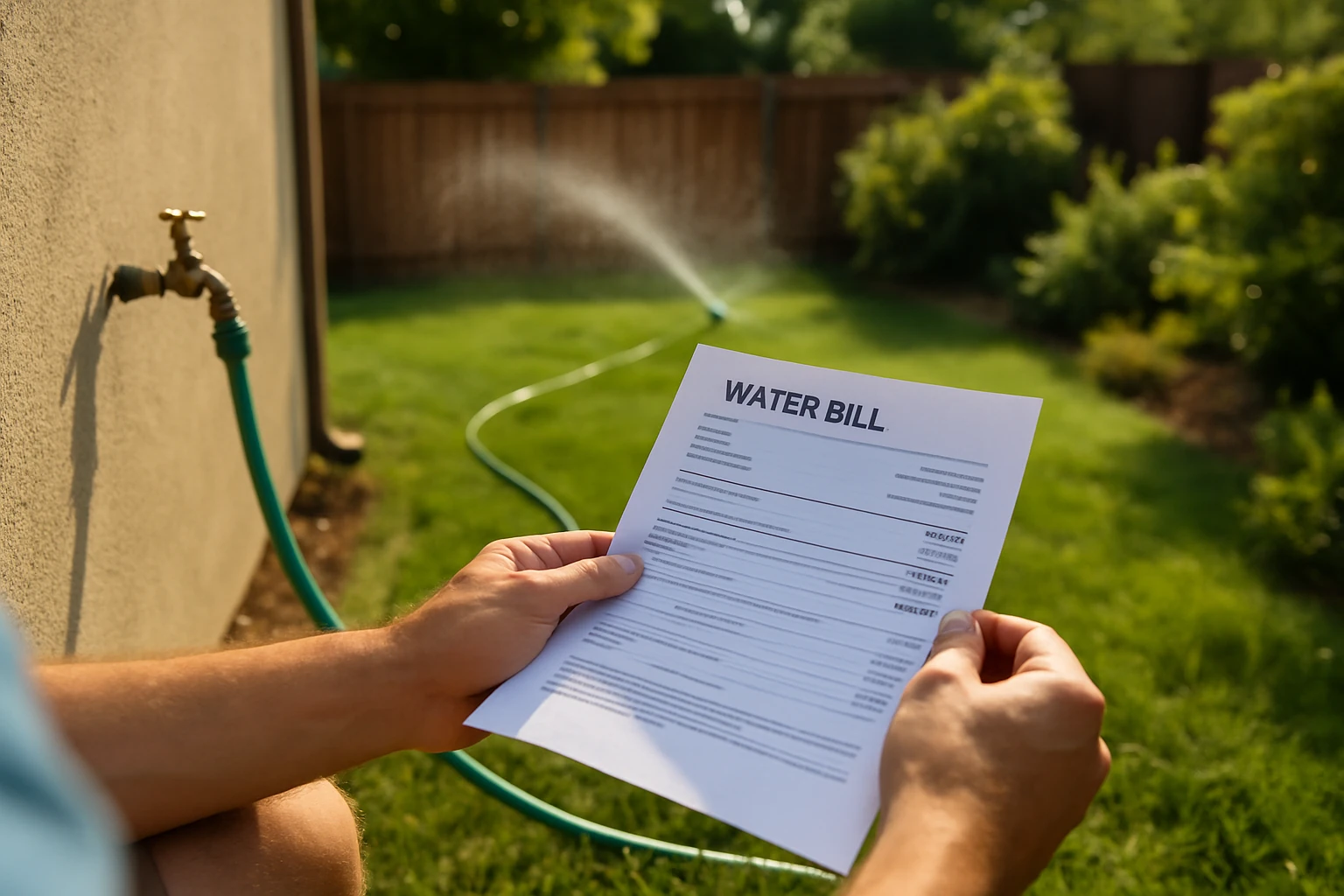
Outdoors, inspect irrigation systems, hose bibs, and any visible pipes. A small crack in a sprinkler line can waste thousands of gallons over a month.
If you have a sprinkler timer, confirm it has not been reset or extended. Accidental programming changes are a frequent cause of summer spikes.
Look for normal usage changes
A temporary shift in household routines can raise usage. Extra laundry loads, long showers during cold months, or washing a car weekly can all add gallons. If a new appliance was installed, confirm it is working correctly and not cycling too often.
Also consider landscaping changes. New sod or gardens often require more frequent watering during the first season.
If you recently started working from home, indoor water use may be higher simply because more people are home during the day.
Seasonal cleaning, like power washing a patio or filling a small pool, can also add a one-time spike that shows up on the next bill.
Tiered pricing can magnify a modest increase
Some utilities use tiered pricing. Once you cross a threshold, the price per unit rises. A modest increase in gallons can trigger a larger jump in cost. This makes the bill feel sudden even if usage rose only slightly.
Look for a tier table on your bill. It will show different prices for different usage tiers. Knowing where you are in the tiers helps you judge whether a small usage change is affecting the price.
If you are close to a tier threshold, small conservation steps can keep you in the lower-cost tier and reduce the total bill.
Weather-driven irrigation changes
Hot, dry weather increases outdoor watering needs. If your area had a heat wave or low rainfall, your sprinkler system may have run longer or more often. Even one extra watering day per week can add thousands of gallons in a month.
If you use a smart irrigation controller, review the settings after heavy rain or a seasonal shift. Many systems adjust automatically, but a manual review can prevent unnecessary watering.
Check the billing details
Bills can be higher if the reading was estimated or if the billing cycle is longer. Compare the number of days in the cycle. If this period is longer than usual, calculate gallons per day to see whether usage actually increased.
Also look for any service fee changes or local rate updates. Utilities sometimes adjust rates at the start of a new fiscal year.
Verify the meter reading
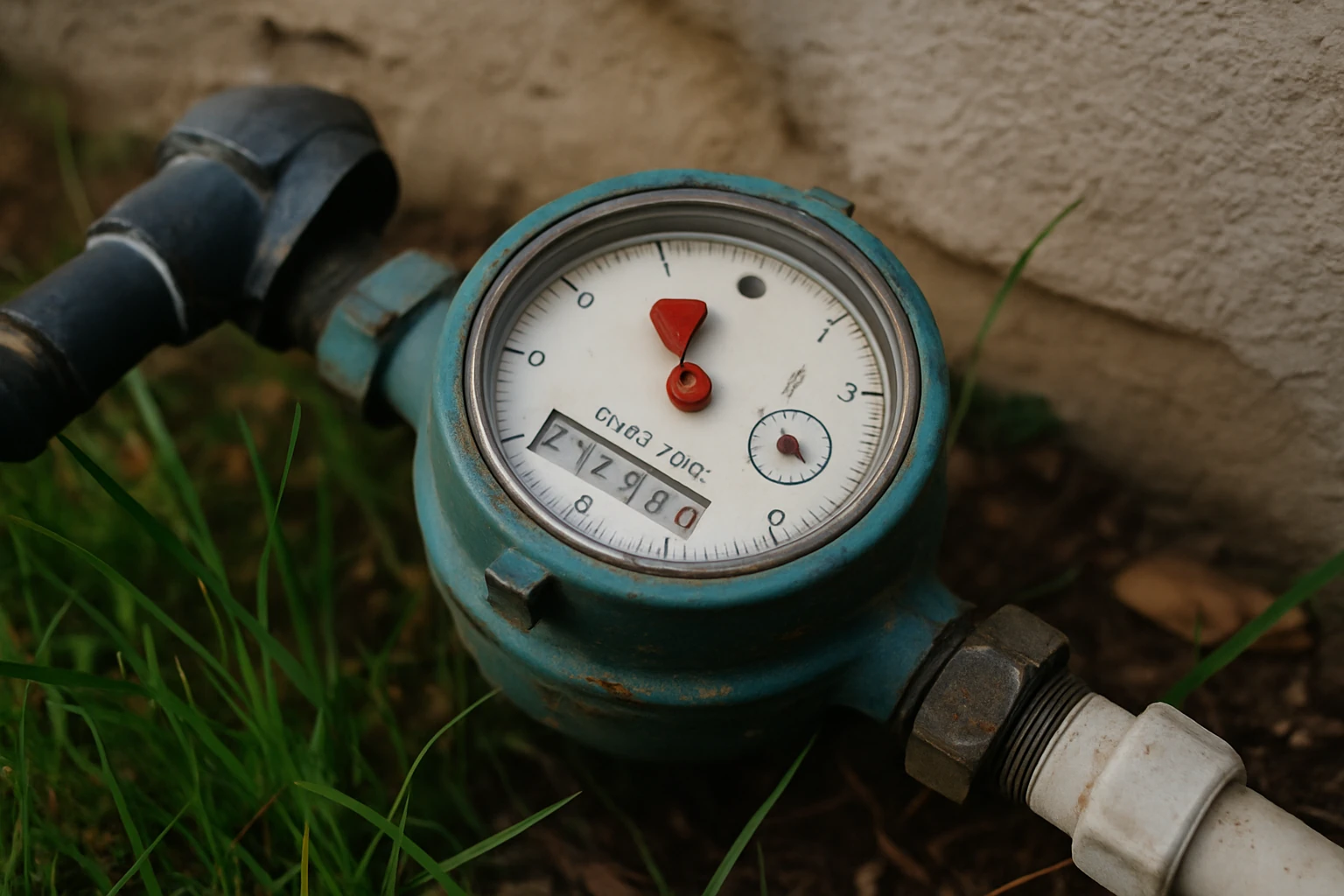
You can compare your meter reading to the bill. If it is close, the bill is likely accurate. If it is much lower, the bill may reflect an estimated read or a data issue. Contact the utility if the numbers do not align.
If you have a digital meter with a leak indicator, watch for movement when no water is being used. That is a strong signal of a leak.
Build a simple usage timeline
A timeline helps connect spikes to real events. Write down days when guests visited, when you watered the lawn, or when a leak was repaired. Then compare those notes to your meter readings or daily usage data.
This is especially useful if you have a smart meter. A one-day spike can often be traced to a specific activity like filling a kiddie pool or running the washer multiple times.
If your utility only provides monthly reads, create a timeline with weekly meter readings. That gives you a clearer picture than waiting for the next bill.
Billing errors and adjustments
Billing errors are less common than leaks, but they can happen. If you believe the bill is incorrect, document your meter reading and contact the utility. Ask whether the bill was estimated and whether a re-read is possible.
Some utilities will adjust a bill if a leak is fixed quickly or if a meter was read incorrectly. Keep receipts and repair notes to support any adjustment request.
When you contact the utility, ask for your usage history over the last 12 months. That history can show whether the spike is unusual or part of a seasonal pattern.
What to do next
- Run a quick leak test with the meter.
- Check toilets with a dye test.
- Inspect outdoor irrigation for wet spots or broken heads.
- Compare gallons per day across billing periods.
- Call the utility if the bill looks inconsistent with the meter.
Many utilities offer one-time leak forgiveness if a repair is made. If you find a leak, save receipts and ask about adjustment policies.
Frequently asked questions
A leaking flapper can waste 200 to 700 gallons per day depending on the leak size.