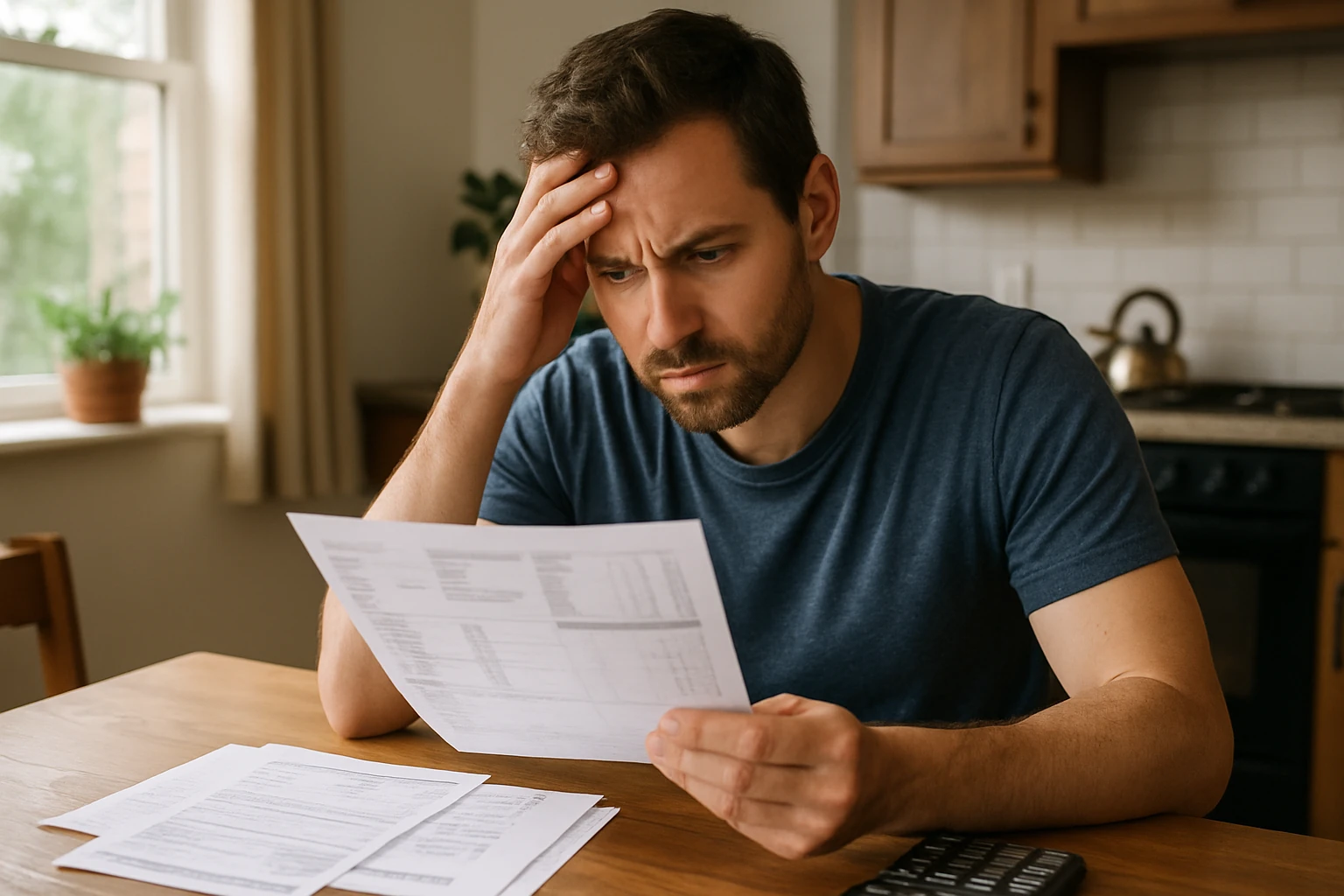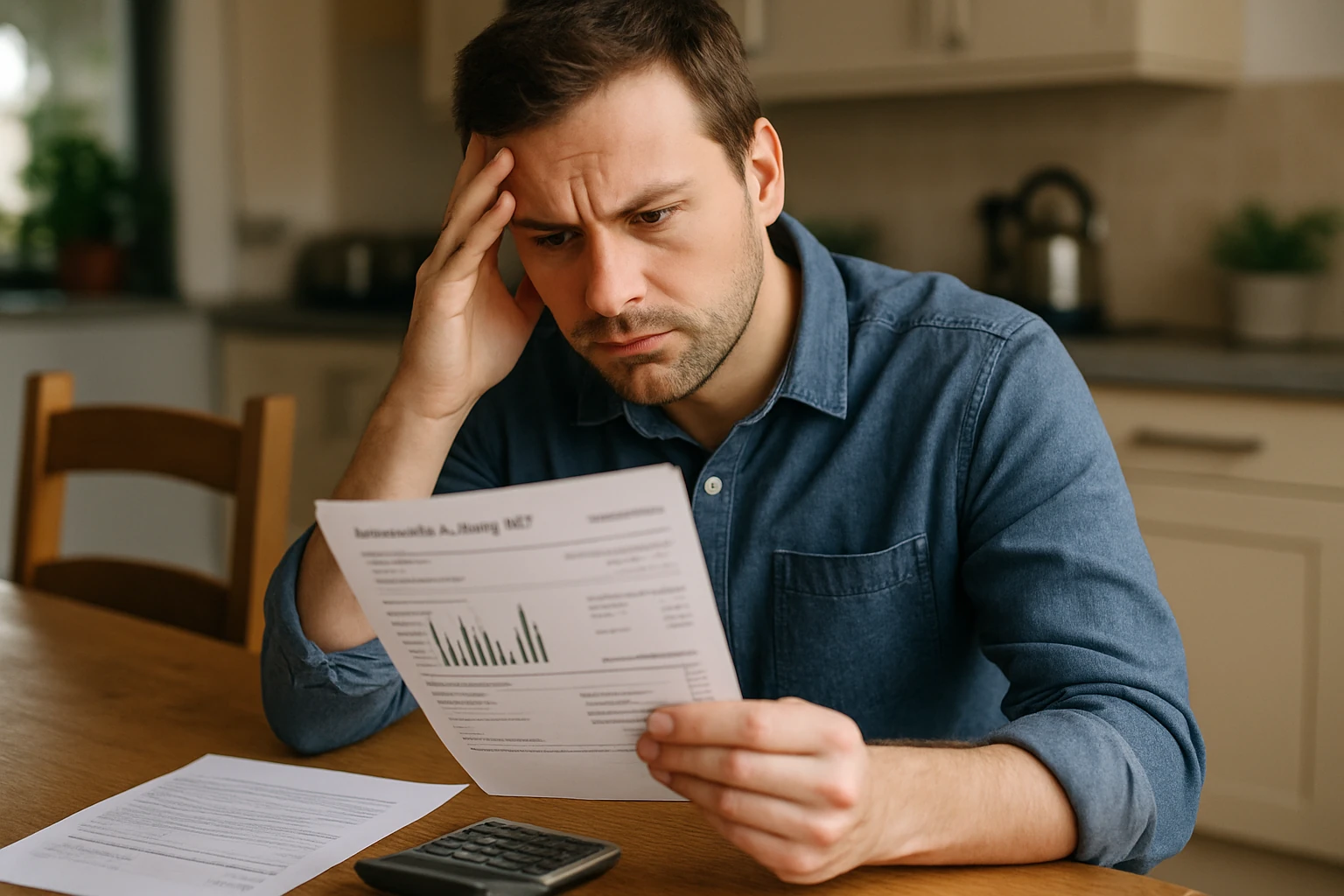
The problem: your bill says 33 days and your brain says 30
If you have ever scanned your bill and thought, "Why does this say 33 days?" you are not alone. The mismatch between a calendar month and a billing cycle makes normal bills look suspicious.
The good news is that this is usually routine, not a mistake. The bill period is tied to meter read timing, route schedules, and account timing, not the calendar. Once you see how the cycle works, the totals feel less mysterious.
If you want the full big-picture framework first, start with Utility Bills & Costs Explained.
Table of contents
The short answer
A billing cycle is the time between two meter reads (or two billing cutoffs). It rarely lines up perfectly with a calendar month, so the total can cover 28, 30, 33, or 35 days.
That is why the most fair comparison is usage per day, not just total usage. This is the same logic used in why a bill can be higher with the same usage.
What a billing cycle actually means
Think of the billing cycle as a measurement window. The utility marks a start read and an end read, then bills the difference.
Billing dates vs meter read dates
Your bill date is when the statement is created. Your meter read date is the actual cutoff for usage. The read date is the one that matters for consumption.
Calendar month vs bill period
A calendar month is fixed. A bill period moves based on operational schedules. That is why a "May bill" might include late April days.
Quick check: if your bill says May 3 to June 4, it is still a normal May bill in utility terms.
Why billing cycles vary in length
Billing routes are not perfectly uniform. A few small timing shifts create bigger swings in day counts.
Common reasons
- Route schedules: meter readers rotate and weekends move the calendar.
- Holidays: a skipped day often pushes the cycle longer.
- Account timing: move-ins, move-outs, or plan changes can shift the window.
If you are seeing a sudden change, make sure it is not a proration event. This guide separates those cases: utility bill proration explained.
How a longer cycle affects the total
A longer cycle almost always raises the total, even if your daily usage stayed flat. That can look like a rate hike when it is just extra days.
The clean comparison is to divide total usage by billing days. Ask yourself: "Did my per-day usage change?"
If the per-day usage is steady but the total changed, the number of days is the likely culprit. If the per-day usage changed, you are looking at a true shift in usage or rate.
For another common twist, see estimated utility bills, which can make the cycle feel extra confusing.
Where to find the bill period on your statement
Most bills list the period near the usage chart or next to the meter reading. Look for language like "Usage from" or "Service period."
If your bill shows both a start read and end read, those dates define the cycle. The bill date itself is just the printing date.
Common misconceptions
- "A 33-day cycle means an error." It is usually normal scheduling.
- "My bill should match the calendar." Utilities bill by read dates, not months.
- "A longer cycle always means higher rates." It usually means more days.
If you want to connect cycle length to line items, this is a good next read: delivery vs supply charges.
FAQs
Short answers to the most common billing cycle questions.
Frequently asked questions
Because meter reads and billing schedules do not always align with the calendar. A few day shifts on the route can create 33-day periods.