Know your meter type first
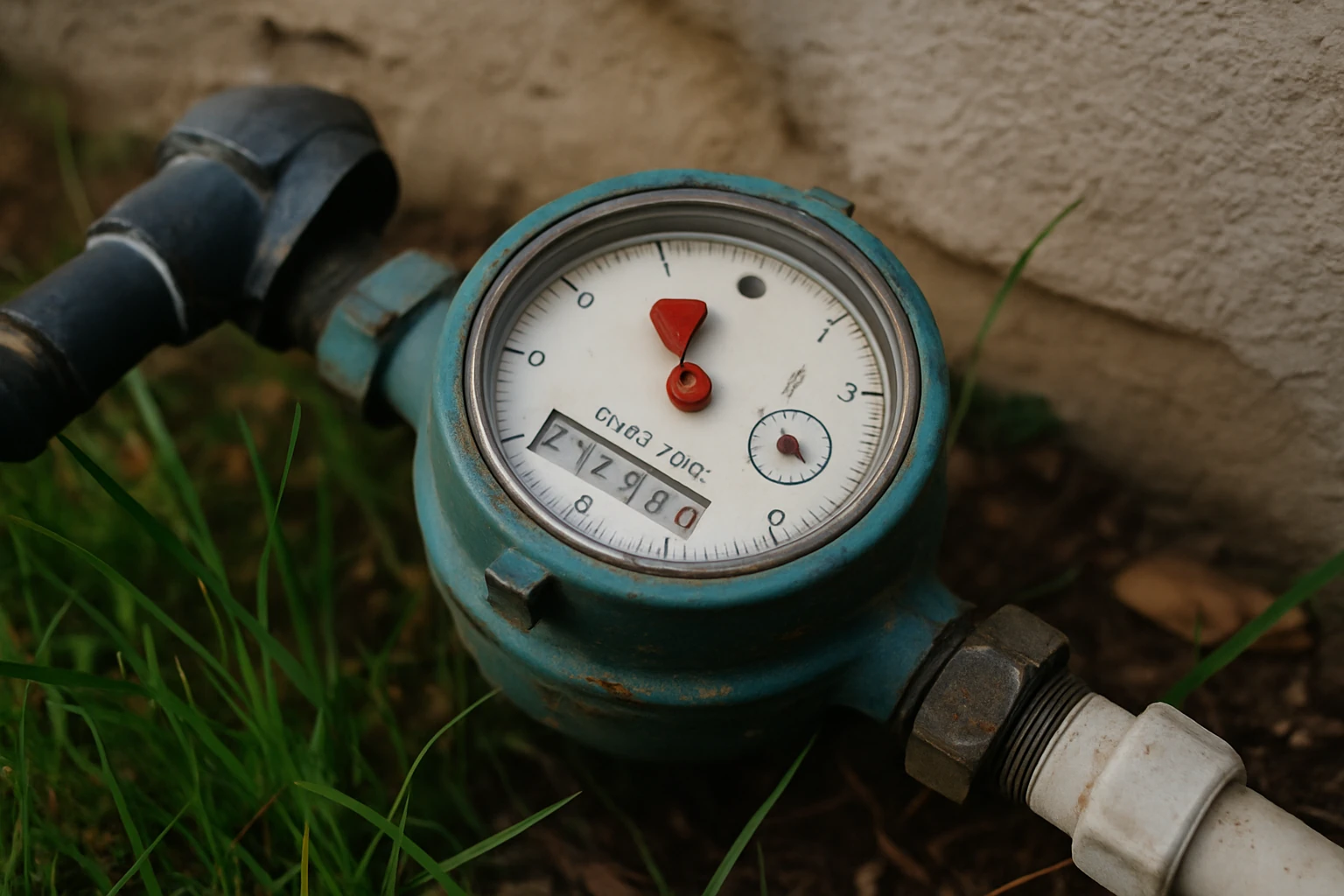
Most homes have either a dial meter or a digital meter. Dial meters use a series of small dials and a sweep hand. Digital meters show numbers directly and often include a leak indicator icon. The unit of measure is usually gallons or cubic feet. Your bill should state which unit your utility uses.
If you see cubic feet, remember that one cubic foot equals 7.48 gallons. Some bills list usage in hundred cubic feet (CCF). That is 100 cubic feet, or 748 gallons.
You might also see the term "kgal" on some municipal bills. That stands for thousand gallons. Always check the unit before calculating usage.
Reading a dial meter
Dial meters usually have four or five dials. Read them from left to right. If a hand is between two numbers, record the lower number. This avoids over-reading the dial. The sweep hand is often used to track small usage or leaks.
Write down the reading, then compare it with the reading on your bill. The difference is your usage for the period. If your utility uses a remote meter, the number on the bill may not match exactly because the reading was taken on a different day.
Some dial meters have a small triangle or star that moves with very small flows. If it moves when all water is off, that is a sign of a slow leak.
Reading a digital meter
Digital meters display the reading clearly, usually in large digits. Some meters cycle through screens. Wait until the usage screen appears and note the full number. If there is a small triangle or faucet icon, it may be a leak indicator. If it flashes while no water is in use, that suggests a leak.
Many digital meters also show flow rate in real time. This is helpful if you want to see which fixtures use the most water. For example, you can turn on a shower and note the flow rate to estimate gallons per minute.
Do a simple leak test
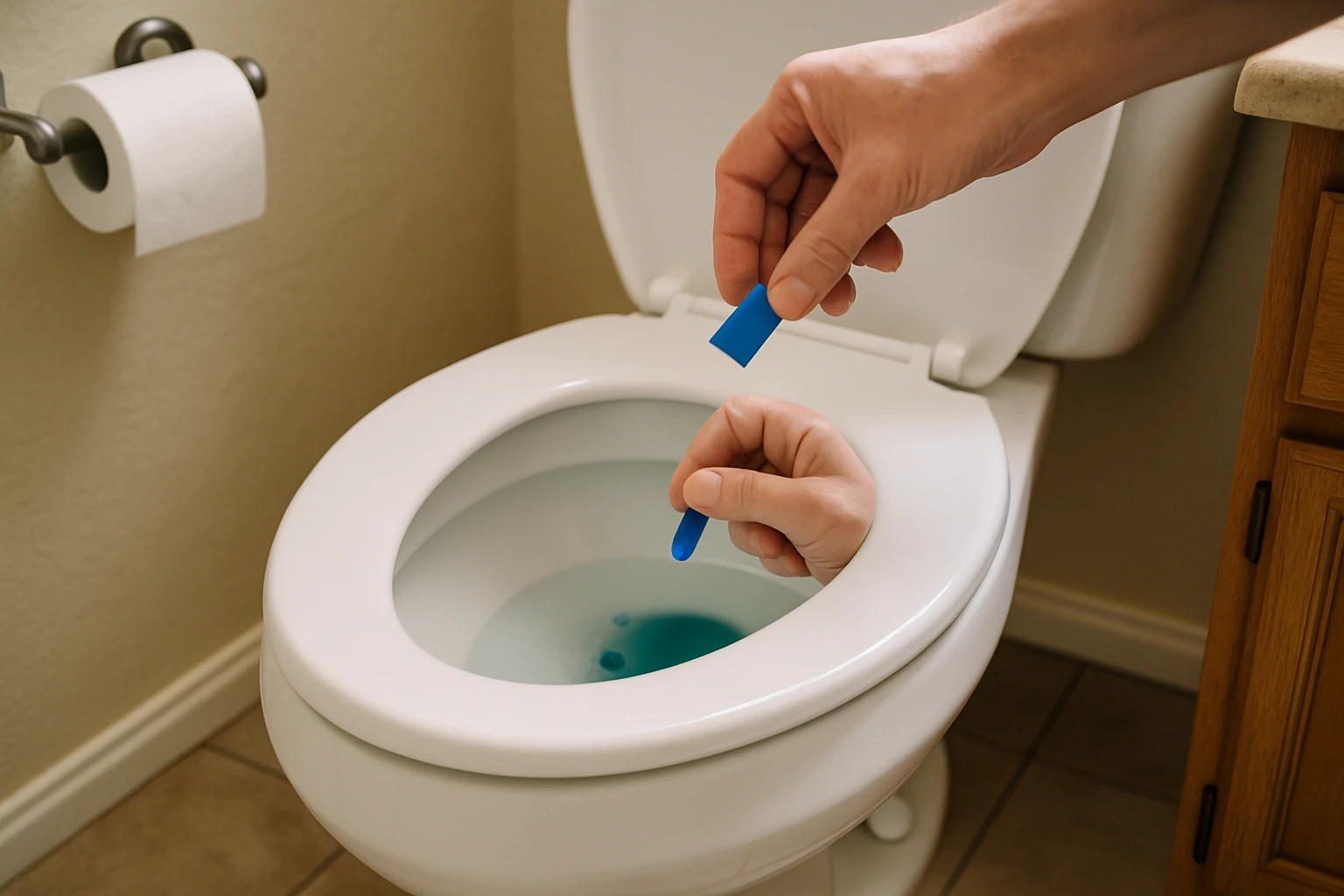
The easiest test is to turn off all water in the home, then watch the sweep hand or leak indicator. If it moves, water is flowing somewhere. Toilets are a common culprit, along with dripping faucets and irrigation systems.
A second test is to take two meter readings a few hours apart with no water use. If the number changes, you likely have a leak. This method is especially useful if the meter is inside a box and hard to watch.
Compare the meter with your bill
Bills list the previous and current meter readings. Subtract the two to get total usage. Compare that number with your own readings. A small difference is normal because the bill reading might be taken before or after your reading.
| Item | Example |
|---|---|
| Previous read | 12,340 gallons |
| Current read | 14,090 gallons |
| Usage | 1,750 gallons |
If your bill shows estimated usage, ask the utility how they calculate estimates and when a true read will occur. Estimated reads can cause a sudden correction on the next bill.
Finding and accessing the meter
Most meters are outside near the street or sidewalk, usually under a small metal or plastic cover. In colder climates, meters may be in a basement or utility room to prevent freezing.
If you cannot access the meter or the cover is sealed, contact the utility for guidance. Do not force open locked boxes; utilities often prefer to access them directly for safety and accuracy.
In shared buildings, meters may be grouped in a single utility room. If you are unsure which meter is yours, the utility can confirm the serial number listed on your bill.
What to do if you suspect a problem
If the meter appears to run when all water is off, call the utility and ask about a meter accuracy test. Some utilities charge a fee if the meter is found to be accurate, so ask about the policy before scheduling.
Also check for seasonal irrigation or hose usage. Outdoor leaks are harder to see but can be a major source of usage.
Use the meter to track habits
If you want to reduce usage, the meter can help you pinpoint high-flow activities. Record a baseline reading, run a single appliance like the washing machine, then record the new reading. The difference shows the gallons used by that single activity.
This is a simple way to see which habits have the biggest impact. It is also helpful if you are trying to understand why a bill increased, as it links behavior to gallons rather than just dollars.
If you track usage weekly for a month, you will have enough data to see whether your bill aligns with your habits or if something unusual is happening.
Convert meter units to bill units
If your meter shows cubic feet but the bill lists gallons, use the conversion on the bill. One cubic foot equals 7.48 gallons, and one CCF equals 748 gallons. This helps you translate your meter reading into the same units used by the utility.
Keeping a small note with the conversion makes it easier to compare your reading to the bill. It also helps when you want to estimate the cost of a specific activity like filling a small pool or running a sprinkler for an hour.
Seasonal checks for outdoor usage
Outdoor usage is often the biggest seasonal swing. During warm months, take a weekly meter reading and keep a simple log. If you see sharp increases on days when the irrigation runs, you have a clearer idea of how much water the yard is using.
This can also help you spot outdoor leaks earlier. A sudden jump on a dry week with no irrigation suggests a leak or a stuck valve.
Frequently asked questions
Most utilities read monthly or bi-monthly. Some use automated readings daily and bill monthly based on that data.