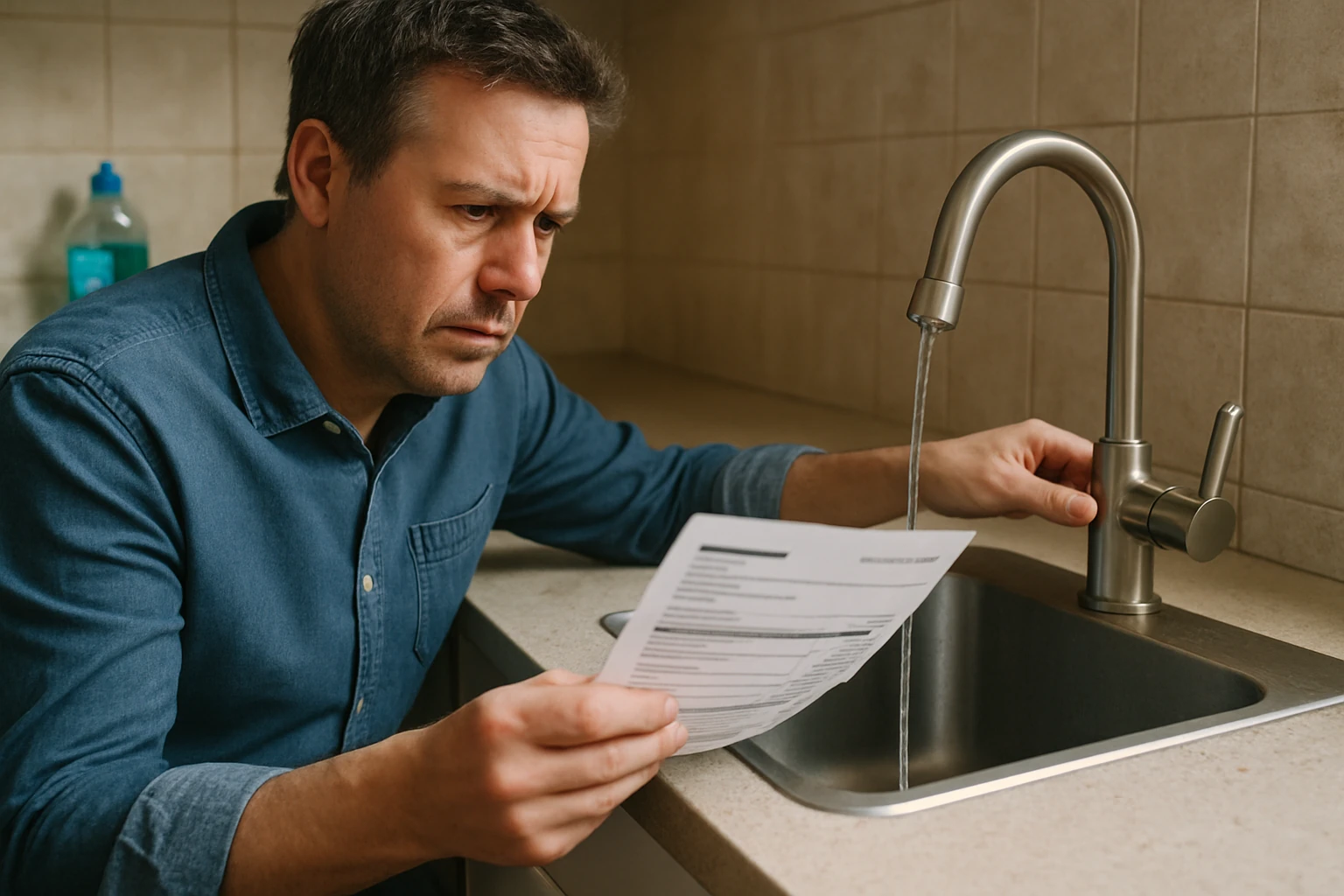
The problem: winter should be cheaper, but your bill went up
When it is cold outside, outdoor watering drops to almost zero. So a higher winter water bill feels backwards.
The winter spike is usually caused by indoor usage changes, a leak, or billing timing. Once you separate those factors, the bill looks a lot less mysterious.
If you want the basics first, start with Water Service Explained.
Table of contents
The short answer
Winter water bills rise most often because of a longer billing cycle, hidden indoor leaks, more hot water use, or a sewer averaging change. Those changes happen even when outdoor use is near zero.
Longer billing cycle
A winter bill that covers 33 or 35 days will look higher than a 28-day bill, even if your daily usage stayed flat. Compare usage per day, not just total usage.
If you want a step-by-step guide, see utility billing cycle explained.
Indoor leaks and running toilets
A running toilet can add hundreds of gallons per day and be hard to notice. Faucet drips add less, but they still show up over a full billing period.
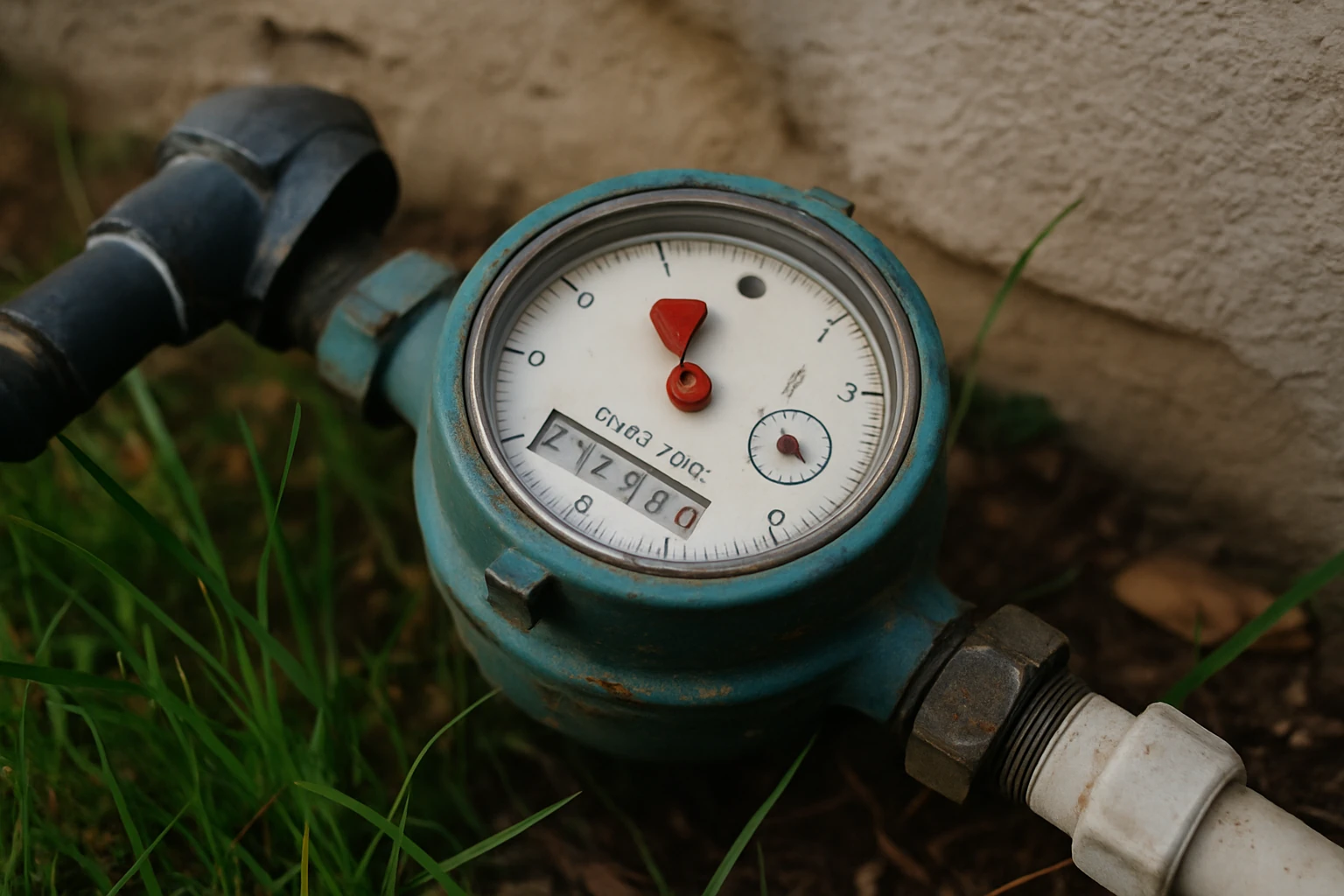
Start with the quick dye test in is your toilet running, then check the meter using the leak indicator.
More hot water use
Winter routines often mean longer showers, more baths, and more time at home. Guests over the holidays can bump laundry and dishwasher use as well.
If you want to quantify usage, this guide helps: what CCF means on a water bill.
Sewer averaging changes
Some utilities reset sewer averages during winter months. If your winter usage was higher this year, your sewer charge can rise for the rest of the year, even if current usage is lower.
For a full explanation, see sewer averaging explained.
Estimated reads and true-ups
An estimated winter bill can be low, followed by a higher bill when the next actual reading corrects it. That correction can look like a spike.
If you see the word "estimated" on your statement, this guide helps: estimated utility bills explained.
Common misconceptions
- "No watering means my bill should drop." Indoor usage still drives most winter totals.
- "A higher bill means a rate hike." It can be more days or a leak instead.
- "I would notice a leak." Many leaks are silent and steady.
If your bill jumped suddenly, check why water bills suddenly increase.
FAQs
Quick answers to the most common winter bill questions.
Frequently asked questions
It can be. Longer billing cycles, indoor leaks, and higher hot water use are common winter drivers.