The short answer
Winter electric bills often spike because your home uses more energy for heating, longer lighting hours, and running appliances that work harder in cold weather. Even small temperature gaps, like a leaky window or unsealed door, can force electric heaters or heat pumps to run longer. The result is more kilowatt-hours (kWh) billed at the same price, so the total jumps even if your rate does not change.
The bill can also look larger because winter billing cycles sometimes include more days. A 34-day billing cycle versus 29 days adds almost a week of usage. That is enough to make the total feel out of line, even when daily use is steady.
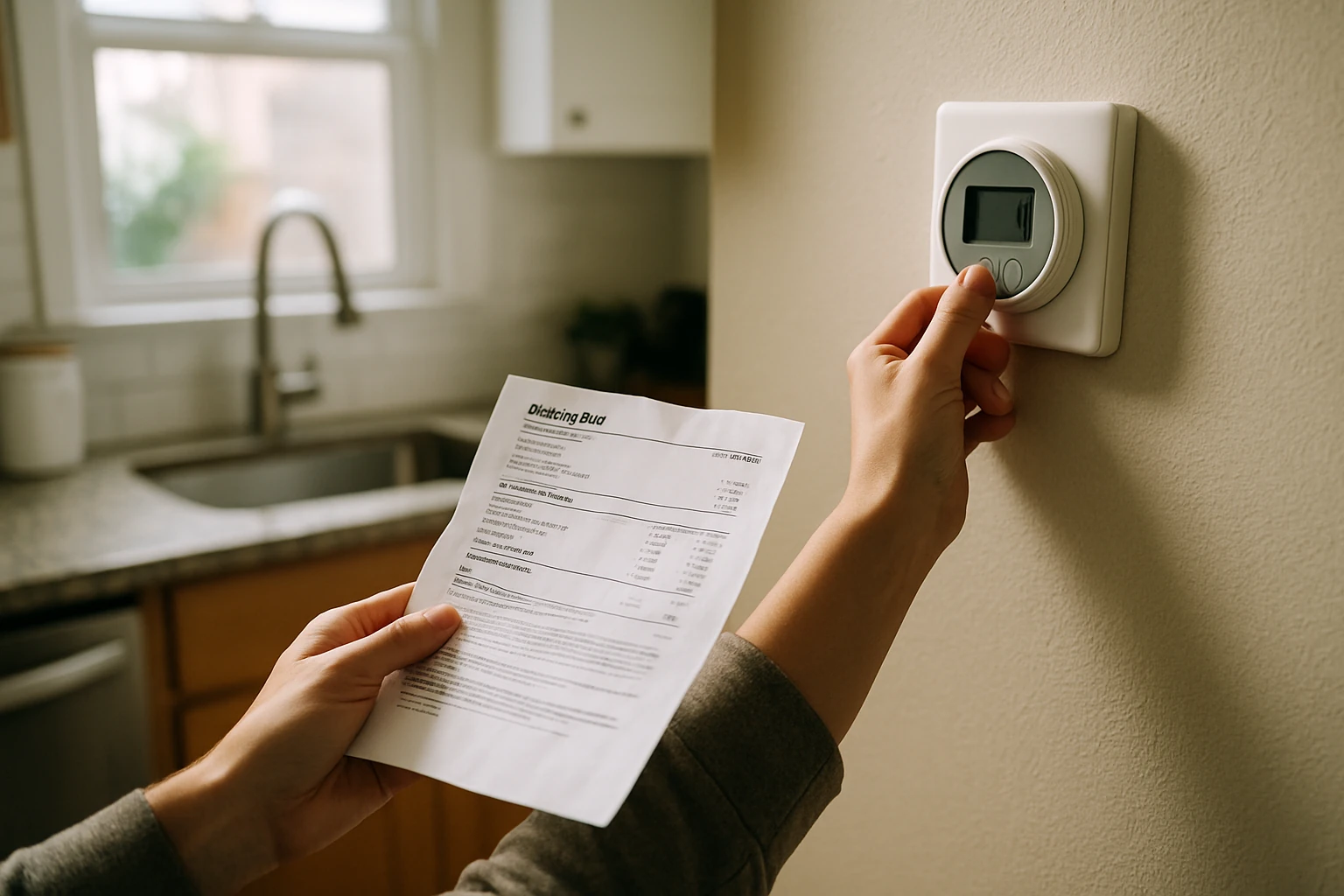
If you want a quick reality check, compare the kWh per day on the bill and the average temperature for those days. Higher kWh and lower temperatures almost always go together. If you have a smart meter, you can check your daily usage online to pinpoint exactly when the heating kicked in.
Heating load is the biggest driver
Electric heat is usually the largest winter load. Heat pumps, baseboard heaters, and space heaters are all high-wattage devices. A heat pump is efficient, but it still needs extra energy during very cold days. When outdoor temperatures drop, many systems switch to electric resistance backup, which uses significantly more power per hour.
If you heat with space heaters, the impact can be dramatic. A single 1,500-watt space heater running for eight hours uses 12 kWh. At $0.17 per kWh, that is about $2 per day for one room. Multiply that by several rooms and many days in a month and it quickly adds up.
Also note that older heating systems run longer to achieve the same indoor temperature. If your system is older, a professional tune-up can help improve efficiency and reduce runtime.
| Heating device | Typical wattage | Cost for 8 hours at $0.17/kWh |
|---|---|---|
| Heat pump (average) | 2,000 W | $2.72 |
| Space heater | 1,500 W | $2.04 |
| Baseboard heat (room) | 2,000 W | $2.72 |
Heat pump vs. resistance heat
Heat pumps move heat rather than generate it directly. That is why they can deliver more heat per unit of electricity than resistance heat. In mild weather, a heat pump might provide two to three units of heat for each unit of electricity used.
When temperatures fall, heat pumps have to work harder to pull heat from cold outdoor air. Many systems switch to resistance backup, which uses electricity much less efficiently. This is why bills can spike during cold snaps even if your thermostat setting stays the same.
Longer nights increase lighting and indoor time
In winter, lights are on earlier and stay on longer. Even with LEDs, lighting adds to your total usage. The bigger change is behavior: you spend more hours inside, using entertainment, cooking appliances, and hot water. Small loads add up when they run more often.
Holiday lighting can also create a noticeable bump. A strand of older incandescent holiday lights can draw 40 to 100 watts per strand. If you decorate heavily and leave the lights on for several hours, that can add a few extra kWh each day.
Laundry loads often increase in winter as well, especially in rainy or snowy climates where drying outside is not an option. Electric dryers are one of the most energy-intensive appliances in the home.
Heat loss makes your system work harder
Drafts and poor insulation can make a modest thermostat setting feel ineffective. When warm air leaks out, your system cycles more often to keep the temperature steady. Common leak points include door frames, attic hatches, recessed lighting, and unsealed vents.
A simple test is to feel for cold air along baseboards and window edges on a windy day. If you notice a noticeable chill, you are likely losing heat. Sealing those gaps can reduce the total runtime for your heating equipment.
Insulation matters too. If the attic insulation is thin or uneven, heat escapes upward and forces the system to run longer. Many utilities offer rebates for insulation upgrades or air sealing.
Check the billing cycle and rate plan
Bills can look high simply because the billing cycle is longer. Compare the number of days on your statement to last month. If the cycle is longer, compare daily usage instead of total usage. That is a more accurate apples-to-apples comparison.
Also confirm whether you are on a time-of-use plan. In winter, evening peak hours can coincide with heating and cooking, which increases the cost per kWh even if your total kWh is unchanged. If you cannot shift usage, a flat-rate plan might be better for your household.
If your utility offers usage alerts or daily usage charts, enable them. Seeing how much energy you use each day helps you connect weather and behavior to the bill.
Quick checks that help explain the spike
- Compare kWh per day, not total kWh.
- Identify any new heaters or dehumidifiers running daily.
- Check thermostat schedules for overnight setbacks.
- Confirm if the utility estimated your usage this month.
- Look for winter rate changes or supply charge updates.
If your usage looks unusually high, some utilities provide hourly usage data through an online portal. Reviewing that chart helps you see when the spikes occur and whether they line up with heating patterns.
What if the bill looks wrong?
If the total feels far outside your normal winter range, check for estimated readings. An estimated bill can be corrected on the next bill when an actual reading occurs. You can also compare your meter reading to the bill if your meter is accessible.
Another possibility is a malfunctioning thermostat or heating system cycling more than expected. If you notice short cycles or inconsistent temperatures, schedule a maintenance check.
Practical next steps without a big remodel
Focus on easy wins first. Add draft seals, use heavy curtains at night, and make sure air filters are clean. If you can, lower your thermostat by one or two degrees and use a warm layer indoors. Small changes can reduce heating runtime without major comfort loss.
If you heat with electricity and your bill remains high, ask your utility about a home energy audit. Many offer discounted or free audits that identify the most cost-effective fixes.
If you are curious about basic electric usage, start with our explainer on what kWh means. It makes it easier to translate heating hours into bill impact.
Frequently asked questions
It depends on your heating system. Homes using electric resistance heat or space heaters can see large increases. Heat pump homes usually see smaller increases unless the backup heat runs frequently.