Introduction
A smart meter shows up on your house and suddenly the bill feels different. Is it more accurate, or just faster at charging you?
The short answer: smart meters are digital meters that report usage in short intervals. That gives utilities better data, and it gives you a clearer view of when your home uses power.
You are not powerless here. This guide explains how smart meters work, what they can and cannot see, and how to check the numbers yourself. If you want the full electricity basics first, start with Electricity Explained.
The short answer (what a smart meter actually does)
A smart meter is a digital device that records your electricity usage in short intervals (often 15 minutes to 1 hour) and sends that data to your utility over a secure network.
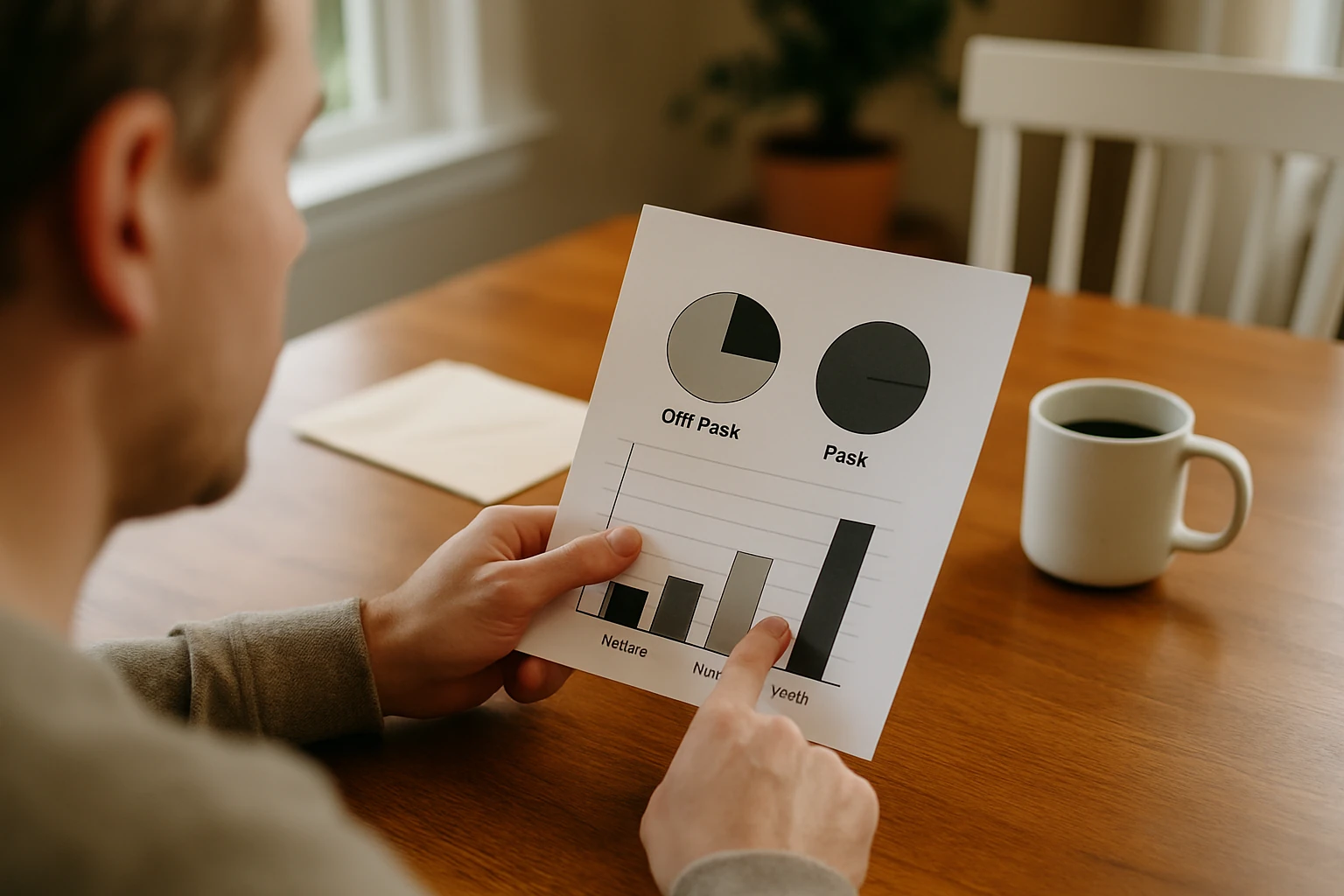
That interval data is what makes time-of-use ratespossible. Instead of one total for the month, the utility can see when you used energy.
How smart meters are different from analog meters
The biggest difference is communication, not just digits.
- Analog (electromechanical) meters: Spinning disc and dials. They only show a running total in kWh.
- AMR meters: Early digital meters that broadcast a reading to a drive-by truck. No two-way data.
- AMI smart meters: Two-way devices that send usage data and can receive updates from the utility.
That means a smart meter can report daily usage without a meter reader showing up at your home.
How smart meters measure and transmit usage
Smart meters use solid-state electronics to measure the flow of electricity. No moving parts means less wear over time.
Usage is measured in kilowatt-hours (kWh), the same unit your old meter used. The difference is timing.
Data is sent in short bursts over a secure radio network. It is not a constant stream, and it is not a live camera inside your home.
Are smart meters accurate?
Most smart meters are more accurate than old analog meters. Older mechanical meters can slow down as they age, which can undercount usage.
A new meter can make the bill look higher even if your habits did not change. That is often a correction, not an error.
If you think a number is wrong, compare the meter display to your bill and follow the step-by-step check in the bill line item guide.
Privacy concerns (what utilities can and cannot see)
Smart meters do not watch your home. They record usage levels.
- They can see: Total usage in 15-minute or hourly blocks, including spikes from large appliances.
- They cannot see: Which exact device you used, or what you were doing in the house.
Advanced analytics can guess patterns, but it is still an estimate, not a device list.
Benefits you actually get
These are the real benefits most homeowners notice:
- Fewer estimated bills: Smart meters make estimated billsless common.
- Faster outage detection: The utility can see an outage without you calling.
- Better usage insight: Daily or hourly charts help you explain bill spikes.
How to verify your smart meter is working
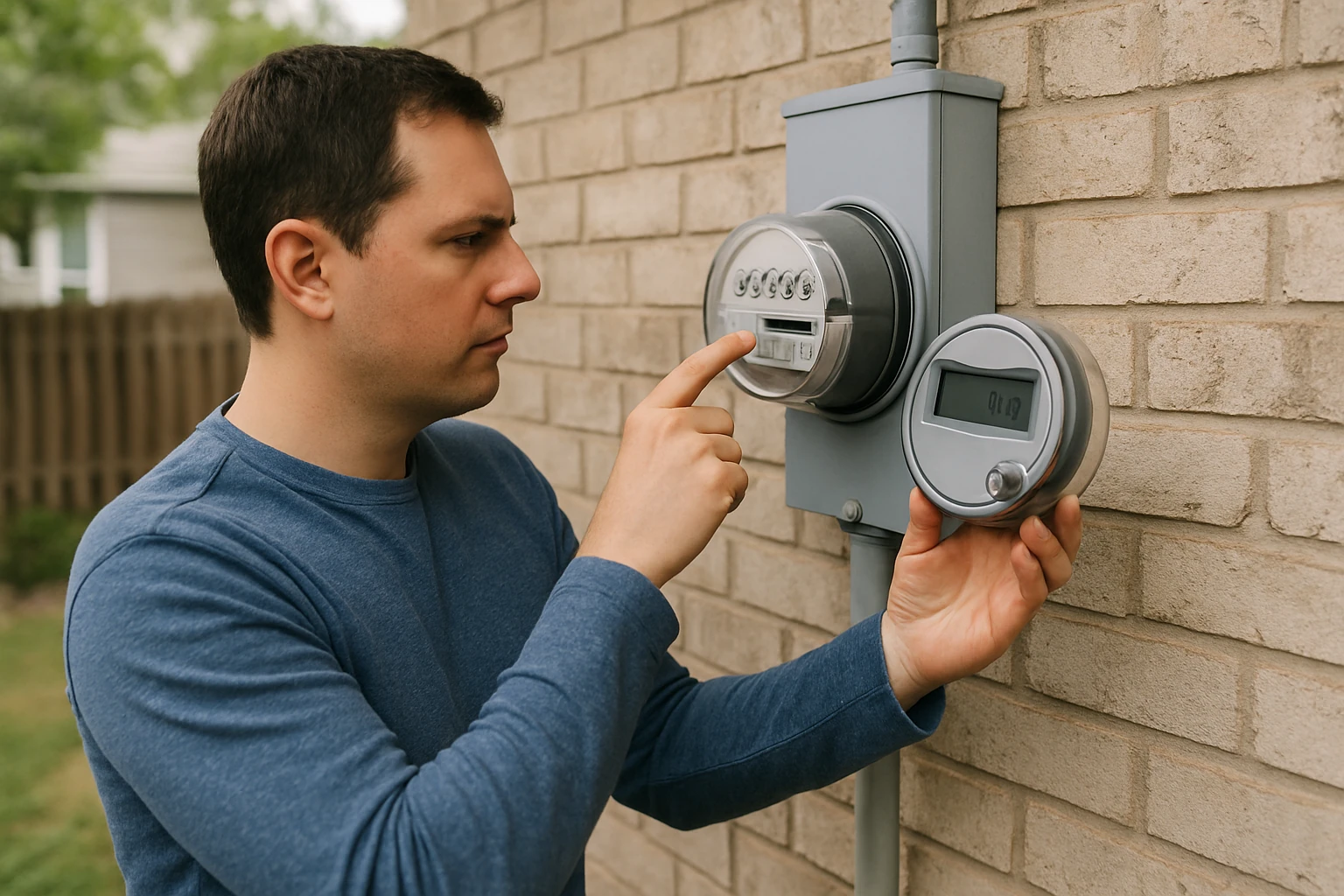
You can check the meter yourself in five minutes. Here is a simple method:
- Write down the kWh number shown on the display.
- Check it again 24 hours later at the same time.
- Subtract the first number from the second.
- Compare that daily kWh to your utility portal and bill. They should be close.
If you need help reading the display, see how to read an electric meter.
Can you opt out?
Some utilities allow opt-outs, but there is usually a fee. You may see a one-time setup charge and a monthly meter reading fee.
Policies vary by state and utility. Check your provider policy before deciding.
Common misconceptions
- "Smart meters automatically raise rates." The meter only measures usage. Rates are set by your utility plan.
- "They can see my appliances." They see usage levels, not specific devices.
- "A higher bill means the meter is wrong." It often means the old meter was running slow or your usage changed.
Frequently asked questions
Yes. Smart meters report outages and voltage irregularities quickly, so tampering usually triggers an alert.