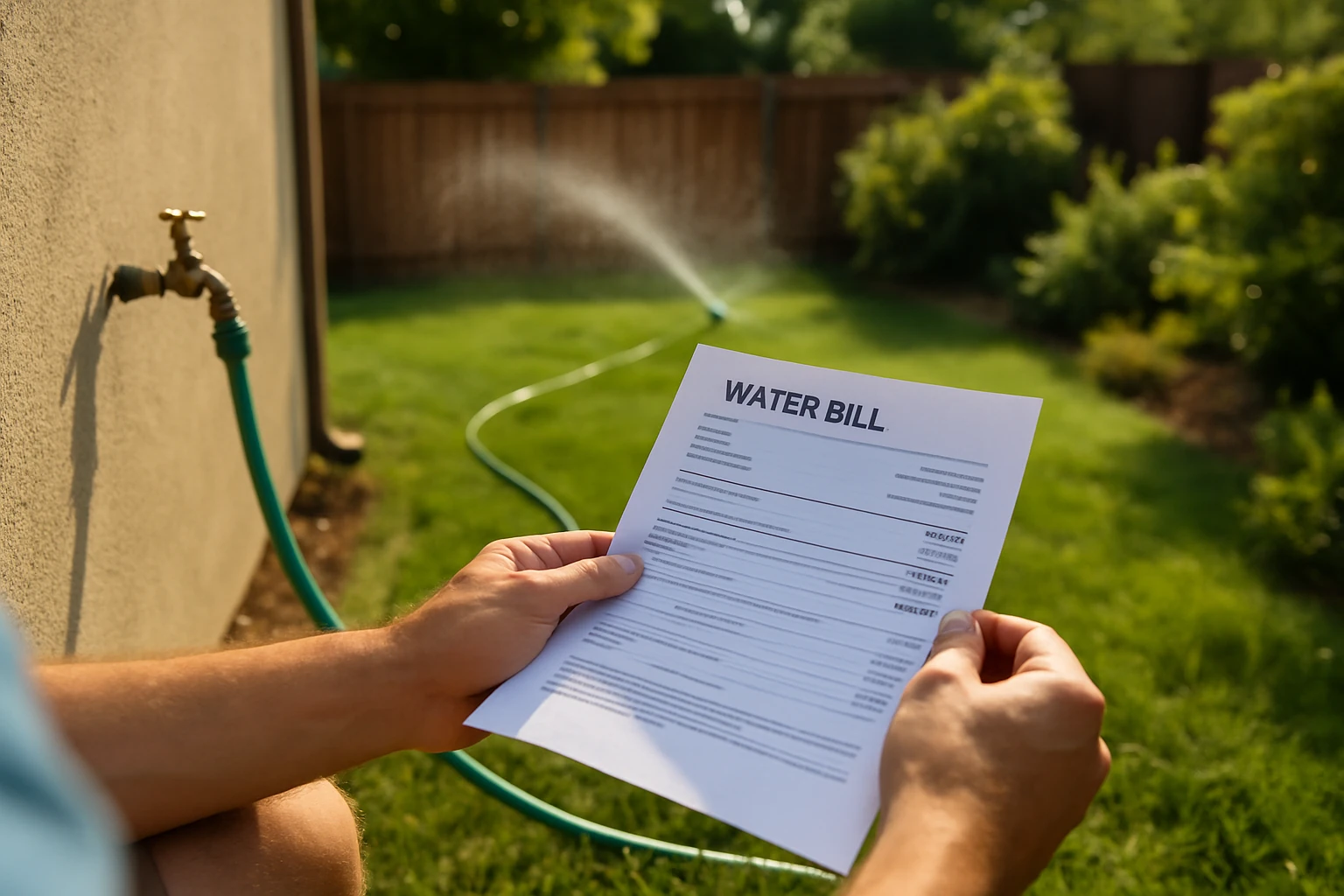
The problem: a new drought charge appears on the bill
You open your bill and see a drought surcharge you did not have last season. It can feel like a penalty, but it usually funds supply protection and conservation efforts during shortages.
This guide explains what the charge is, when it appears, and how to reduce its impact without guessing. For a bigger picture of how water bills are structured, start with water service explained.
Table of contents
The quick answer
A drought surcharge is a temporary charge used to cover the higher cost of water supply and conservation programs during droughts. It usually ends when drought conditions improve.
Why drought surcharges exist
Droughts reduce available water supplies and raise the cost of treating and delivering water. Utilities may need to buy water from alternate sources or invest in conservation programs, both of which cost more than normal operations.
The surcharge spreads those extra costs across customers rather than raising the base rate permanently.
How drought surcharges are calculated
Utilities handle this in different ways, but the most common methods are:
- A flat monthly charge added to every bill
- A per-unit fee (per CCF or per 1,000 gallons)
- An extra percentage added to the water usage line
Many drought plans also tighten outdoor watering rules. That means it is easier to cross a tier threshold if you keep the same habits. See tiered rates if your bill uses tiers.
Where it shows up on the bill
Drought charges are often listed as separate line items. Look for labels like:
- Drought surcharge
- Water shortage fee
- Conservation charge
If you see multiple new line items, compare them with water service chargesso you can separate fixed fees from temporary ones.
How to reduce the impact
The best defense is lowering usage during drought months, especially outdoor use. Small changes can keep you under a higher tier and reduce the per-unit surcharge impact.
- Reduce lawn watering frequency and duration
- Fix toilet leaks and dripping faucets quickly
- Track your weekly usage to catch spikes early
If you are unsure what normal usage looks like, start with average usage ranges.
Common mistakes
- Assuming it is permanent. Drought surcharges are typically temporary and are removed when conditions improve.
- Confusing it with stormwater fees. Stormwater fees are often based on property drainage, not drought conditions.
- Ignoring outdoor use rules. Violating restrictions can lead to extra penalties in some service areas.
Frequently asked questions
It is a temporary charge used to cover higher supply and conservation costs during drought conditions.