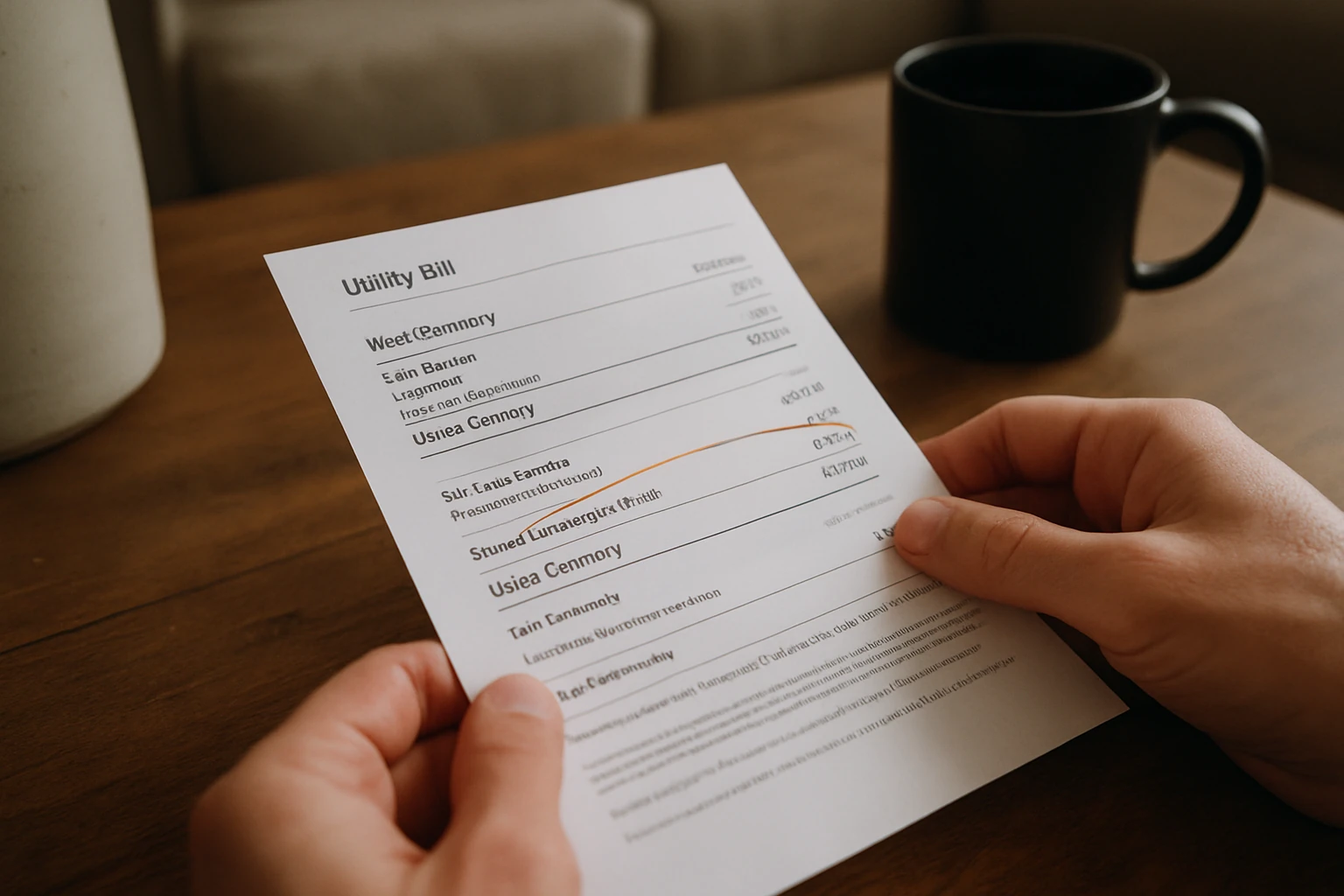
The problem: your bill does not match the month you lived there
You move in or move out, and the next utility bill looks strange. The dates do not line up with the calendar, the total feels too high or too low, and it is hard to tell what you are paying for.
Most of the time, the answer is simple: the bill was prorated. That means the bill only covers part of a normal billing cycle, not a full month.
This guide will make proration feel predictable. For the full billing model (usage, delivery, fixed fees), start here: Utility Bills & Costs Explained.
Table of contents
The quick answer
Proration means your utility bill covers only part of a billing cycle. It is common when service starts or ends in the middle of a cycle, like a move-in or move-out.
The bill is not wrong just because the dates look unusual. It is a partial-period bill, and the math should be based on the actual days of service.
Why proration happens (plain English)
Utilities do not bill by calendar months. They bill by fixed billing cycles, and your start or end date rarely matches those cycles.
Billing cycles do not align with your move-in or move-out
If the billing cycle runs from the 5th to the 4th, and you moved in on the 18th, your first bill will only include the 18th to the 4th. That is a partial cycle.
Meter read dates and bill dates are different
Your bill may show a meter read date, a service period, and a bill issue date. Those are not the same thing. The service period is the key date range for proration.
If you are also seeing an estimated read, the timing can look even more confusing. This helps: estimated utility bill explained.
How to spot proration on your bill
Look for the service period dates and compare them to your move-in or move-out date.
Where the dates appear
Most bills list a service period near the top, often labeled "Service Dates," "Billing Period," or "Usage Period."
Terms you might see
- Prorated or pro-rated
- Partial month
- Service start date / service end date
A simple sanity-check method (no advanced math)
You do not need a calculator spreadsheet. Use a few simple checks.
1) Count the billing days
Count the number of days in the service period. A 17-day bill should not be compared to a 30-day bill without adjusting.
2) Normalize usage per day
Divide usage by billing days. This makes a partial month comparable to a normal month. If the total still looks off, this guide explains why: why a bill can be higher with the same usage.
3) Separate usage from fixed charges
A partial month can still include fixed charges. That is why low usage does not always mean a tiny total. If this surprises you, read: minimum bill explained.
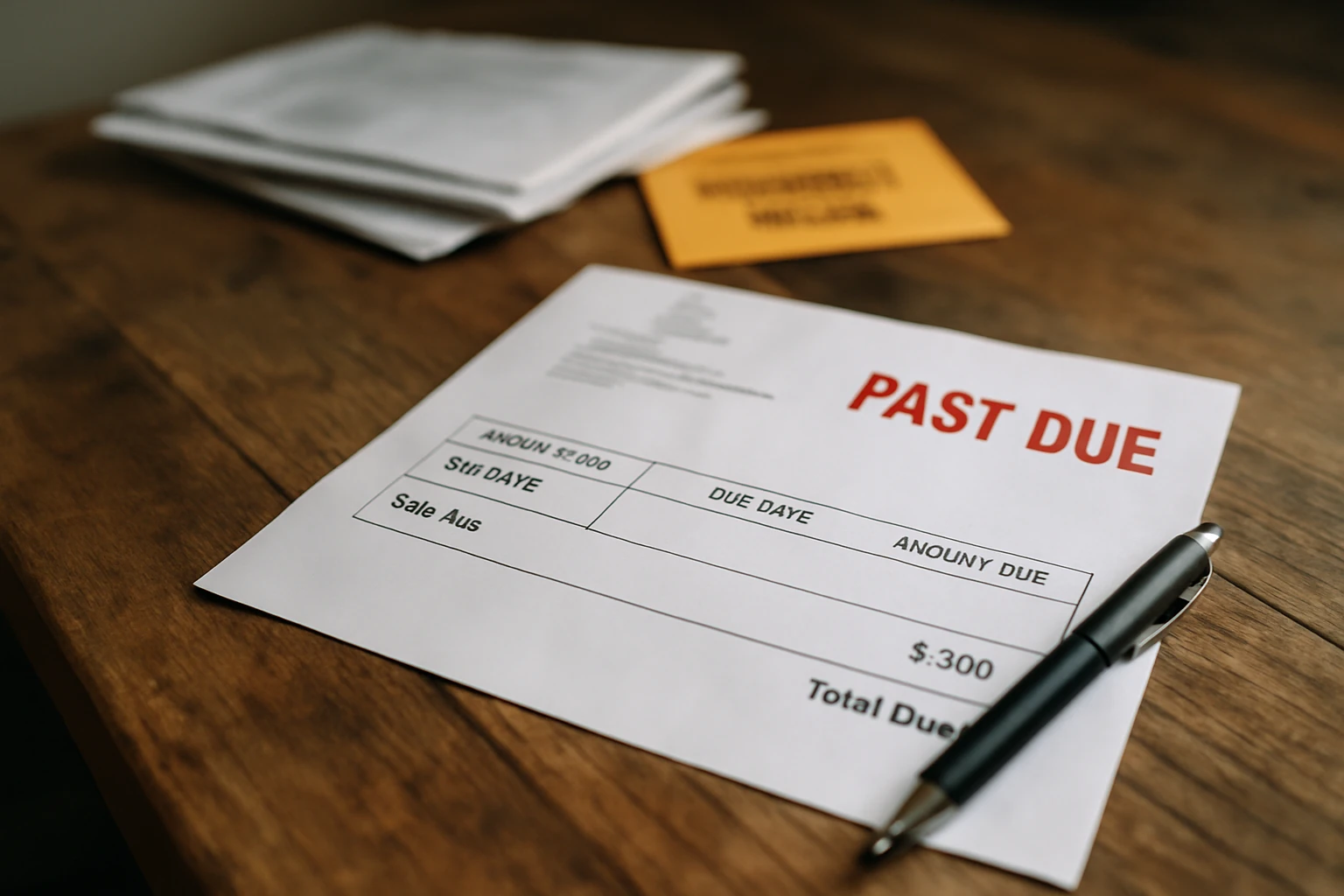
If your final bill also shows a past-due line, this article clarifies what that means: past due balance explained.
Common misconceptions
- "Prorated means the utility guessed." Not necessarily. It just means the bill covers part of the cycle.
- "A short period should be almost free." Fixed charges can still apply even for partial months.
- "The bill date is the same as the usage period." The usage period is what matters for proration.
Frequently asked questions
It means the bill covers only part of a normal billing cycle, usually because service started or ended mid-cycle.