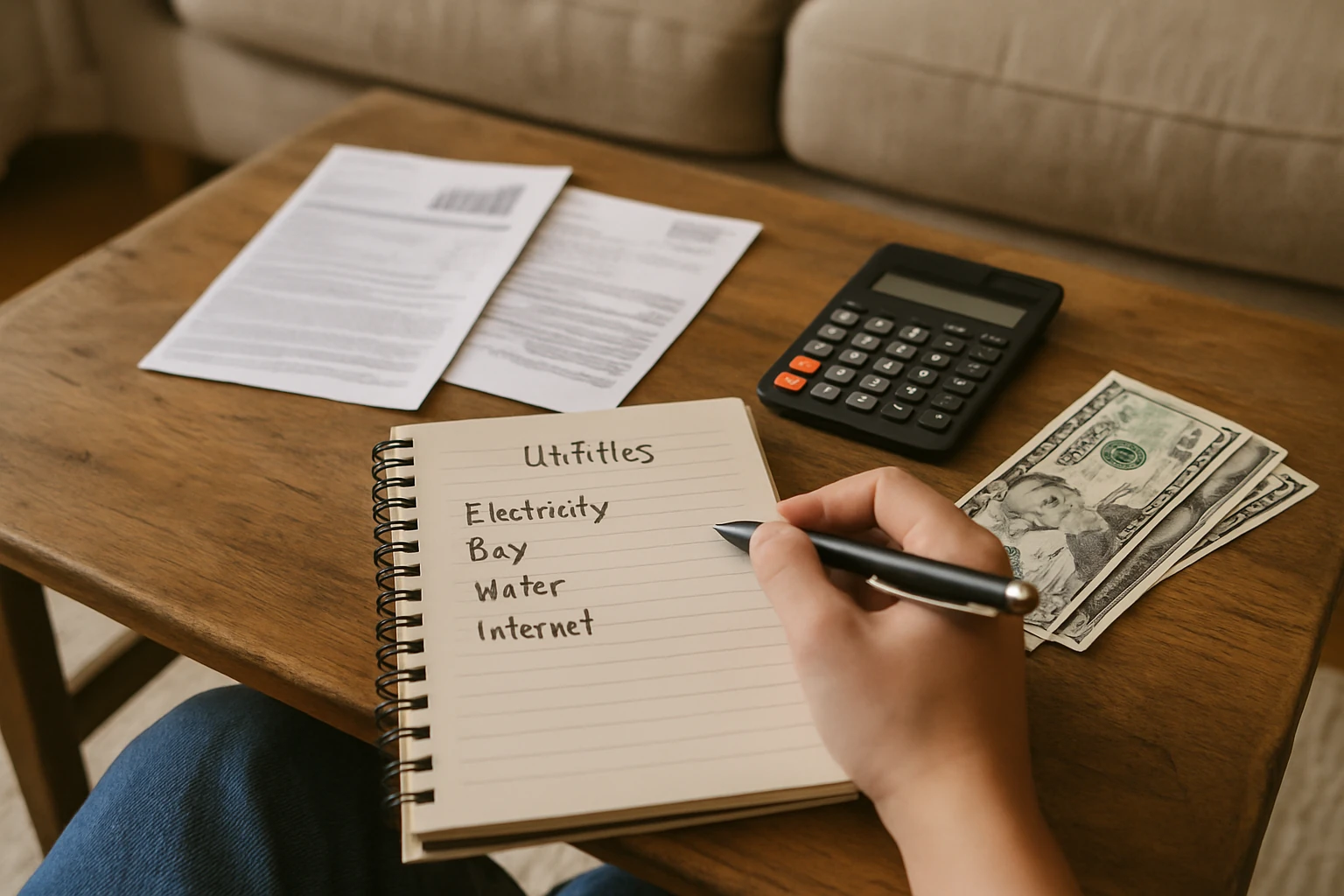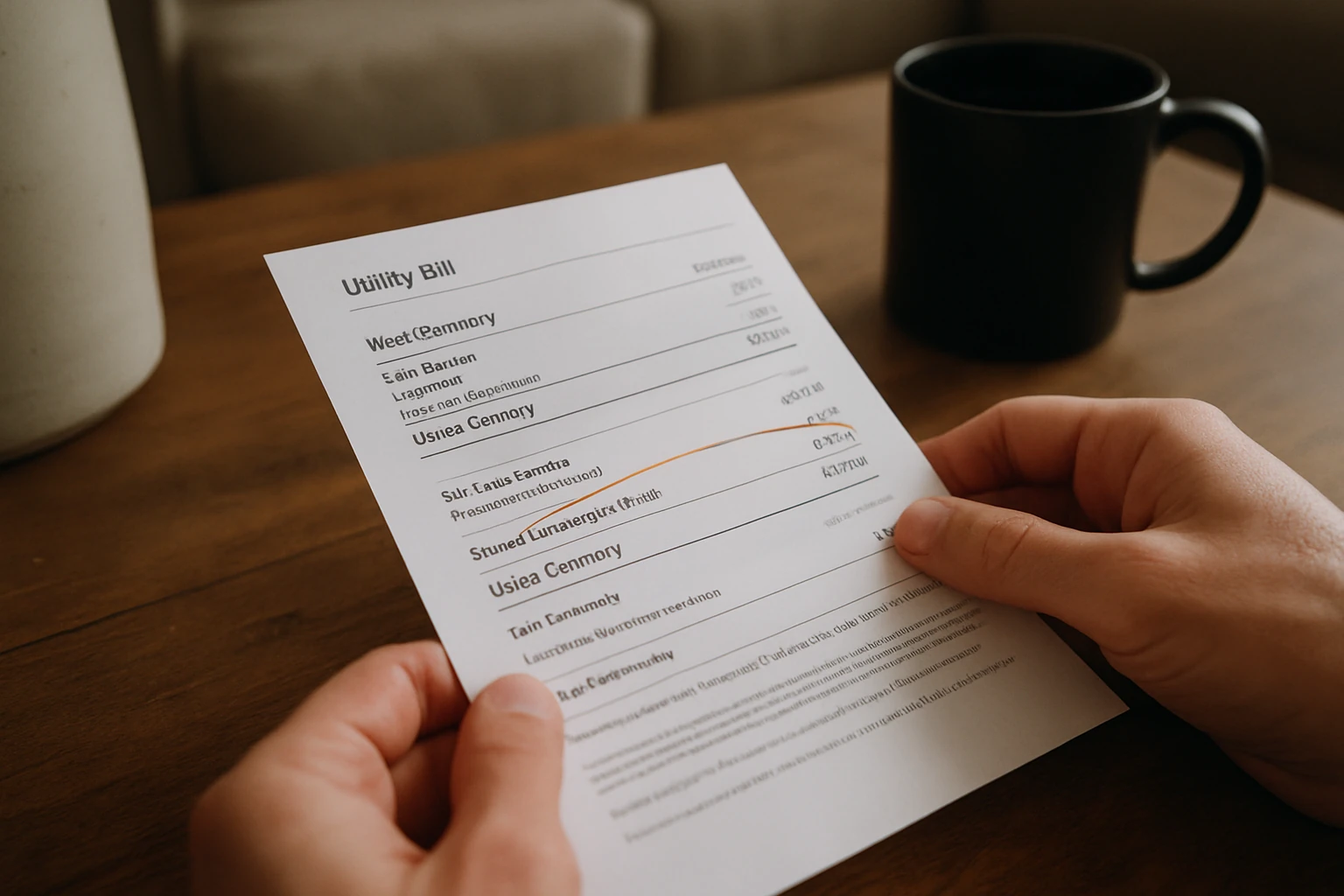
The problem: a past-due line shows up when you thought you paid
You open your bill and see "past due," a late fee, or even a disconnect notice. It feels urgent, and it is not always clear why it happened.
The most common cause is timing: bill date, due date, and payment posting date are three different things. Once you know the timing, the line usually makes sense.
For the full billing structure (usage vs delivery vs fixed charges), start here: Utility Bills & Costs Explained.
Table of contents
The quick answer
A past due balance means the utility did not receive or post payment by the stated due date. A late fee is a penalty tied to that timing, not necessarily to your usage.
A disconnect notice is usually a warning step in a sequence. It does not always mean service will stop immediately, but it does mean the utility wants attention.
Bill date vs due date vs payment posting date
Three dates create most of the confusion:
- Bill date: when the bill is generated.
- Due date: the deadline to avoid a past-due status.
- Posting date: when the payment is recorded by the utility.
If you paid close to the due date, weekends, holidays, or payment processing can push the posting date later, which can trigger a past-due line even if you paid on time.
How late fees are typically calculated (simple examples)
Late fees vary by utility, but they usually follow one of two models:
- Flat fee: a set dollar amount if the bill is late.
- Percentage fee: a small percent of the past-due amount.
This is why the total can change even when your usage does not. If your bill looks higher with similar usage, this checklist helps: bill higher with same usage.
What a disconnect notice really means
A disconnect notice is typically a formal warning. It signals that the account is delinquent and action is needed, but it is usually part of a timeline that includes notices and deadlines.
If your bill was also estimated or corrected, that can create surprise balances. This explains the estimate piece: estimated utility bill explained.
What to do right now (simple steps, no drama)
You do not need a long plan. Start with these simple checks:
- Confirm payment status in your bank or payment method.
- Check the posting date on the utility account if it is listed.
- Review the bill dates to see if timing explains the past-due line.
If you want more predictable monthly totals, budget billing can help smooth payment timing: budget billing explained.
If a move created timing confusion, this companion guide can help: proration explained.
Common misconceptions
- "Past due means I did not pay." It can also mean the payment posted after the due date.
- "A disconnect notice means service ends today." It is usually a warning step, not immediate shutoff.
- "Late fees are tied to usage." Late fees are tied to payment timing.
Frequently asked questions
It means the payment was not received or posted by the due date, so the balance carried forward.