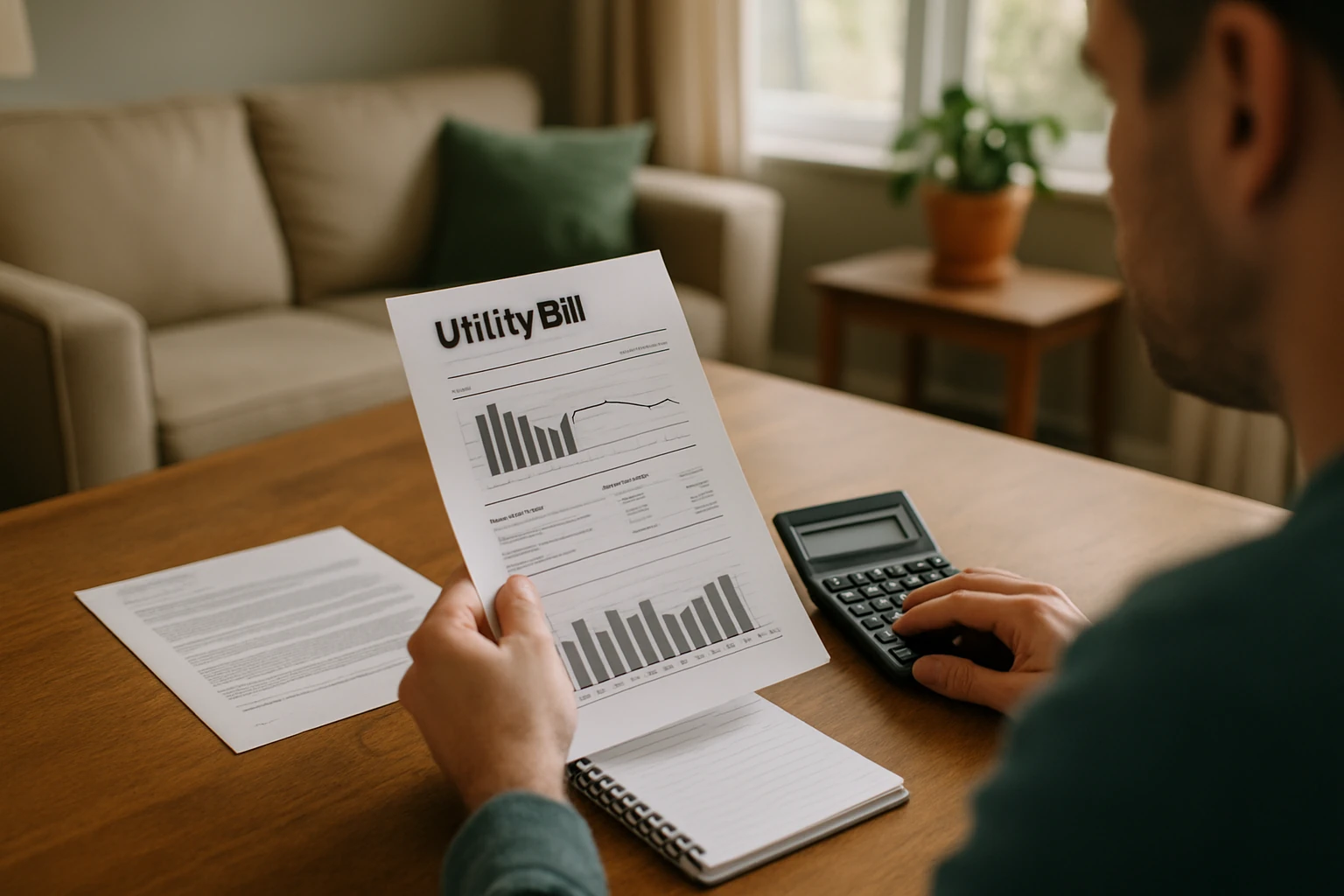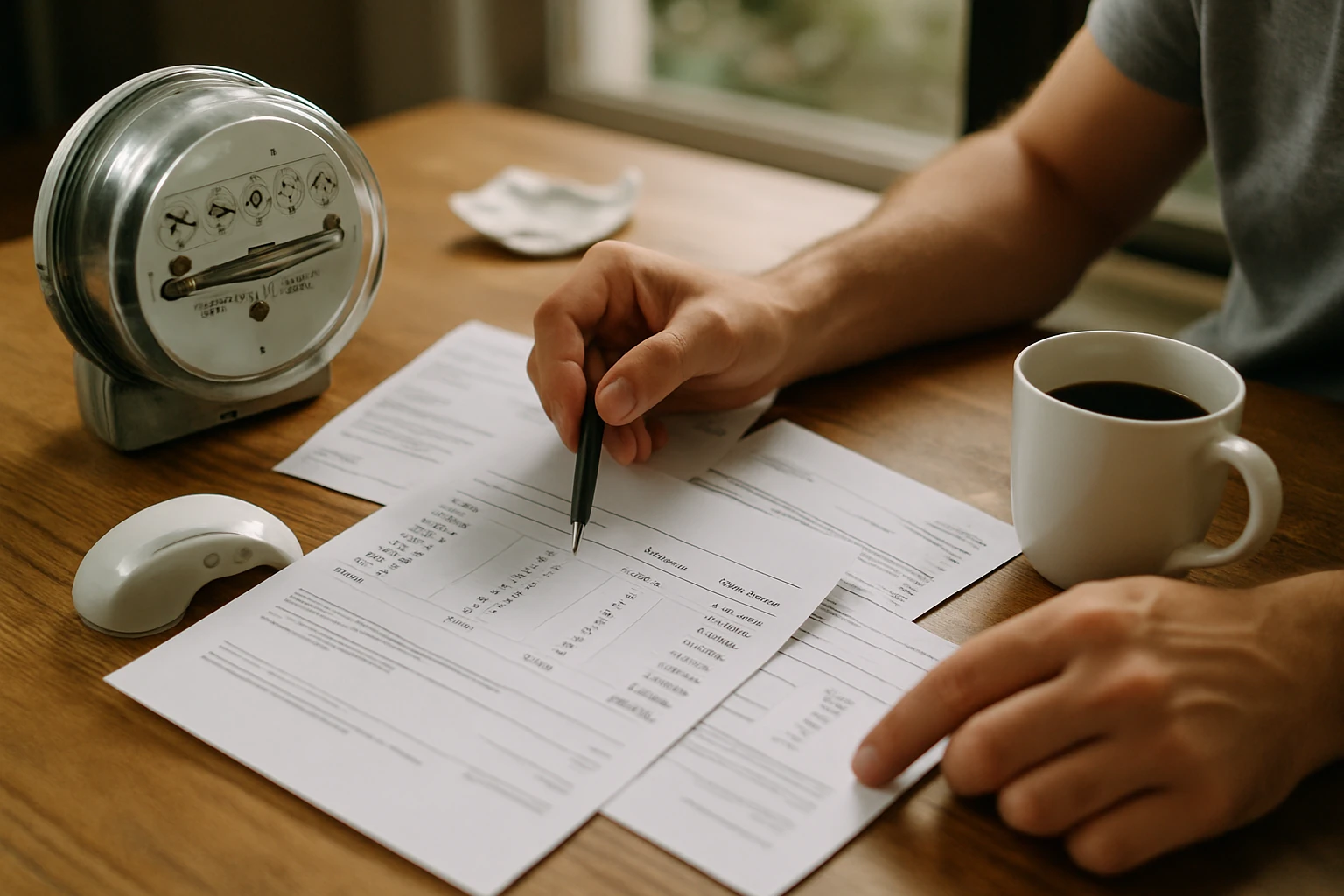
Start with the utilities you will be responsible for
Lease agreements vary. Some rentals include water or trash, while others require tenants to pay electricity, gas, water, and internet. Read your lease and ask the property manager which utilities are included.
Create a simple list of what you will pay for monthly. This prevents surprise bills in the first few months.
Estimate ranges instead of exact numbers
Utility costs vary by season, home size, and usage habits. A practical approach is to use a range. Ask the property manager for typical monthly ranges for the unit or talk to neighbors in the building.
If you cannot get specific numbers, start with a conservative range and adjust after your first two bills.
Keep in mind that older buildings may be less efficient, which can push electricity or gas costs higher than averages for newer buildings.
| Utility | Common monthly range |
|---|---|
| Electricity | $40 to $120 |
| Gas | $20 to $80 |
| Water/sewer | $15 to $60 |
| Internet | $40 to $80 |
Plan for seasonal swings
Bills are rarely the same every month. Electricity peaks in summer for cooling and in winter for electric heat. Gas peaks in winter for heating. Water can rise in summer if outdoor usage increases.
A simple strategy is to budget using the higher season and let the lower months build a buffer.
If you live in a region with harsh winters or hot summers, expect one or two peak months that are noticeably higher than the average.
Setting up utilities and deposits
You typically need to start service one to two weeks before move-in. Providers may require a deposit or credit check. Ask about deposit waivers or payment plans if the upfront cost is a concern.
Keep a simple folder with account numbers, start dates, and contact information. This makes it easier to resolve billing issues later.
If you are moving from a roommate situation, make sure the old account is closed or transferred to avoid paying for service after you leave.
Splitting utilities with roommates
If you share a home, agree on how bills will be split. Many households divide utilities equally, while others split based on bedroom size or usage patterns. The key is to agree early and track payments.
Consider using a shared spreadsheet or a payment app to avoid missed bills. Late fees can be expensive and may affect credit.
Decide who will hold each account so responsibility is clear if someone moves out mid-lease.
Track spending month to month
Use a simple spreadsheet or budgeting app to track each bill. Note the billing dates and total usage along with the total cost. After a few months, you will see a clear pattern and can adjust your budget range.
Tracking usage helps you separate rate changes from behavior changes. If the kWh or gallons stay steady but the cost rises, the rate likely changed rather than your habits.
Keeping a simple note about weather can also help. A hot or cold month usually means higher energy use even if your routines do not change.
Know your assistance options
If you are worried about affording utilities, ask your provider about assistance programs. Many utilities offer payment plans or income-based discounts. Community programs and local nonprofits sometimes help with deposits or past-due balances as well.
Reaching out early is usually better than waiting for a past-due notice. Providers can often work with you if you contact them before a bill is overdue.
If you qualify for assistance, ask how it interacts with budget billing or auto-pay. Some programs provide additional discounts when you enroll in energy-saving education or usage alerts.
Auto-pay and alerts
Auto-pay helps prevent late fees, but keep a buffer in your account so a high seasonal bill does not cause overdraft. Many utilities also offer email or text alerts when usage is higher than normal.
These alerts are a good early warning signal. If you get a high-usage alert, check for leaks or appliance issues before the bill arrives.
If you prefer manual payments, set calendar reminders for due dates to avoid late fees.
Review your first bills carefully
The first one or two bills are your baseline. Check the number of days in the cycle and the usage total so you can estimate a monthly average. If the bill looks unusually high, compare it to a meter reading or ask the provider whether the bill was estimated.
If you moved in mid-cycle, the first bill may be shorter or longer than normal. That can make the total look misleading without a per-day comparison.
Create a utility buffer
If your budget is tight, set aside a small buffer each month, even $10 to $20. This helps smooth out seasonal spikes and prevents late fees.
Some utilities offer level billing plans that average your usage over the year. These can help with predictability, but you may owe a catch-up amount if your usage increases.
Lower bills with renter-friendly habits
- Use LED bulbs and switch off lights in empty rooms.
- Set your thermostat a few degrees lower in winter and higher in summer.
- Run full loads in the dishwasher and washer.
- Report leaks or maintenance issues quickly.
- Use a smart power strip for electronics.
These small actions can keep your first-year bills predictable and manageable. If you are unsure about average usage, see our guide onaverage water use per person.
Frequently asked questions
Ask your landlord for the utility providers, then call each provider a week or two before move-in to start service in your name.