The short answer
When your AC is running but not cooling, the problem is usually airflow, a frozen coil, or the outdoor unit not doing its job. Start with the basics: confirm the thermostat is on cool, the fan is set to auto, the filter is clean, and vents are open. If the system is blowing weak air or you see ice on the indoor coil or lines, turn cooling off and let it thaw.
If the outdoor unit fan is not spinning, a breaker keeps tripping, or the air is warm even after basic checks, it is time for professional service. Refrigerant issues, electrical problems, or failing components are not safe DIY fixes.
For a broader HVAC foundation, visit Heating & Cooling Explained.
Table of contents
- Start with the thermostat
- Airflow problems you can fix today
- Condensate drain and safety switch issues
- A quick cooling check at the vent
- Frozen coils: what to do and why it happens
- Outdoor unit problems
- Low refrigerant and leaks
- Duct leaks and delivery issues
- Heat gain and humidity traps
- System size or aging equipment
- When to call a professional
- Prevent the next no-cool day
- If the bill spiked too
- FAQs
Start with the thermostat
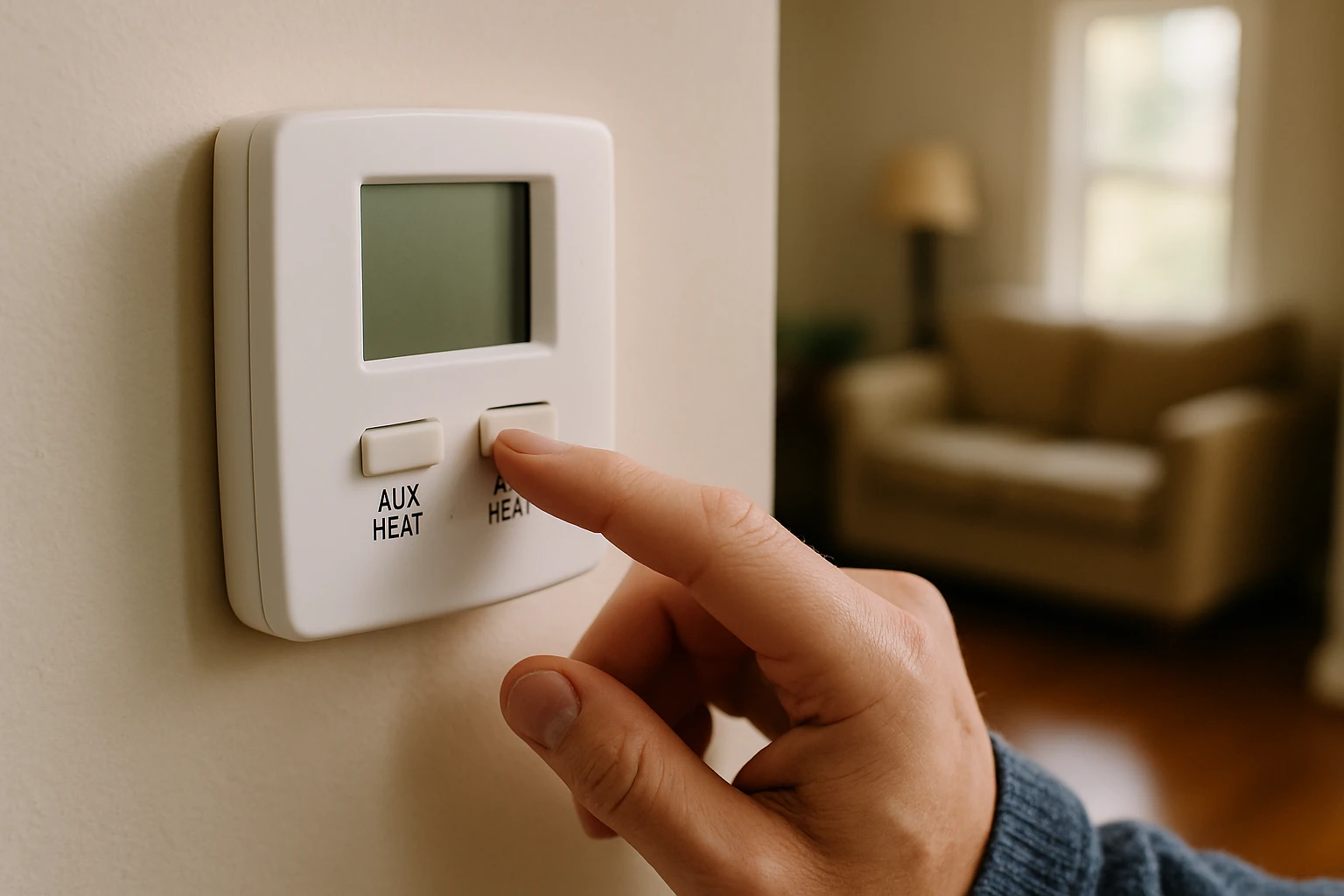
This sounds obvious, but it is the most common fix. Confirm the thermostat is set to cool and the fan is set to auto. If the fan is set to on, the system may blow room-temperature air between cooling cycles, which feels like it is not working.
Also check the setpoint. If the indoor temperature is only a degree or two above the setpoint, the system may be cycling normally.
Thermostat placement matters too. If it is in direct sun, near a kitchen, or near a supply vent, it can read warmer or cooler than the rest of the house. That can trick the system into short runs or long runs that do not match actual comfort.
Quick thermostat checks
- Replace the thermostat batteries if the display is dim.
- Confirm the schedule did not revert to a higher setpoint.
- Make sure it is not in heat or auto-changeover mode.
- Verify the correct system type is selected (heat pump vs conventional).
- Check that the indoor temperature reading matches a separate thermometer.
If the thermostat seems unresponsive or inaccurate, a loose wire or sensor issue can be the culprit. That is a good time to call for service rather than guessing.
Airflow problems you can fix today
AC cooling depends on airflow. If air cannot move across the indoor coil, the system will struggle and can even freeze. Start with the two easiest airflow fixes.
1) Replace or clean the air filter
A clogged filter restricts air, reduces cooling, and can cause the coil to ice over. If you cannot remember the last replacement, change it now.
2) Open supply vents and unblock returns
Closed vents and blocked returns starve the system. Walk the house and make sure vents are fully open and furniture is not covering returns. A return hidden behind a sofa can cut airflow dramatically.
If you have floor registers, check for rugs blocking them. If you have ceiling registers, check for damper levers that may be partially closed. Any restriction can reduce total airflow enough to cause poor cooling.
If airflow is still weak, the issue may be in the ducts or blower components. Seeduct leaks and airflow symptomsfor what to look for.
Some systems also have a filter at the air handler in addition to a return grille filter. If your airflow is still weak after changing the main filter, check whether a second filter exists and replace it.
Condensate drain and safety switch issues
Many systems have a safety switch that shuts off cooling if the drain line or pan backs up. This protects your ceiling or floors from water damage, but it can make the AC seem like it is running without cooling.
If you have an indoor air handler in an attic or closet, look for a full drain pan or water around the unit. Do not open electrical panels or remove covers, but you can check for obvious standing water.
A blocked drain line can often be cleared by a technician or during routine maintenance. If the system shuts off repeatedly, ask for a drain inspection along with a normal tune-up.
A quick cooling check at the vent
You do not need special tools to confirm whether the system is doing any cooling. Place your hand near a supply vent. The air should feel noticeably cooler than the room within a few minutes of the system running.
If you have a basic thermometer, compare the room air to the supply air. You are not looking for a precise number, just a clear drop. If there is little or no difference, the system is likely not moving heat properly.
A big drop at the vent but warm rooms often points to distribution problems, like duct leaks or blocked airflow. That is why airflow and duct checks matter before chasing refrigerant issues.
Frozen coils: what to do and why it happens
Ice on the indoor coil or the refrigerant line is a classic sign that the AC cannot absorb heat properly. The most common reason is low airflow, but low refrigerant can also cause freezing.
What to do safely
- Turn the thermostat to off or set it to fan only.
- Let the system thaw completely (this can take several hours).
- Replace the filter and open vents before turning cooling back on.
If it freezes again after you restore airflow, a technician should check refrigerant levels and blower performance.
Do not chip ice with tools or force the system to run while frozen. Thawing naturally is slower, but it avoids damage to the coil fins.
Outdoor unit problems
The outdoor unit is the heat dump. If it is not running correctly, the system cannot move heat outside and the indoor air stays warm.
Look for these signs
- The outdoor fan is not spinning.
- You hear a hum but no fan movement.
- The unit is packed with leaves, cottonwood, or grass clippings.
- The breaker trips after the unit tries to start.
You can clear debris around the unit and rinse the exterior fins with a gentle hose spray (never a pressure washer). If the fan will not run or the breaker keeps tripping, stop and call a professional. Electrical and capacitor issues are common but not safe DIY fixes.
Also avoid stacking items around the unit for shade. It needs open air on all sides to reject heat effectively.
Low refrigerant and leaks
Refrigerant does not get "used up." If levels are low, there is a leak. Low refrigerant reduces cooling and can cause the coil to freeze.
Clues that point to low refrigerant
- Persistent ice on the indoor coil or suction line
- Hissing sounds near the indoor unit or outdoor lines
- Long run times with little cooling effect
Only a licensed technician should handle refrigerant. They can locate the leak, repair it, and charge the system correctly.
Be cautious of quick "top-off" fixes. Adding refrigerant without fixing the leak only buys time and can leave the system underperforming again shortly after. A proper repair restores normal operation and protects the compressor.
Duct leaks and delivery issues
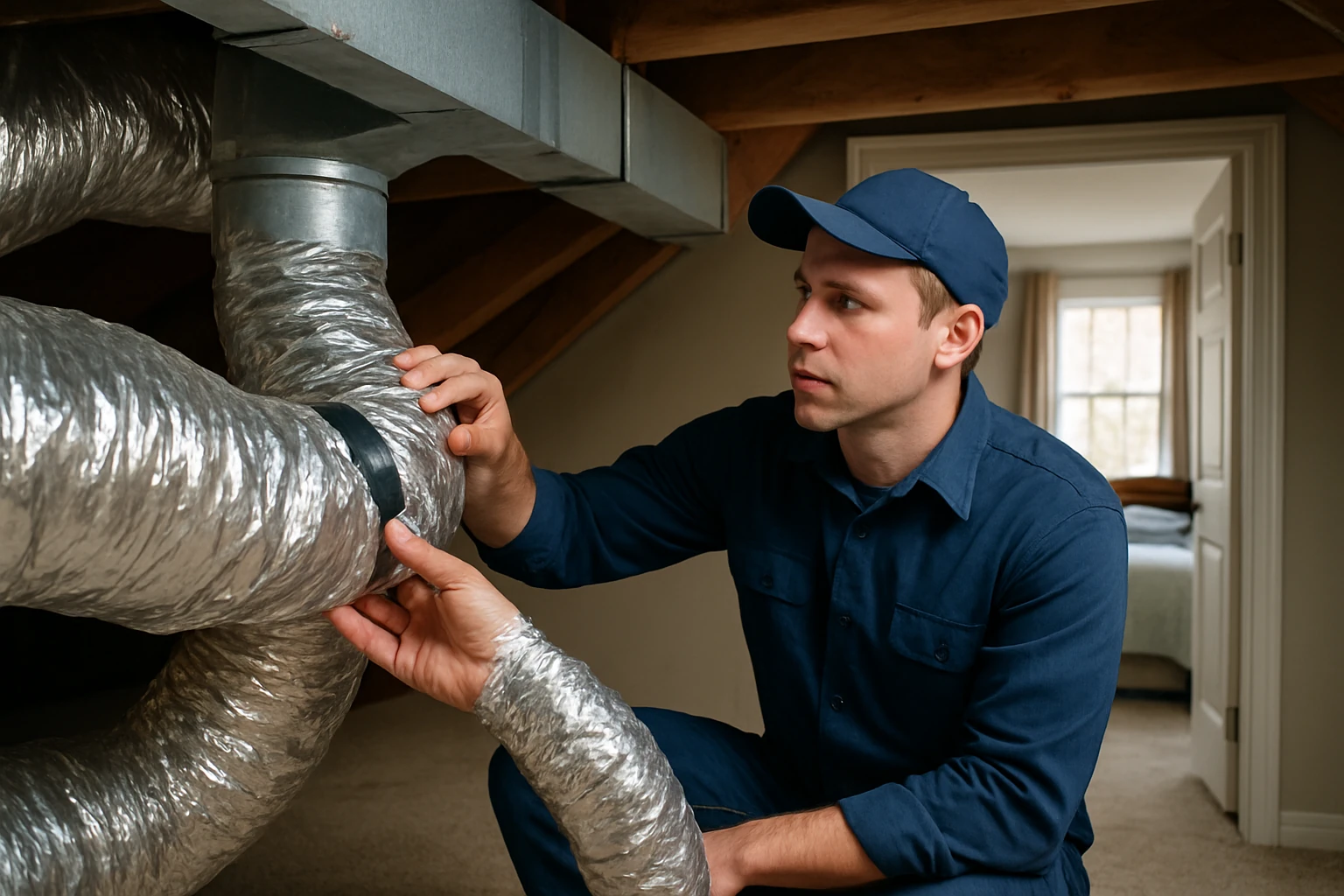
Sometimes the AC is cooling, but the cold air never reaches the rooms. Leaky ducts in attics or crawlspaces can dump conditioned air where you cannot feel it.
Common signs include hot rooms far from the air handler, weak airflow at several vents, and dust or insulation smells when the system runs.
The practical checklist is induct leaks and HVAC runtime symptoms.
Heat gain and humidity traps
Sometimes the AC is working, but the house is gaining heat faster than the system can remove it. This is common during heat waves, in homes with large west-facing windows, or when humidity is high.
Humidity makes a home feel warmer even at the same temperature. If the system is short cycling or oversized, it may not run long enough to remove moisture. That can make the space feel sticky and undercooled even when the thermostat reads close to target.
Quick heat-gain reducers
- Close blinds on sunny windows during the hottest hours.
- Run exhaust fans when cooking or showering.
- Seal obvious gaps around doors and attic hatches.
- Avoid running the oven or dryer during peak heat.
If your summer bills also jump, seewhy electricity bills rise in summerto separate usage from rate changes.
System size or aging equipment
If the system runs all day and never reaches the setpoint, it may be undersized for the home or struggling due to age. That does not always mean you need a full replacement, but it is worth having the system evaluated.
Oversized systems can be a problem too. They cool quickly but remove less humidity, leaving the house clammy and uncomfortable even when the temperature looks right.
The equipment options and efficiency basics are explained insingle-stage vs two-stage vs variable-speed HVACand HVAC efficiency ratings.
If your home has large additions, finished attics, or a converted garage, the original system may not be sized for the new load. A professional load calculation can confirm whether the system still matches the house.
When to call a professional
If basic checks do not restore cooling, it is time for service. The following symptoms point to electrical, refrigerant, or mechanical issues that should not be handled without training.
- The outdoor unit fan is not spinning.
- Breakers or fuses keep tripping.
- Warm air is blowing after you confirmed thermostat settings.
- Ice returns quickly after a full thaw.
- Burning smells, buzzing sounds, or visible sparking.
- Water around the indoor unit that keeps returning.
A technician can measure refrigerant pressure, check capacitors, test the blower motor, and verify airflow. Those steps protect the system and avoid bigger damage.
If you are hearing rapid on-off cycling, that also deserves a service call. Short cycling can be caused by oversized equipment, airflow issues, or control problems that reduce comfort and efficiency.
Prevent the next no-cool day
Most no-cool problems are preventable with simple habits that protect airflow and heat transfer.
- Replace filters on a regular schedule.
- Keep two feet of clearance around the outdoor unit.
- Rinse outdoor coils gently during heavy pollen or cottonwood season.
- Do not close too many vents; balance airflow instead.
- Schedule a seasonal tune-up if the system is older.
During peak summer, help the system by reducing indoor heat sources. Simple changes like using the microwave instead of the oven or washing clothes in cooler hours can make the system feel more effective.
If your home needs room-by-room control, consider whether a ductless system is a fit. This comparison helps:ductless mini-split vs central air.
If the bill spiked too
A no-cool problem often comes with a higher bill because the system runs longer to reach the same comfort level. Before you assume a rate change, check your usage per day and compare similar weather periods.
- Compare kWh per day, not just the total kWh.
- Look for a longer billing cycle.
- Compare similar hot weeks, not a hot week to a mild week.
If you are on a time-of-use plan, higher usage during late afternoon or early evening can cost more even when total kWh is similar. That is another reason to look at timing, not just total usage.
If the bill still seems off, your utility portal or smart meter data can show daily usage spikes that line up with the cooling issue.
FAQs
Quick answers to common no-cool questions.
Frequently asked questions
The most common causes are restricted airflow (dirty filter or blocked vents), a frozen indoor coil, or an outdoor unit that is not rejecting heat. Start with airflow checks before assuming a refrigerant problem.