The quick answer
If you already have solid ductwork and want whole-home cooling with one simple system, central air is often the most straightforward choice. If you do not have ducts, your ducts are leaky or undersized, or you want room-by-room control, a ductless mini-split is often the better fit.
The decision is less about brand and more about your home layout, duct condition, and how many zones you actually want to control.
For the broader HVAC foundation, start with Heating & Cooling Explained.
Table of contents
- What each system really is
- Upfront cost: what drives the quote
- Operating cost: what drives the bill
- Ductwork: the deal breaker in many homes
- Comfort and temperature balance
- Humidity control in real homes
- Zoning and control: where mini-splits win
- Noise and aesthetics
- Maintenance and service
- Decision checklist
- FAQs
What each system really is
Central air (ducted)
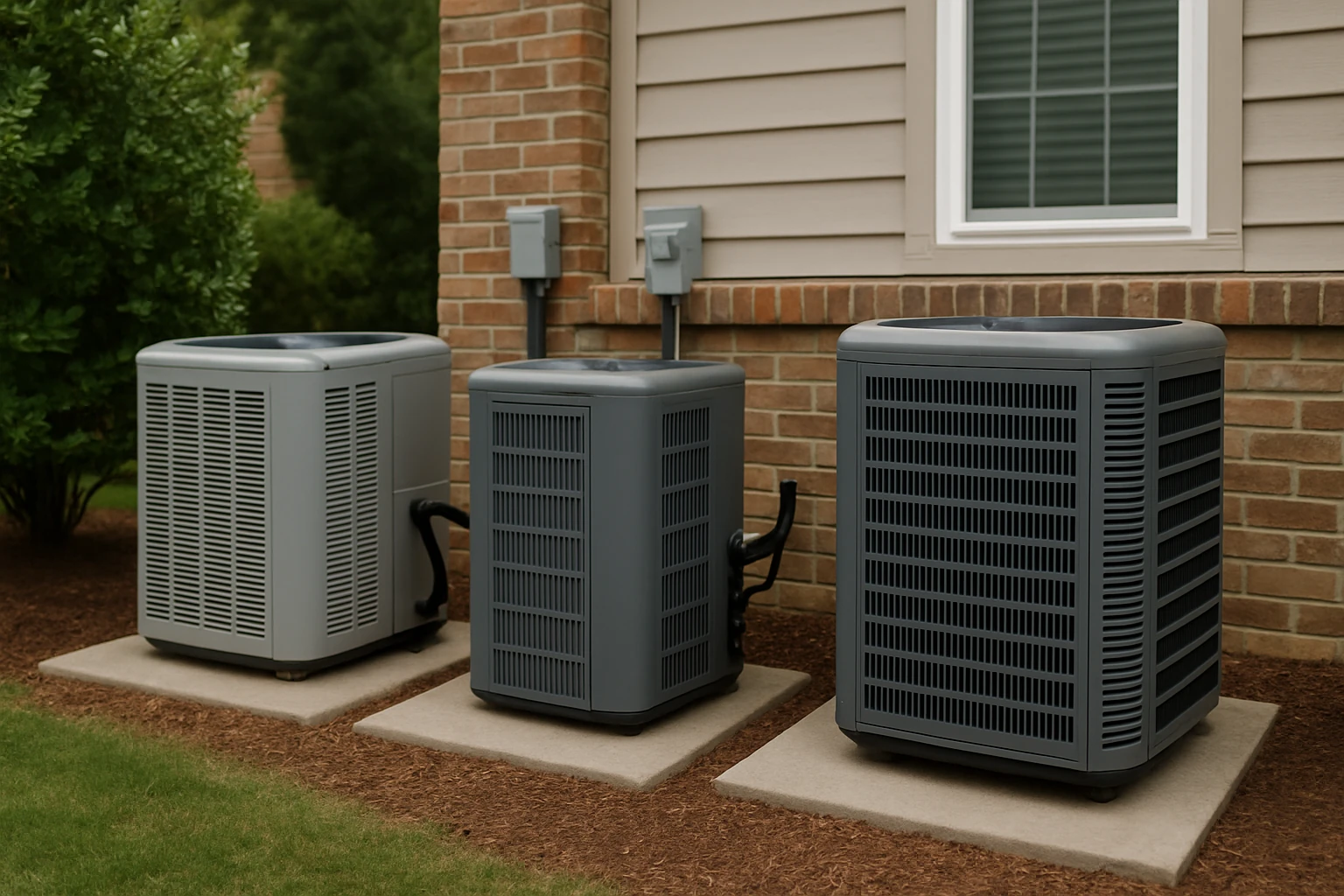
Central air uses an outdoor condenser and an indoor coil that works with a furnace or air handler. Cooled air is pushed through a network of ducts to supply vents throughout the home. One thermostat typically controls the whole system.
Ductless mini-split
A ductless mini-split uses an outdoor unit and one or more indoor heads. Refrigerant lines move heat between indoor and outdoor units, so there are no large air ducts. Most mini-splits are heat pumps, which means they provide both heating and cooling.
Mini-splits are often described as a single-room solution, but multi-zone systems can serve several rooms or zones when designed correctly.
Upfront cost: what drives the quote
The price difference between central air and mini-splits is mostly driven by the amount of equipment, the complexity of the install, and the condition of the home.
Central air cost drivers
- Equipment size and efficiency level (SEER2 rating)
- Condition of existing ducts or the need for new ducts
- Compatibility with a furnace or air handler
- Electrical work, permits, and refrigerant labor
Mini-split cost drivers
- Number of indoor heads (each head adds labor and materials)
- Line-set routing difficulty and wall penetrations
- Electrical upgrades and outdoor disconnects
- Cold-climate capability and brand availability
A single-zone mini-split for a problem room can be a very cost-effective solution. A multi-zone system with several heads can cost as much as, or more than, central air in a home with good ducts.
Operating cost: what drives the bill
Your monthly cost depends on runtime, efficiency, and local energy rates. The same system can cost very different amounts to run in different regions.
Mini-splits often save because of efficiency and zoning
Many mini-splits use inverter compressors that ramp output smoothly. They also avoid duct losses and allow you to condition only the rooms you are using. Those three factors can reduce runtime and energy use.
Central air can be efficient too
A well-sized central system with tight ducts can be efficient and comfortable. If you already have a good duct system, the energy loss may be minimal and the simplicity can be a real advantage.
If you want to understand how electricity is billed, see Electricity Explained and what a kilowatt-hour means.
Ductwork: the deal breaker in many homes
Duct condition often decides the winner. If your ducts are leaky, undersized, or poorly balanced, central air can struggle to deliver comfort efficiently.
If the system runs all day and some rooms never feel right, duct losses are a common culprit. This guide explains the signs: duct leaks symptoms.
When duct problems are severe, a mini-split can bypass the issue entirely.
Comfort and temperature balance
Comfort is not just temperature. It is stability, air movement, and how different rooms feel relative to each other.
Central air strengths
- Even distribution in homes with well-designed ducts
- One thermostat and fewer visible indoor components
- Great fit for open floor plans where air mixes naturally
Mini-split strengths
- Room-by-room control for bedrooms, offices, or additions
- Efficient heating and cooling from one system
- Steadier temperatures with inverter-based equipment
Humidity control in real homes
Humidity control depends on runtime. Systems that run longer at lower output tend to remove more moisture from the air.
Many inverter mini-splits do well here, but some modern central systems with variable-speed blowers can also manage humidity effectively.
If your summer bill spikes or the home feels clammy, this guide helps you separate usage from rate changes:why electricity bills spike in summer.
Zoning and control: where mini-splits win
Mini-splits are naturally zoned because each head can be controlled separately. This is a major advantage in homes where people prefer different temperatures or rooms are used on different schedules.
Zoning only helps if you actually use it. If doors are always open and every room is kept at the same temperature, the savings from zoning are smaller.
Noise and aesthetics
Central air keeps most indoor components hidden. Mini-splits have visible indoor heads unless you use ceiling cassettes or slim ducted units.
Noise varies by brand and install quality. In general, inverter mini-splits run quietly at low speeds, but airflow sound is noticeable near the head. Central air noise is more about duct airflow and the air handler location.
Maintenance and service
Both systems need coil cleaning and periodic service. Filters are different: central air usually has one main filter, while mini-splits have washable filters in each indoor head.
Service availability matters. In some areas, central air technicians are plentiful, while mini-split service may be more brand-specific.
Decision checklist
Central air is usually the better fit if:
- You already have solid ducts in good condition
- You want a single, whole-home system
- You prefer minimal visible indoor equipment
Mini-splits are usually the better fit if:
- You do not have ducts or they are in poor shape
- You want room-by-room control or to solve a hot/cold zone
- You want efficient heating and cooling in one system
If you are also deciding between equipment tiers, the next read issingle-stage vs two-stage vs variable-speed HVAC.
FAQs
Quick answers to common ductless vs central questions.
Frequently asked questions
No. A single-zone mini-split for one area can be cost-effective, but multi-zone systems with many heads can cost as much as or more than central air in a home with good ducts.