The summer gas bill surprise
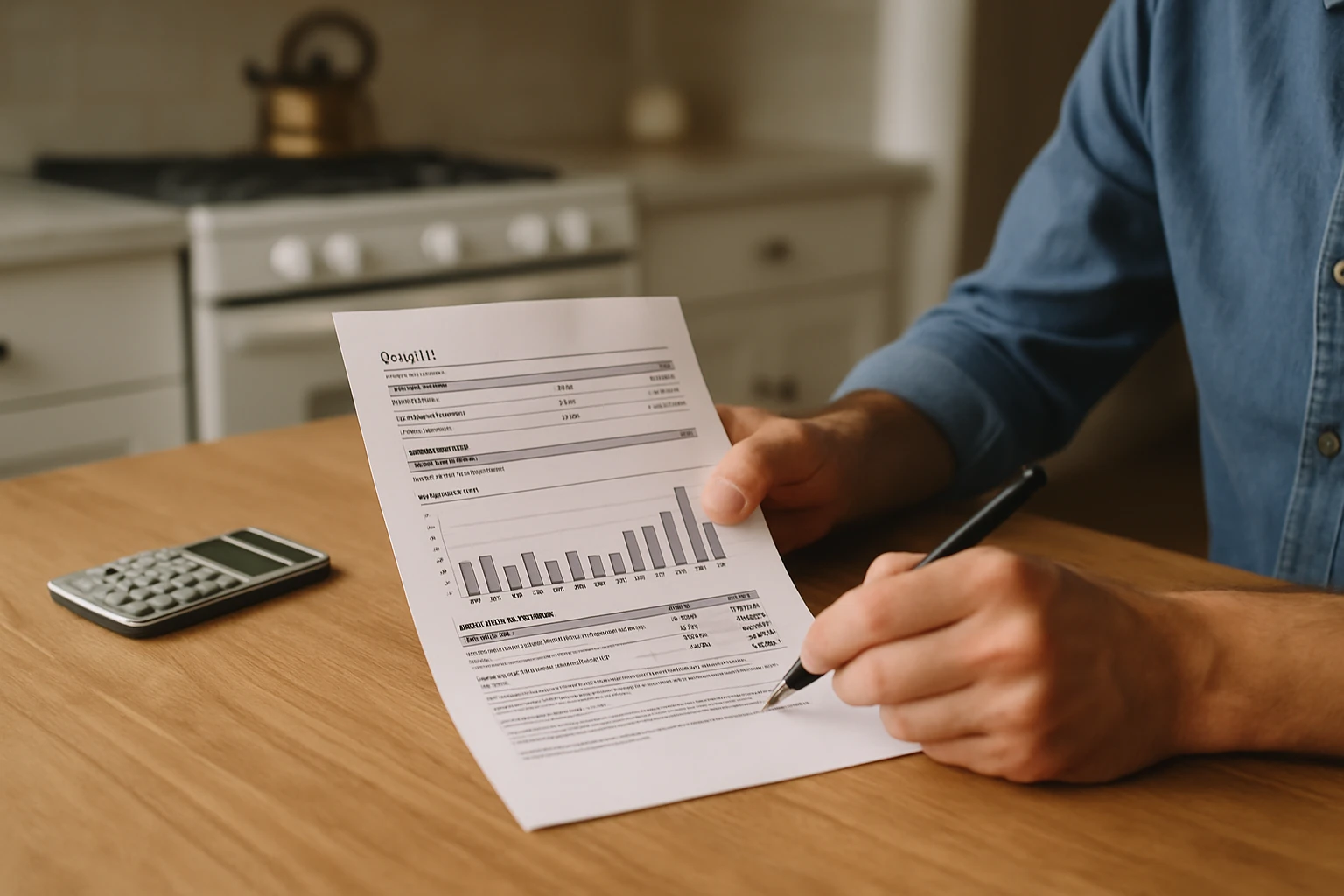
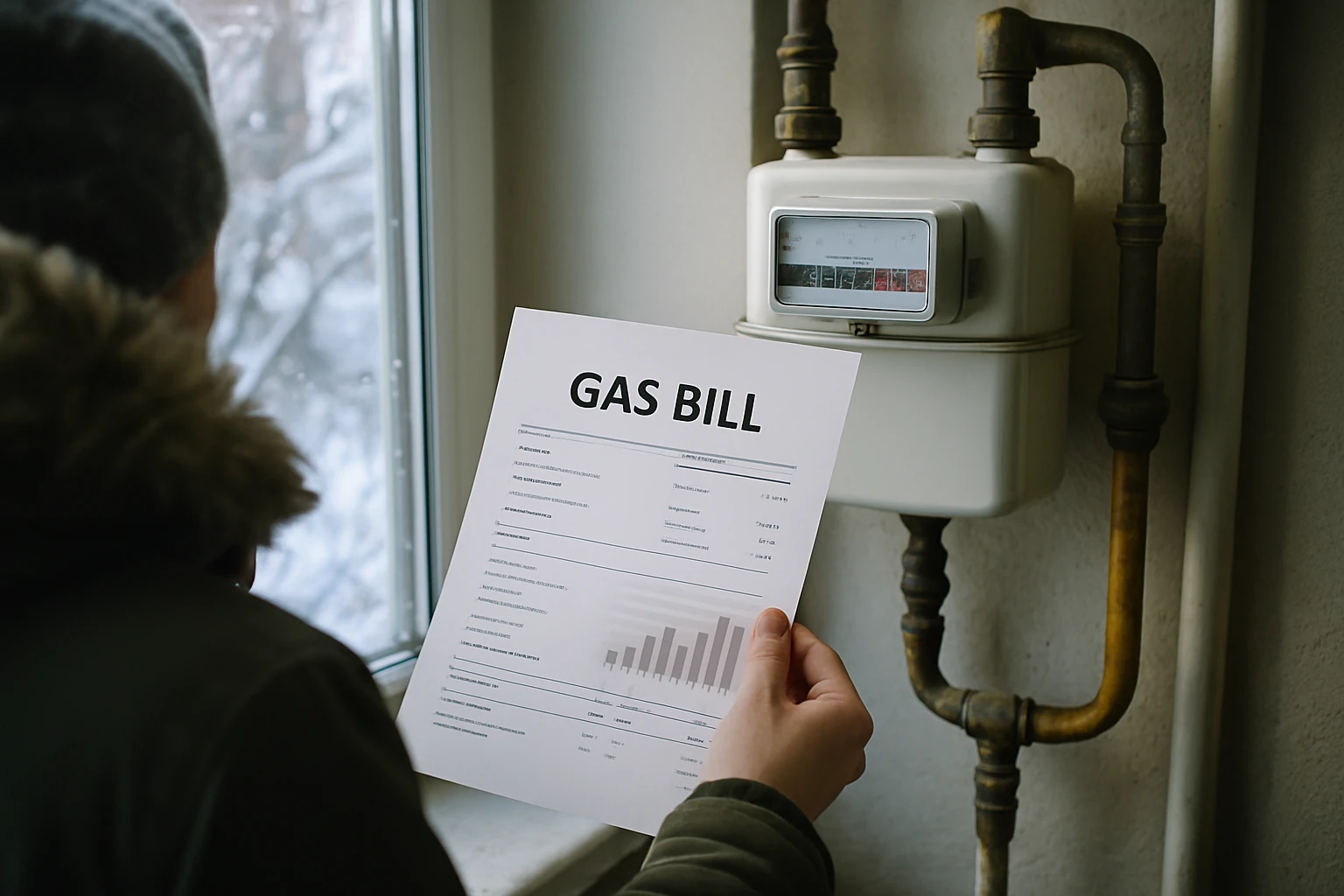
When the furnace is off, a high gas bill feels wrong. But summer gas bills can stay higher than expected for reasons that have nothing to do with heating.
This guide separates summer usage from fixed charges, so you can see why the total is what it is. If you want the full bill basics first, start with how to read your gas bill.
Table of contents
The short answer
Summer gas bills stay higher because of fixed customer charges and steady gas uses like water heating, cooking, and drying. A longer billing cycle or an estimated read can also push the total up even when usage feels stable.
Fixed charges that do not go away
Most gas bills include a customer or basic service charge. It applies every month, even if you use very little gas.
If you want to see how that line works, read gas customer charge explained. That charge alone can make a summer bill look higher than expected.
Water heating is the biggest summer load
In summer, your gas water heater is usually the largest gas user. Hot water runs year-round: showers, laundry, dishes. If more people are home or doing more laundry, usage rises quickly.
If you want the full overview of where gas goes in a home, see Natural Gas Explained.
Appliances that still use gas
Even with the furnace off, other gas appliances can keep usage steady:
- Gas dryers (especially with frequent laundry)
- Gas ranges and ovens (more cooking at home)
- Pool or spa heaters
- Outdoor kitchens or grills connected to gas lines
If one of these runs more often in summer, your therms can look higher even without heating.
Standing pilot lights and small leaks
Older appliances may use standing pilot lights that burn gas continuously. The draw is small, but it is constant.
If you ever smell gas, treat it seriously and contact your utility. A faint smell is not normal and should be checked.
Billing days and estimated reads
A longer billing cycle can make the total look higher even if daily usage is unchanged. Always check the number of days on the bill.
Estimated reads can also shift usage between months. If the bill says "estimated," the next bill may include a correction.
Compare therms per day
The easiest way to compare summer bills is therms per day. Divide total therms by billing days. That tells you whether usage actually changed.
If you want to verify your own usage, you can read the meter directly: how to read a gas meter.
Common misconceptions
- "Summer gas bills should be near zero." Fixed charges and water heating keep a baseline cost.
- "If therms are low, the total should be tiny." Fixed charges and delivery fees still apply.
- "Only heating uses gas." Water heating and dryers often use more gas than people expect.
Frequently asked questions
Fixed charges and steady gas uses like water heating, cooking, and drying keep the bill from dropping to zero.