The short answer
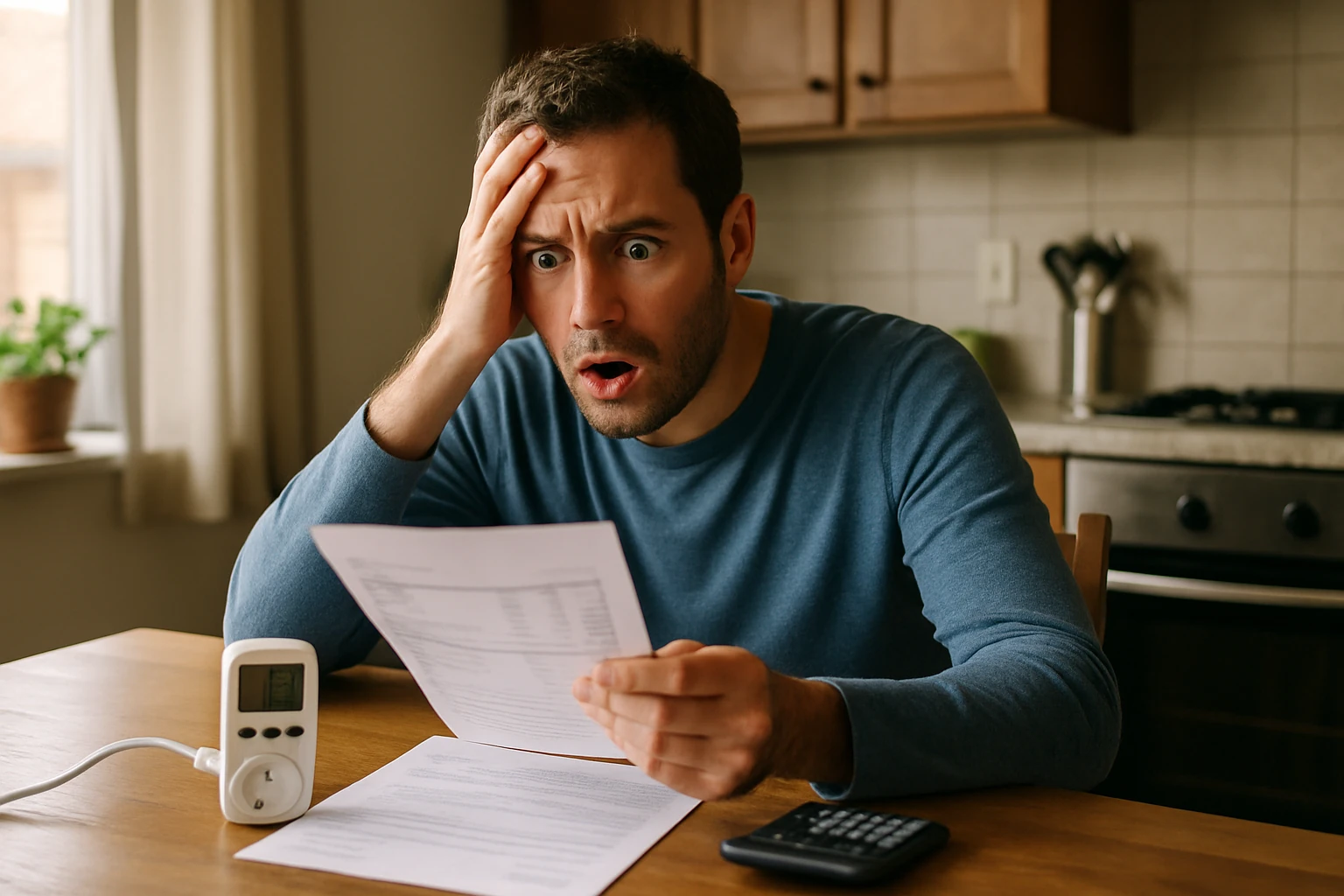
A sudden spike in electricity bill with no perceived increase in usage is typically caused by meter errors, malfunctioning appliances, rate changes, or billing issues. The most common culprits are a faulty water heater, a malfunctioning HVAC system, or an estimated bill that was previously undercharging. Start by comparing your actual kWh usage to previous months—if the usage really did spike, the problem is in your home; if usage is similar but the cost jumped, the issue is likely rate-related.
Check your actual usage first
Before assuming your bill is wrong, verify the numbers. Look at the kWh usage on your current bill and compare it to the same month last year and the previous month. If usage is significantly higher, something in your home is consuming more electricity.
If you have a smart meter, log into your utility's portal to see daily or hourly usage data. This can pinpoint exactly when consumption increased. A sudden spike on a specific day suggests an appliance malfunction, while a gradual increase points to seasonal changes or a slow leak (like a water heater losing efficiency).
Common causes of usage spikes
When usage genuinely increases without lifestyle changes, these are the most likely culprits:
- Water heater problems: A failing heating element or sediment buildup can cause the heater to run continuously.
- HVAC issues: Low refrigerant, dirty coils, or a failing compressor reduce efficiency dramatically.
- Pool equipment: Pool pumps running longer than programmed or stuck on high speed.
- Space heaters: Often overlooked, these can add $50-100+ per month if used regularly.
- Electric vehicle charging: If someone started charging an EV at home, expect 30-50 kWh per 100 miles of range.
- Well pump issues: A running toilet or leak can cause a well pump to cycle continuously.
Rate and billing issues
If your kWh usage is similar to previous months but your bill is higher, the issue is likely rate-related:
- Rate increase: Utilities can raise rates with regulatory approval. Check your bill for notices.
- Tier changes: If you crossed into a higher usage tier, your per-kWh rate increased.
- Time-of-use shift: More usage during peak hours means higher charges.
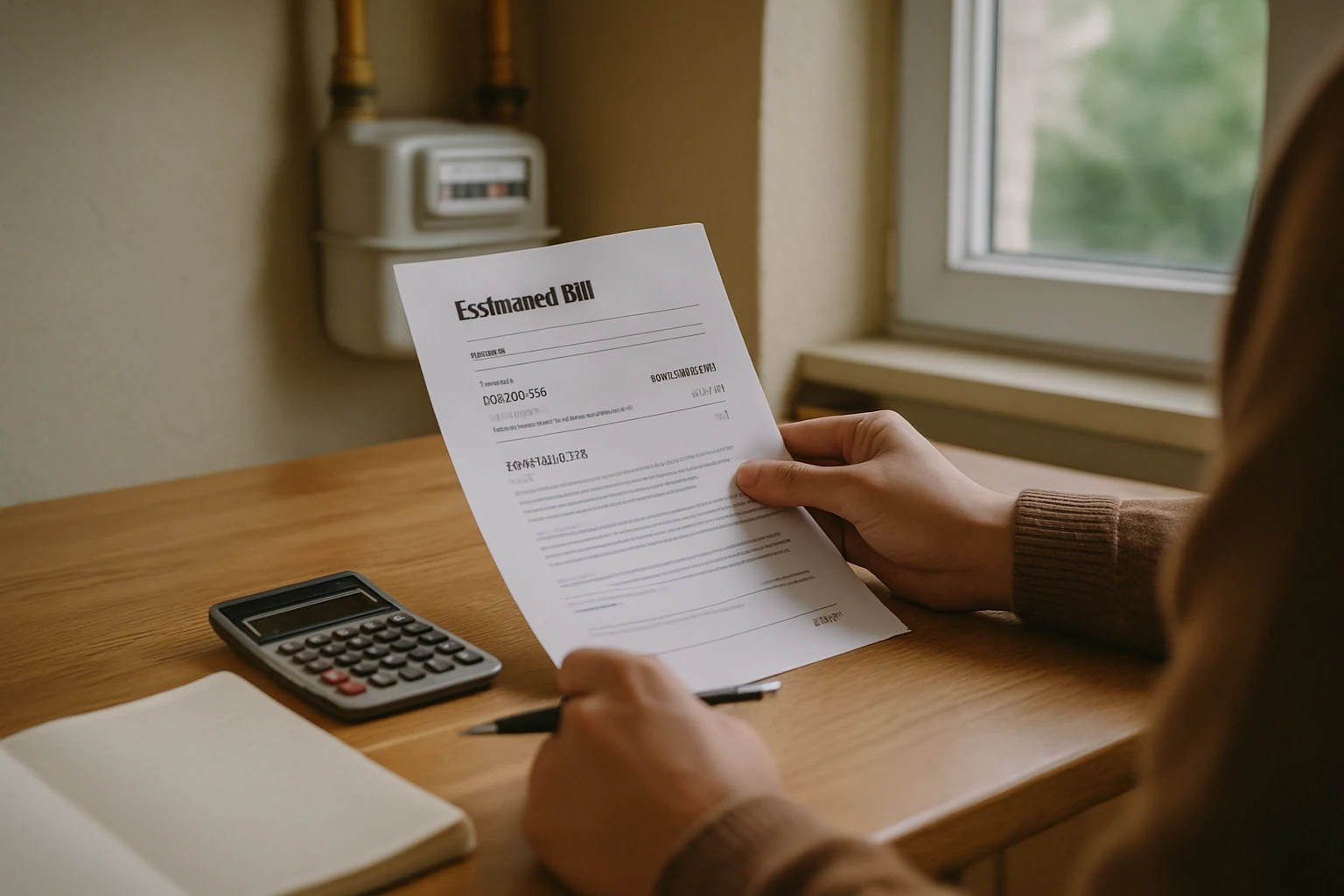
- Estimated billing: Previous bills may have been underestimated, and the current bill is "catching up."
- Seasonal adjustments: Some utilities have summer/winter rate differentials.
Meter accuracy problems
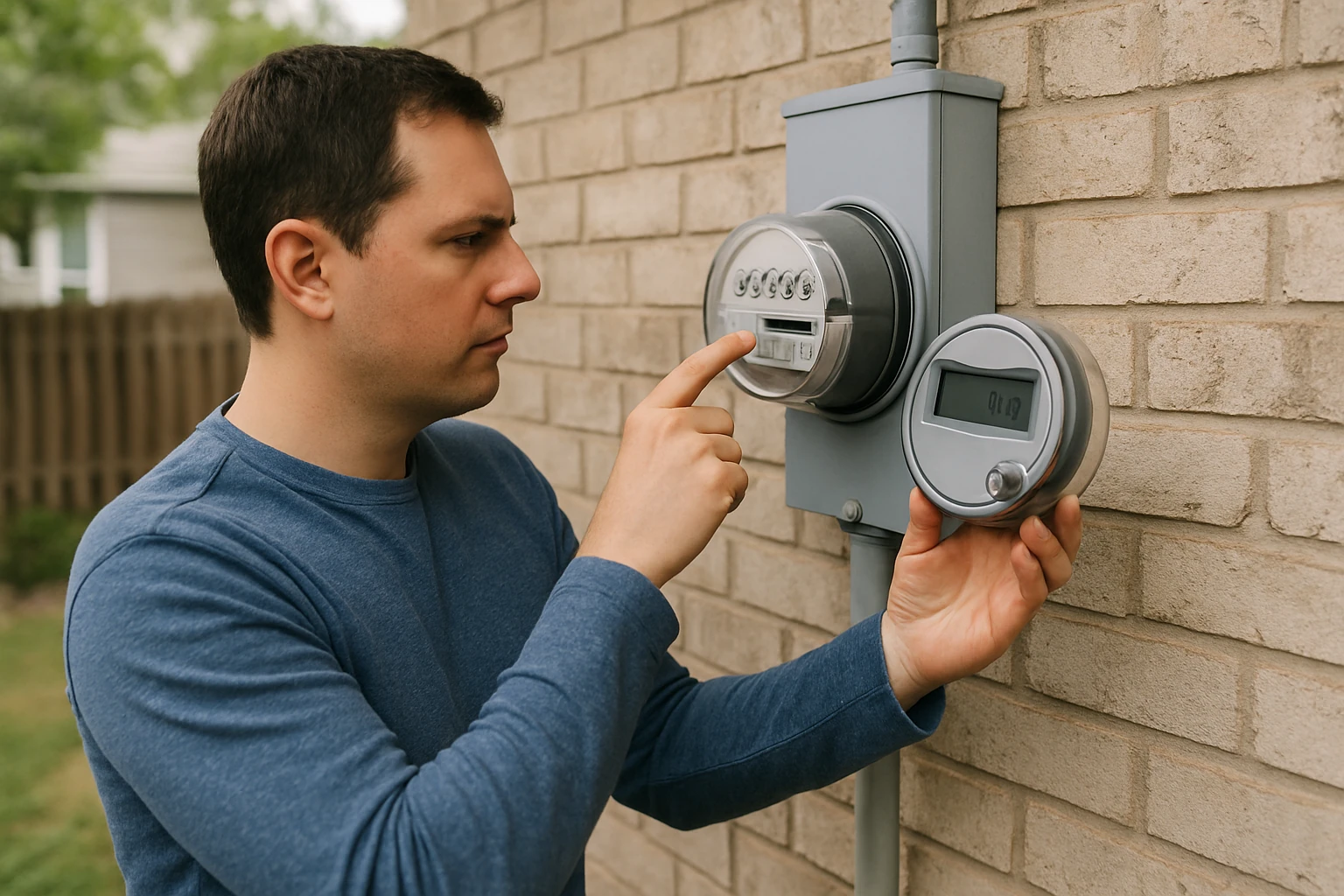
While modern digital meters are generally accurate, they can malfunction. Signs of a meter problem include:
- Usage that does not match your actual consumption patterns.
- Readings that continue when your main breaker is off.
- Sudden dramatic changes with no corresponding lifestyle changes.
If you suspect a meter error, contact your utility. They can test the meter, though you may be charged if the meter is found to be accurate. Some utilities allow you to request a meter replacement even if the test is inconclusive.
Next steps to resolve the spike
Follow this sequence to identify and resolve the issue:
- Compare usage: Check kWh on current vs. previous bills.
- Review rate changes: Look for per-kWh rate differences on your bill.
- Check smart meter data: Use your utility's app to see when usage spiked.
- Inspect appliances: Feel for heat around water heater, listen for running HVAC.
- Turn off breakers: If usage continues with main off, the meter may be faulty.
- Contact utility: Request a billing review and meter test if needed.
Document everything—take photos of your meter, save previous bills, and note when you noticed changes. This documentation helps if you need to dispute a charge or request an investigation.
Frequently asked questions
Yes, though it is rare. Meters can run fast (overcharging) or slow (undercharging). If you suspect a meter error, request a test from your utility. Be aware that you may be charged for the test if the meter is accurate.