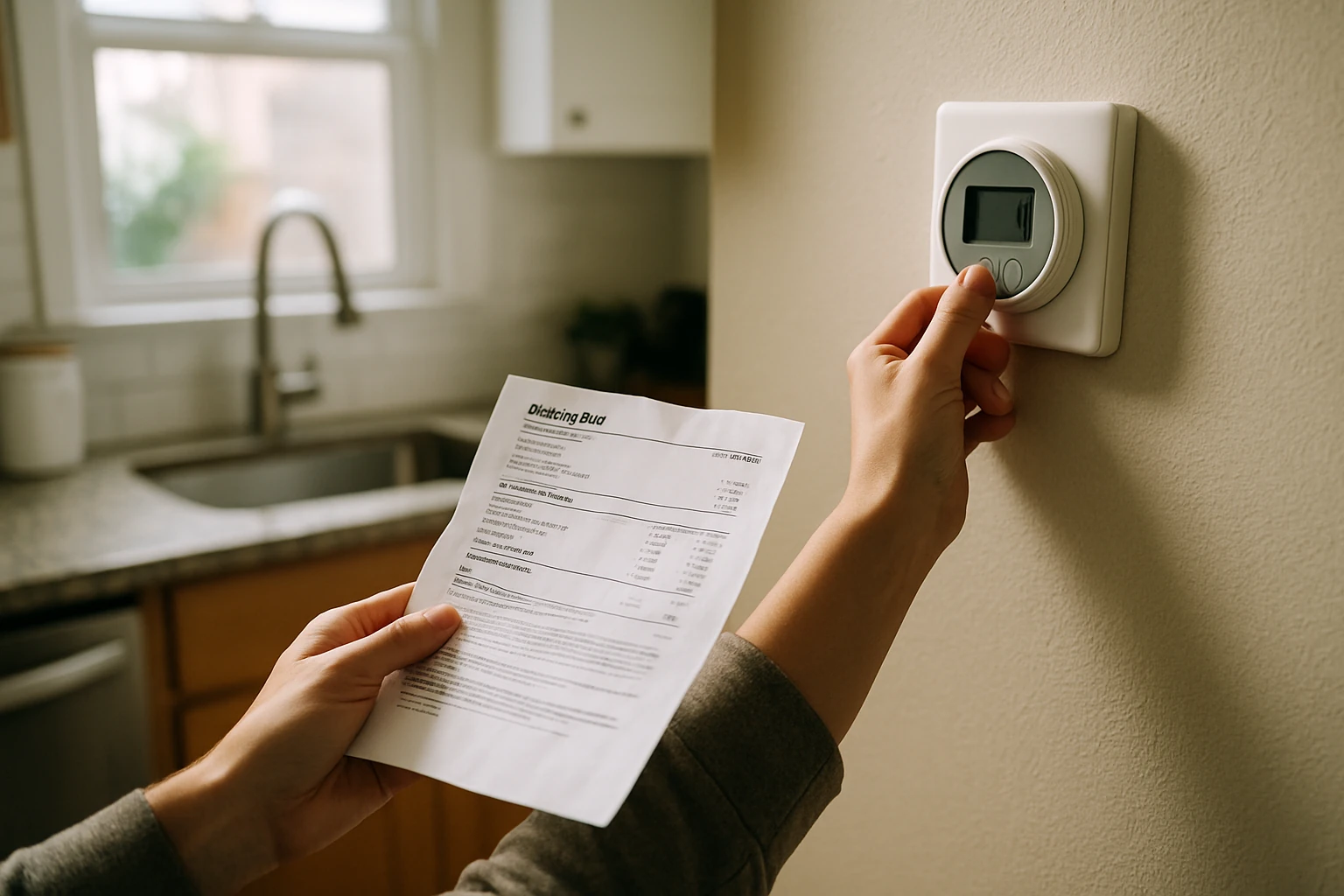
The basic difference
A fixed-rate plan locks in the price per kWh for a set term, often 6 to 24 months. A variable-rate plan changes each month based on market conditions. Both plans have the same delivery charges, but the energy price can vary.
Fixed rates offer price stability, while variable rates can be cheaper during low-demand months. The best option depends on your risk tolerance and how long you plan to stay in the home.
If you want simple budgeting, fixed rates are often easier. If you are comfortable monitoring monthly prices, variable can work well.
The plan type does not change how electricity is delivered; it only changes how the energy portion is priced.
Pros and cons at a glance
| Plan type | Pros | Cons |
|---|---|---|
| Fixed rate | Stable price, easier budgeting | Early termination fees, may be higher in mild seasons |
| Variable rate | Flexible, can be cheaper in low-demand months | Price spikes during extreme weather |
Who should consider a fixed rate
Fixed rates are a good fit if you want predictable bills or if you live in an area with volatile prices. They can also help if you are on a tight monthly budget and prefer consistency.
If you are likely to move before the contract ends, check for early termination fees. Some providers waive the fee if you move outside the service area.
Who should consider a variable rate
Variable rates can work if you are comfortable with monthly changes and you track the market. They may be appealing in spring and fall when demand is lower.
However, variable rates can surge during heat waves or cold snaps. Review historical price ranges to understand possible spikes.
Read the plan documents carefully
Plan documents list important details such as early termination fees, minimum usage charges, and whether the rate is promotional. Some plans start with a low introductory rate that increases after a few months.
Look for any fees tied to low usage or paper billing. These can add unexpected costs that are not obvious in the advertised rate.
Electricity Facts Label or plan summary
Some states require an Electricity Facts Label (EFL) or a plan summary that lists the key terms in plain language. This document shows the average price per kWh at different usage levels and highlights fees that affect small households.
Read the EFL carefully if you expect low usage. A plan that looks cheap at 1,000 kWh can be expensive at 500 kWh if it includes a minimum usage fee.
Timing the market without overthinking
Rates often rise during extreme weather seasons. If you are shopping for a fixed rate, looking in mild seasons like spring or fall can sometimes yield better prices. That said, rates can change quickly, so focus on a plan that fits your budget rather than chasing the lowest possible rate.
If you are on a variable plan, pay attention to monthly rate notices. If you see a sharp increase, it may be a good time to compare fixed options.
For renters with short leases, a month-to-month variable plan may be more practical than a long fixed contract, even if the rate is a bit higher.
Credit checks and deposits
Some providers require a credit check or deposit for new accounts. Deposits vary and are sometimes refunded after a period of on-time payments. If a deposit is required, ask about waiver options or payment plans.
If you are a renter moving frequently, a plan with minimal fees can be more valuable than a slightly lower rate that comes with penalties.
How to switch plans smoothly
Start by confirming your current contract end date and any termination fee. Then compare offers side by side, including rate, term length, and fees. Most providers handle the switch without service interruption.
Keep a record of the new plan confirmation and the start date. This makes it easier to verify the first bill under the new rate.
Watch for renewals and rollover rates
Many fixed-rate plans automatically roll over to a variable rate at the end of the term. That rollover rate can be higher than your original fixed rate. Set a reminder a month before the term ends so you can compare options.
If you prefer stability, you can often lock in a new fixed plan before the current one ends. This avoids surprise rate increases.
Rates can change with usage levels
Some plans advertise an average rate based on a specific monthly usage level, like 1,000 kWh. If your household uses much less or much more, the real rate can be higher due to base fees or tiered pricing.
Before choosing a plan, estimate your monthly usage based on your past bills or the size of your home. This helps you compare plans fairly using your actual usage profile.
If you do not have past bills, ask the property manager for average usage or start with a conservative estimate and adjust after your first two bills.
Renewable and green energy options
Some providers offer renewable or green energy plans that match your usage with renewable generation. These plans can cost more or less depending on the market, so compare them the same way you would a standard plan.
If you choose a green plan, confirm whether the rate is fixed or variable and review any additional fees. The plan type still matters for budgeting.
How to compare plans fairly
- Compare the energy rate per kWh, not just the average bill.
- Review contract length and early termination fees.
- Check if there are base charges or minimum usage fees.
- Look at historical variable rate ranges if available.
- Consider your move timeline.
If you are unsure, a shorter fixed term can provide stability without locking you in for too long.
For seasonal context, review our guide onsummer electricity costs.
Frequently asked questions
Most providers announce the new rate each billing cycle. Check your plan documents for how rate changes are communicated.