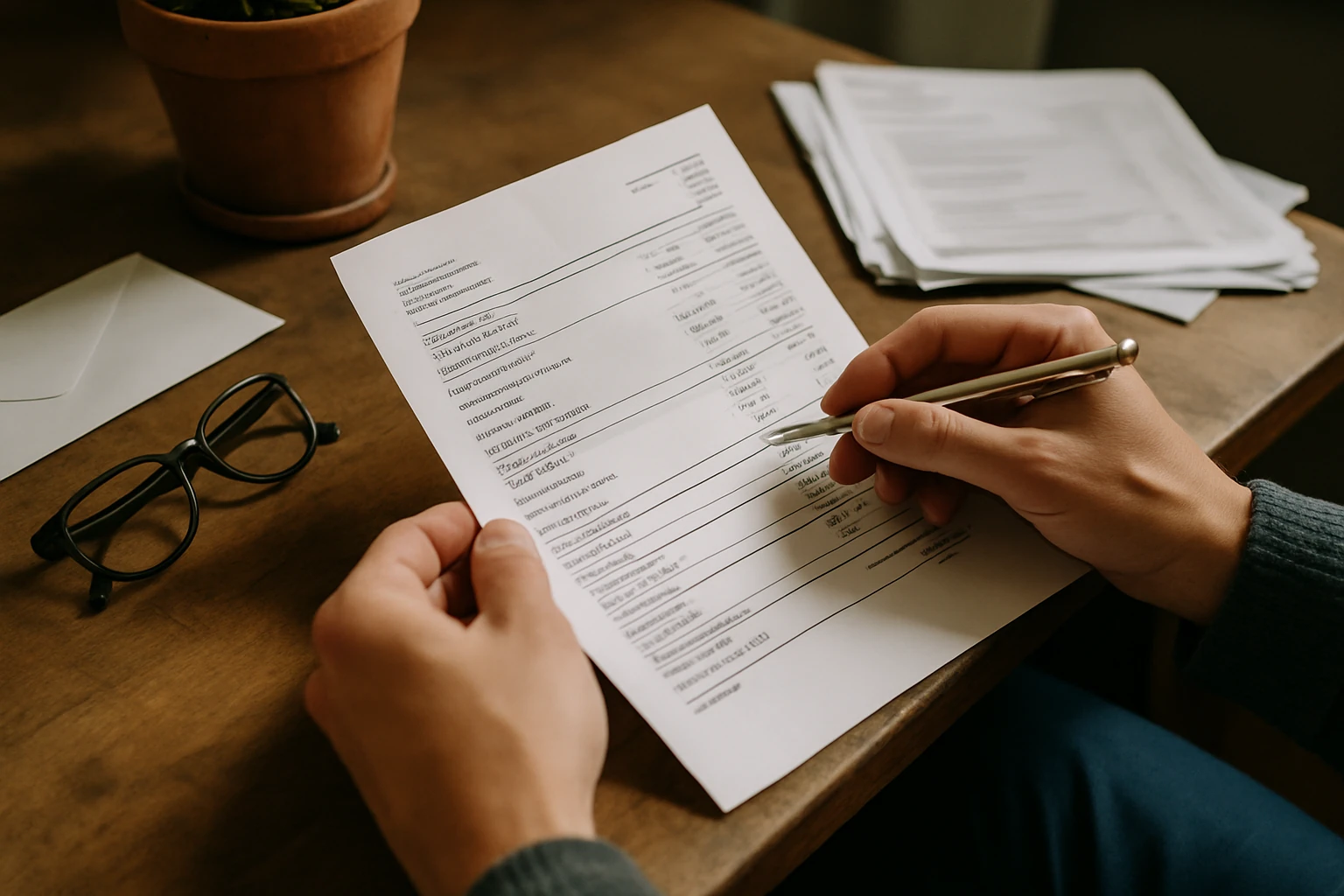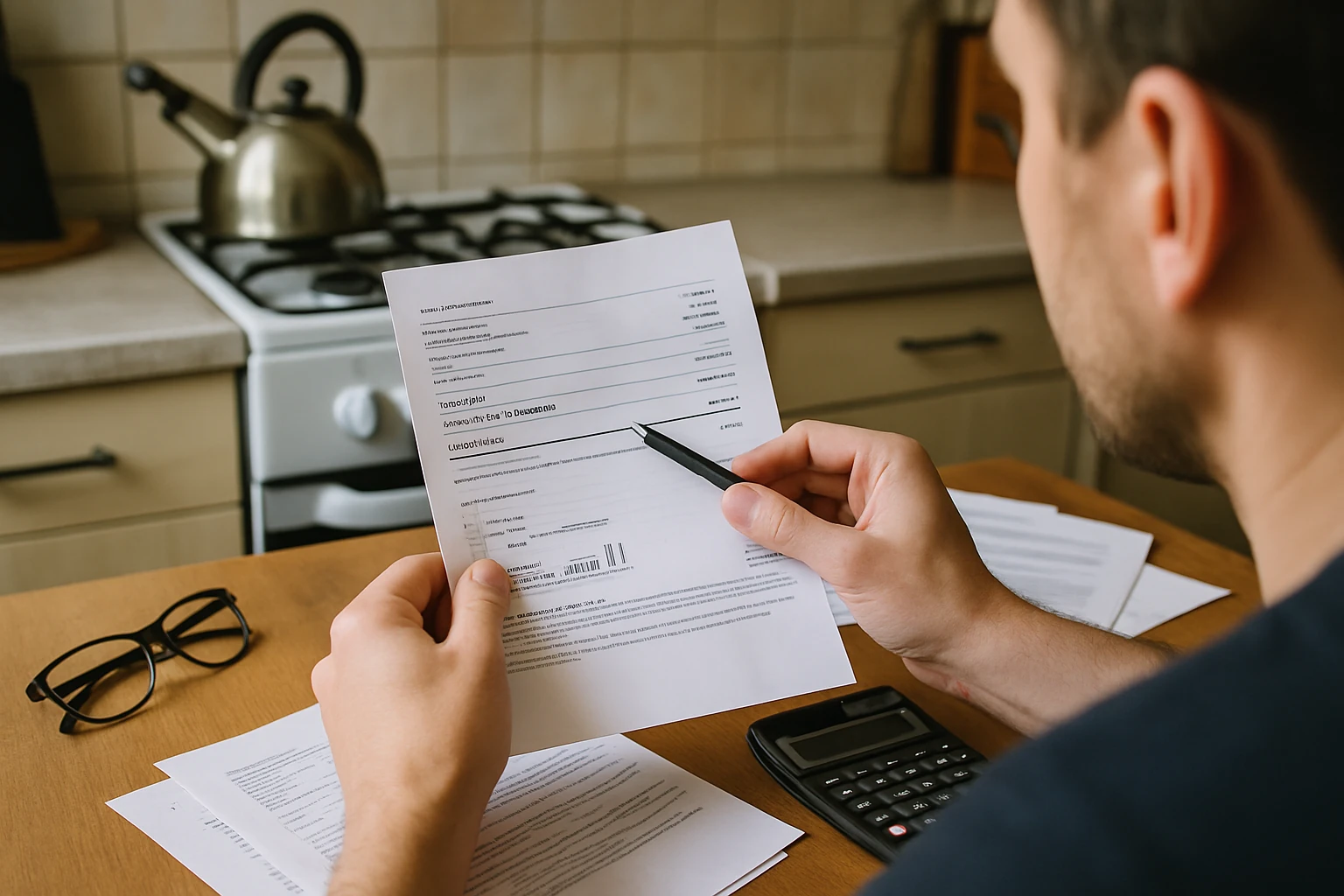
The problem: the bill has charges that are not about usage
If you see lines like "franchise fee" or "utility tax" and think, "I did not even use more energy," you are picking up on a real pattern. Some bill lines are not tied to usage at all.
These charges are often local fees, taxes, or program costs that sit outside the core supply and delivery lines. They can be small, but they add noise to the total.
For the overall bill map, start with Utility Bills & Costs Explained.
Table of contents
The short answer
Utility bill taxes and fees are extra charges collected for local or regulatory purposes. They are often calculated as a percentage of other charges or as a fixed amount.
They usually change due to local rules, not because of your personal usage. That is why they can move even when usage stays steady.
The most common taxes and fees you will see
The names vary, but the categories are fairly consistent.
State and local taxes
These can be labeled as sales tax, utility tax, or gross receipts tax. The percentage varies by location.
Franchise fees and right-of-way costs
Cities often charge utilities for the right to use public streets and easements. That cost may appear as a franchise fee.
Regulatory or public-purpose fees
These can fund energy programs, low-income assistance, or grid upgrades.
If your bill includes riders or surcharges, that is a related category: surcharges and riders explained.
Where they show up on the bill
Taxes and fees usually appear near the end of the bill or in a section labeled "Other Charges" or "Taxes and Fees."
If your bill separates supply and delivery, these lines often appear after both. That makes them feel tacked on, which is why they are easy to overlook.
Why they change over time
These charges can change when local rules change or when the base amounts they are calculated from change.
- Percentage-based fees: higher totals mean higher fees.
- Local policy updates: cities can adjust franchise rates.
- Program funding: certain fees rise or fall with program costs.
If your total feels off but usage is similar, this can be part of the explanation: higher bill with the same usage.
What you can and cannot control
You generally cannot control local taxes or franchise fees. They are set by policy, not by individual usage.
What you can control is usage, which affects the base that some fees are calculated from. Separating usage changes from fee changes keeps your expectations realistic.
If you are trying to see the difference between base charges and these add-ons, this comparison helps: delivery vs supply charges.
Common misconceptions
- "Fees are the same as delivery." Fees are often separate line items.
- "Taxes should be zero if I used less." Some taxes are fixed or percentage-based.
- "Franchise fee is a mistake." It is usually a local charge tied to city rights-of-way.
If you see a minimum bill, that is a different concept: minimum bill explained.
FAQs
Quick answers to common taxes and fees questions.
Frequently asked questions
It is commonly a local fee charged for the right to use city streets and public rights-of-way. It varies by location.