
How Much Does It Cost to Run a Window or Portable AC?
Running a window or portable AC costs between $0.09 and $0.26 per hour of compressor time at 2026 rates, depending on the unit's size and efficiency.
9 min read
Guides in the Electric Bill category — explained in plain English.
Running a window or portable AC costs between $0.09 and $0.26 per hour of compressor time at 2026 rates, depending on the unit's size and efficiency.
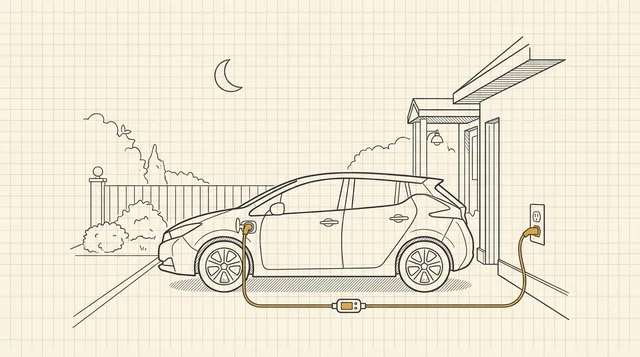
Level 1 EV charging — the 120V cord in the trunk — is just billed electricity, not free. Here is the honest outlet math, the monthly dollar range for a real commute, and how to measure your own car's draw instead of guessing.
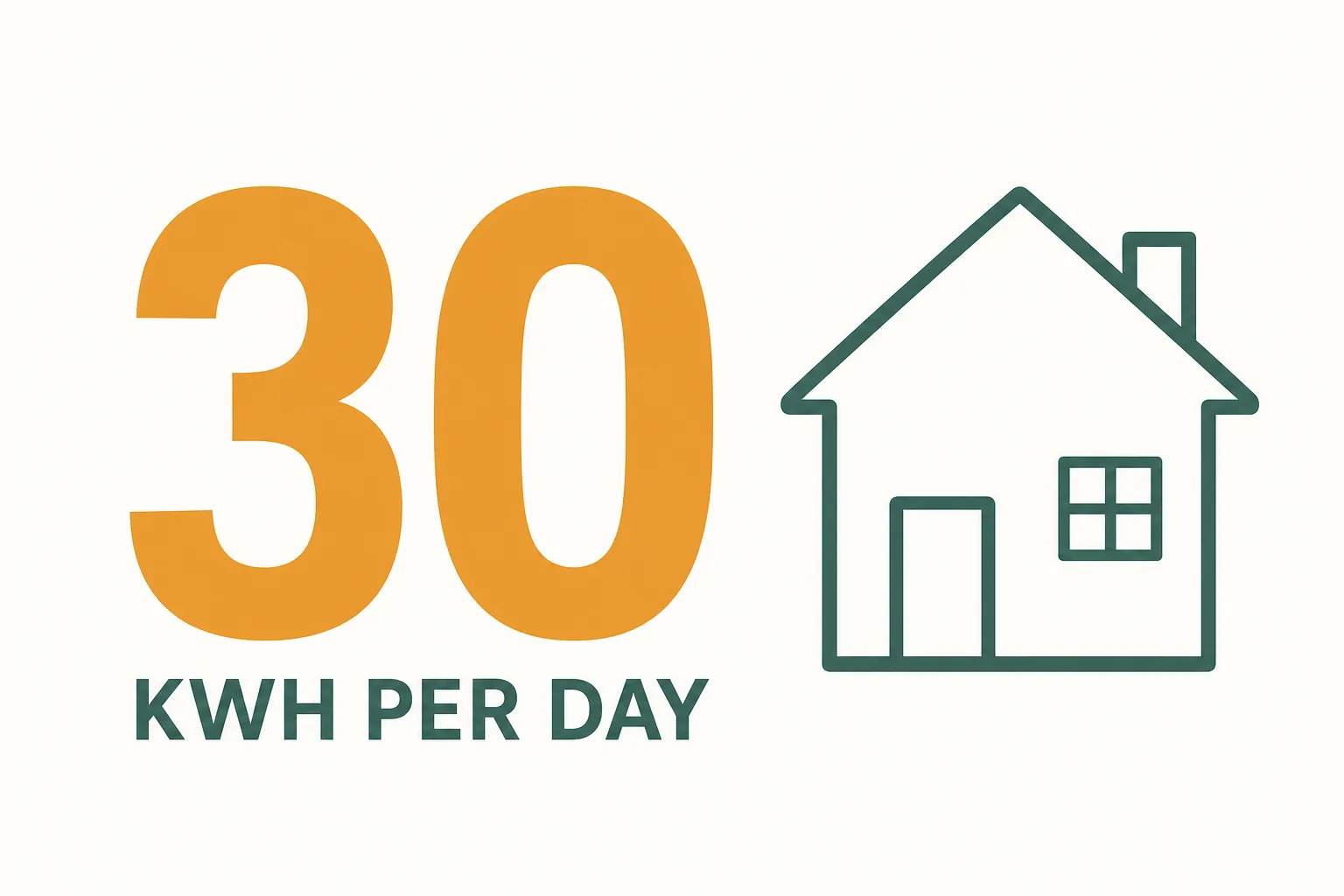
The average US house uses about 30 kWh per day. See typical daily kWh by home size, what pushes usage up, and what your number means on the bill.
Estimate EV charging electricity from your vehicle, driving, and utility rate plan instead of relying on a national cost average.
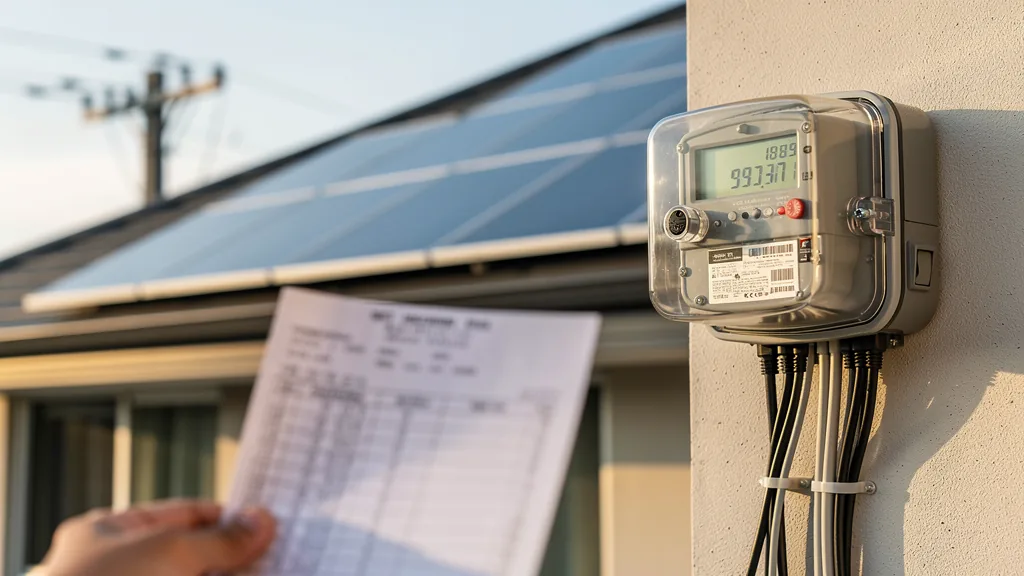
Understand how exported solar electricity can be credited, which bill items to check, and why your utility's current tariff controls the outcome.
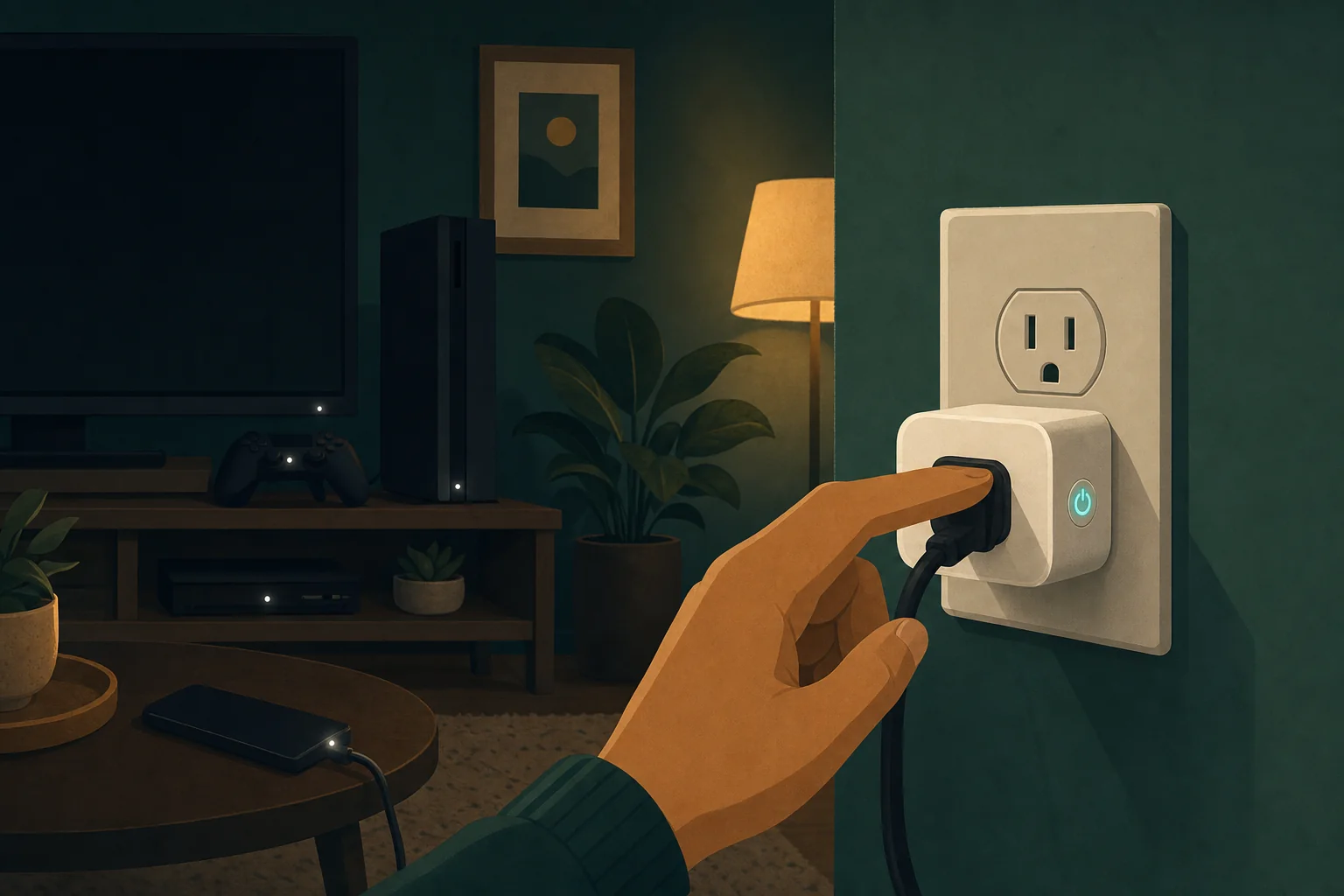
Learn what standby power is, how it is measured, and how to reduce avoidable plug-load energy use.

The complete guide to understanding your utility bill: a 5-step review workflow, a verified worked bill, and a map from every line — usage x rate, fixed charges, taxes and fees — to a linked explainer.
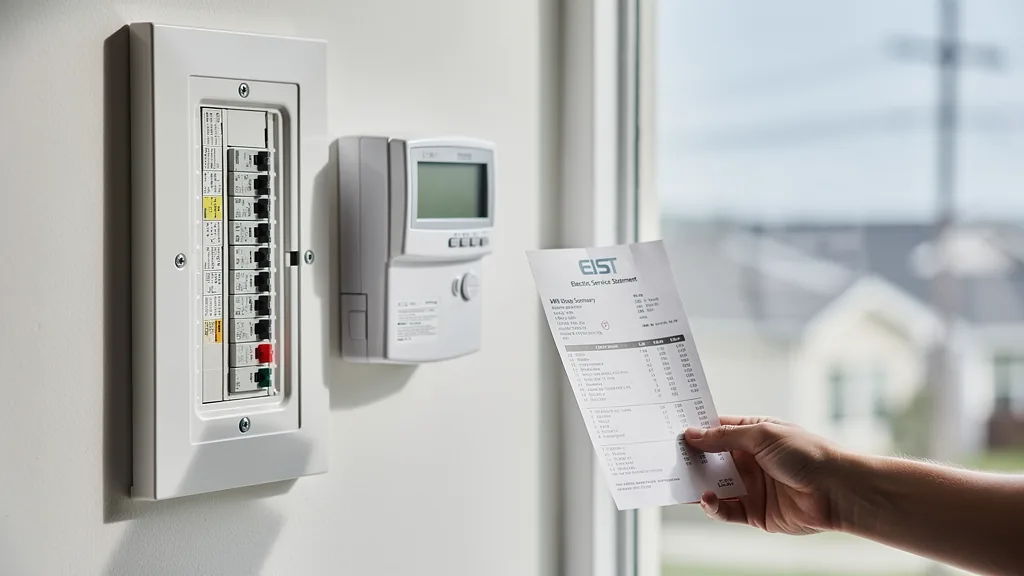
Learn how to compare kWh, billing days, and rate-plan charges on your own electric statement without relying on generic appliance-cost tables.

Use your billing period, kWh, meter-read status, rate plan, and itemized charges to understand what an electric statement is telling you.
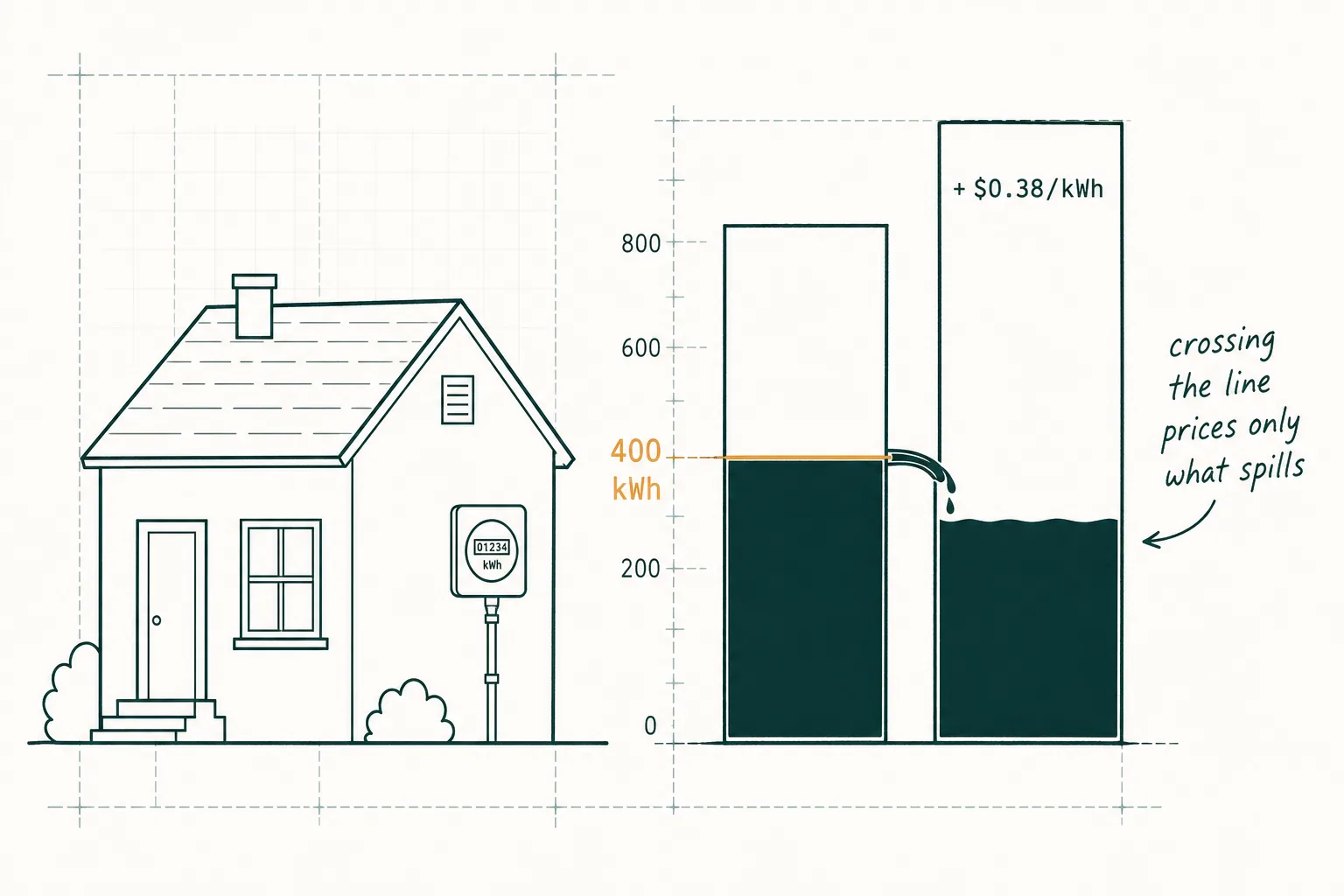
Review block or tiered electricity rates from the tariff and itemized statement, then compare billed usage, thresholds, and all other charges.
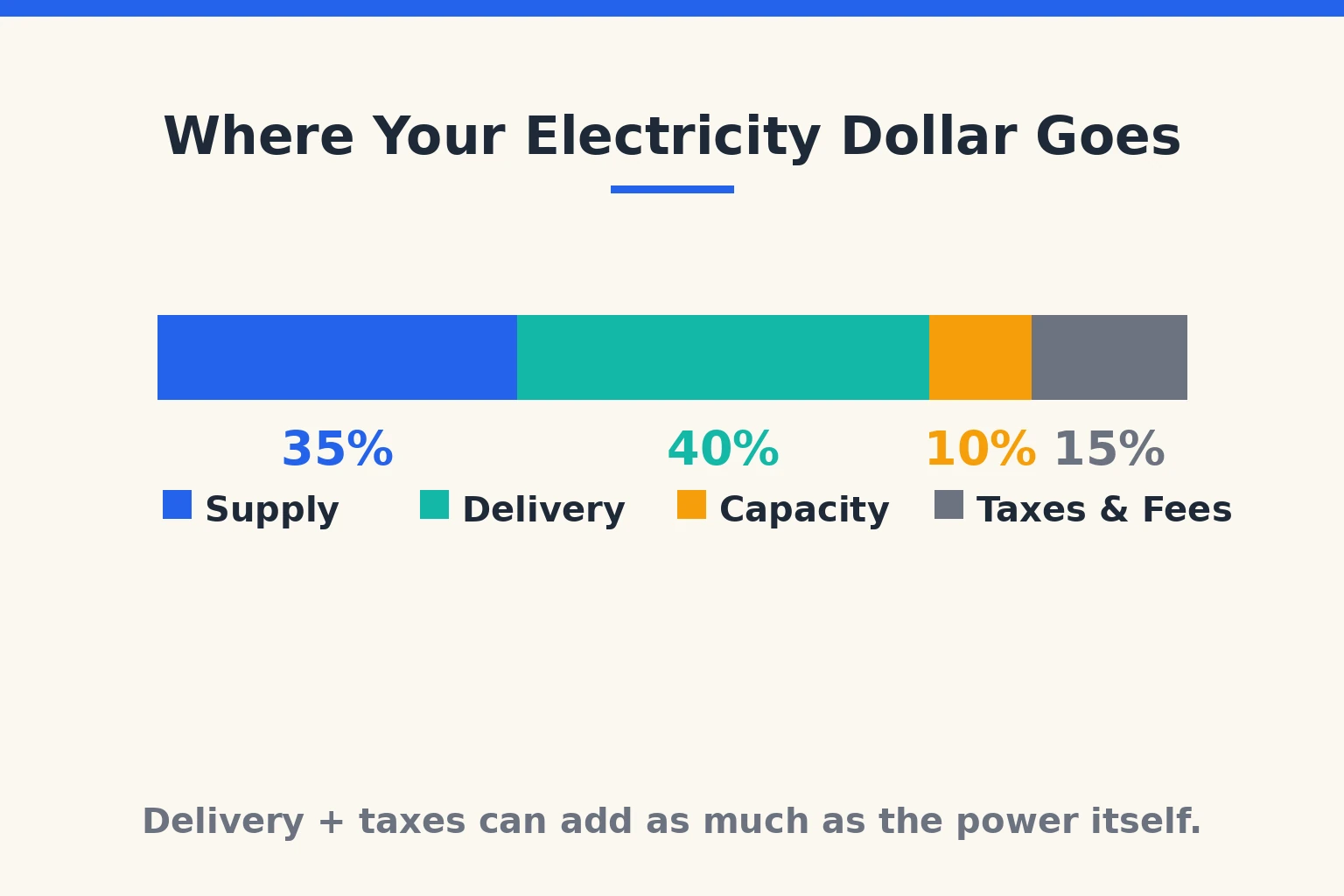
Confused by your bill? We decode the charge categories you will find on a U.S. electric bill--supply, delivery, customer charges, and taxes--and show you how to check each one against your own rate plan.

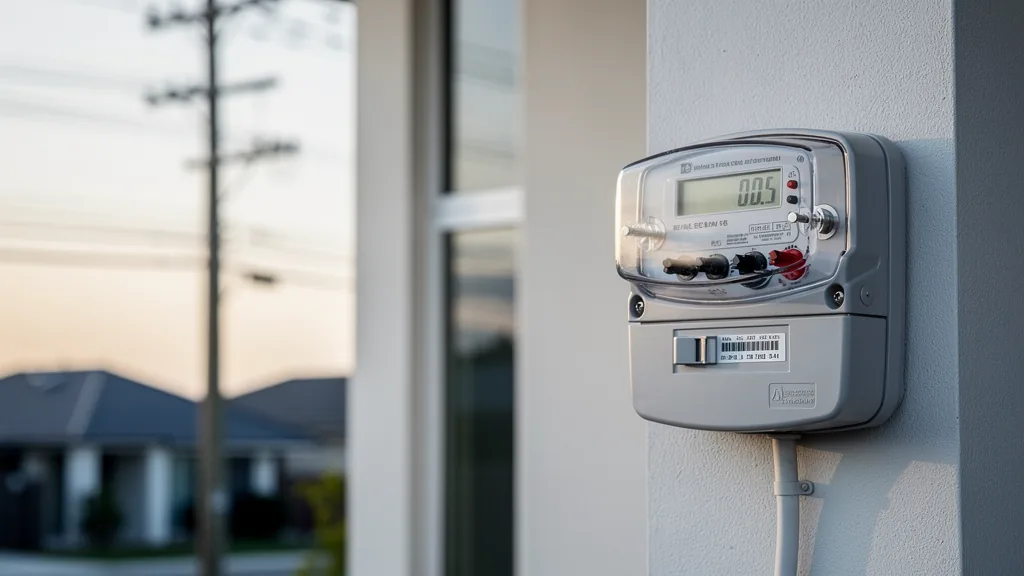
Learn what a smart meter can report, how to compare its reading with your bill, and which questions should go to your utility.

Lower your electric bill without solar using verified measures ranked by leverage: thermostat setbacks, water heating, ducts and filters, standby loads, and your rate plan.

Learn how to record an electric-meter reading, compare it with a bill, and ask your utility about meter-specific details.