Why Is My Gas Bill So High in Winter? The Real Reasons (and Fixes)
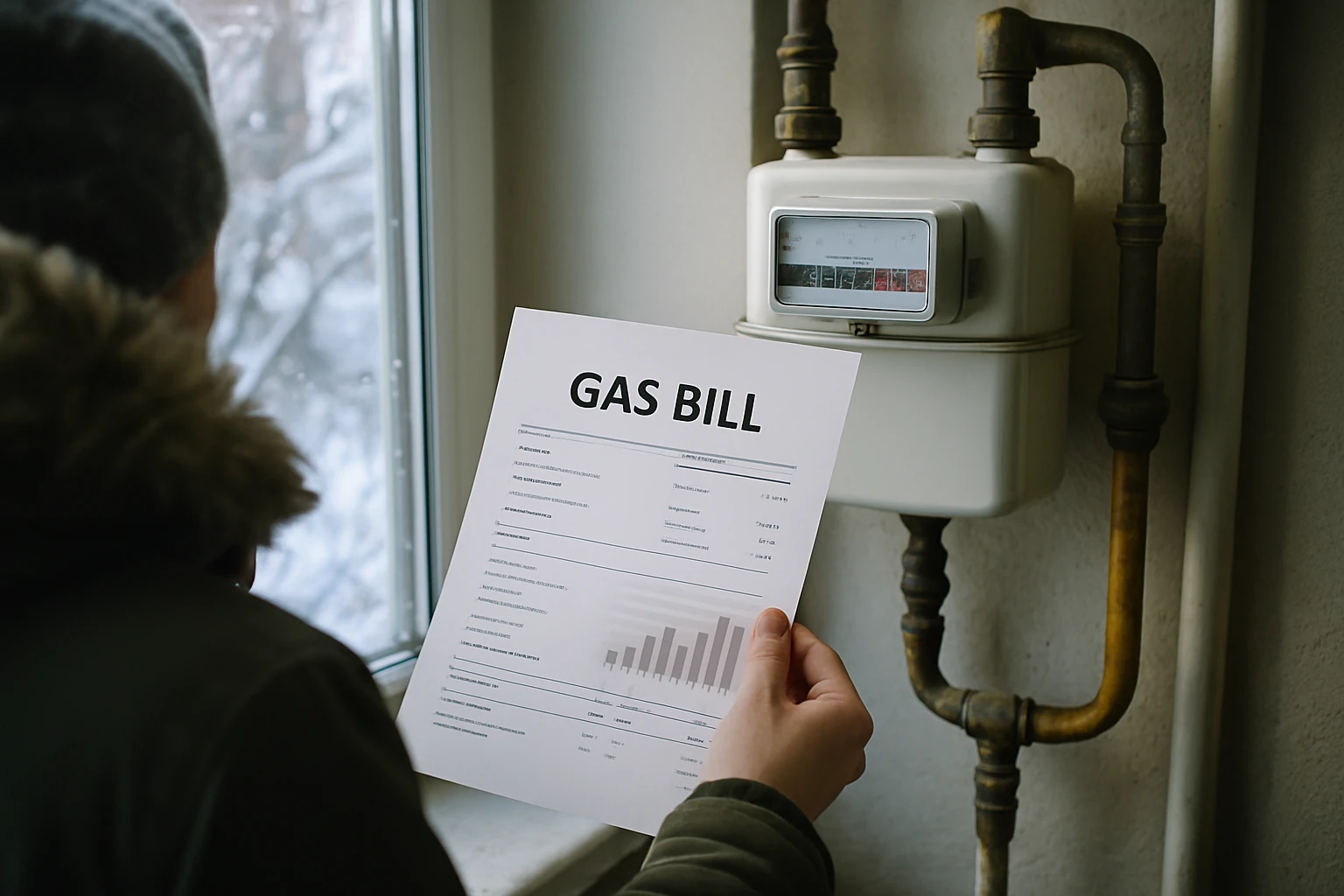
Your gas bill can triple in winter — and not all of it is just cold weather. Here are all the real reasons your winter gas bill is high and how to lower it.
Quick Answer
# Why Is My Gas Bill So High in Winter? The Real Reasons (and Fixes)
Your gas bill is likely high in winter primarily because your heating system is working significantly harder to maintain indoor temperatures during colder weather, combined with seasonal spikes in natural gas rates and potential billing cycle variations. While cold temperatures are the main driver, factors like home insulation quality, furnace efficiency, increased water heating usage, and utility pricing structures all contribute to the final number on your statement. Understanding these variables allows you to distinguish between unavoidable seasonal increases and issues within your control.
Winter utility spikes are a common frustration for homeowners across the United States. When the thermometer drops, the demand for natural gas skyrockets, often causing bills to triple compared to summer months. However, not all of that increase is due to the weather alone. Sometimes, equipment inefficiencies or billing anomalies play a major role. By breaking down the components of your energy bill, you can identify exactly where your money is going and take actionable steps to manage costs without sacrificing comfort.
The Primary Driver: Weather and Heating Demand
The single largest factor influencing your winter gas bill is the ambient outdoor temperature. Natural gas furnaces and boilers consume fuel to generate heat, measured in British Thermal Units (BTUs). As the temperature outside drops, the temperature difference between your home and the outdoors increases. This difference dictates the rate at which heat escapes your house, forcing your furnace to run longer cycles to maintain your set thermostat temperature.
This phenomenon is often measured by utilities using Heating Degree Days (HDD). If the average temperature for a day is 40 degrees and your baseline is 65 degrees, that is 25 HDDs. During a cold snap where the average is 15 degrees, that jumps to 50 HDDs. Essentially, your home requires double the energy to stay warm.
Research from Richmond Public Utilities highlights that record low temperatures drive significantly higher usage. During periods of extreme cold, natural gas systems work overtime, leading to spikes that can feel shocking on your statement. It is not just a matter of "using more heat"; it is a physical necessity for the system to overcome the heat loss through your walls, windows, and roof.
If you have experienced a particularly cold winter compared to previous years, your usage will reflect that directly. For example, if last winter had an average January temperature of 35°F and this winter averages 20°F, your gas consumption will naturally increase, even if your habits remain exactly the same. This is the baseline cost of living in a climate with a distinct heating season.
Understanding Seasonal Rate Fluctuations
While usage is the biggest variable, the price per unit of gas also changes. Unlike electricity, which often has a relatively stable residential rate, natural gas pricing can be volatile. The Energy Information Administration (EIA) has estimated that the retail price of consumers for gas can be 22 percent higher than the previous winter. This increase happens because demand for natural gas increases during colder months, as does the price.
When millions of households turn up their thermostats simultaneously, wholesale markets react. Utilities often pass these wholesale price fluctuations on to consumers through variable rates. This means you are paying more per therm (the standard unit of gas measurement) while simultaneously using more therms. This double whammy is why bills can jump disproportionately to the temperature drop.
Additionally, some utilities implement specific winter charges. For instance, Virginia Natural Gas notes that the Winter Non-Winter Adjustment (WNA) applies to six bills during the winter heating season, typically November through April. This charge helps recover costs associated with maintaining infrastructure during peak demand. While the utility does not profit from this charge, it does appear on your bill and contributes to the higher total.
It is crucial to distinguish between a higher usage bill and a higher rate bill. Check your statement for the "unit price" or "price per therm." If this number is higher than it was last year, you are paying a premium for the fuel itself. If the unit price is the same but the "total therms" used are higher, your home is simply consuming more energy. Knowing this difference helps you decide whether to focus on conservation or shopping for a better rate plan.
Home Efficiency and Equipment Issues
If your weather is average but your bill is still spiking, the issue likely lies within your home's efficiency. An older or poorly maintained furnace is a primary culprit for high winter bills. Natural gas furnaces generally have an Annual Fuel Utilization Efficiency (AFUE) rating. Older models might have an AFUE of 70-80%, meaning 20-30% of the fuel is lost through the exhaust flue rather than heating your home. Newer high-efficiency models can reach 95% AFUE.
If your furnace is struggling, it may be short-cycling. This happens when the system turns on and off frequently without reaching the desired temperature. This wastes energy during startup and puts unnecessary stress on the equipment. Regular maintenance, such as cleaning burners and checking the heat exchanger, ensures the system runs efficiently.
Insulation and air sealing are equally critical. Heat rises and escapes through the attic, while drafts enter through windows and doors. If your home is not weatherproofed, your furnace is essentially heating the outdoors. A significant amount of natural gas piping is required to fuel your heater, and if the house leaks, that fuel is wasted.
Here is a breakdown of how different home factors impact your winter gas consumption:
| Home Factor | Impact on Gas Bill | Potential Savings |
|---|---|---|
| Drafty Windows/Doors | High heat loss, furnace runs constantly | 10-20% reduction |
| Old Furnace (Pre-2000) | Low AFUE, significant exhaust loss | 15-25% reduction with upgrade |
| Poor Attic Insulation | Heat escapes upward rapidly | 10-15% reduction |
| Dirty Air Filters | Restricted airflow, longer run times | 5-10% reduction |
| Unsealed Ductwork | Heated air lost in walls/attic | 20% loss of heated air |
Hidden Usage Spikes: More Than Just Heating
While space heating is the dominant use of gas in winter, it is not the only one. Many homeowners overlook secondary gas appliances that contribute to the total bill. The most common hidden spike comes from the clothes dryer.
During winter, people need to wear more layers, and those bulky sweatshirts and jeans take up a lot of space in the dryer. Furthermore, cold, damp laundry requires more heat and longer cycles to dry completely compared to spring or summer clothes. If you are running the dryer more frequently or for longer durations, this adds up quickly. A heavy load on the dryer significantly impacts your total gas consumption, even if you have not touched the thermostat.
Water heating is another major factor. Most gas water heaters are set to 120°F. In winter, the groundwater temperature entering your home is colder. To heat that cold water to 120°F, the water heater must burn more gas than it would in summer when the incoming water is naturally warmer. Additionally, winter showers tend to be longer and hotter as people seek comfort after being outside in the cold.
Cooking habits also shift. In winter, families often cook more at home, using gas stoves and ovens more frequently. While this is a smaller portion of the bill compared to heating, it is a consistent addition that contributes to the overall increase.
Billing Mechanics and Quirks
Sometimes, a high bill is not about usage at all, but about how the bill is calculated. There are several administrative factors that can make one month look drastically higher than another, even if your habits were consistent.
1. Days in the Billing Cycle The number of days of usage will vary monthly and from previous years, ranging from 28 to 34 days depending upon the billing period. A 34-day billing cycle in January will naturally show higher usage than a 28-day cycle in July. When comparing bills, always normalize the usage to a daily average. If your bill says you used 100 therms over 30 days, your daily usage is 3.33 therms. Compare this daily average to previous months rather than the total dollar amount.
2. Estimated vs. Actual Readings Utilities sometimes take estimated readings if they cannot access your meter. If the utility underestimated your usage in the previous two months, they may "catch up" on your current bill, making it look unusually high. This is known as a true-up. Check your bill for the word "Actual" next to the meter reading. If it says "Estimated," you may be seeing a backlog of usage from prior months.
3. Weather Normalization Adjustments Some utilities offer weather normalization adjustments to smooth out the impact of extreme temperatures. Eversource, for example, has implemented winter bill relief to help reduce bills during the coldest months of the year in collaboration with state administrations. However, not all utilities offer this. If you are on a fixed budget plan, extreme usage might result in a catch-up charge at the end of the year.
Understanding these billing mechanics is essential. If you suspect your bill includes hidden fees or charges you don't understand, reviewing the line items is vital. Many consumers miss small surcharges that add up over time. For a deeper dive into line items you might be missing, check out our guide on hidden fees on utility bill.
Actionable Fixes to Lower Your Winter Bill
You cannot control the weather, but you can control how your home responds to it. Implementing the following strategies can help lower your consumption and keep your bill manageable. These are practical steps based on industry standards for energy conservation.
1. Thermostat Management The most immediate fix is adjusting your thermostat. Lowering your thermostat by 7-10 degrees for 8 hours a day (such as while at work or sleeping) can save up to 10% a year on heating. If you are home, a setting of 68°F is generally considered the most efficient balance of comfort and cost. Every degree above 68°F increases energy use significantly. Consider installing a programmable or smart thermostat to automate these changes without manual intervention.
2. Seal Air Leaks Perform a visual inspection of your home. Check weather stripping around windows and doors. If you feel a draft, it is leaking money. Use caulk for stationary cracks and weather stripping for moving parts like doors. This is a low-cost fix with a high return on investment.
3. Maintain Your HVAC System Change your furnace filter every 30-90 days. A clogged filter restricts airflow, forcing the blower motor and burner to work harder. Schedule an annual professional tune-up before the heating season begins. A technician can clean the burners, check the heat exchanger for cracks, and ensure the system is running at peak efficiency.
4. Optimize Water Heater Usage Lower your water heater temperature to 120°F. This is sufficient for most household needs and reduces standby heat loss. If you have an older water heater, consider insulating the tank and the first few feet of hot water pipes.
5. Review Your Usage Data Most utility companies provide online portals where you can view your daily usage. Monitor this data. If you see a spike on a specific day, try to correlate it with your activities. Did you run the dryer three times? Did a family member visit? Identifying patterns helps you adjust behavior.
For a comprehensive guide on other strategies to reduce overall costs, review our article on how to lower utility bills. These strategies often overlap between gas and electric, providing a holistic approach to home energy management.
Comparison: Winter vs. Summer Gas Usage
To visualize the impact of the season, consider the following comparison table. These are hypothetical averages based on typical US residential consumption patterns, but they illustrate the dramatic shift in demand.
| Metric | Summer Month (July) | Winter Month (January) | Difference |
|---|---|---|---|
| Avg Outdoor Temp | 85°F | 30°F | 55°F Drop |
| Heating Usage | 0 therms | 120 therms | +120 therms |
| Water Heating | 30 therms | 45 therms | +15 therms (colder inlet water) |
| Cooking/Dryer | 15 therms | 25 therms | +10 therms |
| Total Usage | 45 therms | 200 therms | +344% Increase |
| Avg Cost/Therm | $1.10 | $1.35 | +22% Rate Increase |
| Total Bill | $49.50 | $270.00 | +445% Bill Increase |
As the table demonstrates, the combination of increased usage volume and increased unit price creates a compounding effect. A 344% increase in usage combined with a 22% rate hike results in a bill that is nearly six times higher than the summer equivalent. This context helps explain why the bill shock feels so severe even if you haven't changed your lifestyle.
Frequently Asked Questions (FAQ)
1. Why did my gas bill go up if I didn't change my thermostat? Even if your thermostat setting remained the same, extreme cold outside forces your furnace to run longer to maintain that temperature. Additionally, gas rates often rise in winter due to higher market demand. If your billing cycle included more days than the previous month, your total bill will also be higher.
2. Is it normal for my gas bill to triple in winter? Yes, for many homeowners, winter bills can be two to three times higher than summer bills. This is due to the massive increase in heating demand. However, if your bill is significantly higher than your historical average for the same month, it may indicate a maintenance issue or a billing error.
3. How do I know if my furnace is working efficiently? Signs of inefficiency include the system running constantly, uneven heating in different rooms, strange noises, or higher-than-expected bills. A professional inspection can measure your AFUE rating and check for heat exchanger cracks or airflow issues.
4. What is a Weather Normalization Adjustment (WNA)? A WNA is a billing adjustment used by some utilities to account for extreme weather. It can either increase or decrease your bill based on how the current weather compares to a historical average. Some utilities use this to smooth out spikes, while others use it to ensure infrastructure costs are covered during peak seasons.
5. Can I get help if my winter bill is too high? Yes. Many utilities offer assistance programs for low-income households. Additionally, programs like the Low Income Home Energy Assistance Program (LIHEAP) can help pay heating bills. Check with your local utility provider or community action agency for eligibility.
6. Why is my water heater using more gas in winter? Incoming groundwater is colder in the winter. Your water heater must burn more gas to raise that cold water to your set temperature (usually 120°F). This results in higher gas consumption for the same amount of hot water usage.
7. Should I switch to a budget billing plan? Budget billing plans average your usage over 12 months, giving you a consistent payment amount. This helps avoid huge winter spikes. However, if you do not pay the catch-up charges at the end of the year, you may accumulate debt. It is best if you can pay the true-up amount annually.
Conclusion
High winter gas bills are a predictable outcome of colder weather, increased demand, and seasonal rate adjustments. The combination of a furnace working overtime, colder incoming water, and higher wholesale gas prices creates a perfect storm for utility costs. However, understanding the specific drivers behind your bill empowers you to take action.
By checking for air leaks, maintaining your HVAC system, adjusting your thermostat, and understanding your billing cycle, you can mitigate the impact of the cold. While you cannot stop the winter from coming, you can ensure your home is ready for it. Keep an eye on your monthly usage trends and compare them to the average utility costs 2026 to ensure you are staying within a reasonable range.
If you find your bills remain high despite these adjustments, it may be time to consider upgrading your furnace or improving your home's insulation. Investing in efficiency now pays dividends every winter thereafter. Stay informed, stay proactive, and keep your home warm without breaking the bank.