Quick Answer
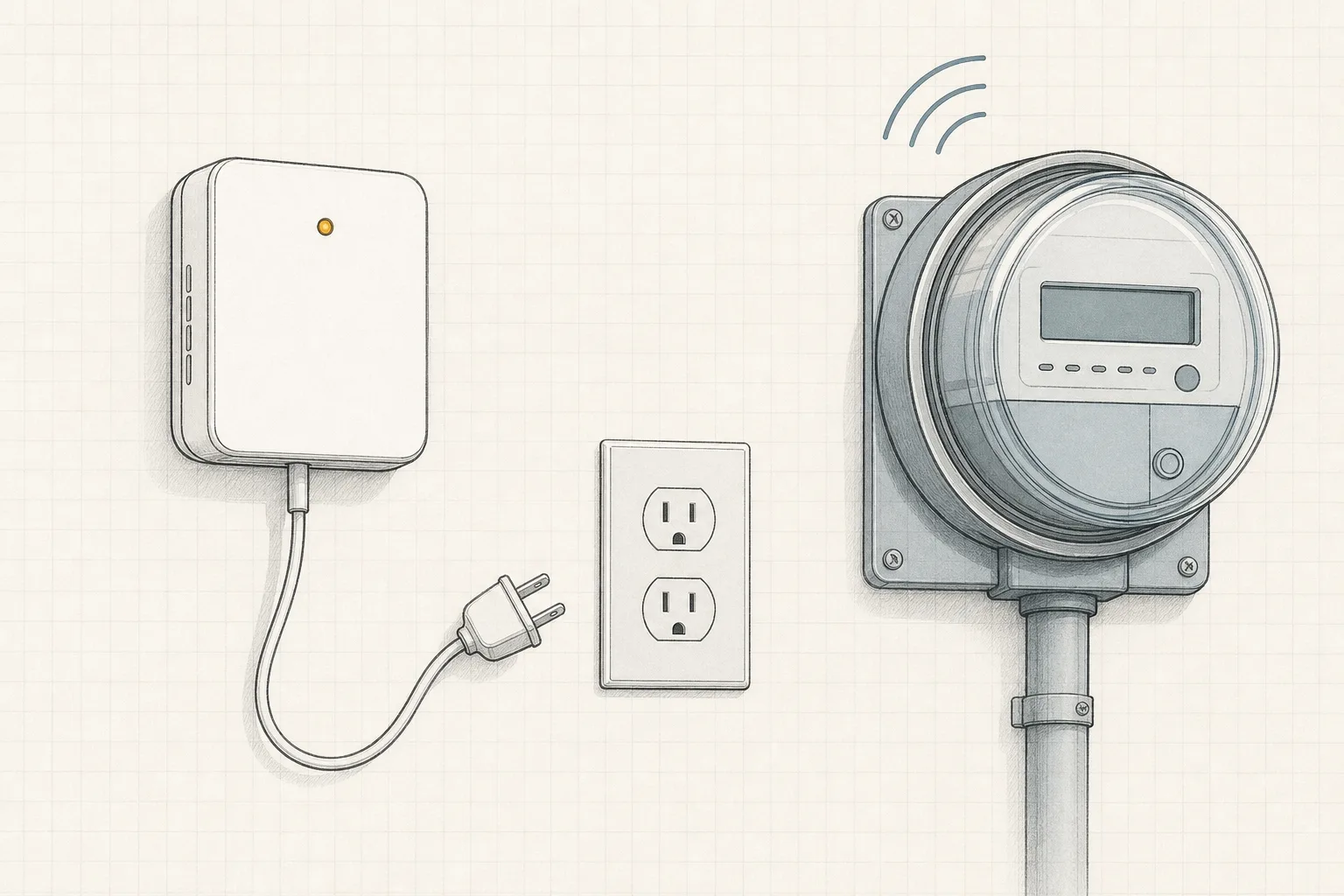
Sense stopped selling its consumer home energy monitor on December 31, 2025, and pivoted to embedding its device-detection software inside utility-deployed smart meters.[1] If you own a Sense, nothing breaks: the company has committed to continuing app support, firmware updates, and device detection for existing monitors.[1][2] If you were about to buy one, don’t pay resale markups — the 2026 alternatives, ranked by budget, are your utility’s free hourly data, an energy-monitoring smart plug for single devices, or the Emporia Vue 3 for whole-home circuit-level monitoring.
This site’s Vue 3 vs Sense comparison covers how the two devices differ in method; this page covers the shutdown itself — what still works, what happens to your data and hardware, and what to buy instead at each budget. For buyers who want the short answer now: the Emporia Vue 3 (16-sensor kit) is the mainstream whole-home replacement — owners should read the support section first, because your monitor is not dead.
What Actually Happened
Sense announced the wind-down on its own blog: “We’ll stop selling the Sense Monitor by December 31, 2025.” The same post spells out the pivot — Sense’s detection technology is being “embedded directly into the next generation of smart meters” deployed “through utility partners across the country,” with the company expecting those meters to “reach tens of millions of homes in the next few years."[1]
The practical translation:
| Question | Answer | Source |
|---|---|---|
| Are new Sense monitors being sold? | No — direct sales ended December 31, 2025 | [1] |
| Does the app still work? | Yes — support and improvement continue | [1] |
| Do existing monitors keep working? | Yes — “we will continue to support existing Sense monitors” | [1] |
| Will device detection keep improving? | Yes — detection updates continue for existing monitors | [1] |
| Is this a bankruptcy/shutdown? | No — it is a business pivot from consumer hardware to utility software | [1] |
The one thing that ended is the thing that matters to new buyers: the retail product. Anything sold as “new” today is leftover stock through third parties, and anything that breaks cannot be replaced like-for-like. Which is a fair reason to look elsewhere for a first monitor — and no reason at all for an owner to panic.
If You Own a Sense: Keep It, With Two Caveats
A working Sense is still one of the better whole-home views you can have, because the intelligence lives partly in the cloud and it keeps improving.[1] The two honest caveats:
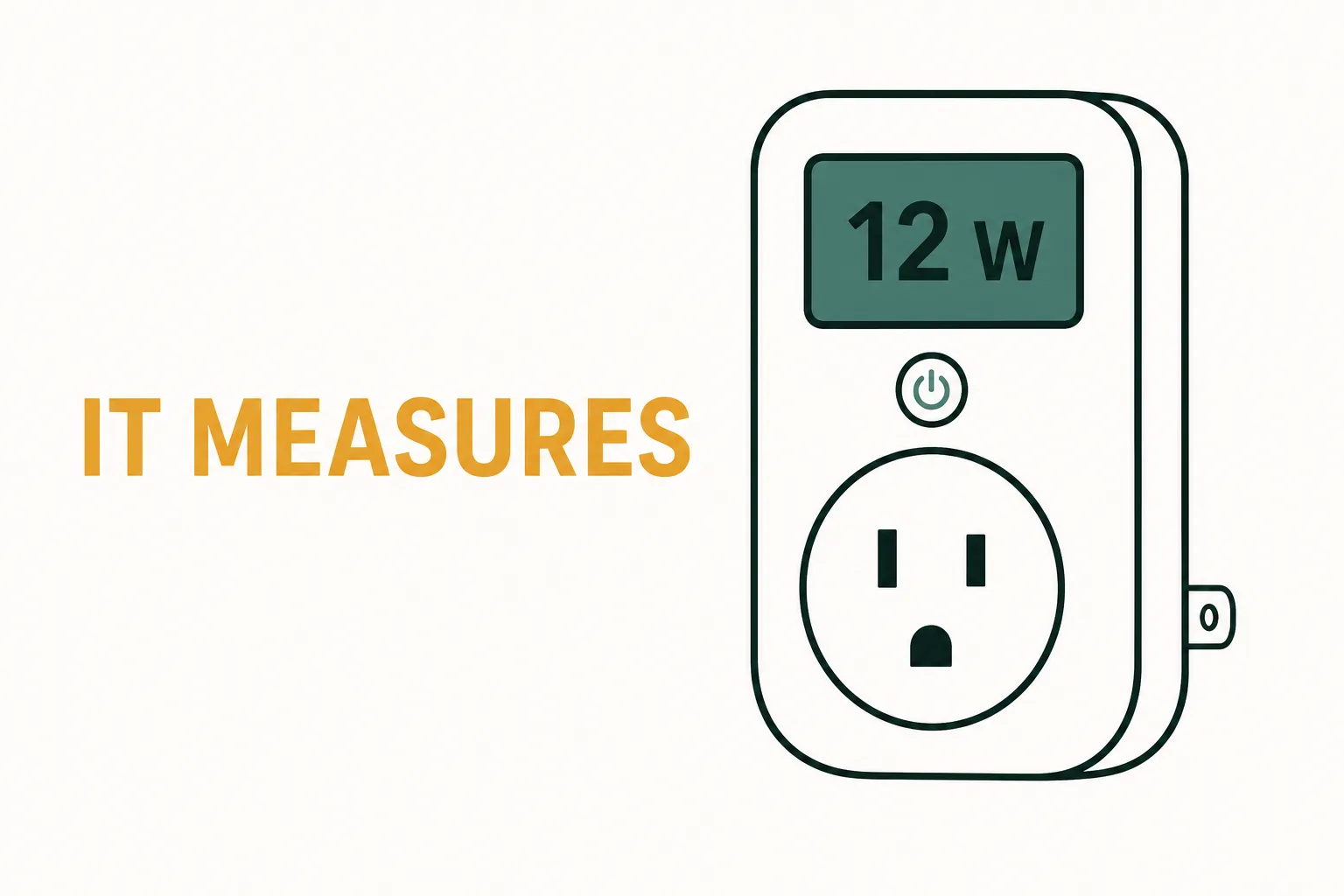
A metering smart plug: real-time watts and cumulative kWh for one device in the Kasa app. No learning period, no panel work, no landlord permission — the renter-friendly slice of what Sense did.
Check price on Amazon As an Amazon Associate we earn from qualifying purchases. Price & availability shown on Amazon.com.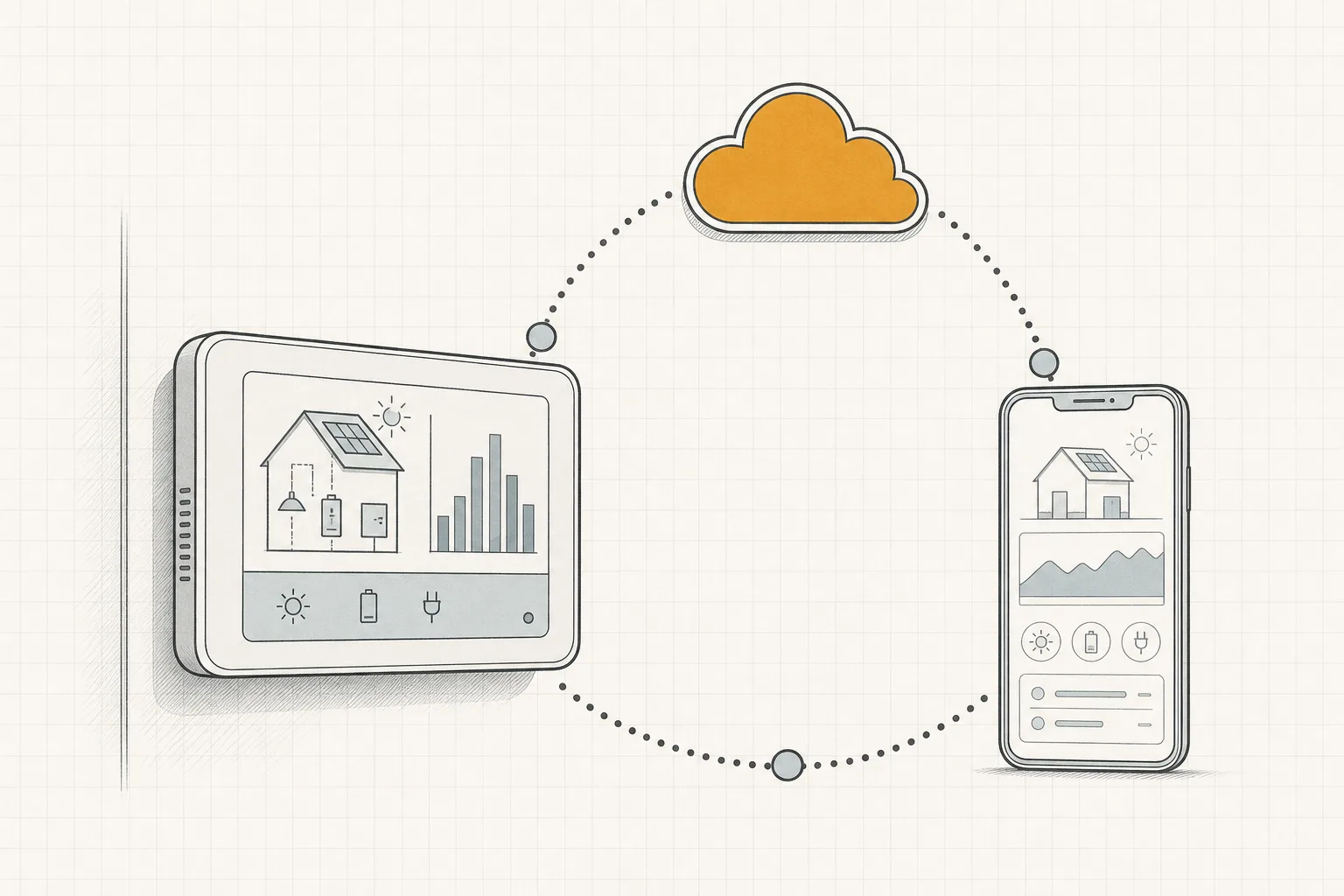
- Hardware is now a limited resource. If your monitor’s CT clamps or the unit itself fails, there is no manufacturer replacement channel for the consumer product. Treat a working unit gently; the shutdown changes your repair math.
- Your exit path is data export, not resale value. Sense’s app lets you export your energy history — worth doing once a year while the service is healthy, for the same reason you back up anything valuable that lives on someone else’s servers. Check the support article for the current export process.[2]
One upgrade path worth watching: as Sense-equipped utility meters roll out, the company says the app “stays at the heart of the experience” regardless of whether you connect via your own monitor or a utility meter.[1] If your utility announces a Sense-powered meter program, that is the closest thing to a native successor — ask your utility, or watch Sense’s announcements.
If You Were About to Buy One: The Alternatives, by Budget
The Sense pitch was “clamp two sensors, software figures out your devices.” With that product gone, the honest 2026 replacements split by how much of your bill you want explained:
$0 — Your utility’s hourly data
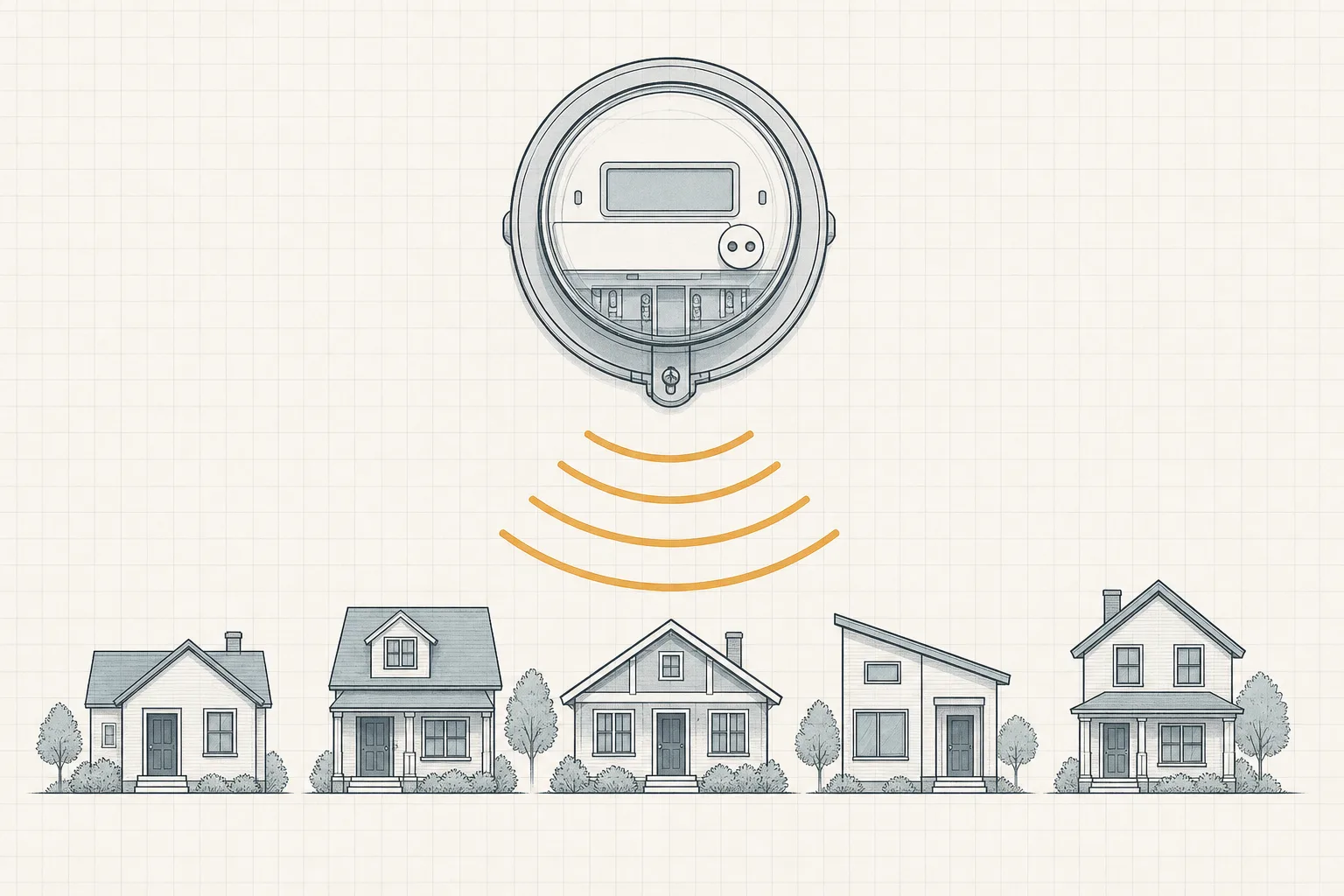
Most U.S. utilities with smart meters already expose hourly (sometimes 15-minute) whole-home usage in their account portals, and many third-party apps can read the same Green Button data. This answers “when does my house use power” for free. It cannot split your house into devices — that was always the paid tier of the question. Start here regardless of what you buy later; how smart meters work explains exactly what your meter can and cannot tell you.
$20–30 per device — Energy-monitoring smart plugs
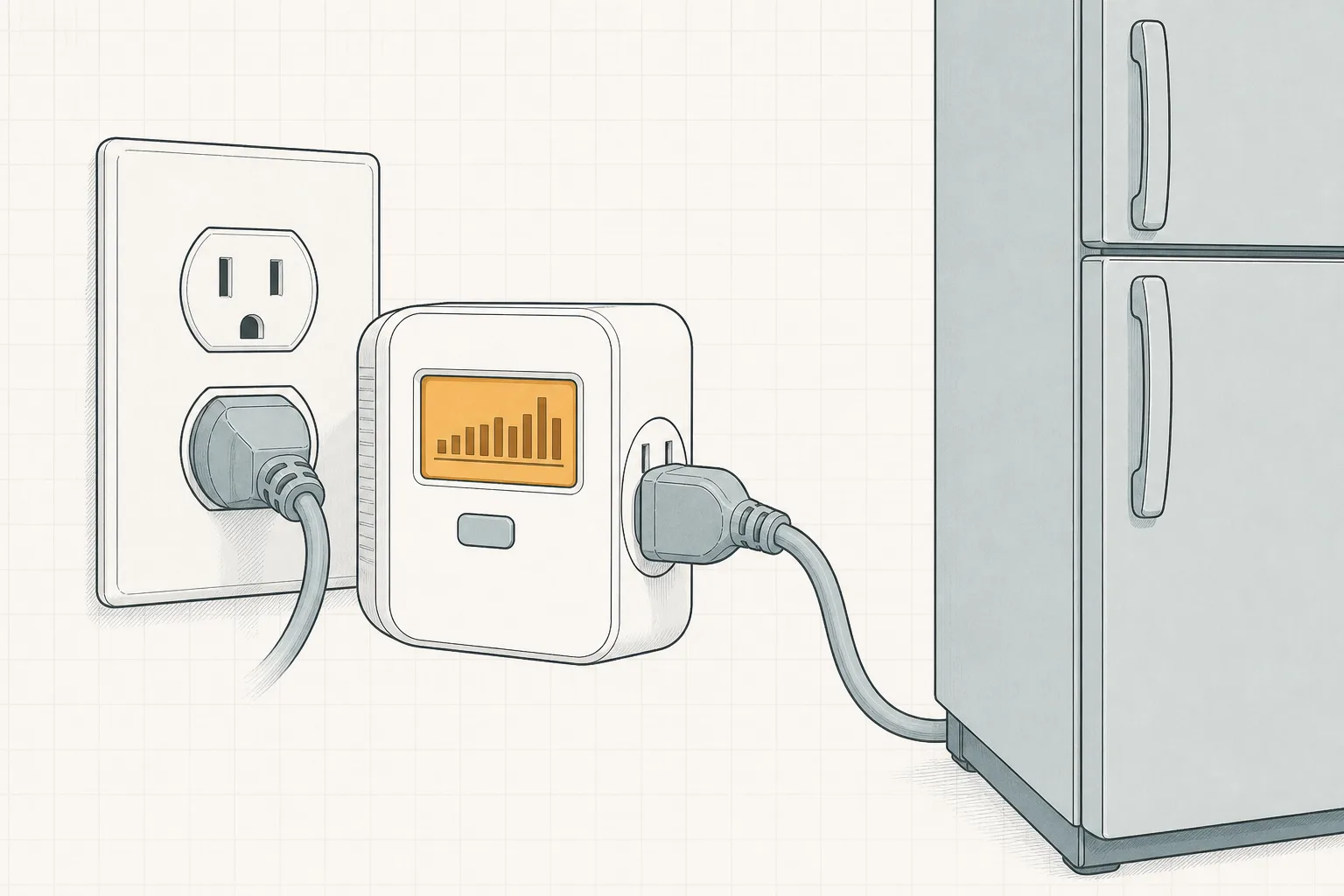
Plug-level metering is the direct, certain version of what Sense guessed at probabilistically: the plug measures exactly one device, with no learning period. The Kasa KP115 is the established metering plug — real-time watts and cumulative kWh in the app, no hub. Two or three of them cover the devices you actually suspect (the old freezer, the entertainment cluster, the garage fridge) for well under the cost of any whole-home system, and they move out with you if you rent.
A metering smart plug: real-time watts and cumulative kWh for one device in the Kasa app. No learning period, no panel work, no landlord permission — the renter-friendly slice of what Sense did.
Check price on Amazon Price & availability shown on Amazon.com — we may earn a commission.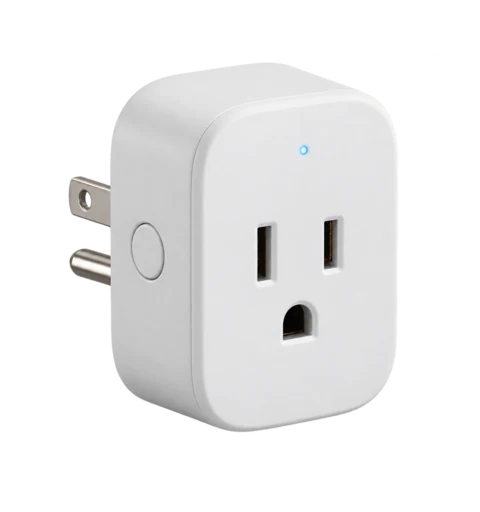
Roughly $100–200 — Emporia Vue 3, the mainstream whole-home default
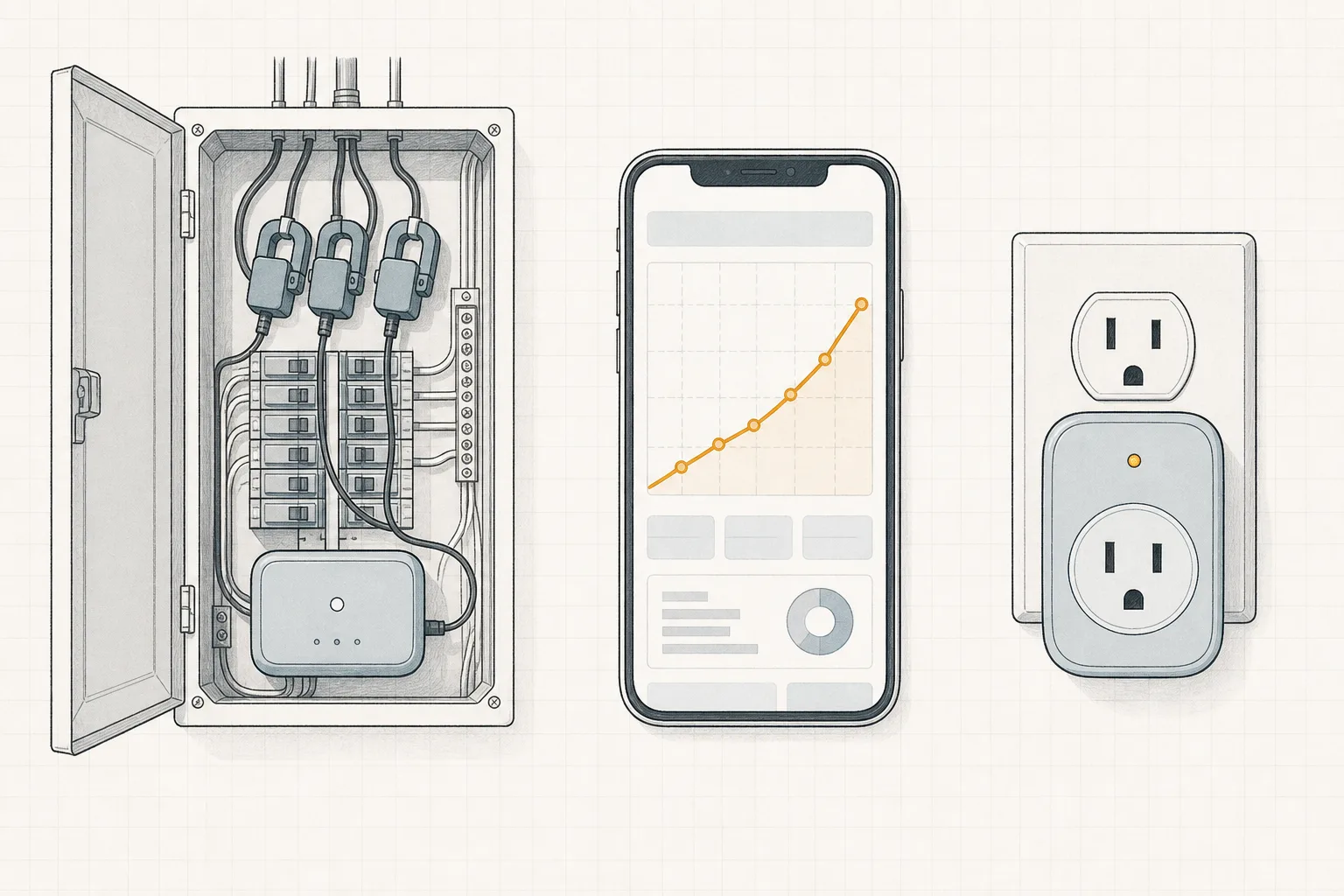
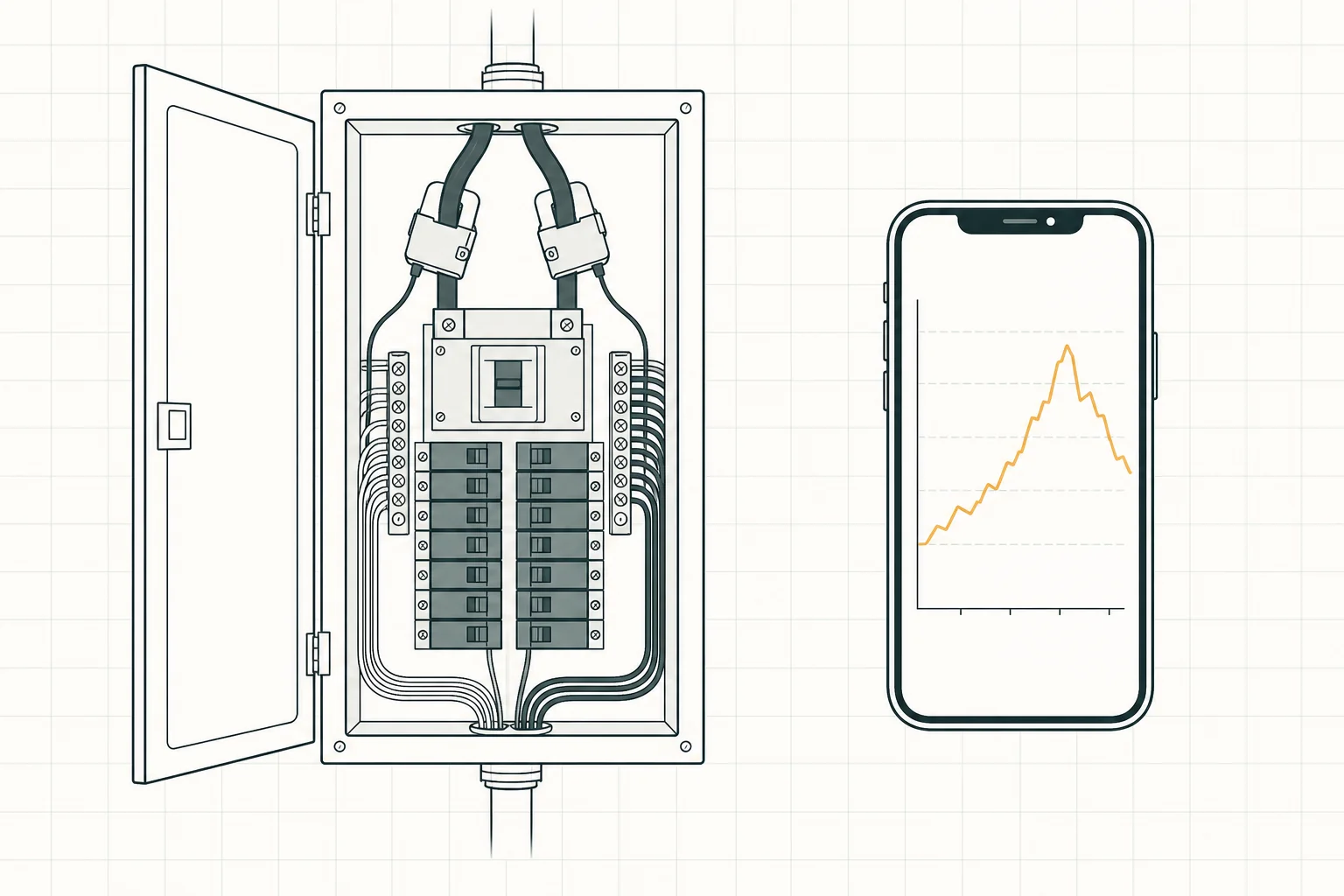
With Sense gone from retail, the Vue 3 is the remaining mainstream CT-clamp monitor: it attaches at your panel and meters up to 16 circuits directly, by name, from day one — no machine-learning wait. The method is the opposite of Sense’s (direct circuit metering vs. mains inference), and our full comparison walks the trade-offs: certainty and immediate data, versus install work inside the panel and “circuits” rather than “appliances.” Installation means panel work — an electrician is the recommended default if you have never worked in one.
The Vue 3 hub plus 16 branch sensors — reports each circuit by name in the app, direct metering, no learning period. Solar and net-metering supported; UL certified. Panel install: electrician recommended. Monitor-only and 8-sensor versions cost less if you don't need full coverage.
Check price on Amazon As an Amazon Associate we earn from qualifying purchases. Price & availability shown on Amazon.com.The Vue 3 hub plus 16 branch sensors — reports each circuit by name in the app, direct metering, no learning period. Solar and net-metering supported; UL certified. Panel install: electrician recommended. Monitor-only and 8-sensor versions cost less if you don't need full coverage.
Add to cart on Amazon Price & availability shown on Amazon.com — we may earn a commission.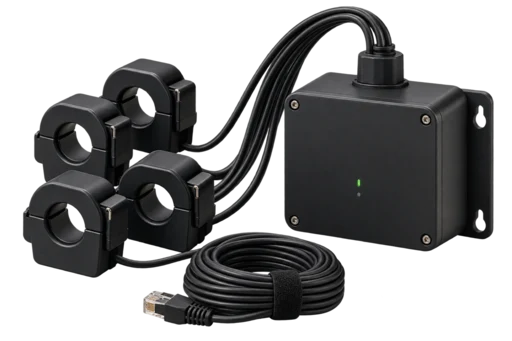
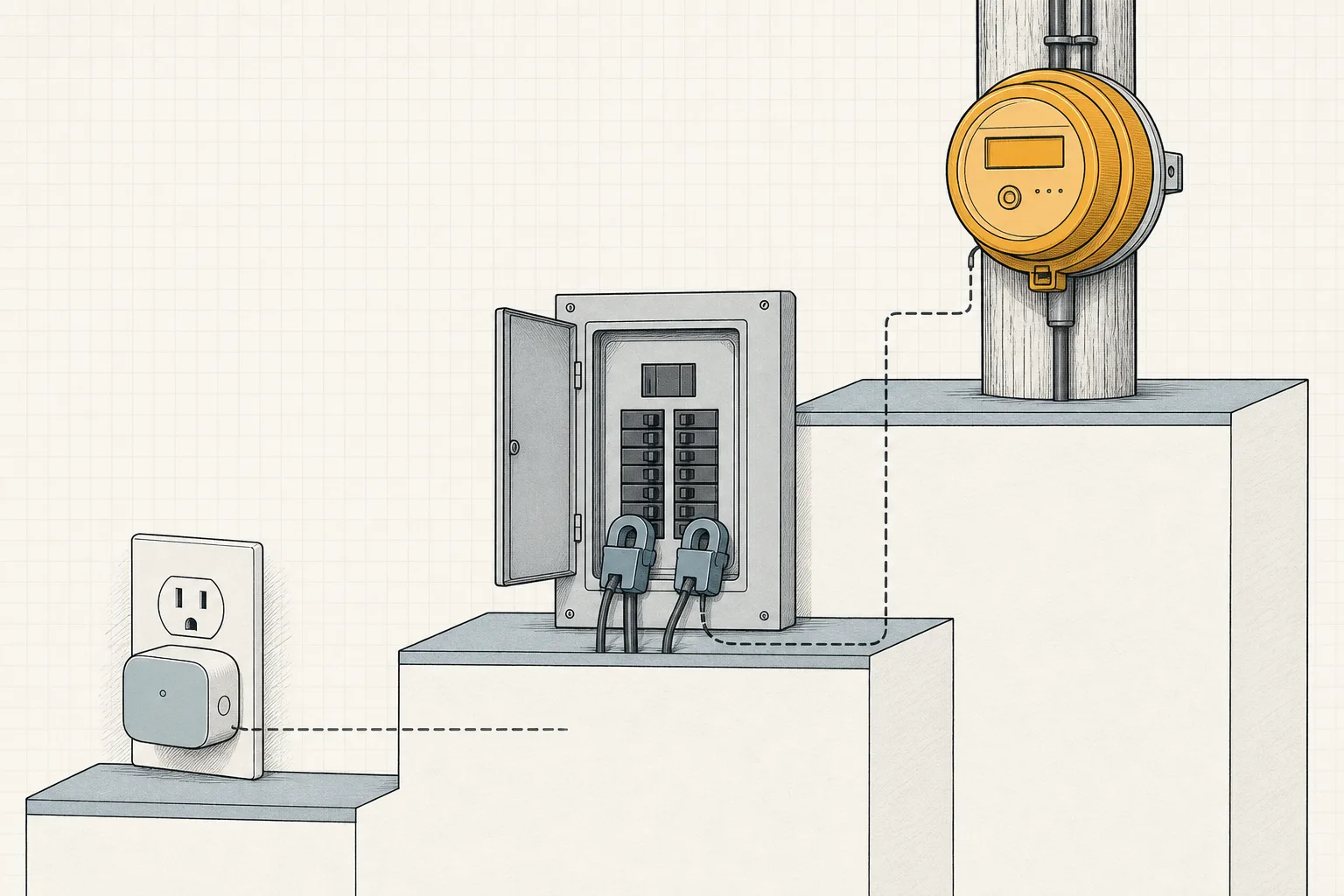
Comparison at a glance
| Approach | Cost band | What you get | Catch |
|---|---|---|---|
| Utility portal / Green Button | Free | Whole-home hourly usage | No device split; data lags a day or more at some utilities |
| Metering smart plugs | $20–30 each | Exact watts/kWh per plugged-in device | Only covers plug loads — nothing hardwired or 240V |
| Emporia Vue 3 | ~$100–200 | Per-circuit whole-home data, day one | Panel work; reads circuits, not individual appliances |
Nothing here is a downgrade in capability so much as a change in who does the work: Sense’s software did the splitting for you; the alternatives give you certain data at the level you choose to buy.
Does Any of This Change the Money Math?
A monitor — Sense, Vue, or plugs — never lowered a bill by itself; it finds the loads, and behavior changes the numbers. The average U.S. household buys about 899 kWh/month at an average residential price around 18.3¢/kWh (June 2026),[3][4] which works out to roughly a $165 monthly bill at the national average. The question any monitor answers is which slice of that 899 kWh is negotiable — and the budgeting rule survives the Sense shutdown unchanged: if nobody in the house will act on the data, the right spend is zero. That logic, with the full mechanism, lives in do home energy monitors save money.
One genuine improvement for former Sense buyers: the free tier got better. Sense’s detection moving into utility meters means some households will eventually get device-level insight from the meter they already pay for — no hardware, no install.[1] If your utility is on the early lists, the answer to “what replaced Sense” may eventually be “your meter did.”
The Bottom Line
Owners: keep your Sense, export your data occasionally, and watch for your utility’s Sense-powered meter. Buyers: skip resale markups, check your utility’s portal first, meter your two or three suspect devices with a metering plug, and buy the Vue 3 if you want the whole-panel view. And before spending anything, make sure usage is actually your problem — why is my electric bill so high rules out the billing errors, estimated reads, and rate changes that no monitor can fix.
Sources
- Sense — Looking Ahead: The Next Chapter for Sense — “We’ll stop selling the Sense Monitor by December 31, 2025”; app, firmware, detection, and existing-monitor support continue; Sense embedding into utility smart meters. Retrieved 2026-09-06.
- Sense Support — Support For Sense Home Energy Monitors — support commitments for existing monitors. Retrieved 2026-09-06.
- EIA Electricity Monthly Update — End-Use Consumption — average residential price 18.34¢/kWh, June 2026. Retrieved 2026-09-06.
- EIA — How much electricity does an American home use? — ~899 kWh/month average household purchases. Retrieved 2026-09-06.