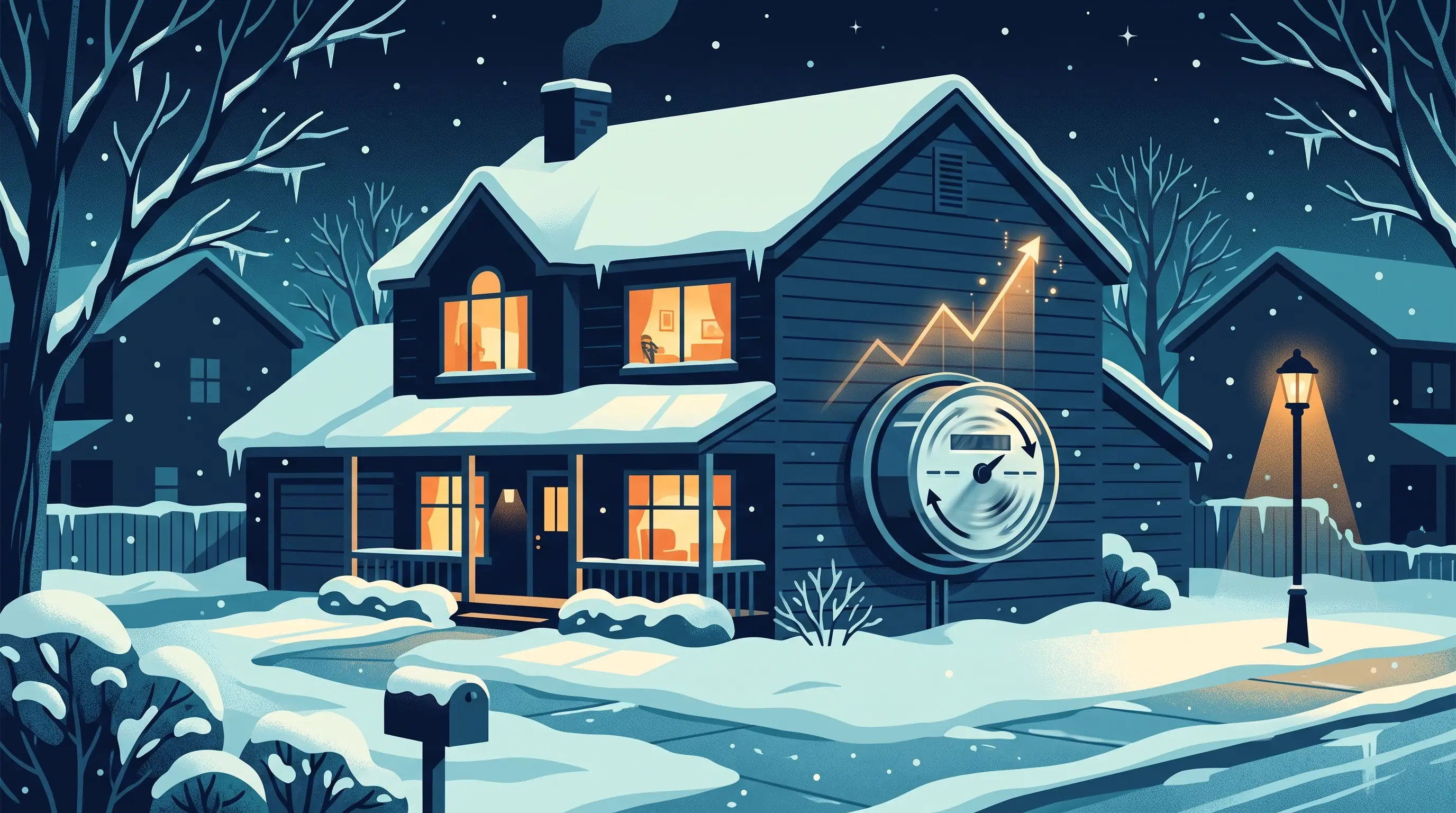
Why Is My Electric Bill So High in January? 6 Winter-Only Causes
January electric bills spike from heating degree days, heat-pump aux heat, winter rate seasons, and estimated meter reads. See the winter-only causes.
6 min read
Plain-English guides to electricity, gas, water, and utility bills. Browse by topic below.
129 guides to help you understand every charge on your utility bills. Pick a category:
Why your bill is high, how to read it, kWh, rates, and lowering costs.
Browse 29 electricity guidesCCF, sewer charges, meter reading, leak detection, lowering your bill.
Browse 33 water guidesHidden fees, taxes, deposits, connection fees, billing cycles, budget billing.
Browse 22 fee guidesHVAC troubleshooting, efficiency ratings, heat pumps, furnace issues.
Browse 28 HVAC guidesNewest first. Use the topic links above to browse by category.
January electric bills spike from heating degree days, heat-pump aux heat, winter rate seasons, and estimated meter reads. See the winter-only causes.
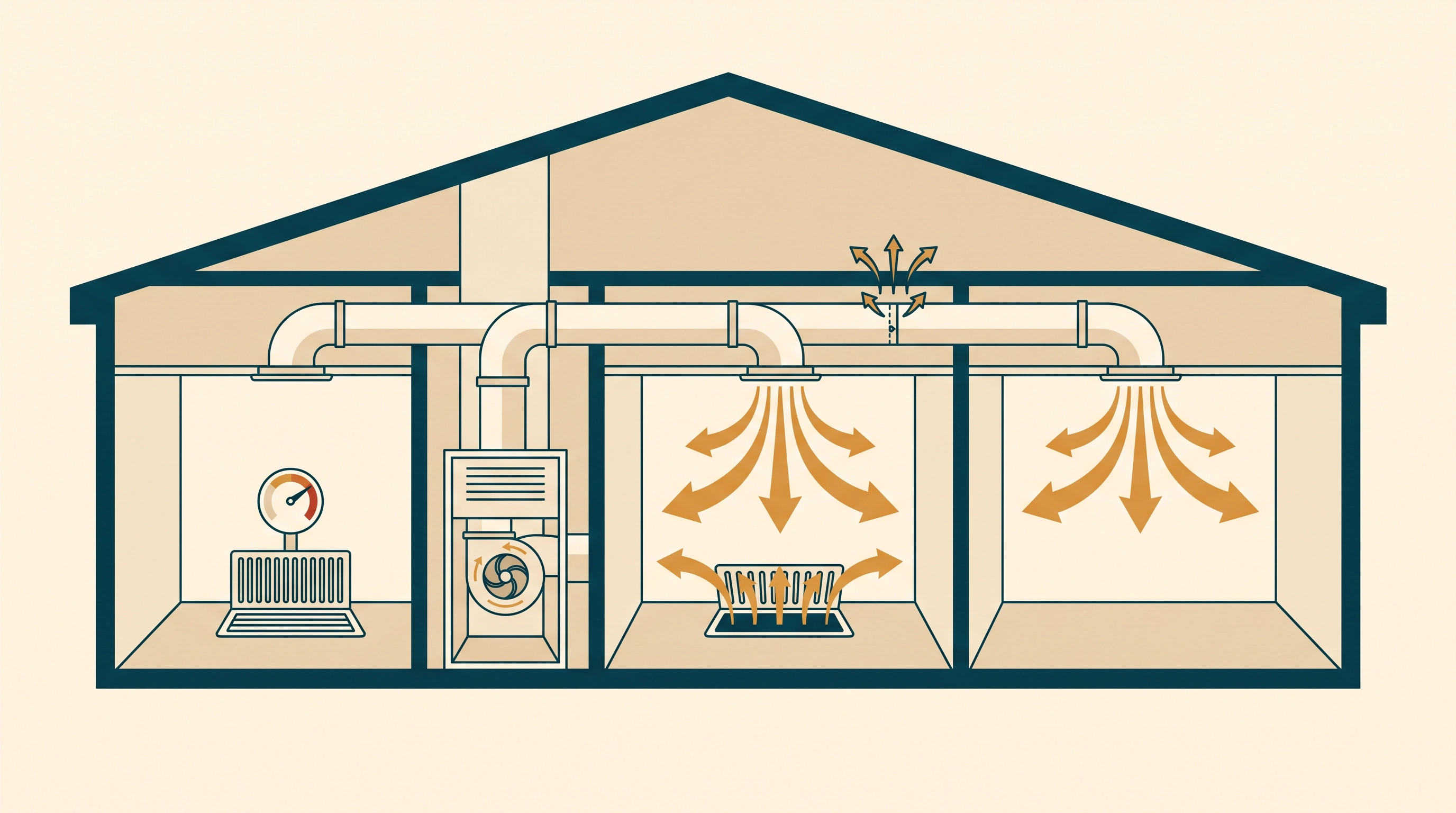
Does closing vents save money? No — in a typical single-zone forced-air system, closing registers raises static pressure and can cost more than it saves.
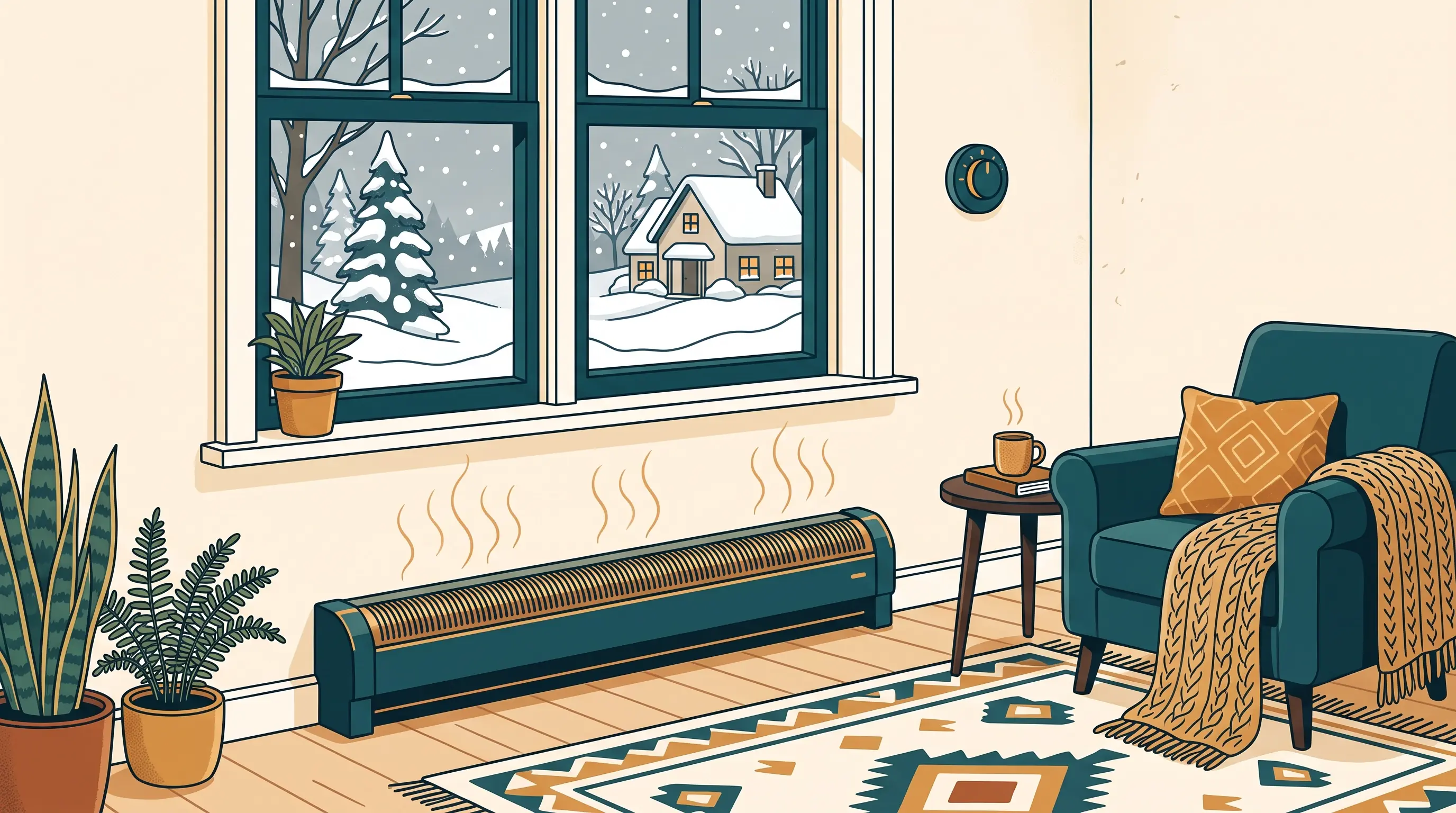
Electric baseboard heater cost to run: a 1,000 W unit costs $0.18/hour at the US average rate — about $44/month at 8 hours a day. Per-wattage tables.
How much does it cost to run a furnace? A 60,000 BTU/h gas furnace costs about $1.44 per hour of burner run at national-average prices. The full formula.
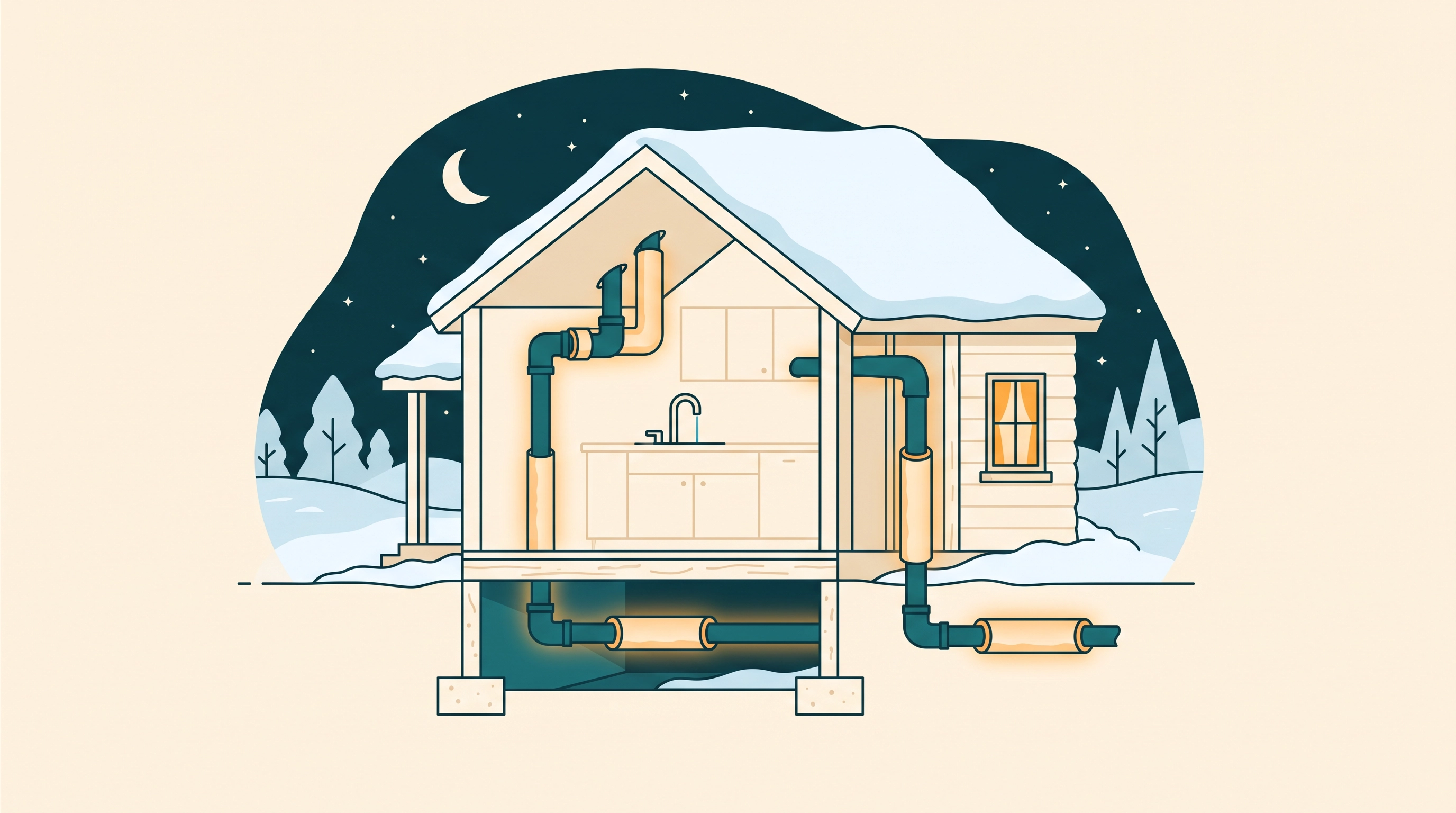
How to keep pipes from freezing: the ranked prevention ladder — free tonight, cheap this weekend, worth-it upgrades — plus who pays if one bursts.
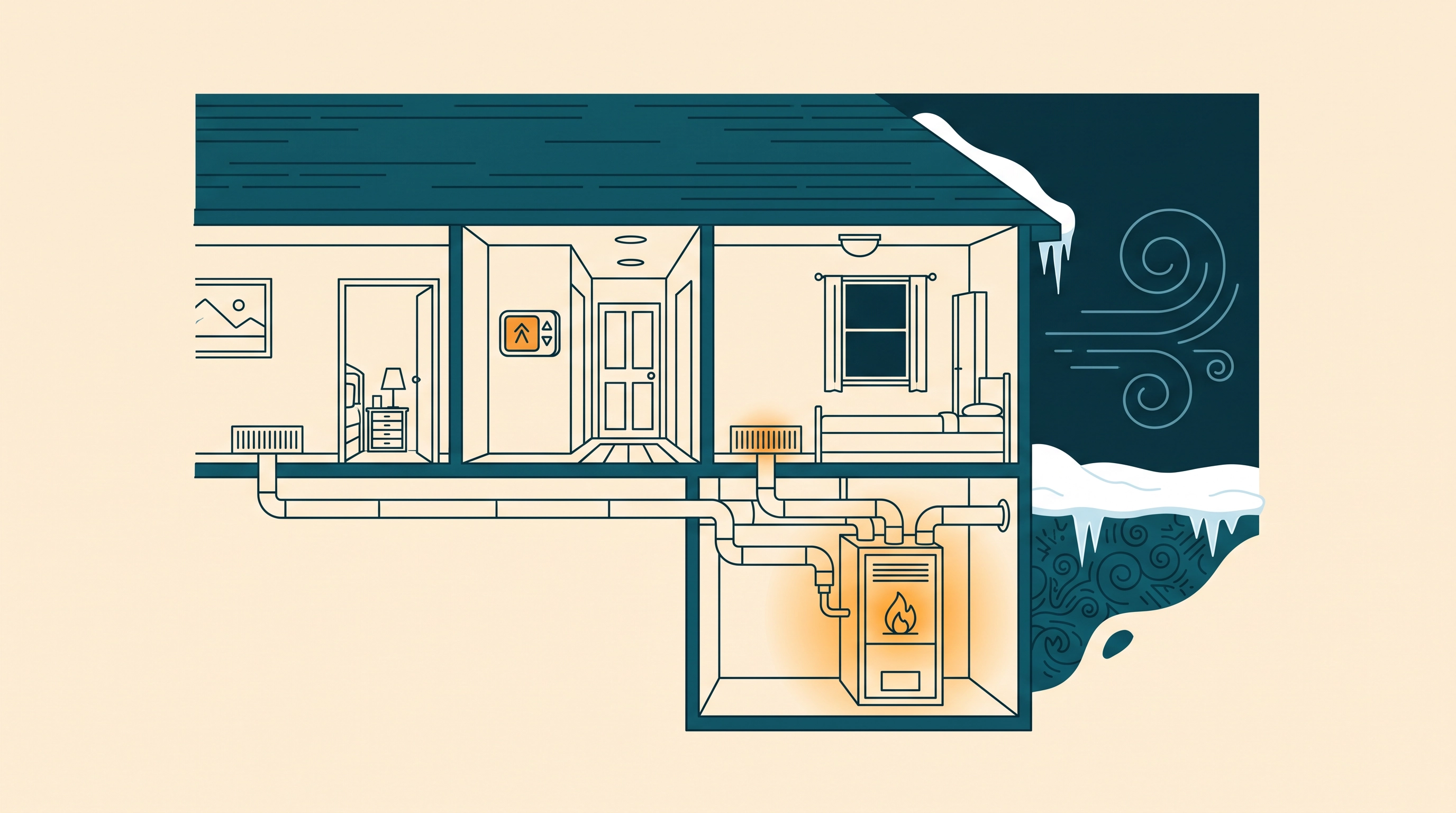
Why is my furnace running constantly? It is often normal in cold weather — or one of five fixable problems. Ranked causes and the DIY-vs-pro line.
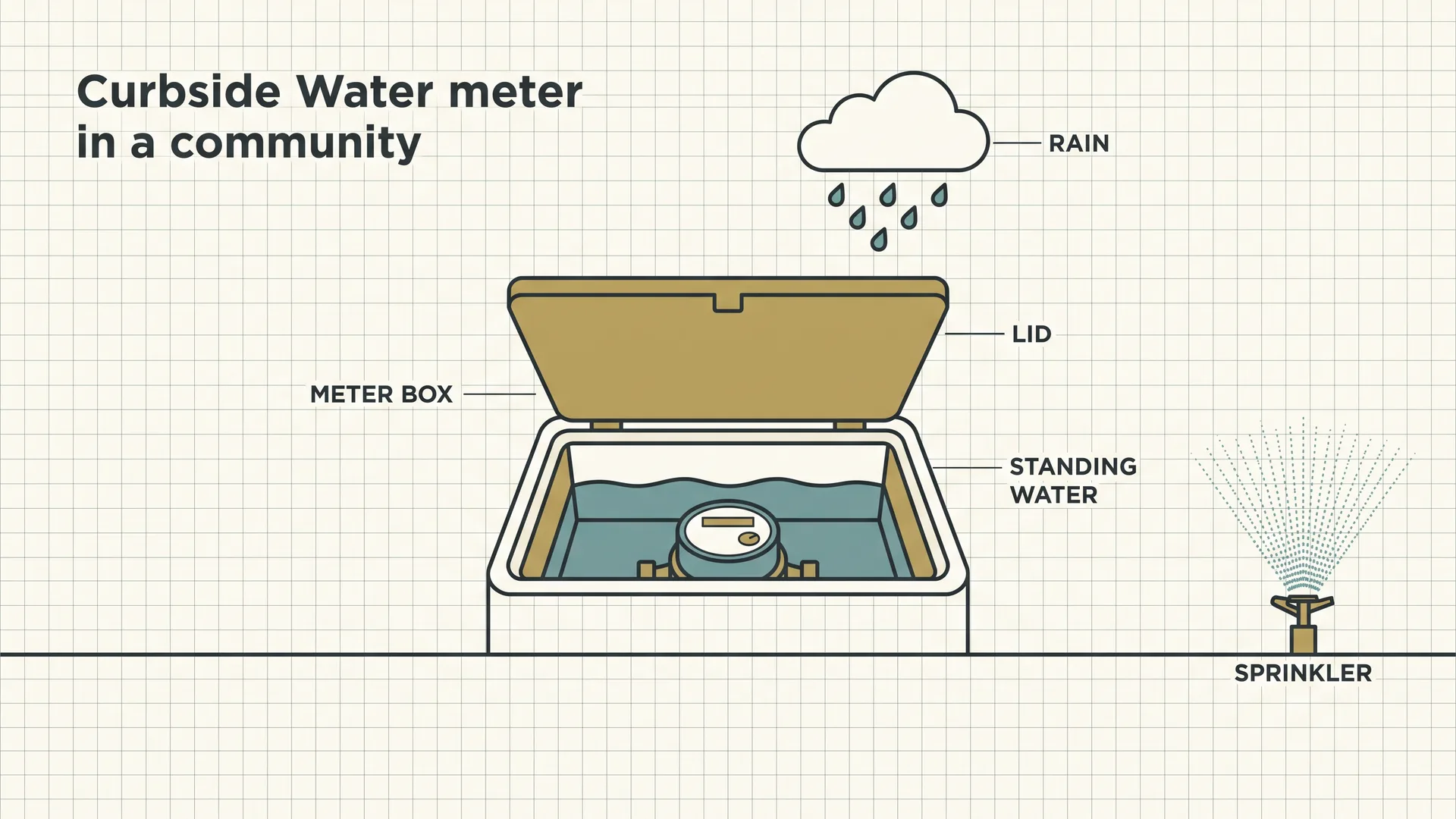
Water in your meter box is usually rain — but it can be a leak on either side of the meter. A 2-minute decision tree: rain or rising, spinning or still.
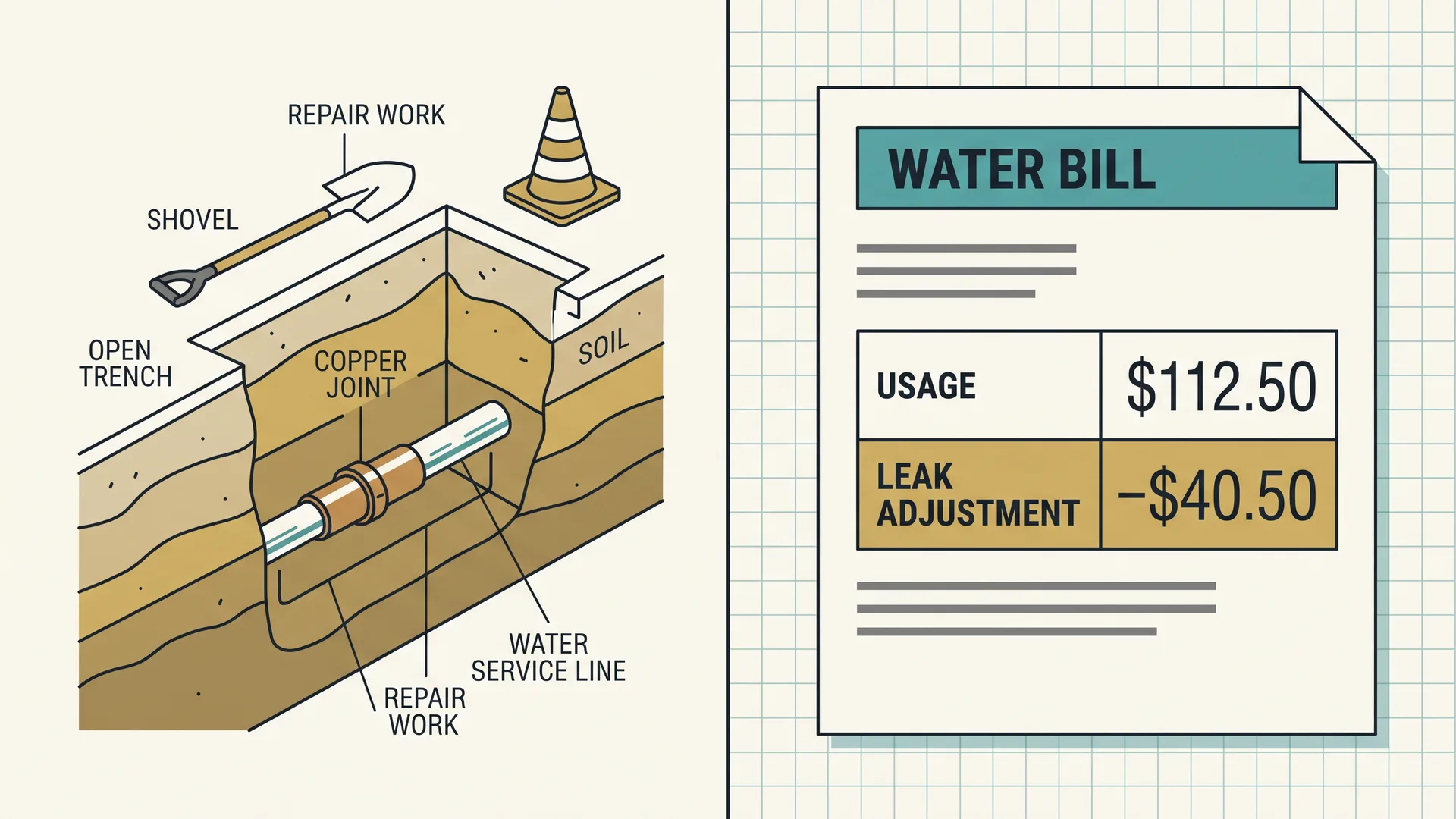
You fixed the leak — now the $400 bill. Most utilities will credit part of it if you ask correctly: the policy terms, the math, and a request letter.
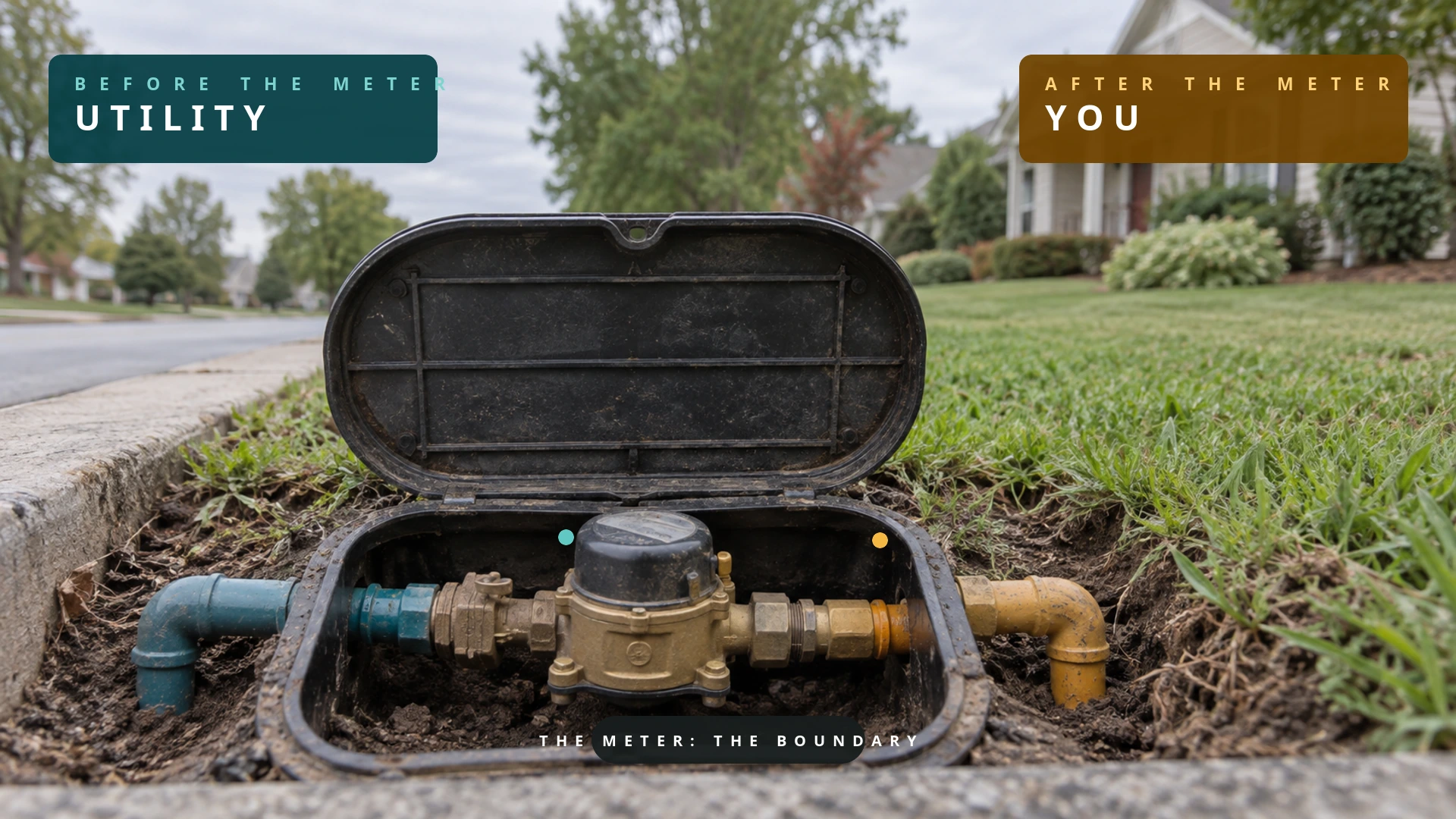
Who is responsible for a water leak — before or after the meter? How to locate the boundary, document evidence, and escalate when utility says not ours.
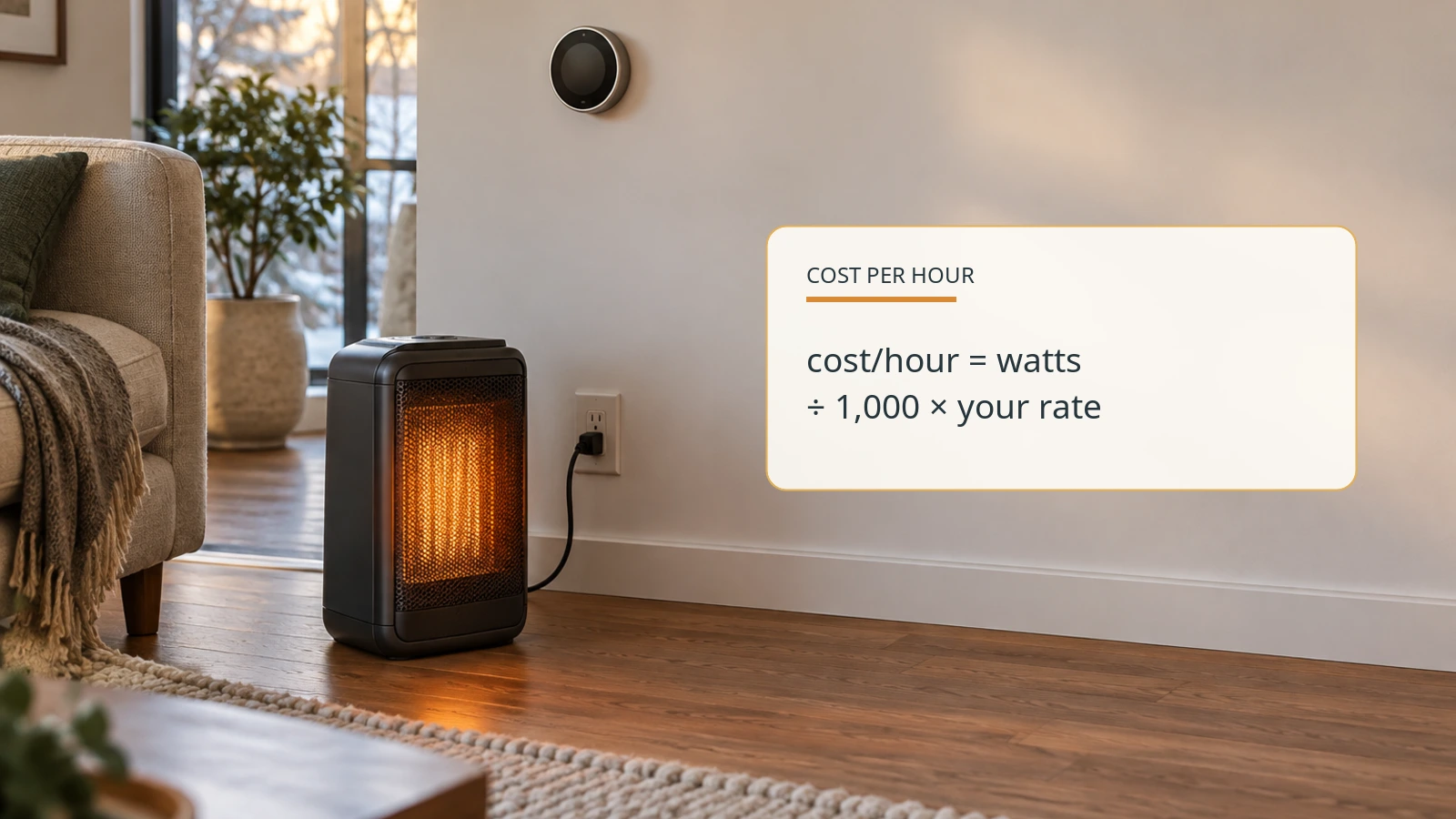
Space heater running cost: a 1,500 W heater costs $0.28/hour at the US average rate. Per-wattage tables and when one room beats the thermostat.
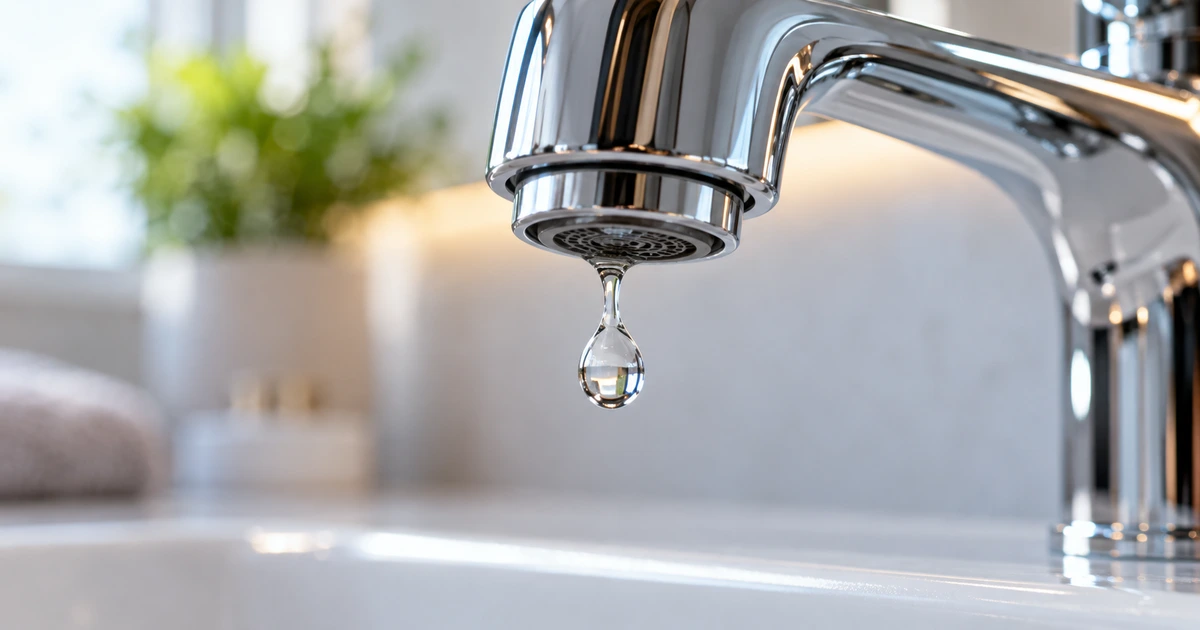
A single dripping faucet can waste over 3,000 gallons of water per year, adding $15–$30 to your bill before sewer surcharges are even calculated.
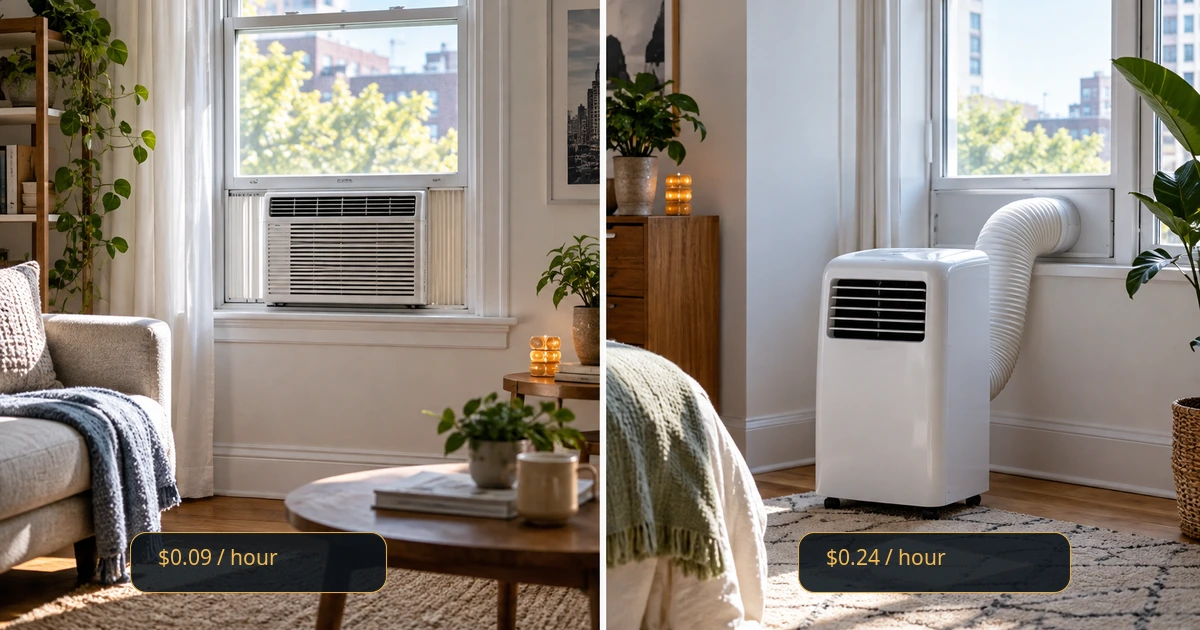
How much does it cost to run a window or portable AC? Between $0.09 and $0.26 per hour of compressor time at 2026 rates, depending on size and efficiency.
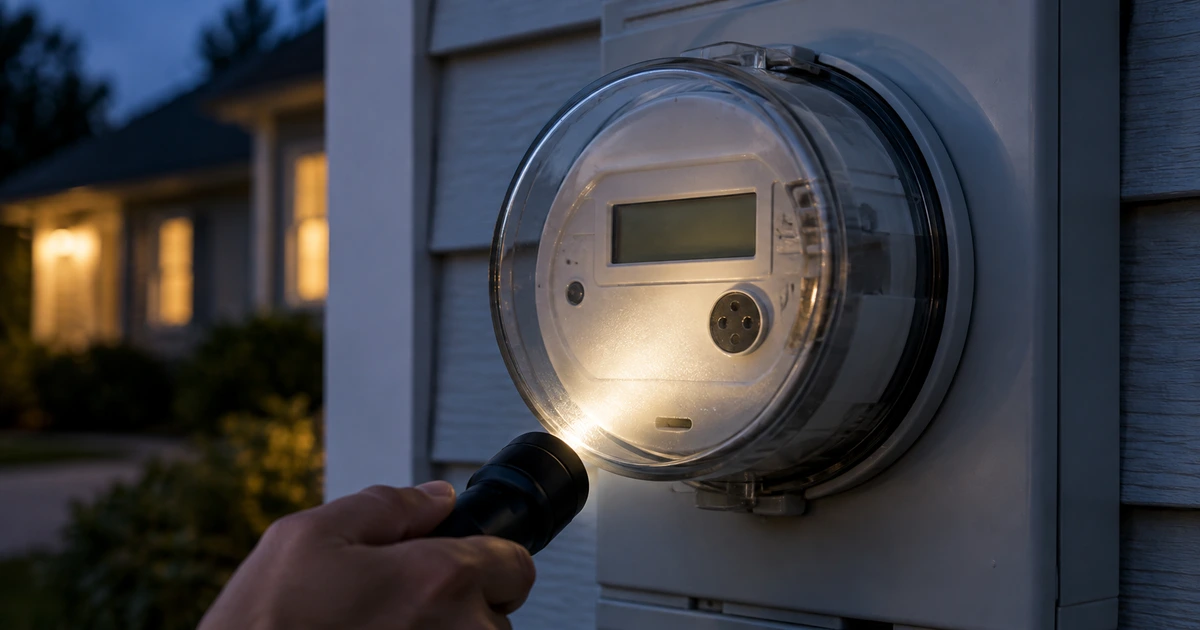
Is a neighbor stealing your electricity? If your bill spiked without a habit change, a simple main-breaker test can prove it before you call the utility.
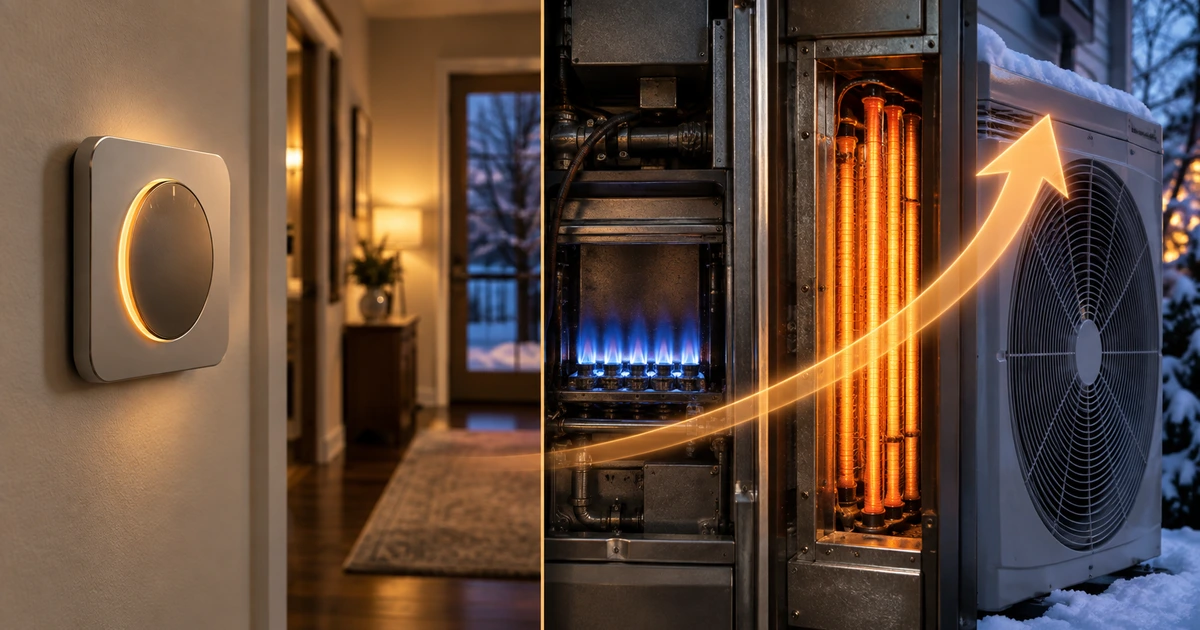
A fuel-agnostic diagnostic for heating bill spikes — electric resistance, heat pumps, propane, oil, and gas — including the hidden cost of blower motors.

Sewer rates double or triple water rates because treating wastewater costs more than extracting it; here is the math behind the gap and how to spot errors.
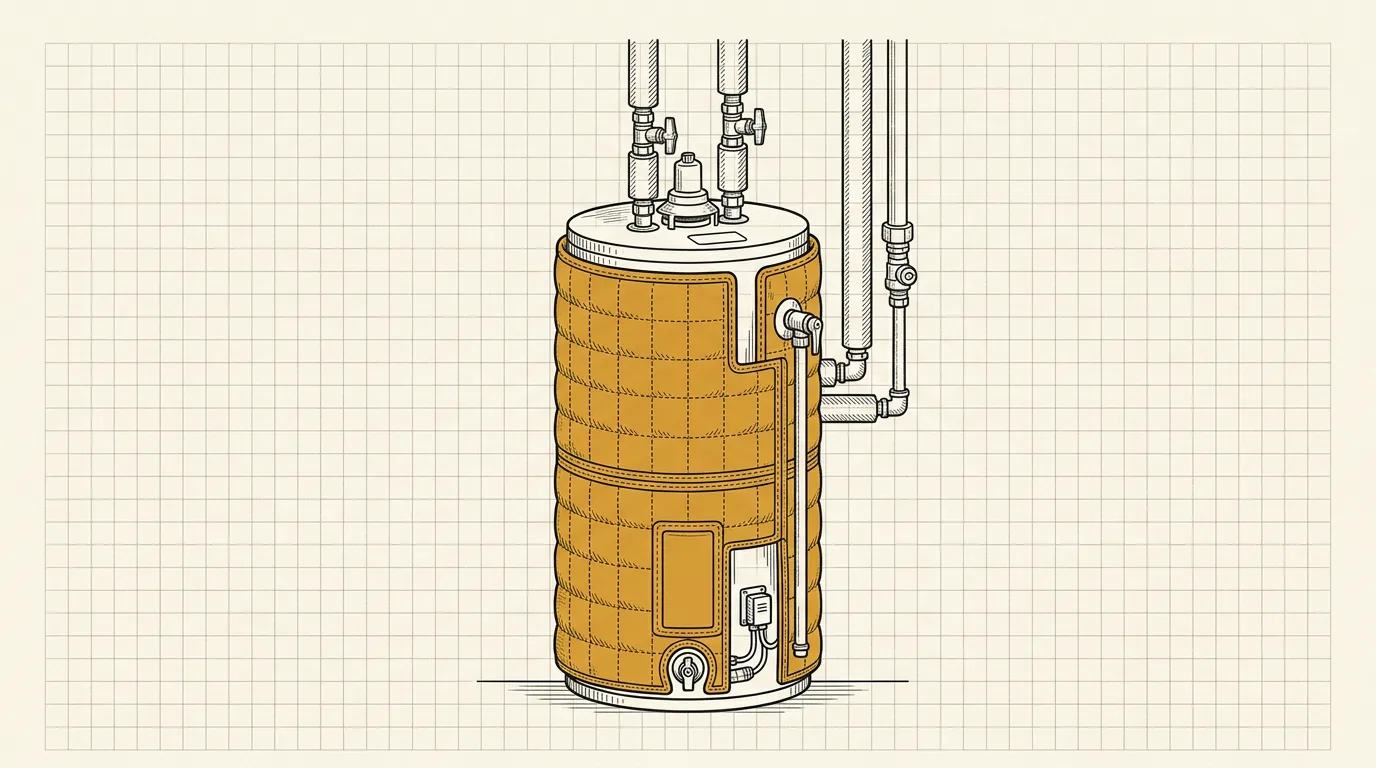
Are water heater blankets worth it? Marginal on a modern tank, worthwhile on an older one — the honest math on standby loss and when the $33 pays off.
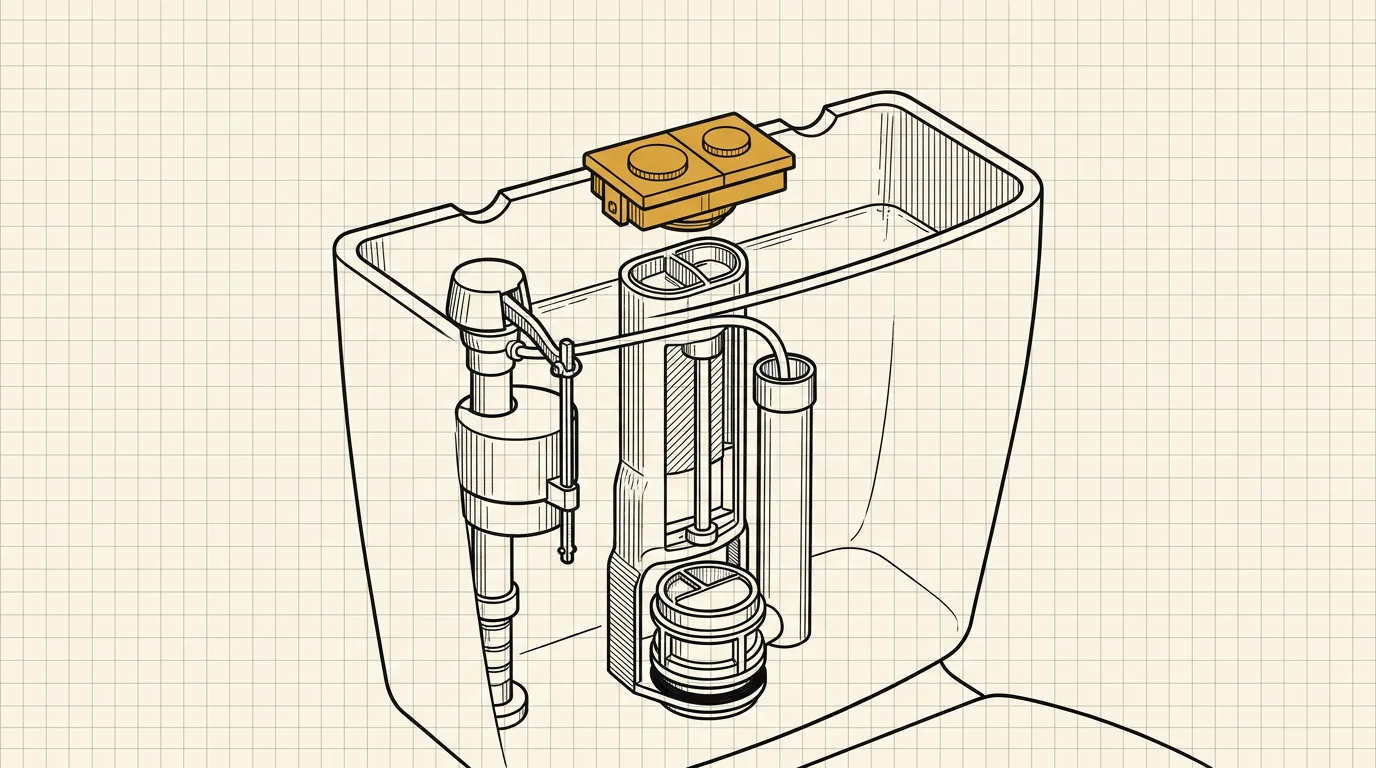
A dual-flush conversion kit turns an old 3.5-gallon toilet into a 1.6/0.8-gallon two-button toilet for about $33 — if it fits. Honest compatibility guide.
A faucet aerator is the cheapest per-gallon-saved water upgrade there is — a few dollars, a thirty-second twist, no tools. The honest pick for kitchens.
Best low-flow showerheads: pressure-compensating designs at 1.5 GPM that still feel strong, plus the bucket-and-stopwatch test for your current head.
Aerostar's MERV 11 six-pack is the workhorse filter buy, but the MERV 13 six-pack costs less — so which should go in your slot? The honest comparison.
Best outdoor faucet covers: a $7 cover beats one burst pipe, but not every spigot needs one. The honest math and the 30-second install that protects it.
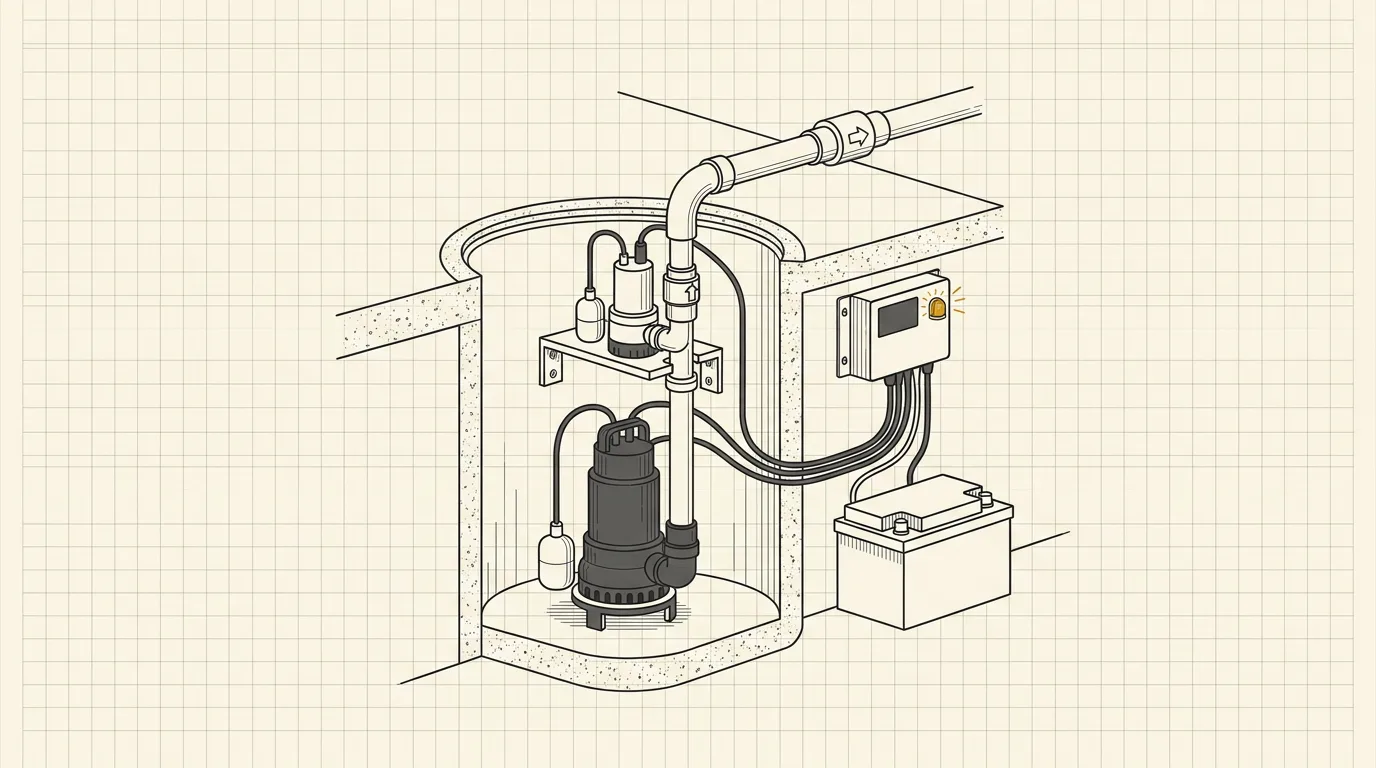
Is the WAYNE ESP25n battery backup worth $350? The honest runtime math — amp-hours times 12 volts divided by pump draw — and when water-powered wins.
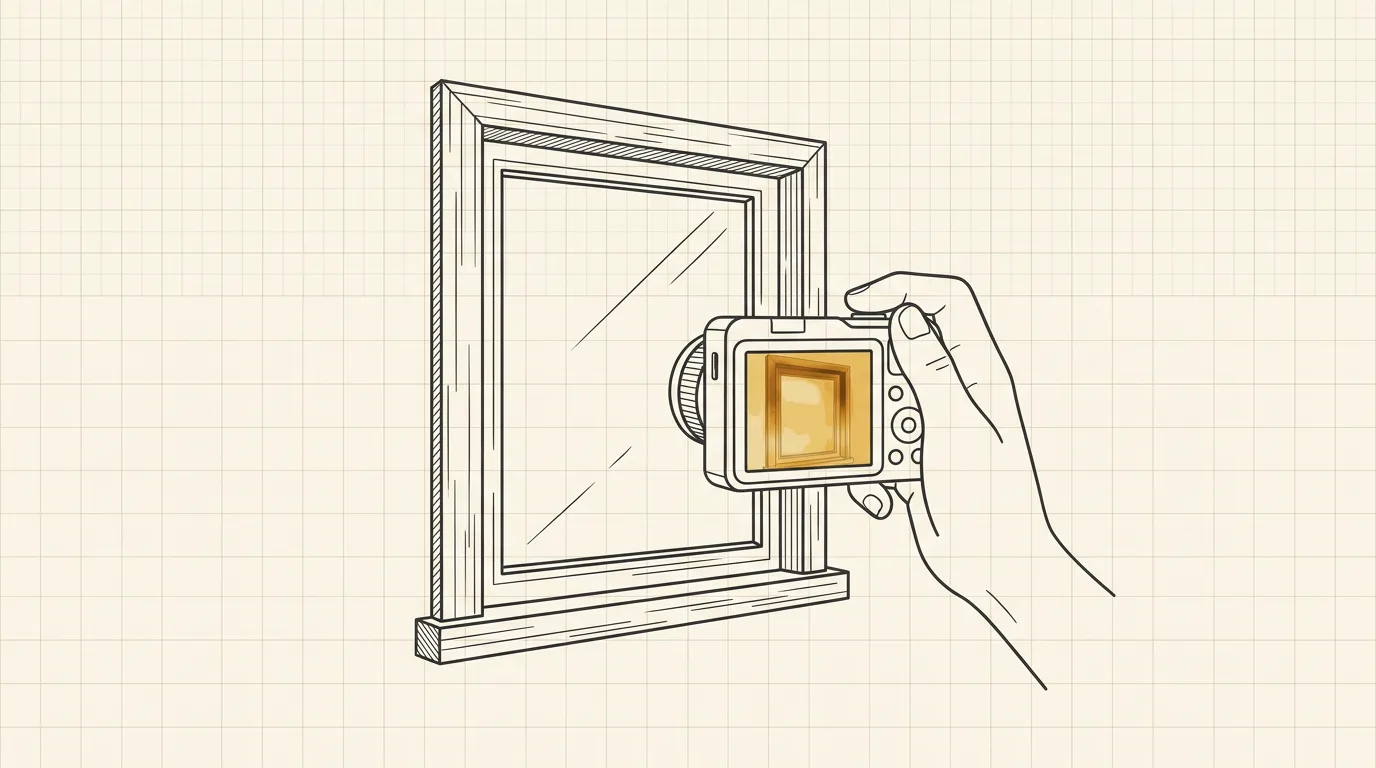
Can a ~$116 USB-C thermal camera find drafts and insulation gaps? Yes — but it cannot see inside walls or read R-values. What the Thermal Master P1 can do.
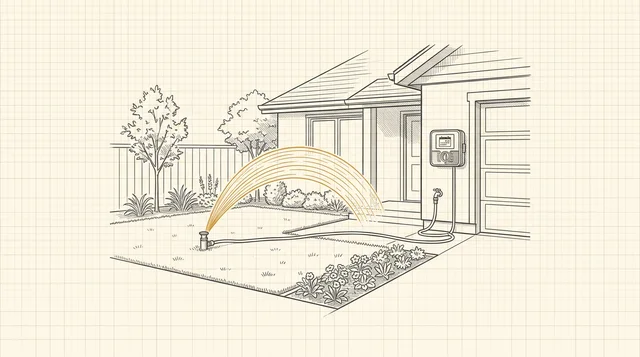
Smart sprinkler controllers save water for people who over-water on a fixed schedule — and almost nothing for people who already water correctly.
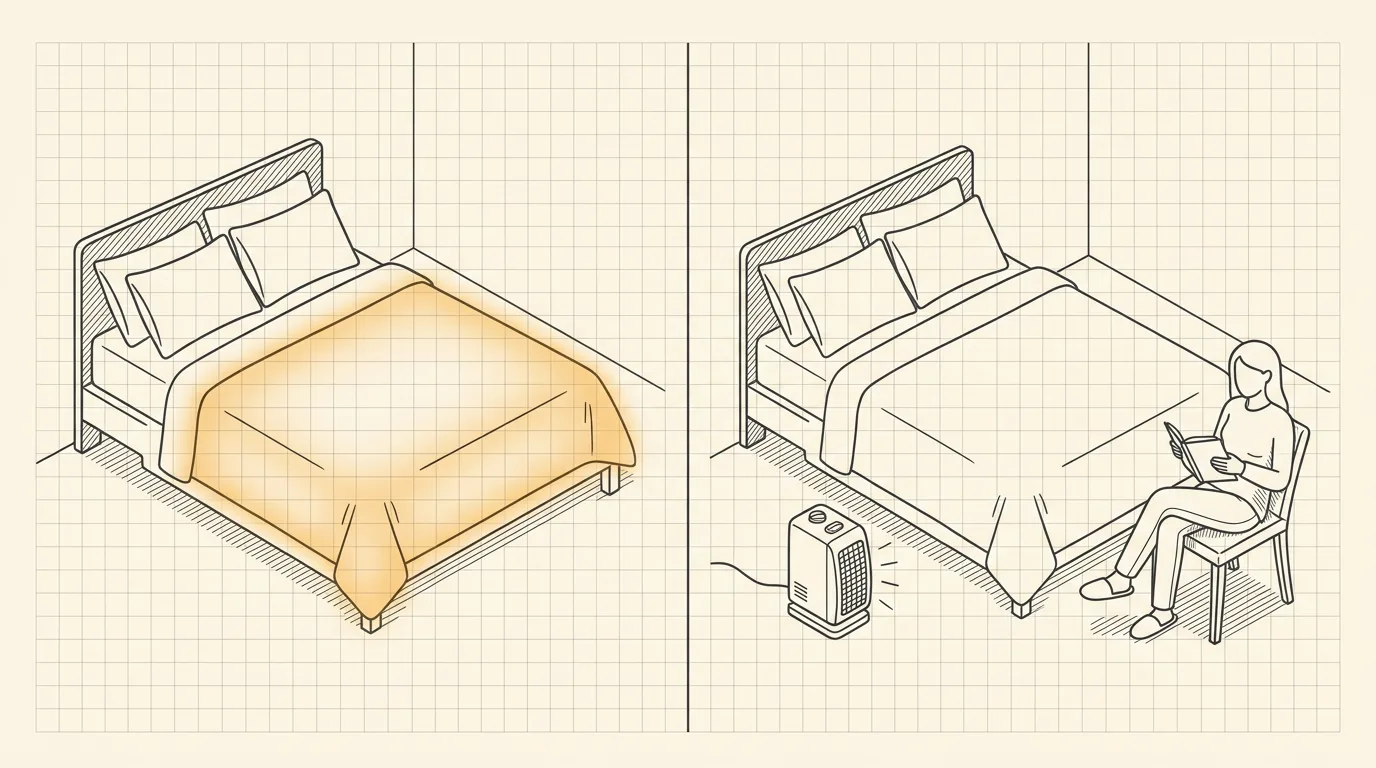
Electric blanket vs space heater: an electric blanket costs about $6.60 a month to run; a space heater costs $25–66. The honest math on which is cheaper.
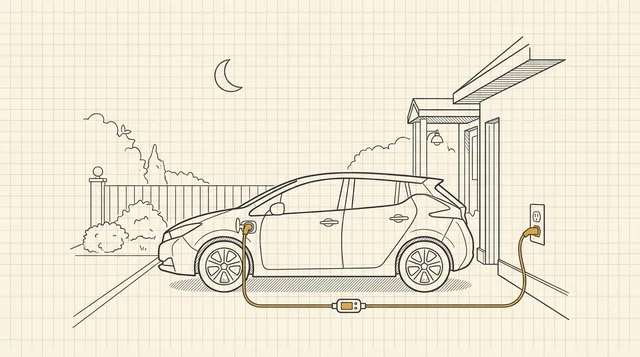
Level 1 EV charging — the 120V cord in the trunk — is billed electricity, not free. The honest outlet math and the monthly dollar range for a real commute.
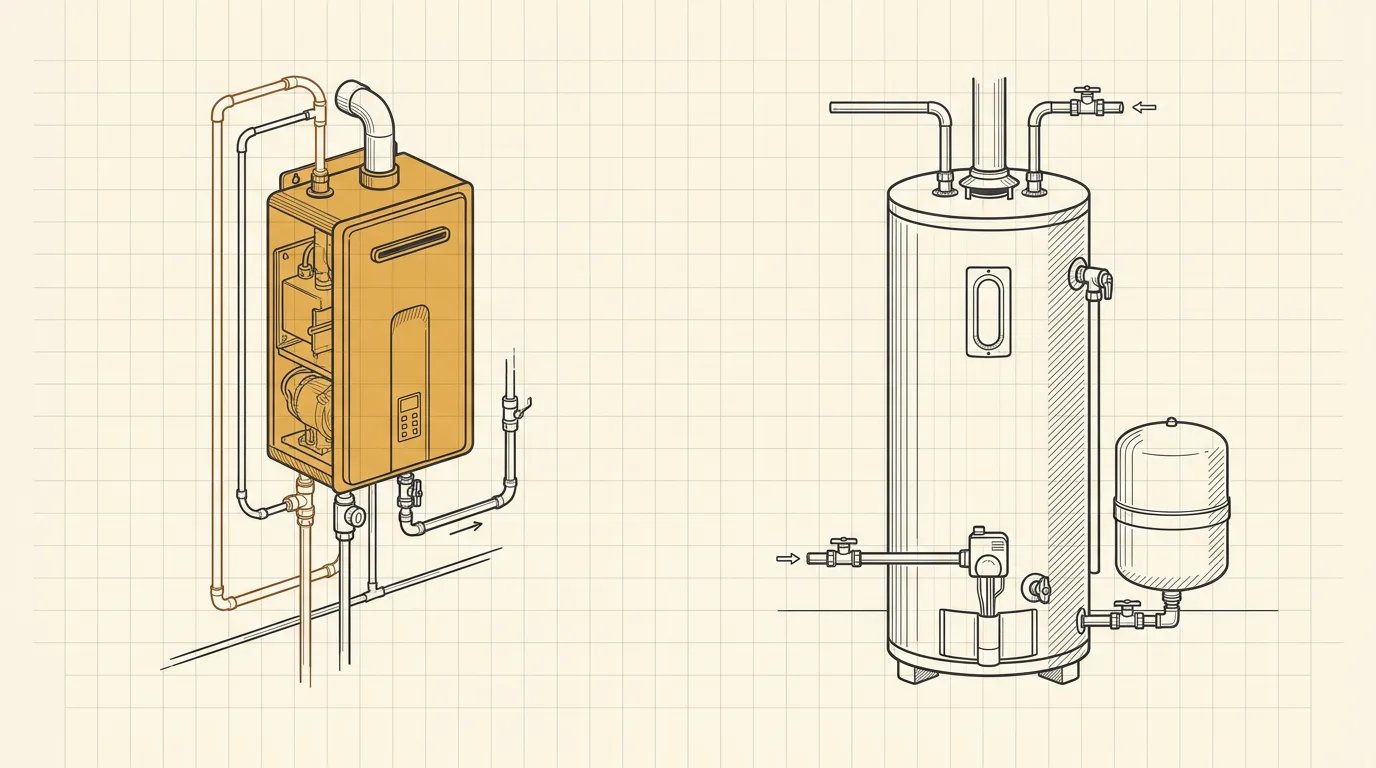
Tankless vs tank water heater: tankless units are 24–34% more efficient on paper, but real savings depend on usage, climate, and upfront cost.
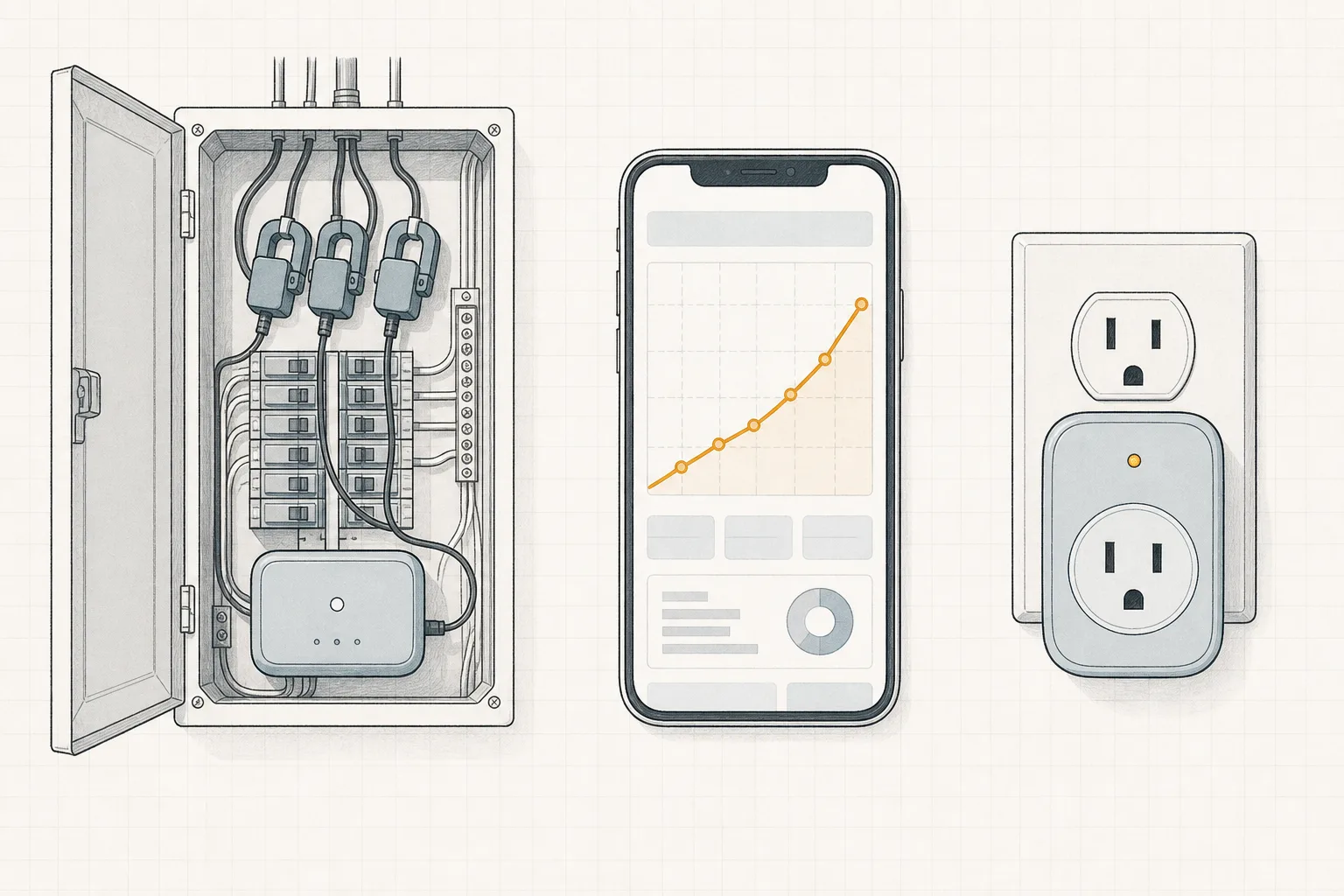
The best home energy monitors of 2026, picked for measurement accuracy and app quality — including what to buy now that Sense is discontinued.
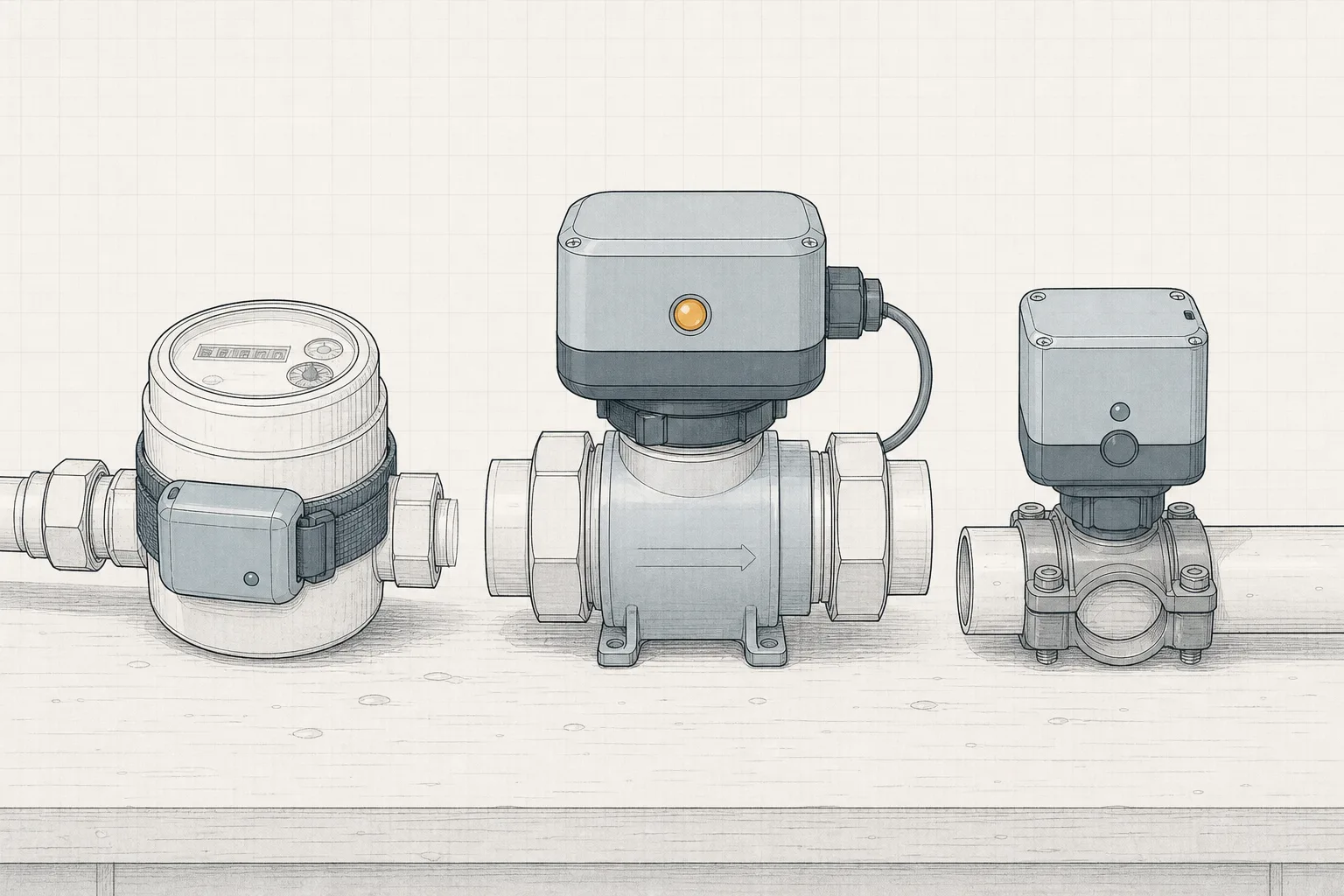
Flume 2 vs Moen Flo vs Phyn Plus: three ways to watch your water. Differences in install, shutoff, subscriptions, and what happens when you're away.
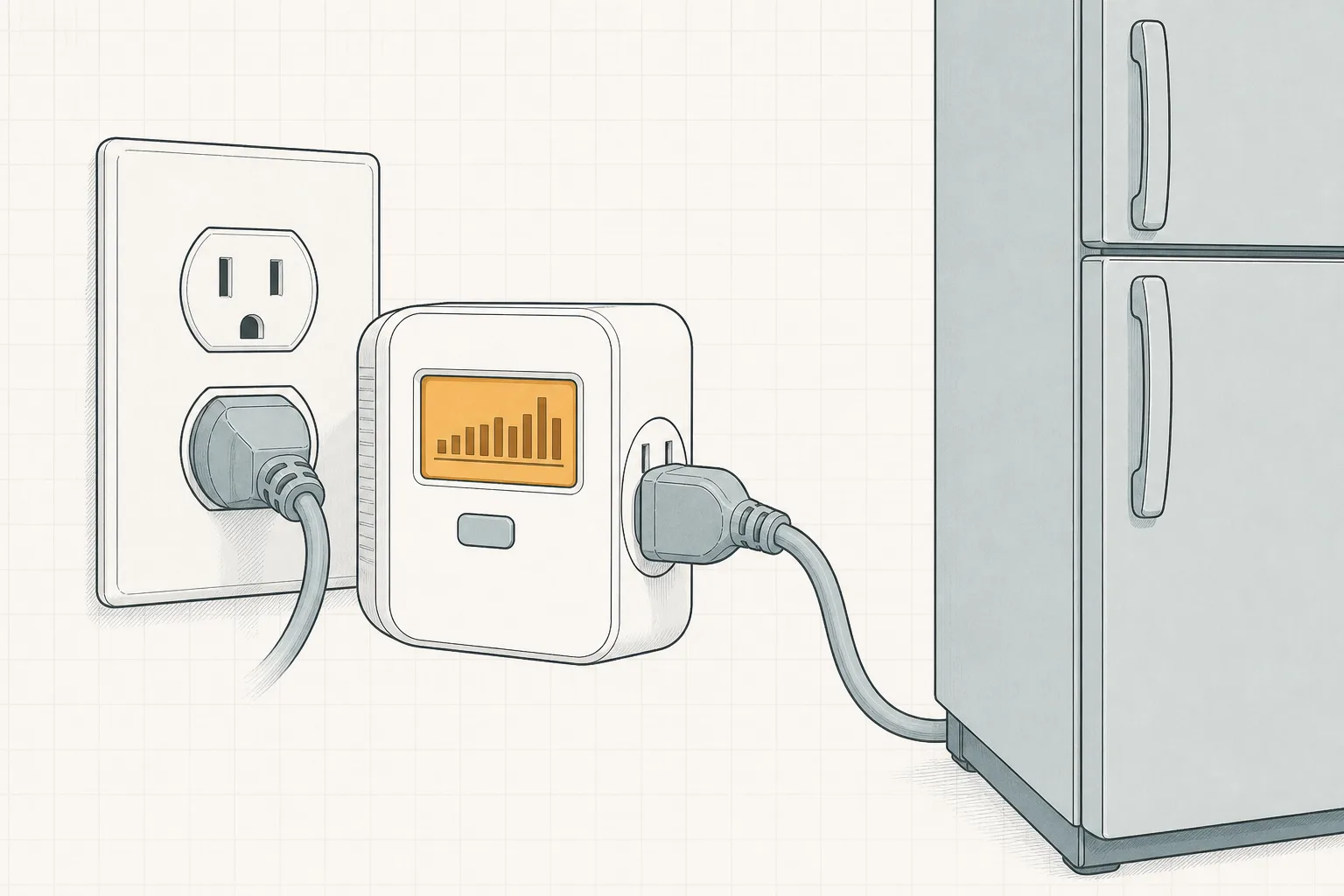
The Kill A Watt P4400 is back in stock, but it is not the only way to measure appliance costs. The real alternatives — and when each is the better tool.
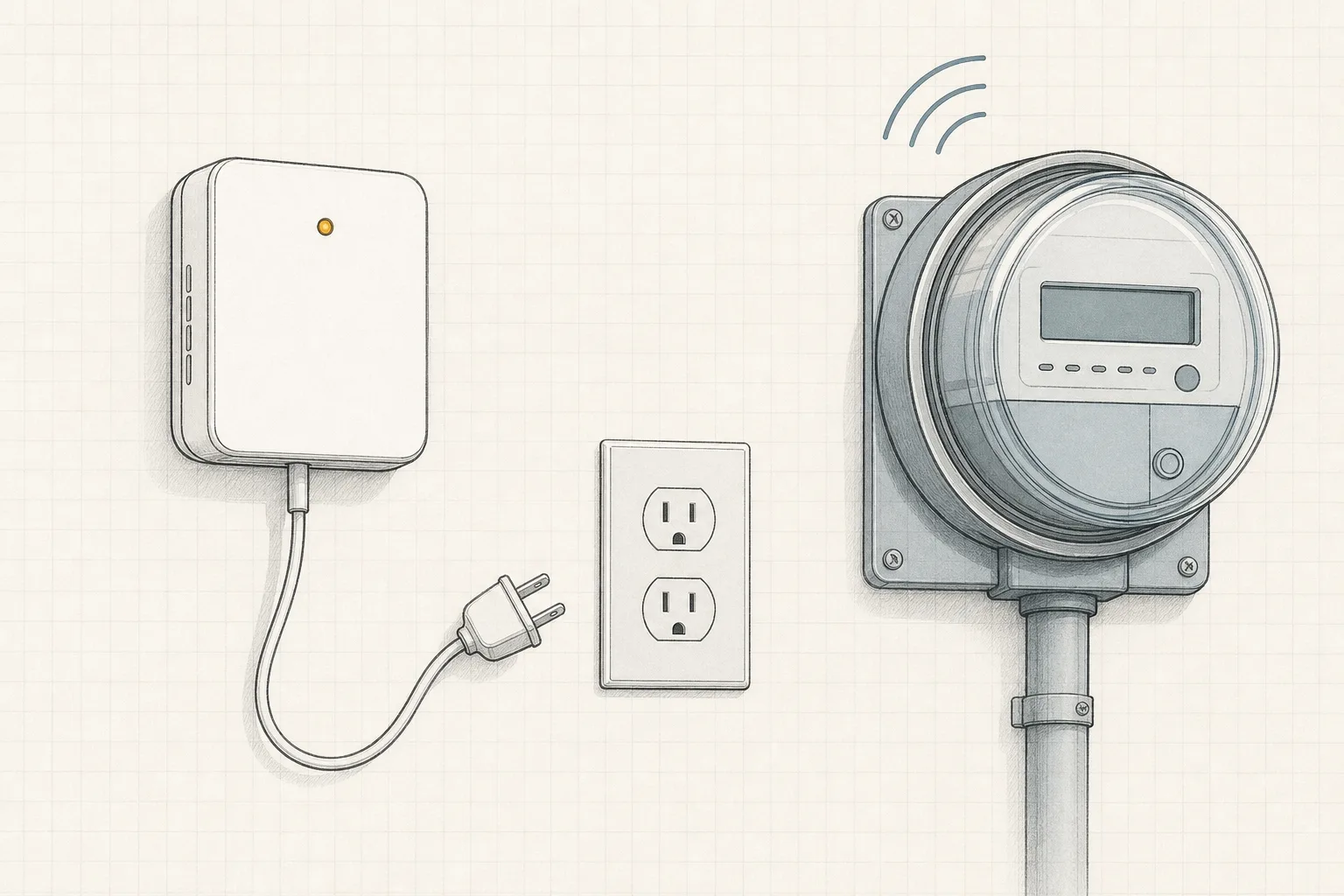
Sense stopped selling its home energy monitor on Dec 31, 2025. What still works for owners, and the alternatives — from free utility data to Emporia Vue 3.
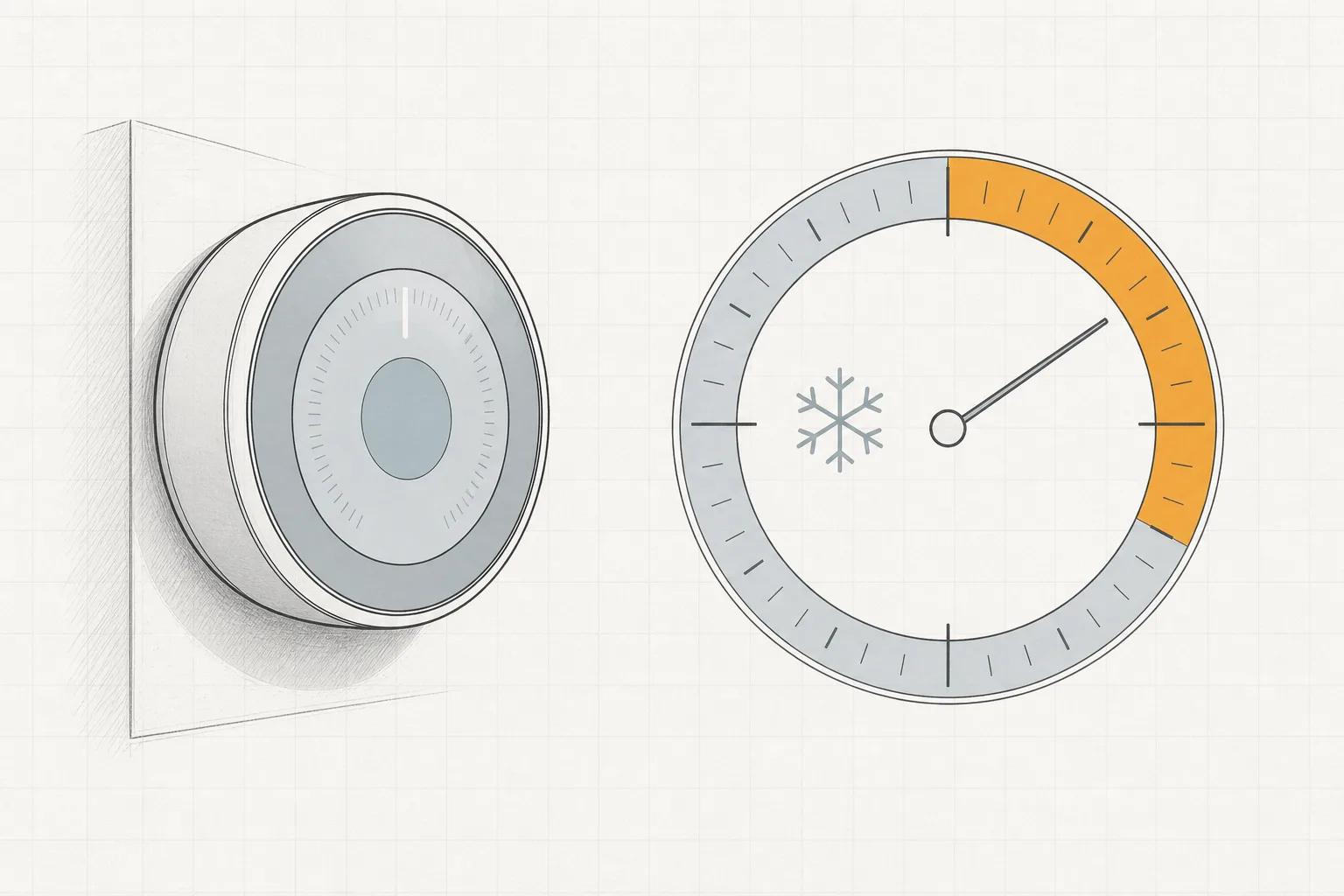
A smart thermostat doesn't lower your rate — it changes when you buy power. How automation meets time-of-use pricing and what the math depends on.
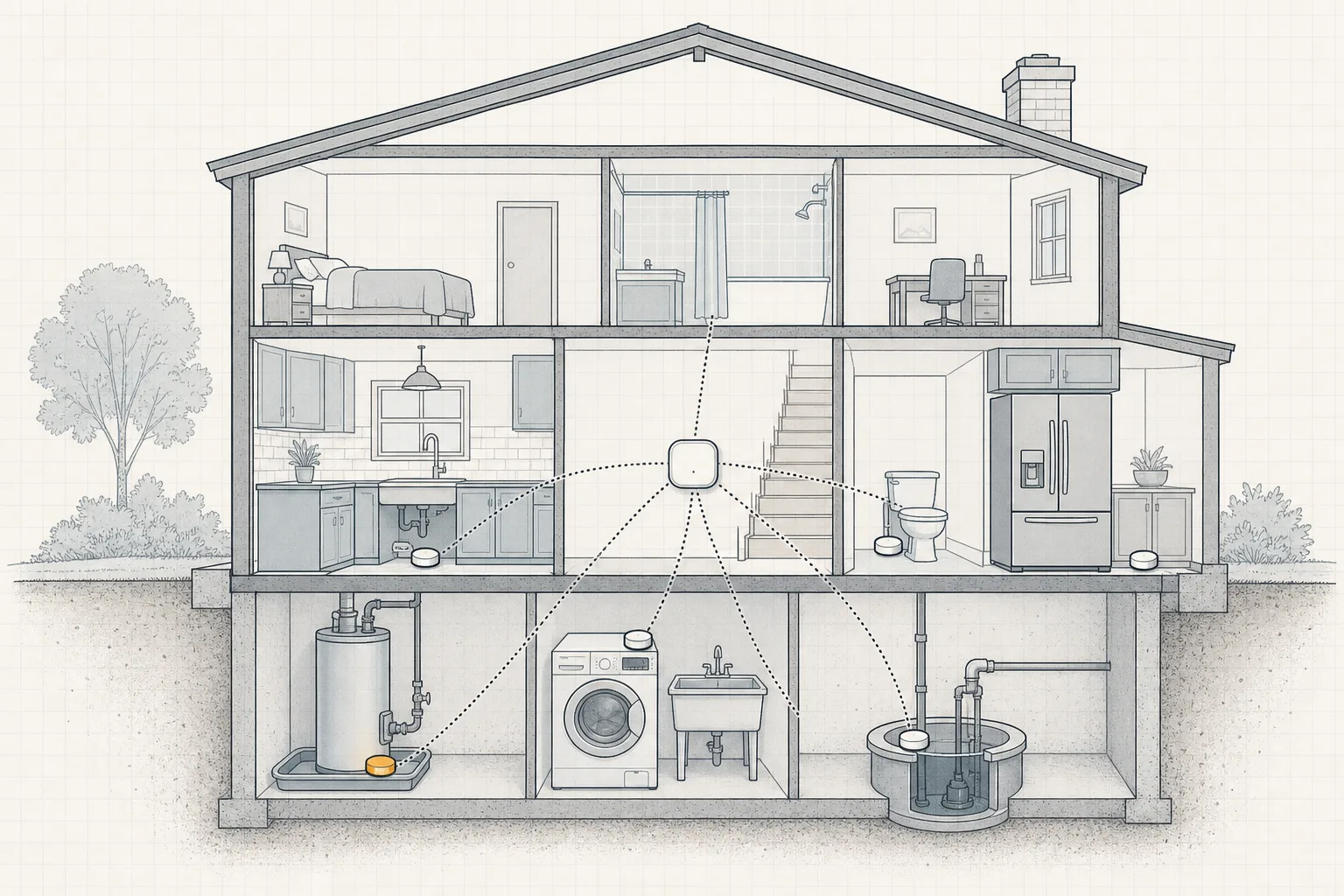
A five-pack of leak sensors only works if the pucks sit where water arrives first. The six high-value placements, the two that waste sensors, and upkeep.
A dehumidifier can cut AC use in humid, mild summers — or add cost in hot climates. How humidity, setpoints, and the unit's own draw decide.
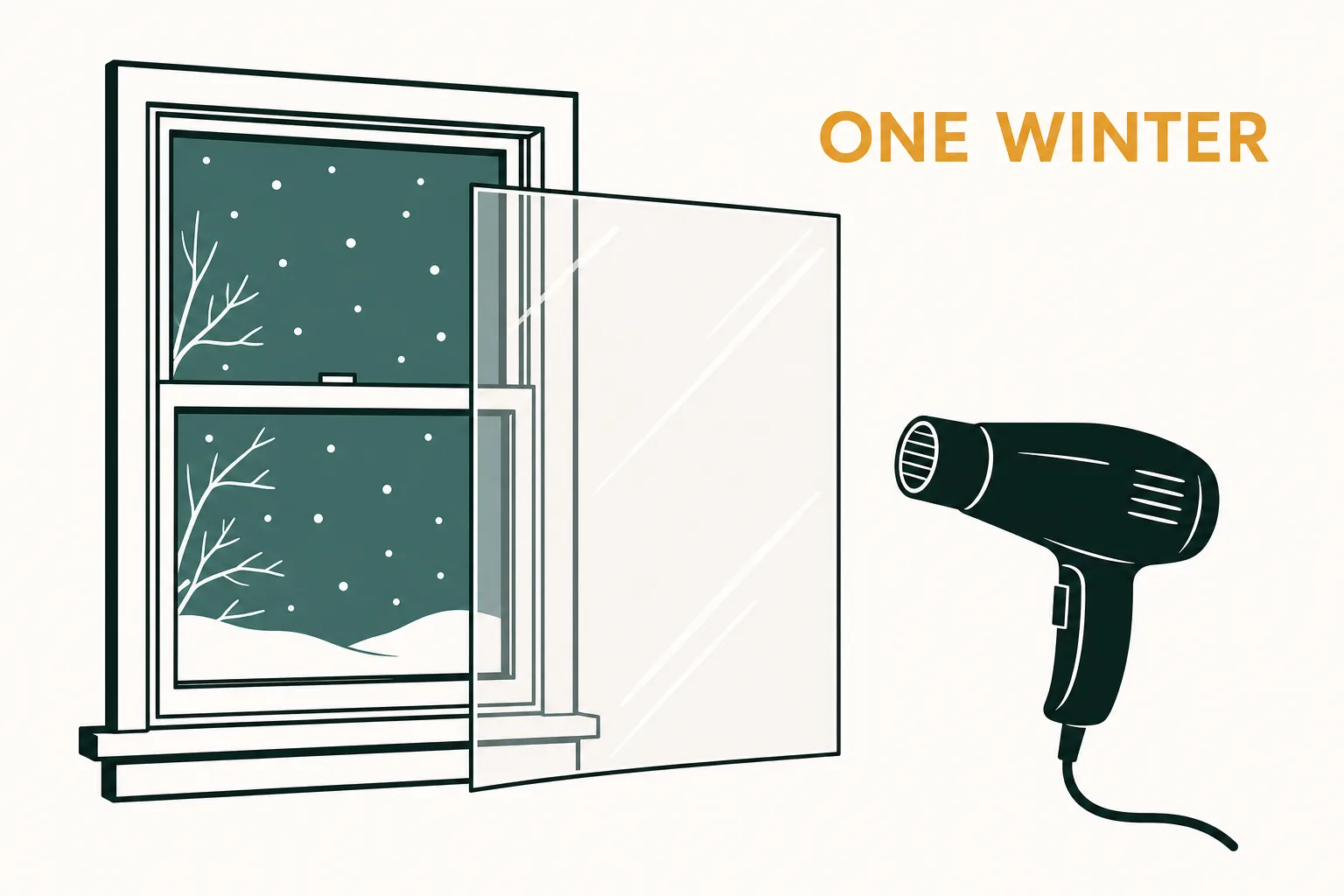
Do window insulation kits pay off? Shrink-film kits cost $12-20 and add a dead-air layer over drafty glass. When it pays, and when caulk or curtains win.
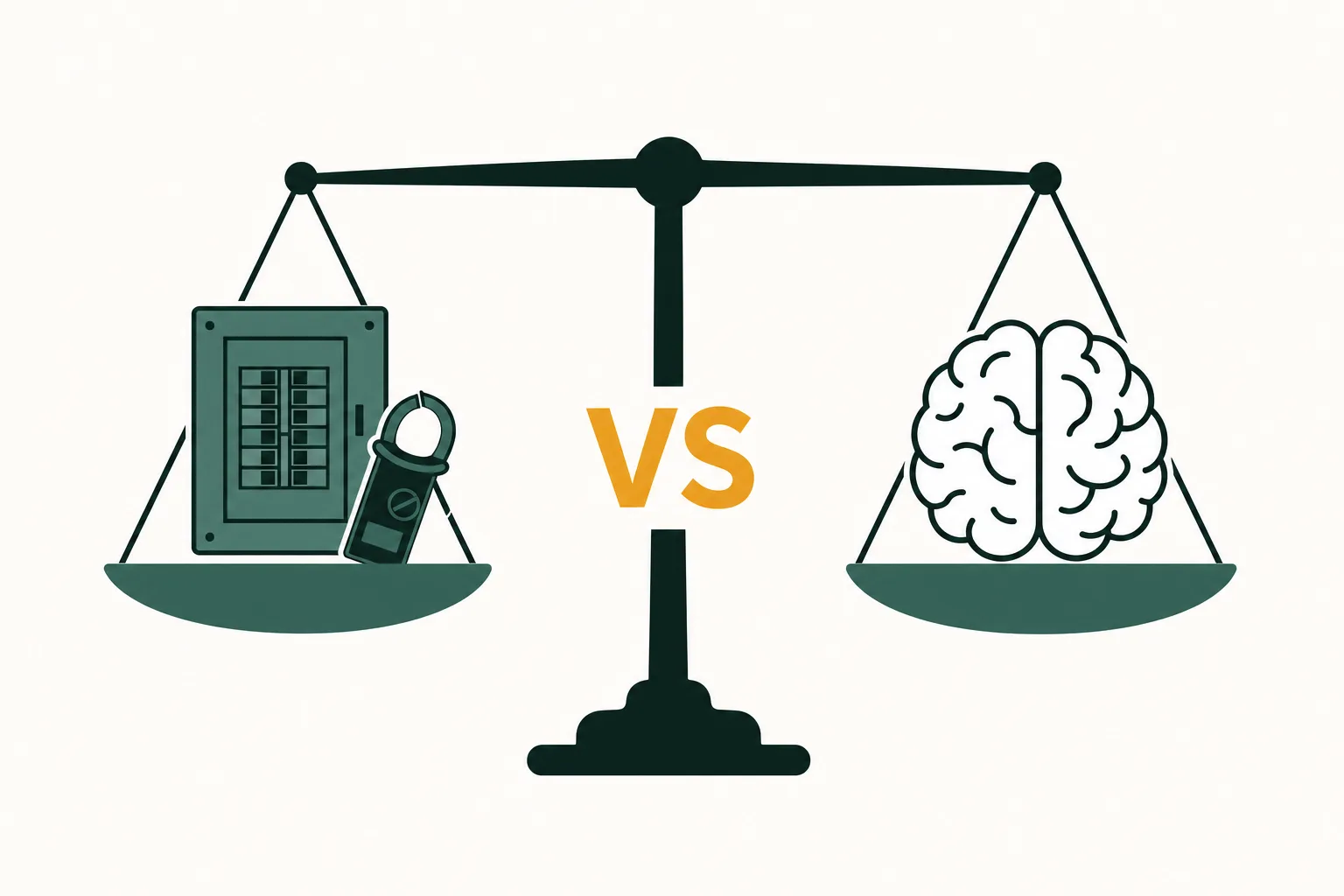
Emporia Vue 3 meters circuits directly; Sense guesses devices from mains data. An impartial comparison of install, channels, and failure modes.
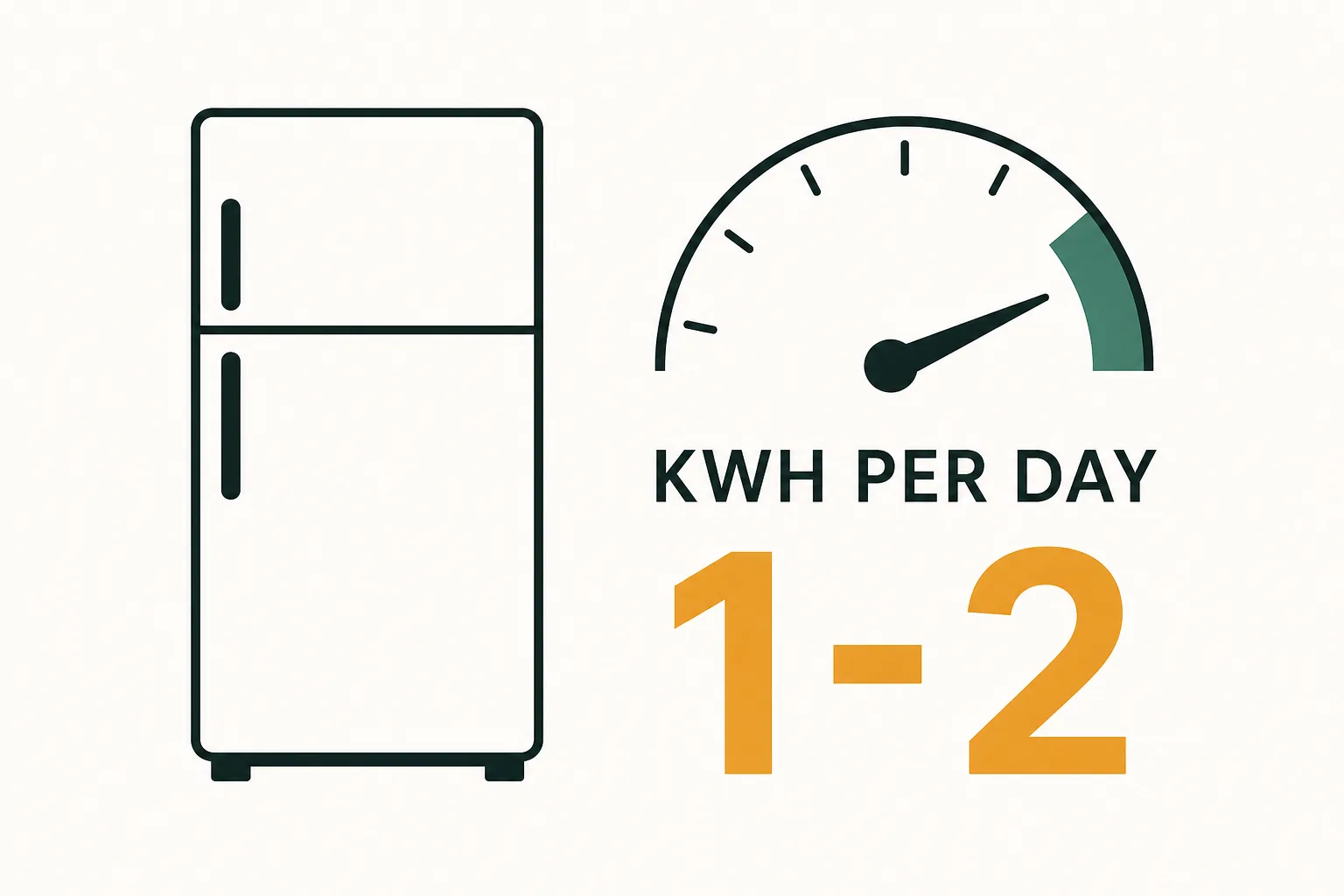
A fridge's running watts matter less than kWh per day. How to measure both with a plug-in meter — or a free one from the library — and price your own.
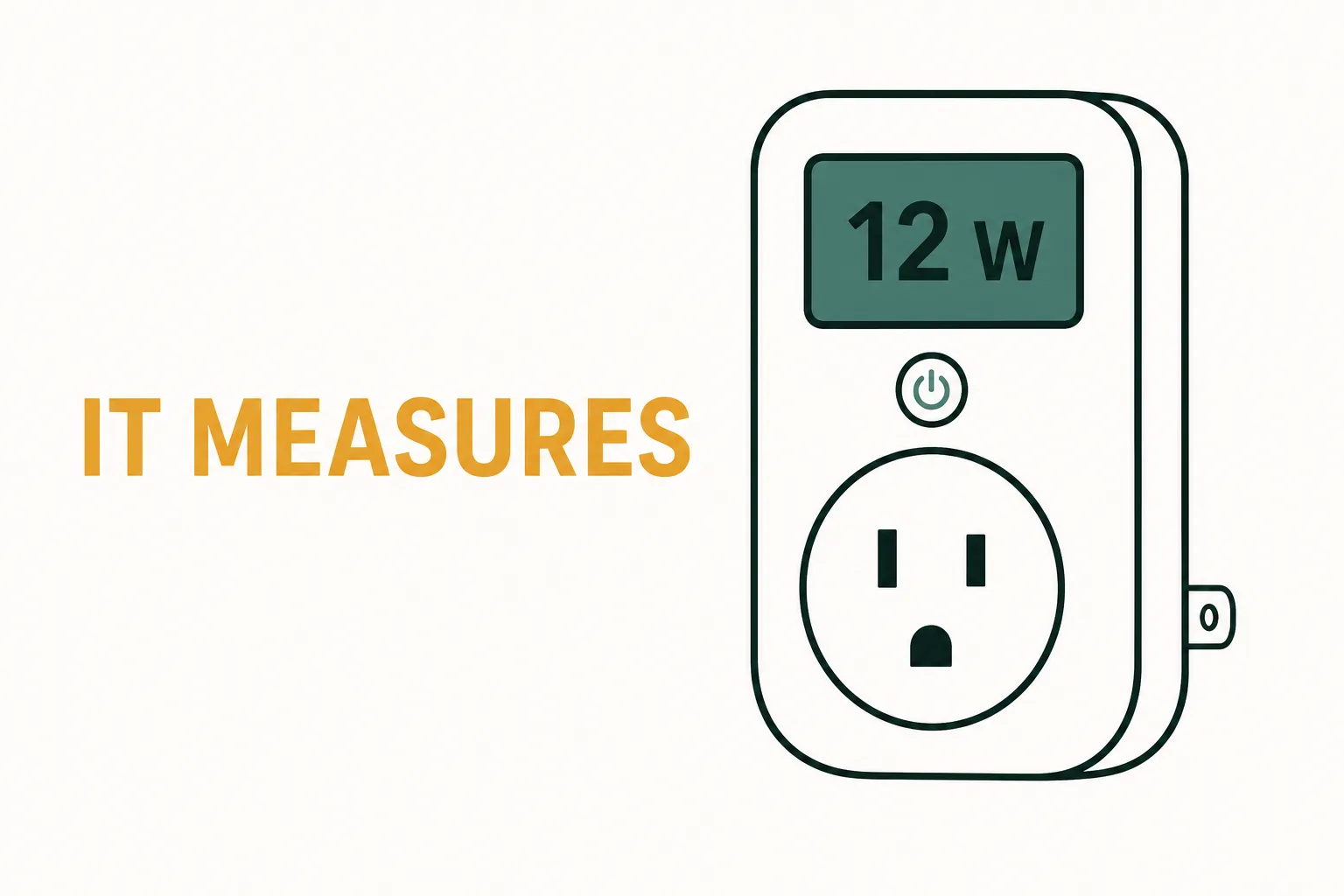
Most smart plugs only switch on and off. How to tell which ones actually measure watts and kWh — and what they can safely meter, including window ACs.
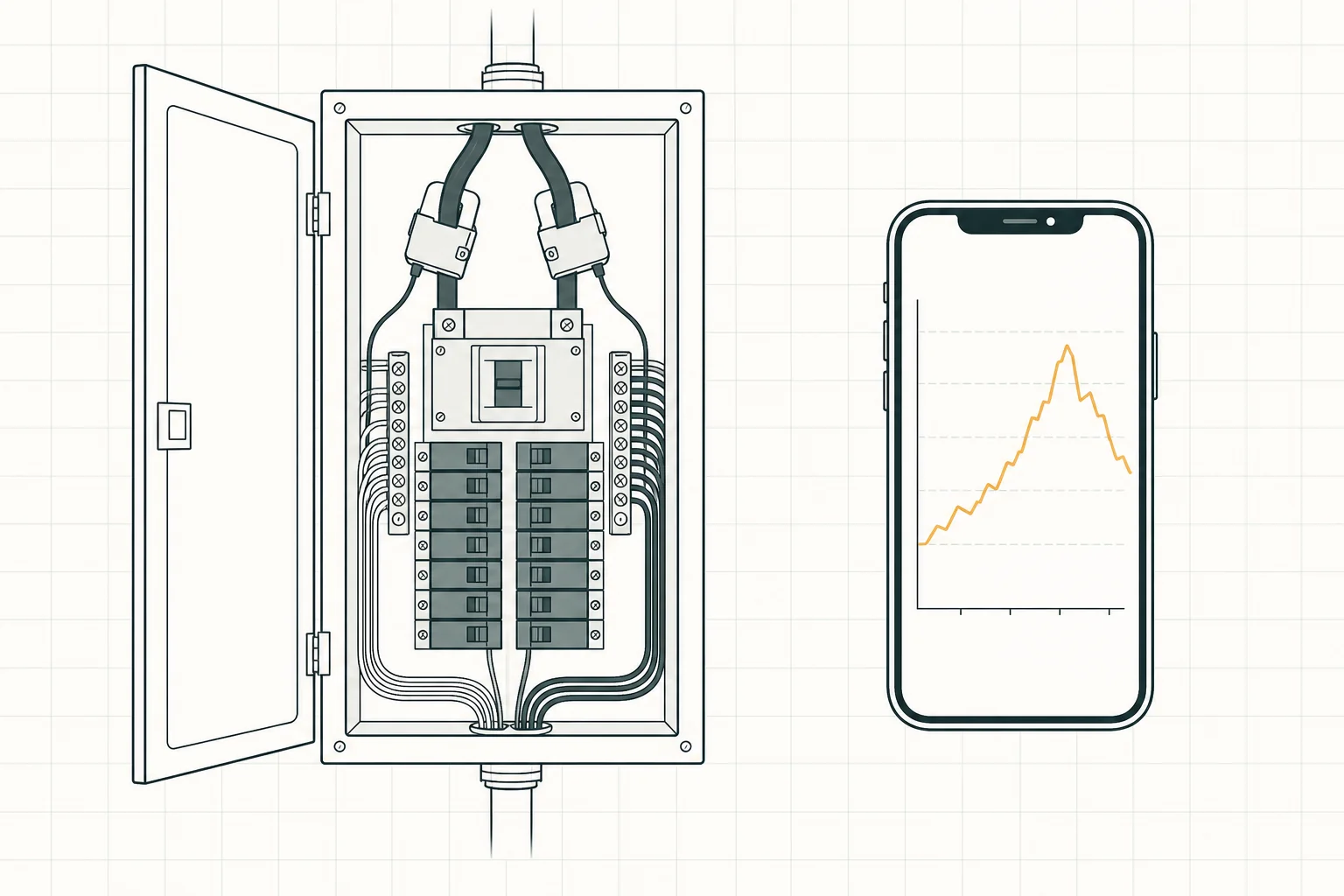
A whole-home monitor finds the changes that lower an electric bill — what CT-clamp monitors see, what they miss, and when the free app is enough.
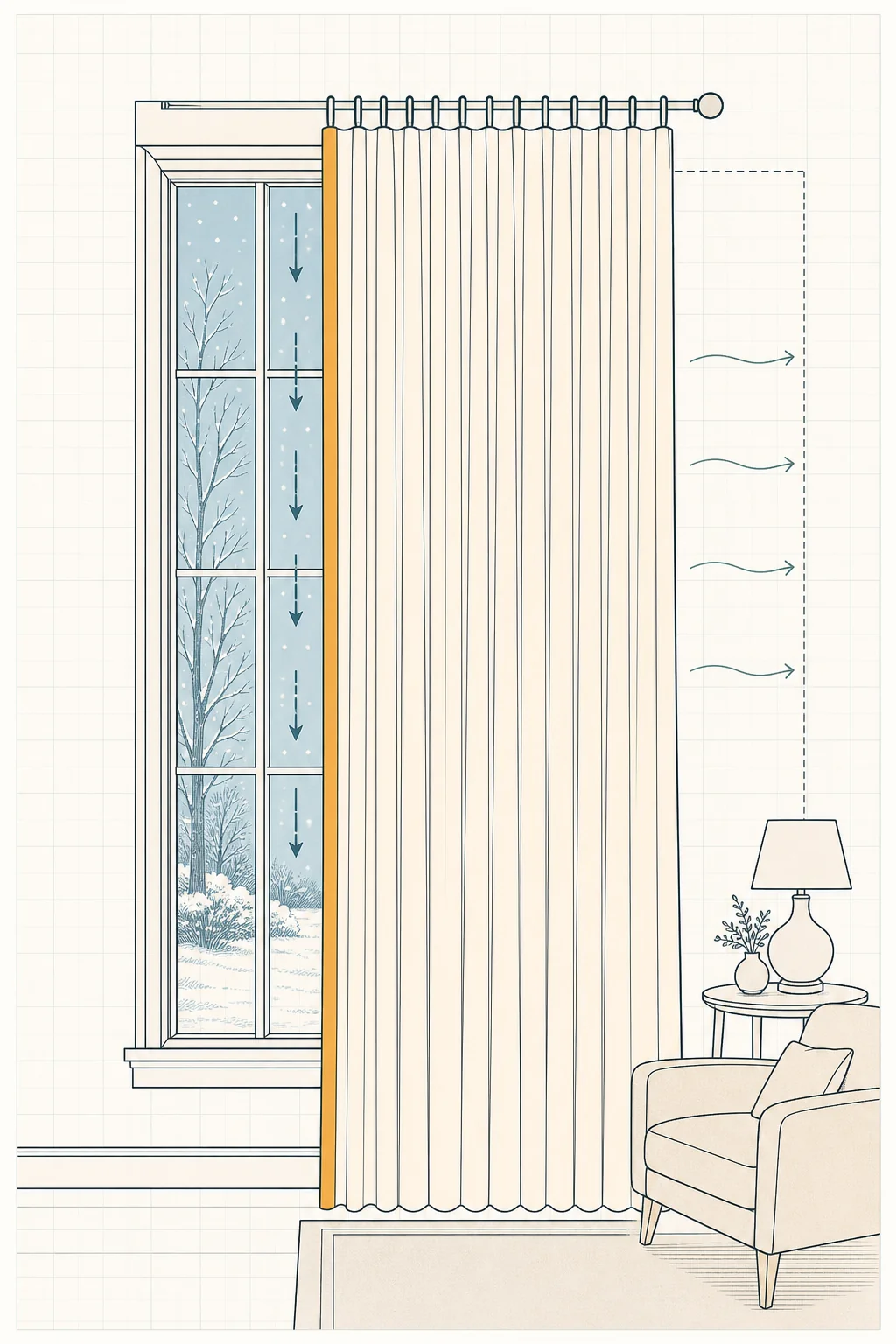
Thermal curtains work through still air and fit, not fabric — what the DOE and AERC numbers measured, the hang rules that decide performance.
Utility supplier scams use door knocks, calls, and fake switching forms. The verified signs, what to check before signing, and how to report them.
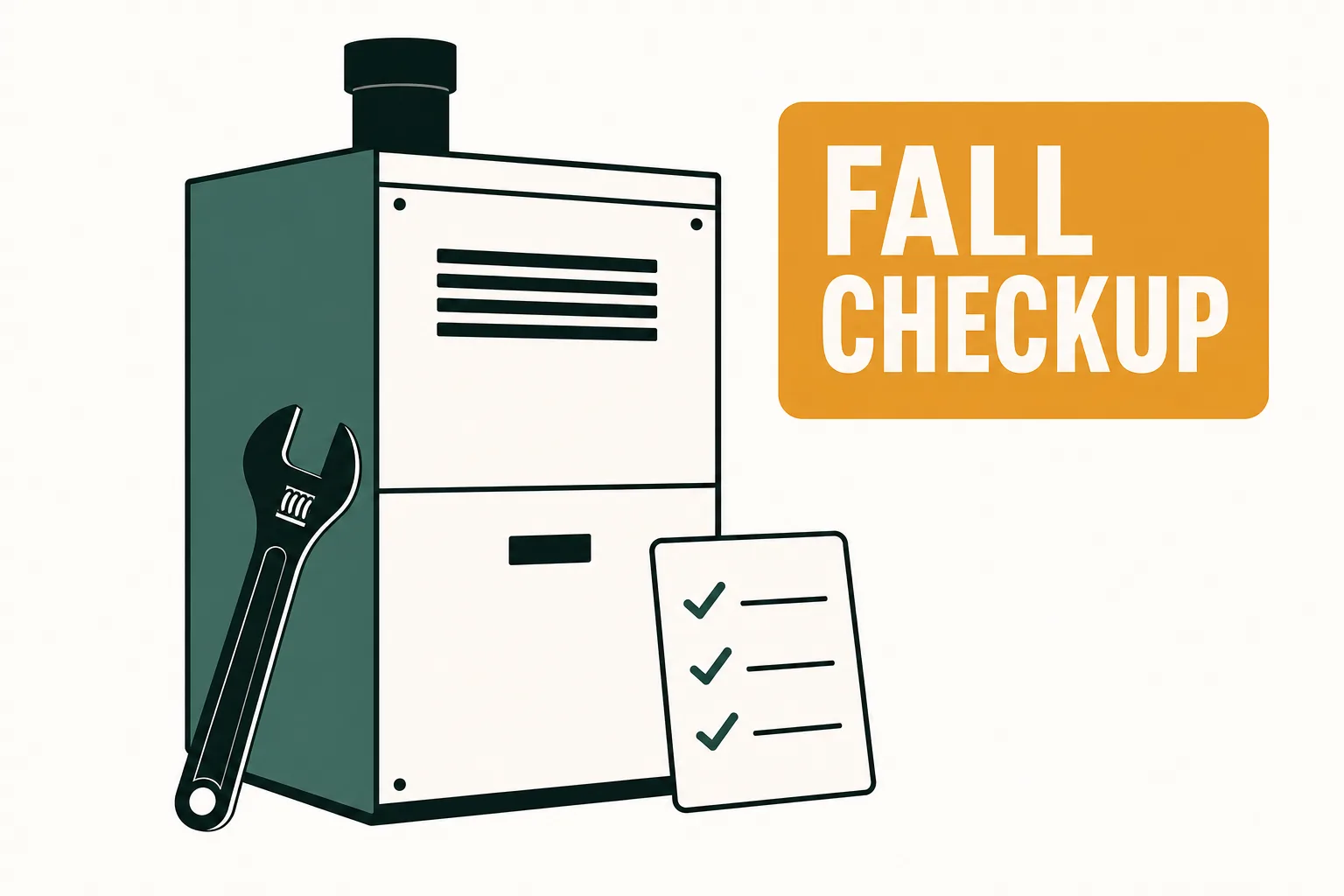
A furnace tune-up typically costs $80-$200, ideally every fall. See what's included, furnace type differences, and how to avoid common upsells.
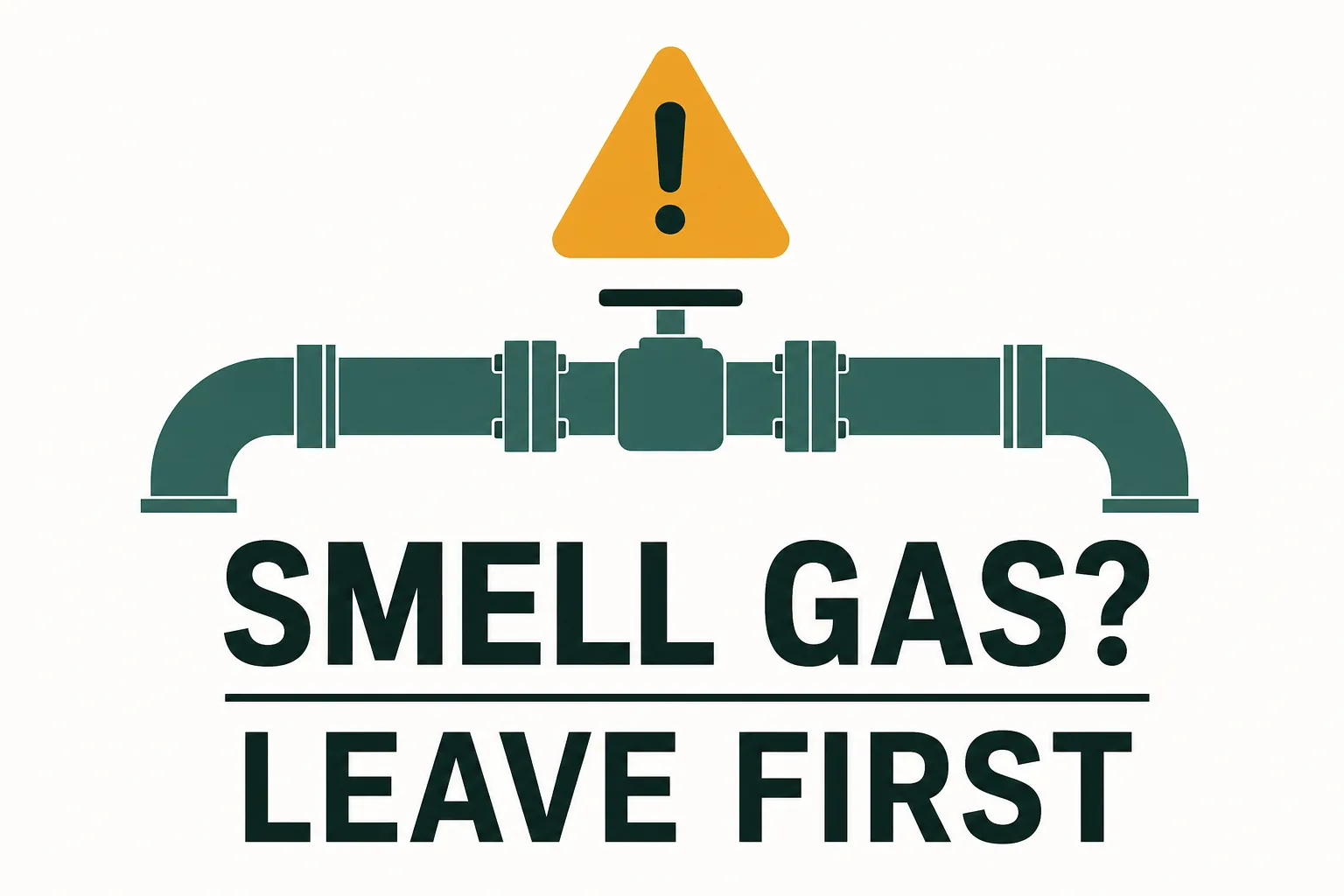
Rotten-egg smell, hissing, dead grass? Leave first, call 911 or your gas utility from outside, and see what a leak really does to your gas bill.
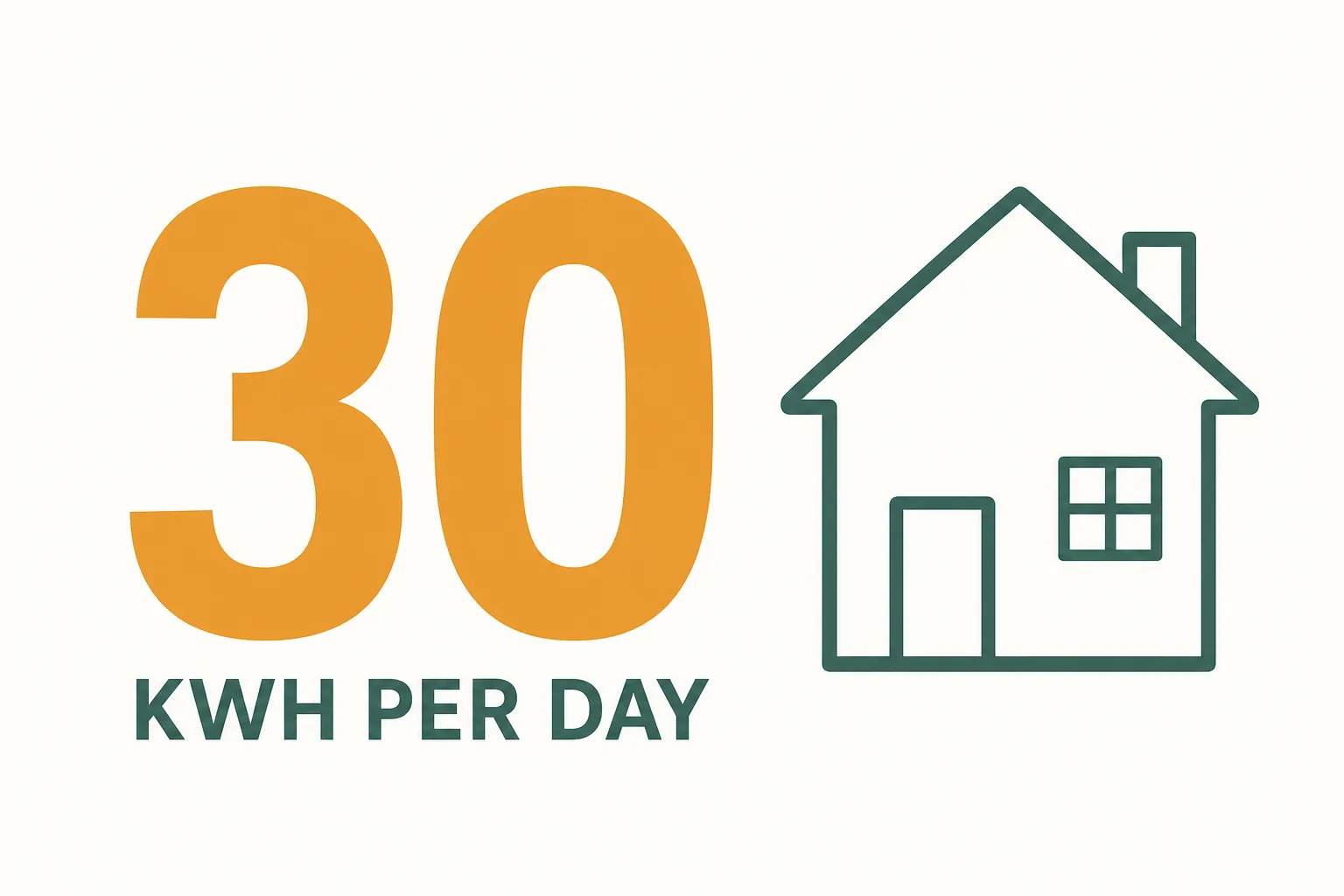
The average US house uses about 30 kWh per day. See typical daily kWh by home size, what pushes usage up, and what your number means on the bill.
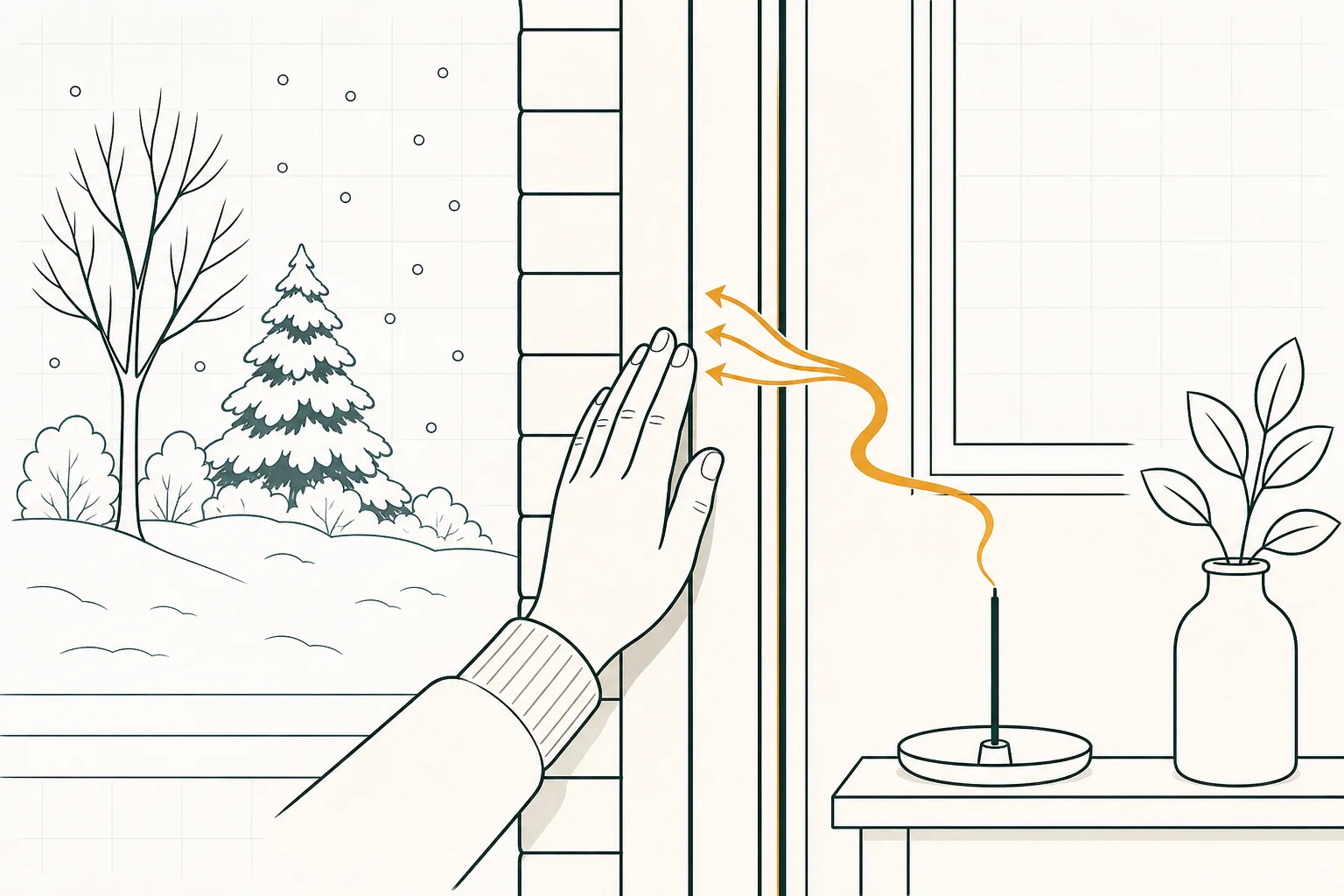
Find drafts with your hand, a smoke pen, and a flashlight, then seal the ten standard leak spots with sweeps, caulk, gaskets, and weatherstripping.
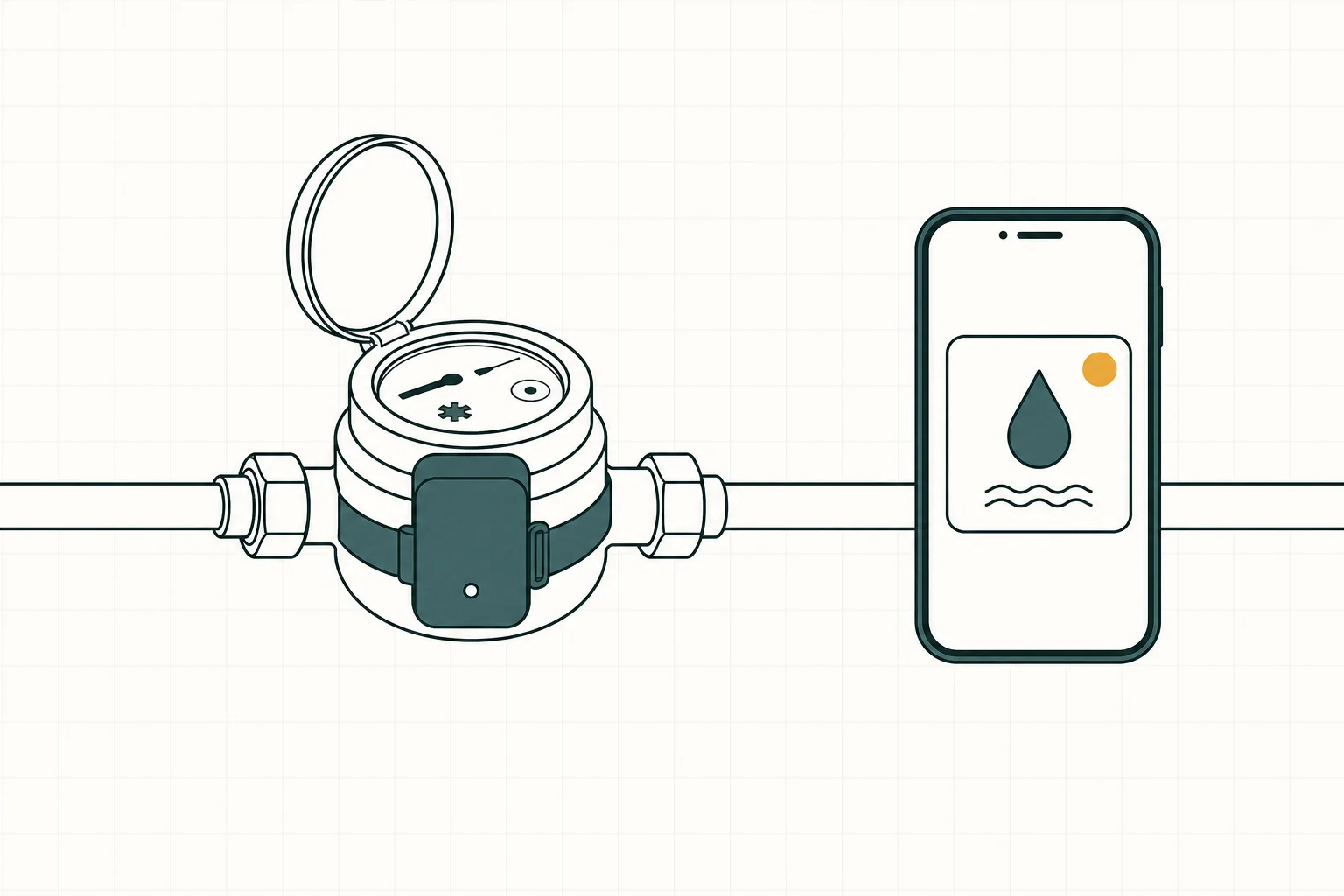
Point sensors guard spots, meter monitors watch every gallon, and an inline valve acts when you can't — the five signals that say when to move up.
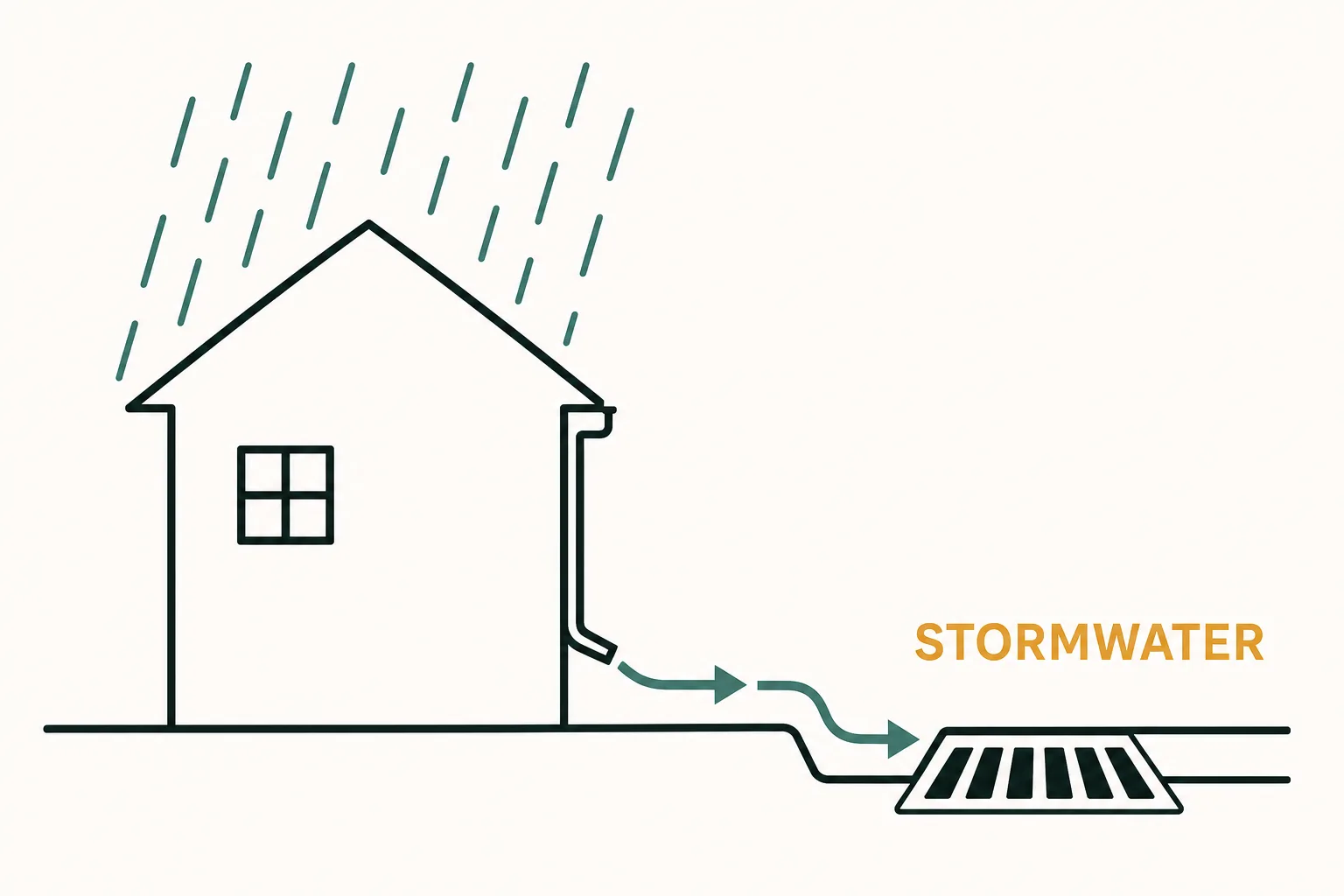
What a stormwater fee pays for, how cities bill it (flat, ERU, or impervious-area tiers), and the honest odds of getting it reduced on your bill.
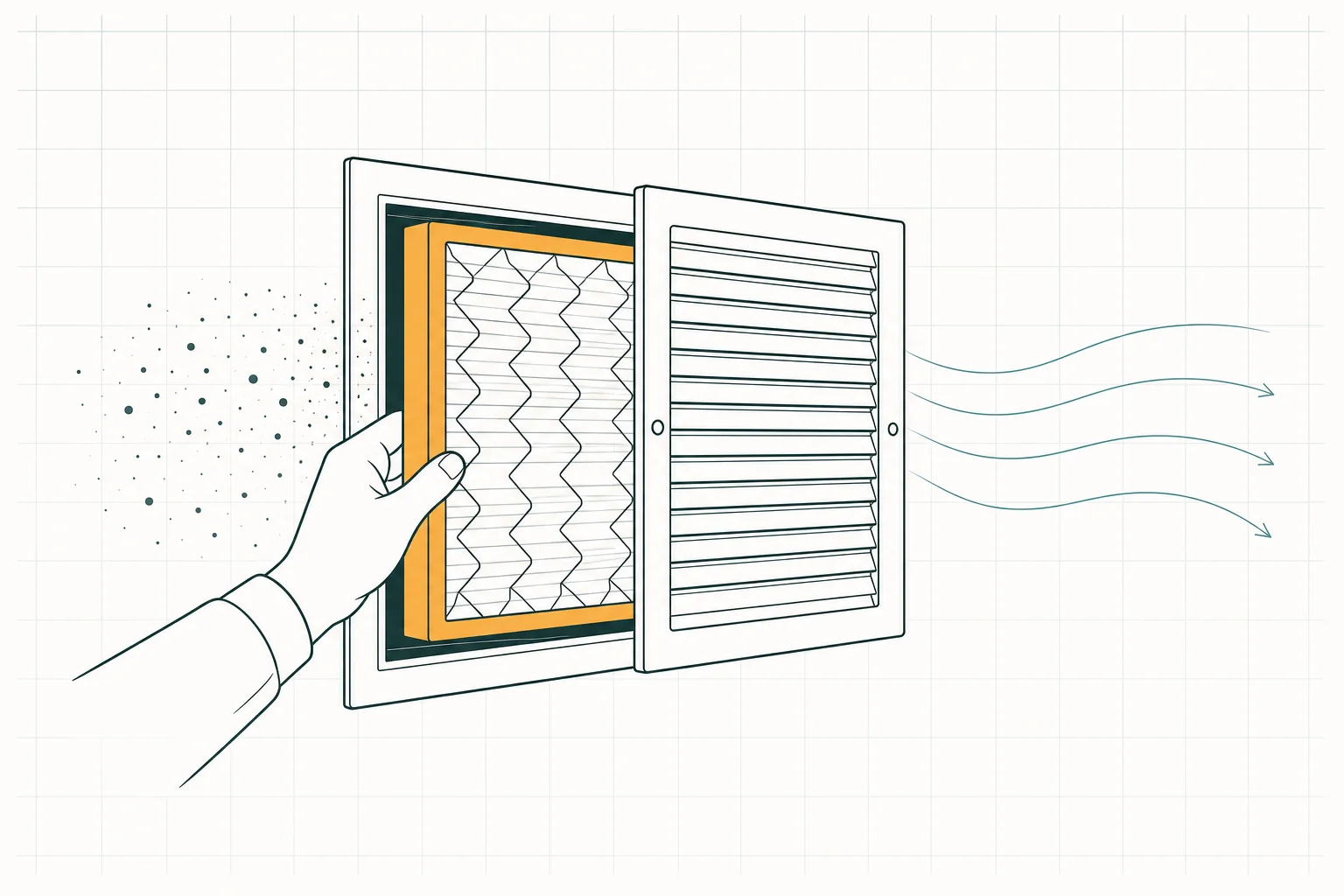
MERV 8 for most homes, 11 for allergies, 13 only if rated — the capture-vs-airflow trade, the size mistake, and does a dirty filter raise your bill?
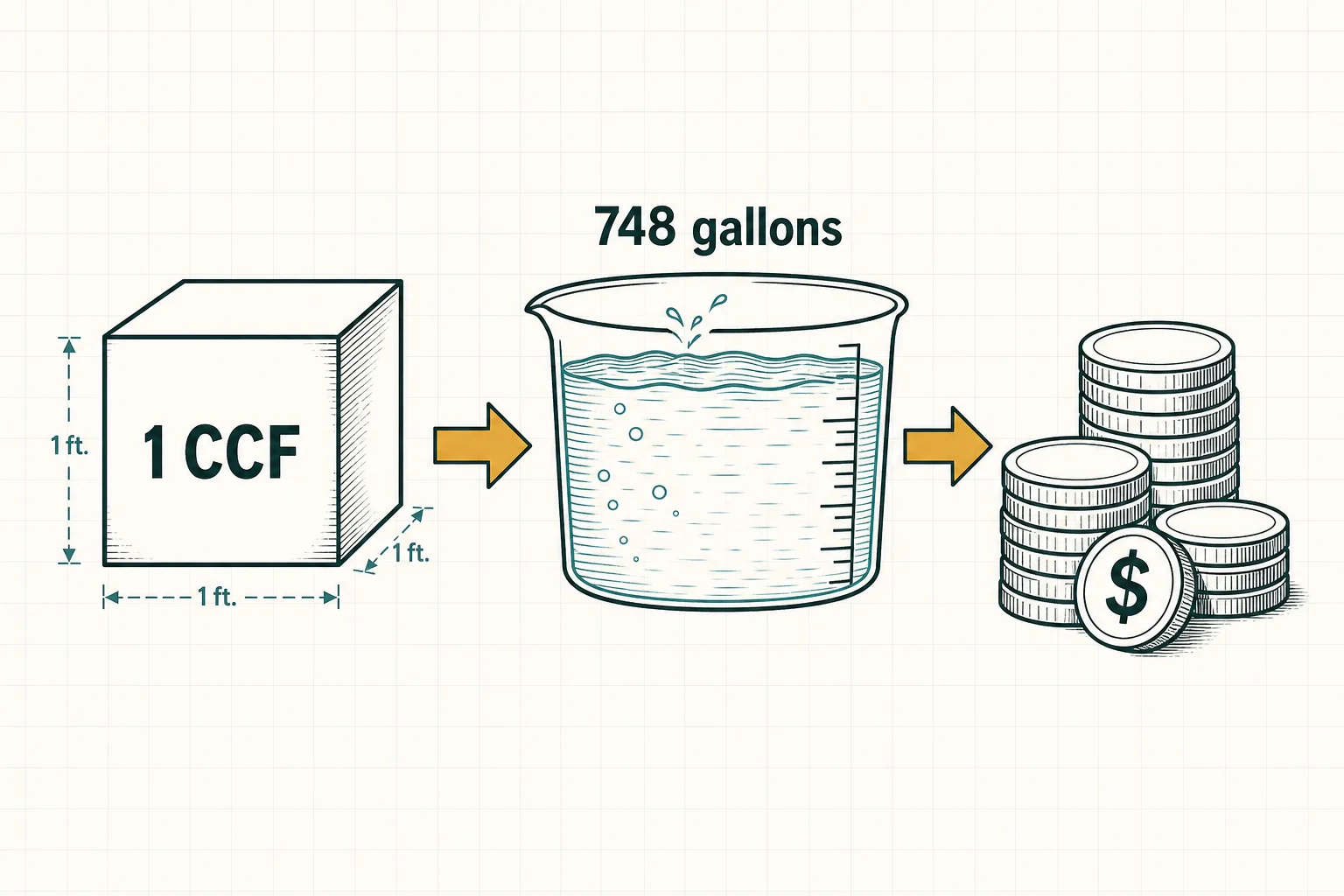
Enter your CCF usage and rate to convert water-bill units to gallons, calculate tiered cost, and find your household's gallons-per-person-day baseline.
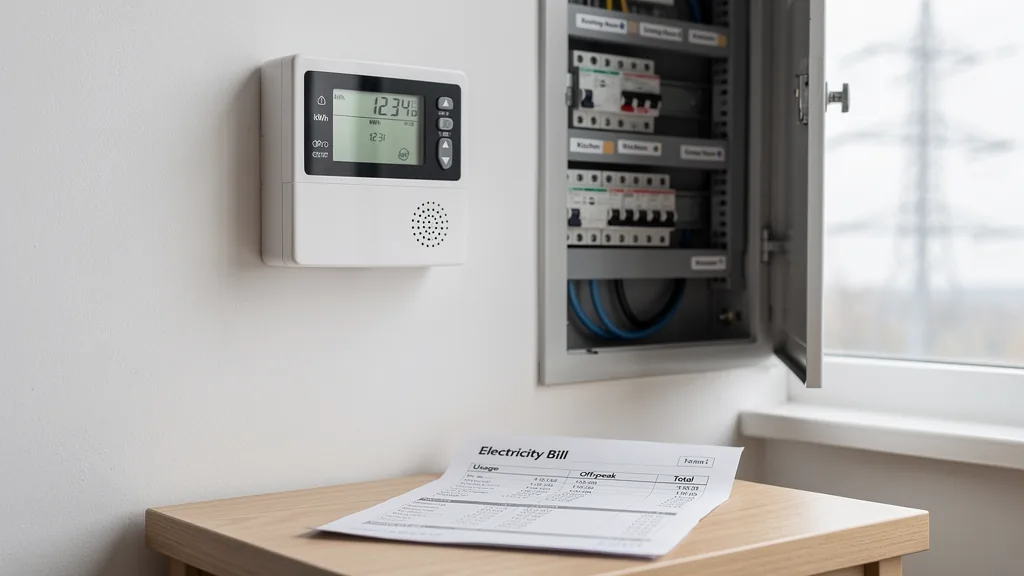
What time is electricity cheapest? Find cheapest hours for your time-of-use plan, plus a quick-reference table by plan type and off-peak habit checklist.
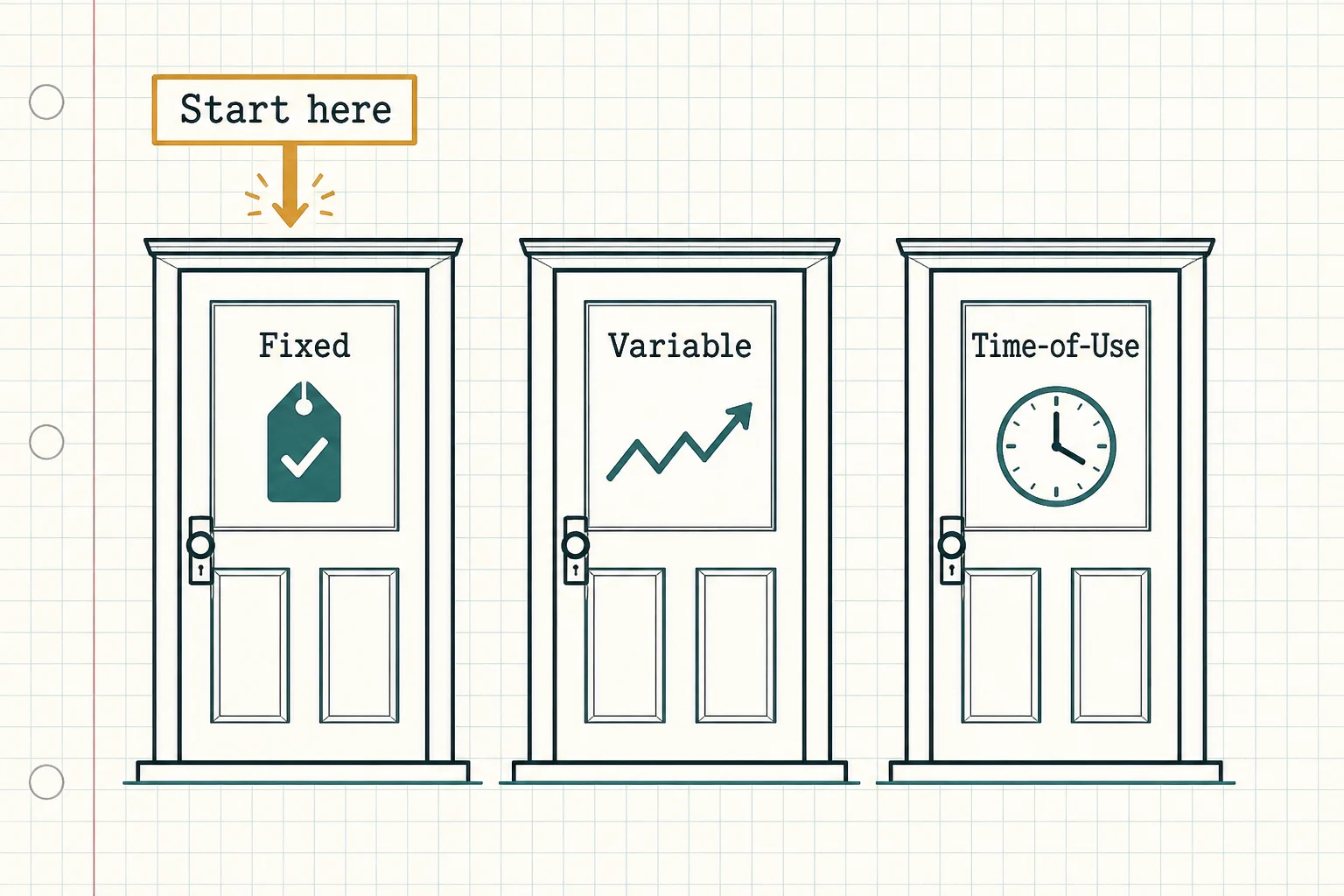
A decision framework for utility rate plans: match your household's usage pattern to fixed, variable, time-of-use, or tiered pricing before switching.
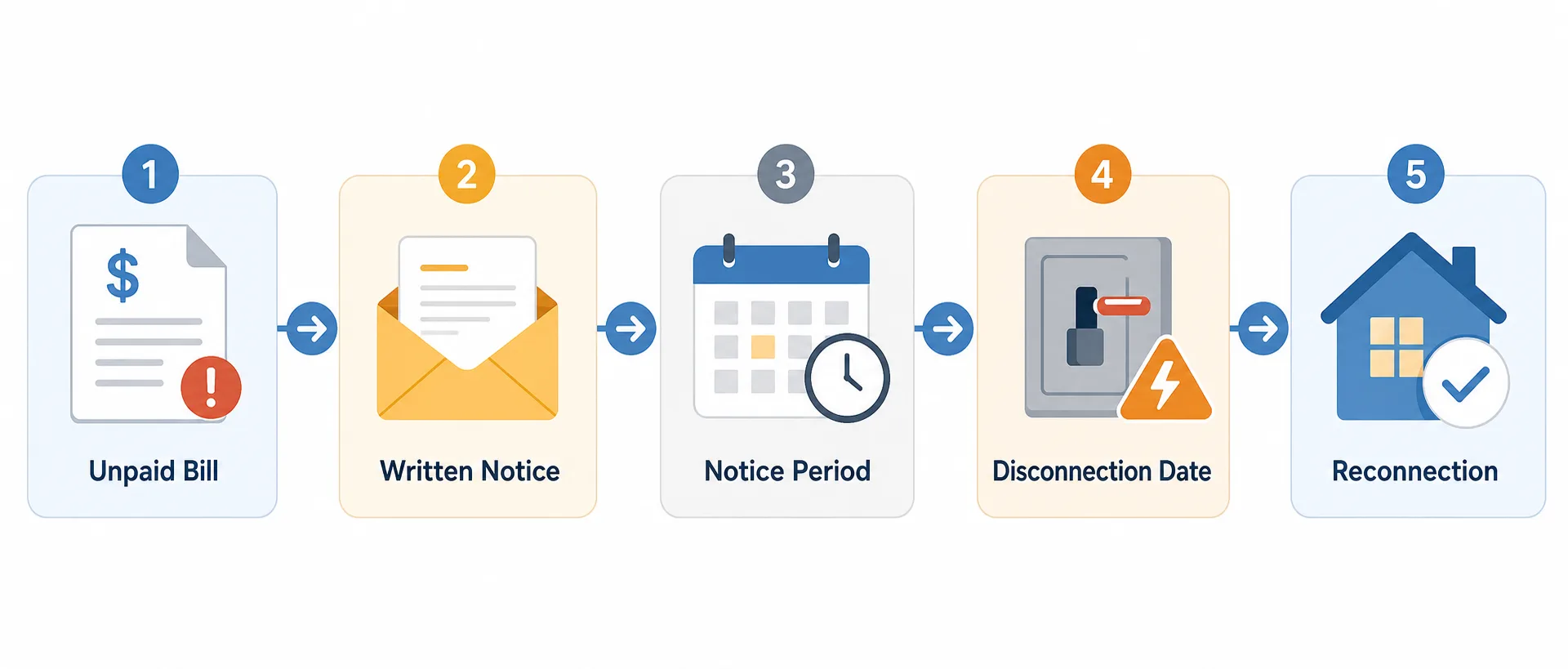
Can the utility shut off your service? Yes, for nonpayment — but not instantly and not without notice. Learn the shutoff process and your protections.
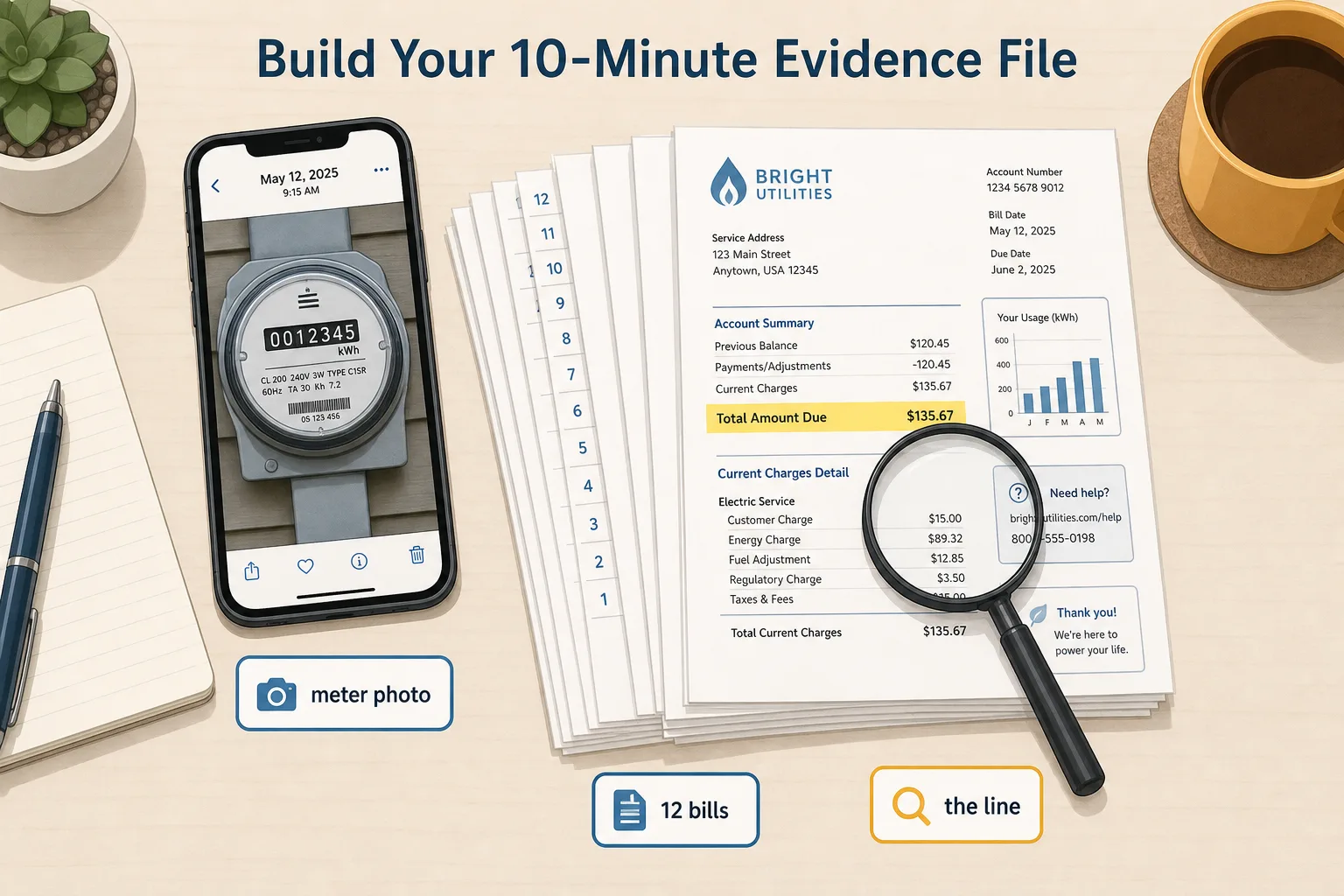
How to dispute a utility bill: call the utility, submit a written complaint, file with your state commission, and escalate if needed. With a template.
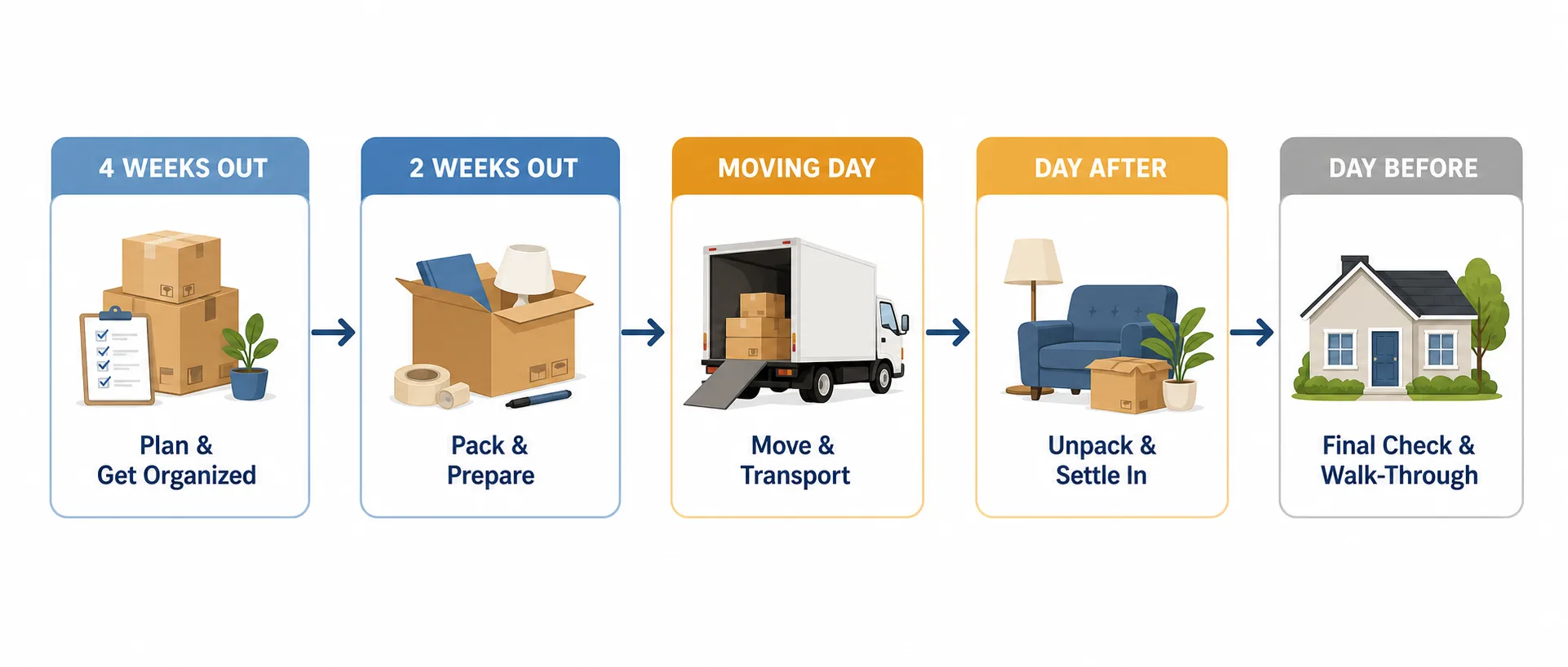
Moving soon? The exact timeline for turning off utilities at your old home and on at the new one, plus a one-page checklist so you don't pay for two homes.
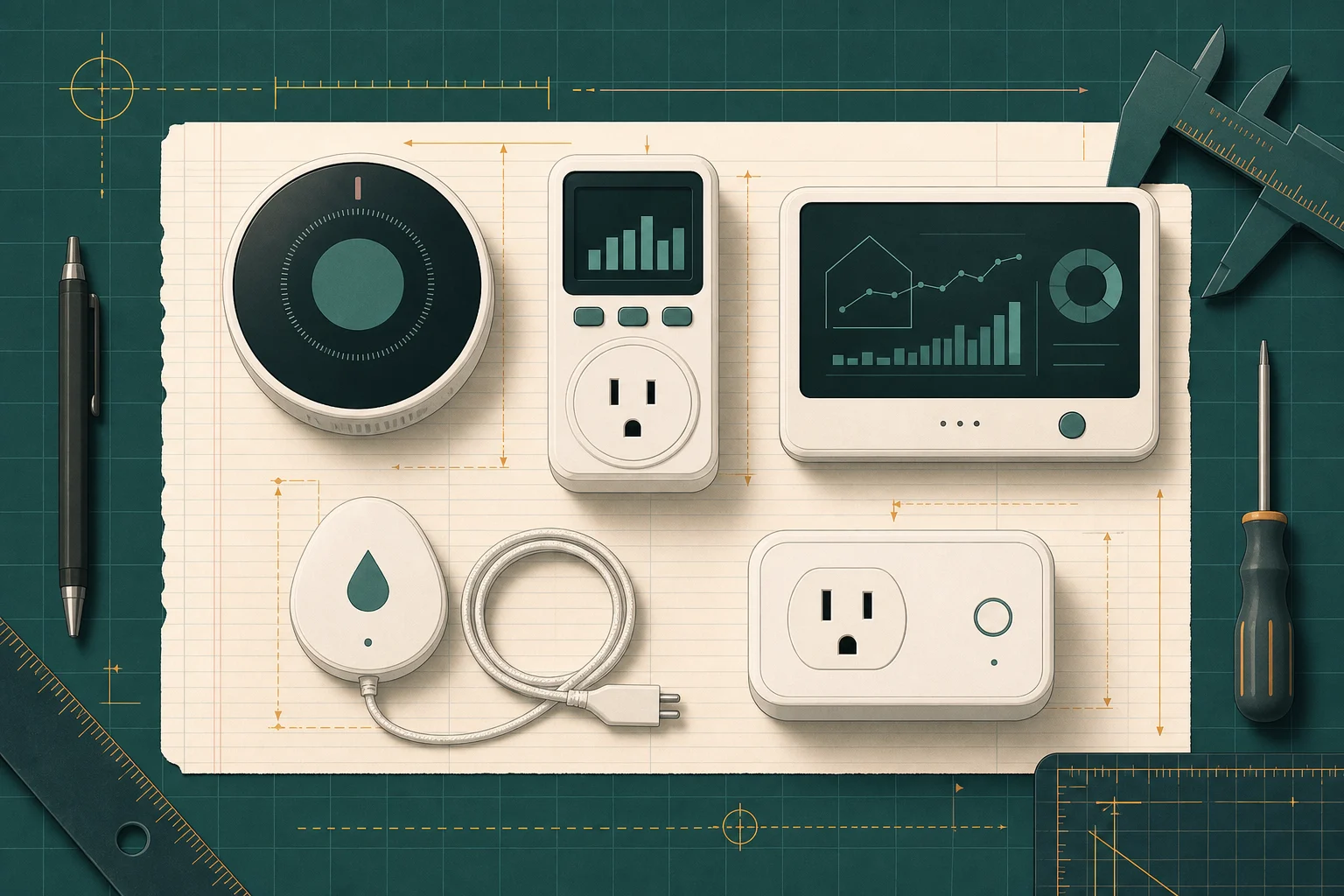
Use measurement and an assessment before buying an energy-saving device; choose products that fit the home, electrical load, and utility plan.
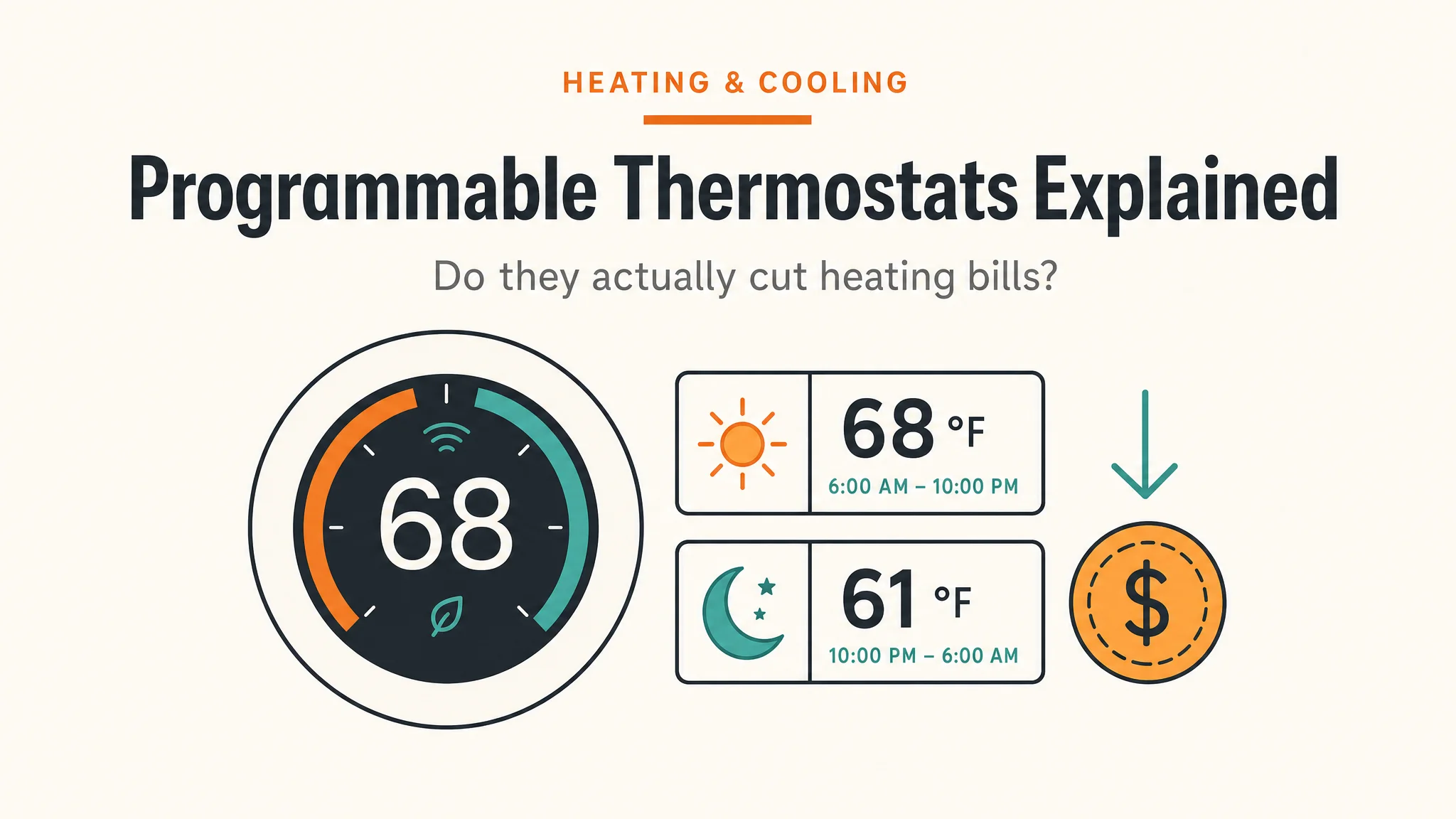
Do programmable thermostats cut heating bills? DOE says up to 10% a year with a 7-10 degree setback — here's when that holds and when it doesn't.
Estimate EV charging electricity from your vehicle, your driving, and your utility's rate plan — not a national average that fits nobody's garage.
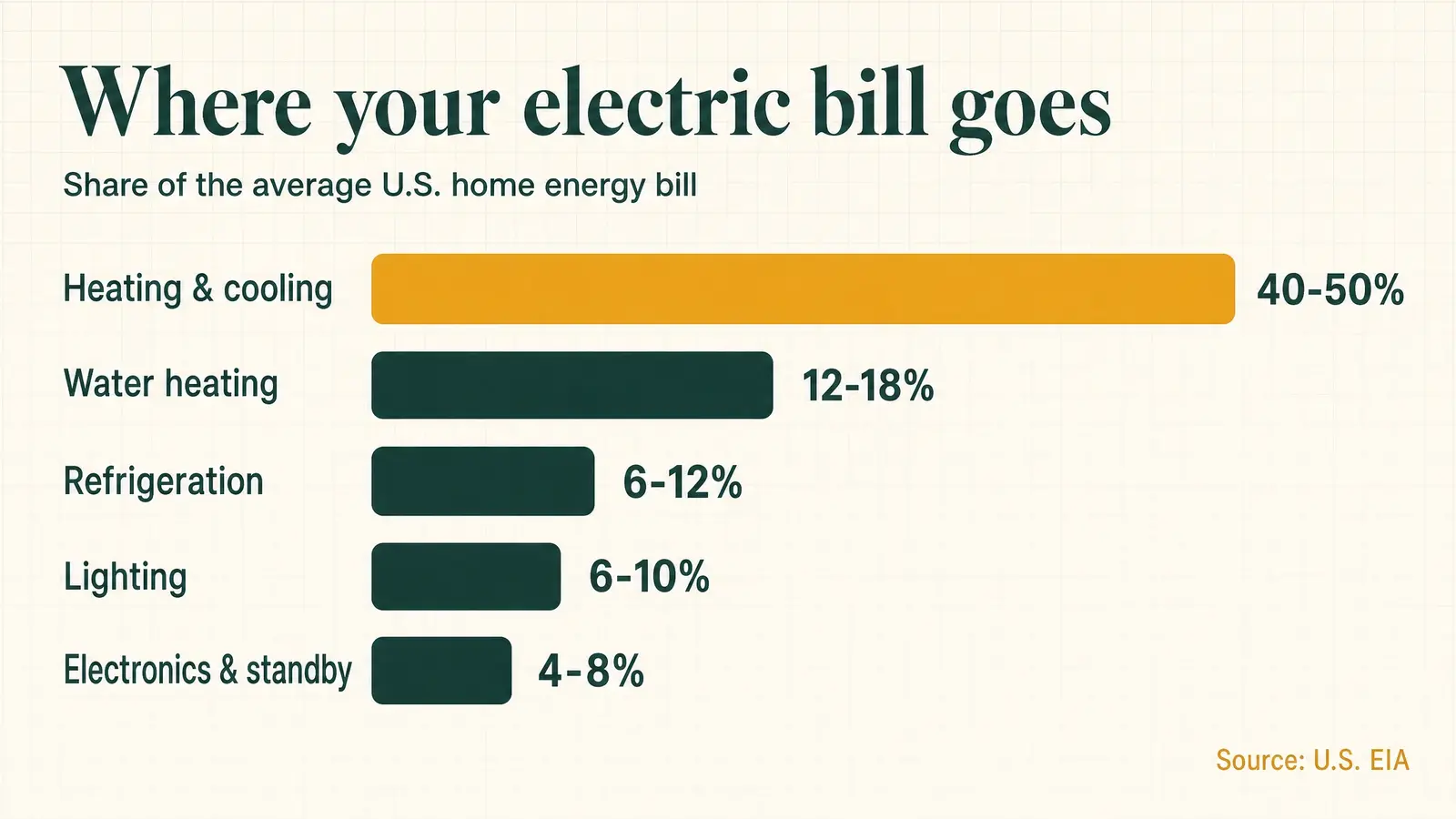
How to lower your electric bill: 17 proven steps organized by cost, with estimated dollar savings and payback periods for each upgrade. The 2026 guide.
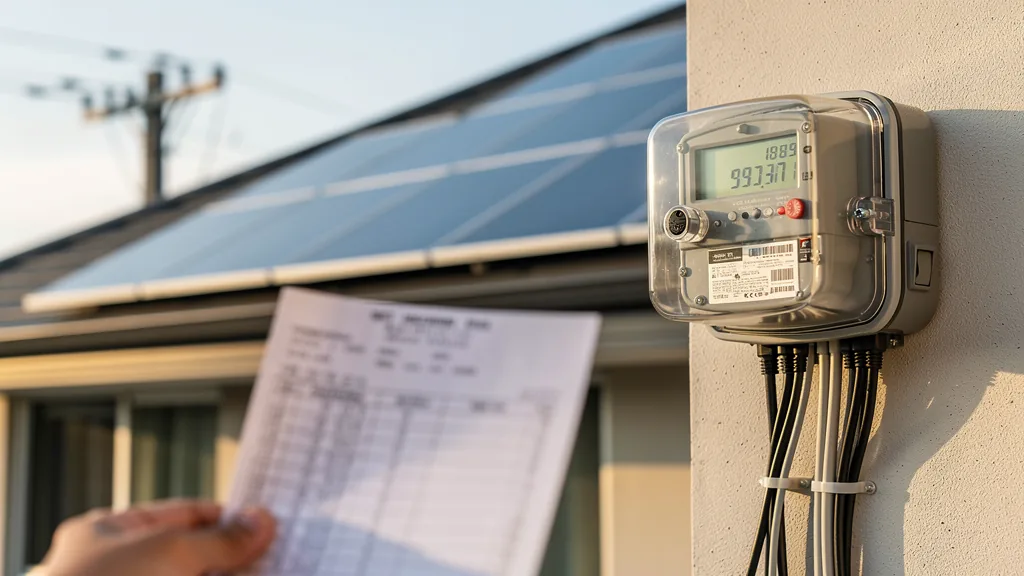
Understand how exported solar electricity can be credited, which bill items to check, and why your utility's current tariff controls the outcome.
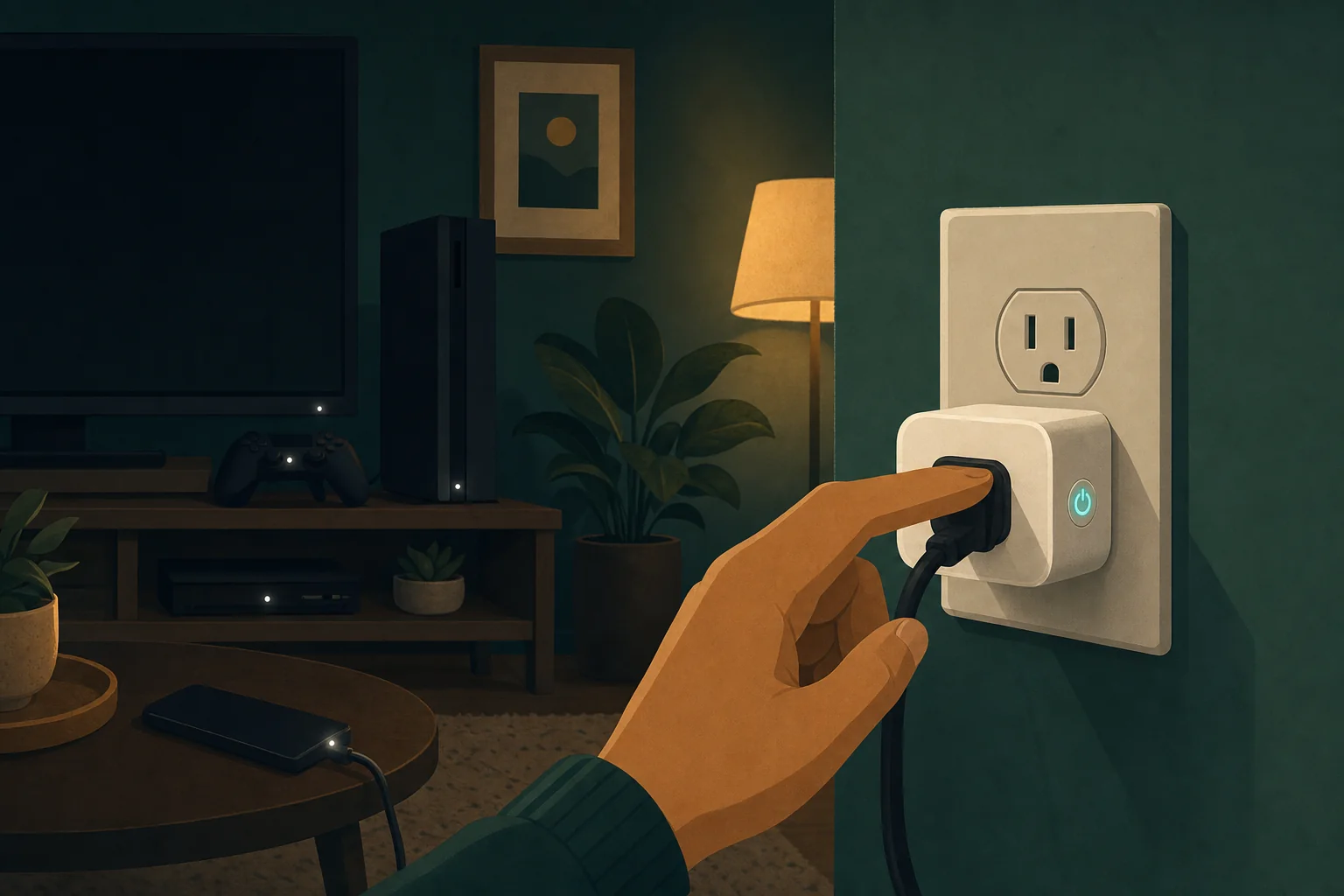
Phantom power draw explained: what standby power is, how it is measured, and how to cut avoidable plug-load energy use that quietly raises your bill.

The complete guide to your utility bill: a 5-step review workflow, a verified worked bill, and a map from every line — usage x rate, fixed charges, fees.

Can't pay your utility bills? Here's everything you need to know about LIHEAP, utility hardship programs, payment plans, and shut-off prevention.

Is a portable space heater worth it? Assess one using manufacturer instructions, electrical safety rules, room conditions, and your actual utility rate.

Use DOE home-energy-assessment guidance to document potential air leaks, understand safe scope limits, and choose appropriate follow-up work.

Compare heat-pump and gas-furnace options through a home-specific load calculation, equipment proposal, tariff review, and local program terms.

Ranked actions to lower your water bill: free behavior changes, low-cost repairs, and upgrades with verified EPA WaterSense savings ranges to boot.
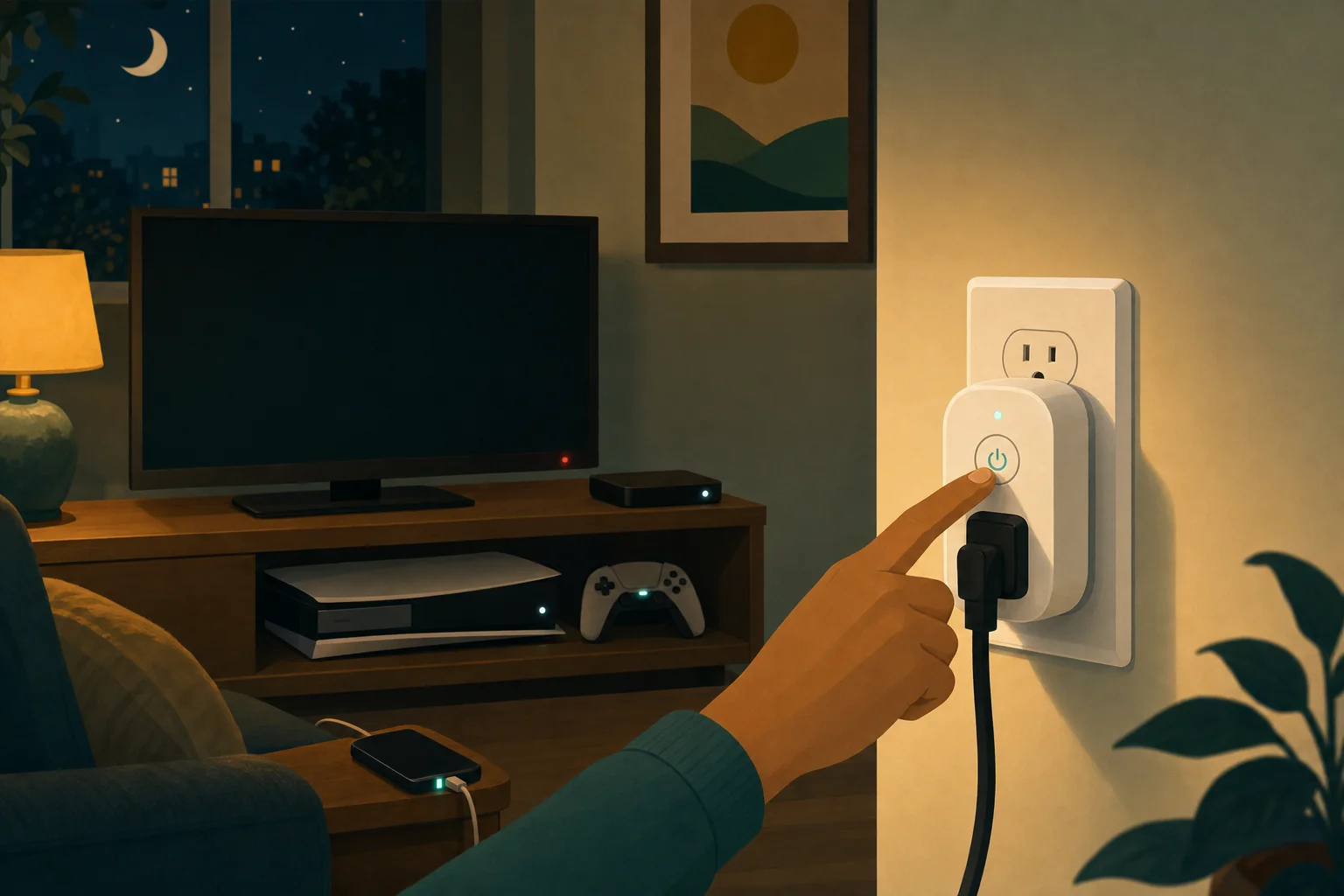
Measure standby power before buying a device, then use a suitably rated advanced power strip or smart plug where it can safely reduce idle use.

A demand charge bills your peak power draw in kW, not just total kWh. See how it's calculated, who gets one, and how one spike sets the whole month.

Compare portable and permanently installed backup-power options through a site-specific safety, load, installation, and written-quote review.

Average utility bills by state in 2026: the narrow basket (electricity, gas, water/sewer) averages about $375/month, with a 17-state sample table.
What delivery and supply charges cover, who sets each rate, a verified per-utility split table, and whether supply is something you can shop for.

Why do utilities estimate bills? How to spot an estimated read on your statement and force an actual meter read — the ConEd and Texas rules.
How do you read the billing period on a utility statement? Use the account's service dates, meter-read status, usage, and tariff to compare periods.
What a utility customer charge actually is, with verified monthly amounts from four utilities' published rates, and how to check yours against the tariff.

What is a fuel adjustment charge? How to identify it on your bill, verify it against the tariff and rate period, and compare it to prior bills.
A minimum bill charges you even when you use almost nothing. See why utilities set them, how they're calculated, and whether yours can be avoided.
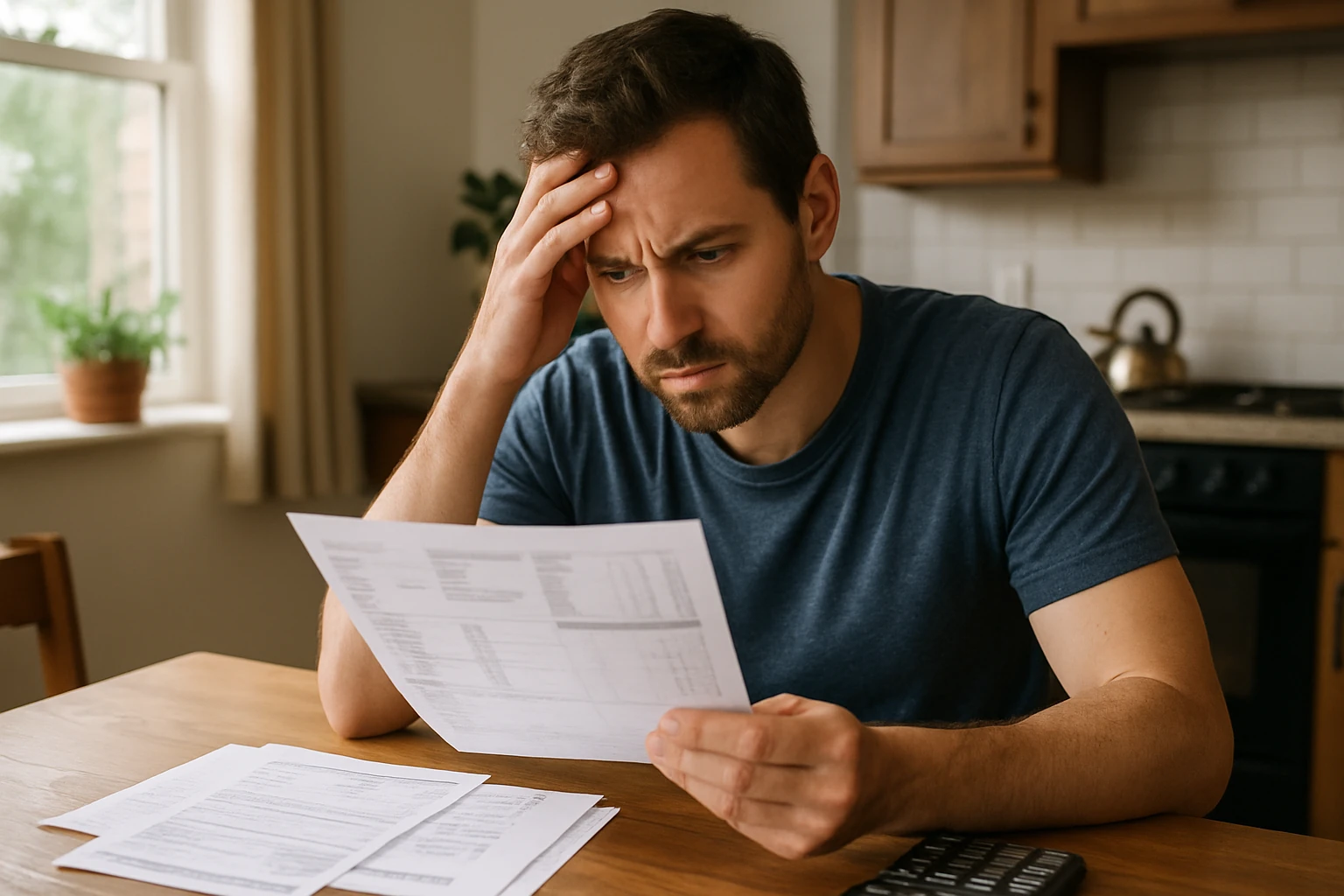
How does utility bill proration work? A verified worked example from SMUD's tariff, plus how to check your own statement's dates and the math.

What is a past-due balance on a utility bill? Review it against the statement and payment records, verify the notice, and act before disconnection.
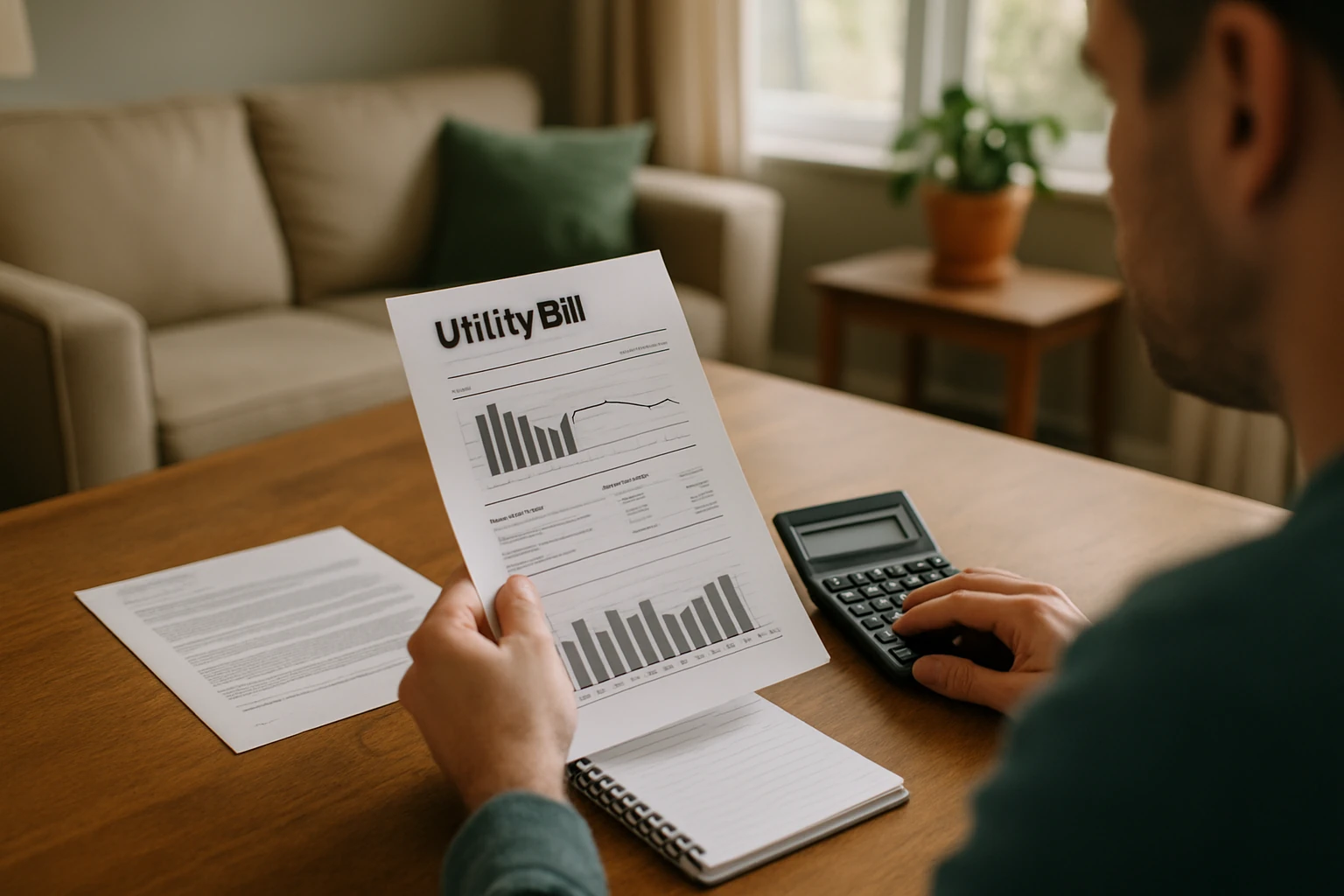
Review a utility budget-billing or level-pay offer using the provider's written terms, actual charges, settlement rules, and payment options.
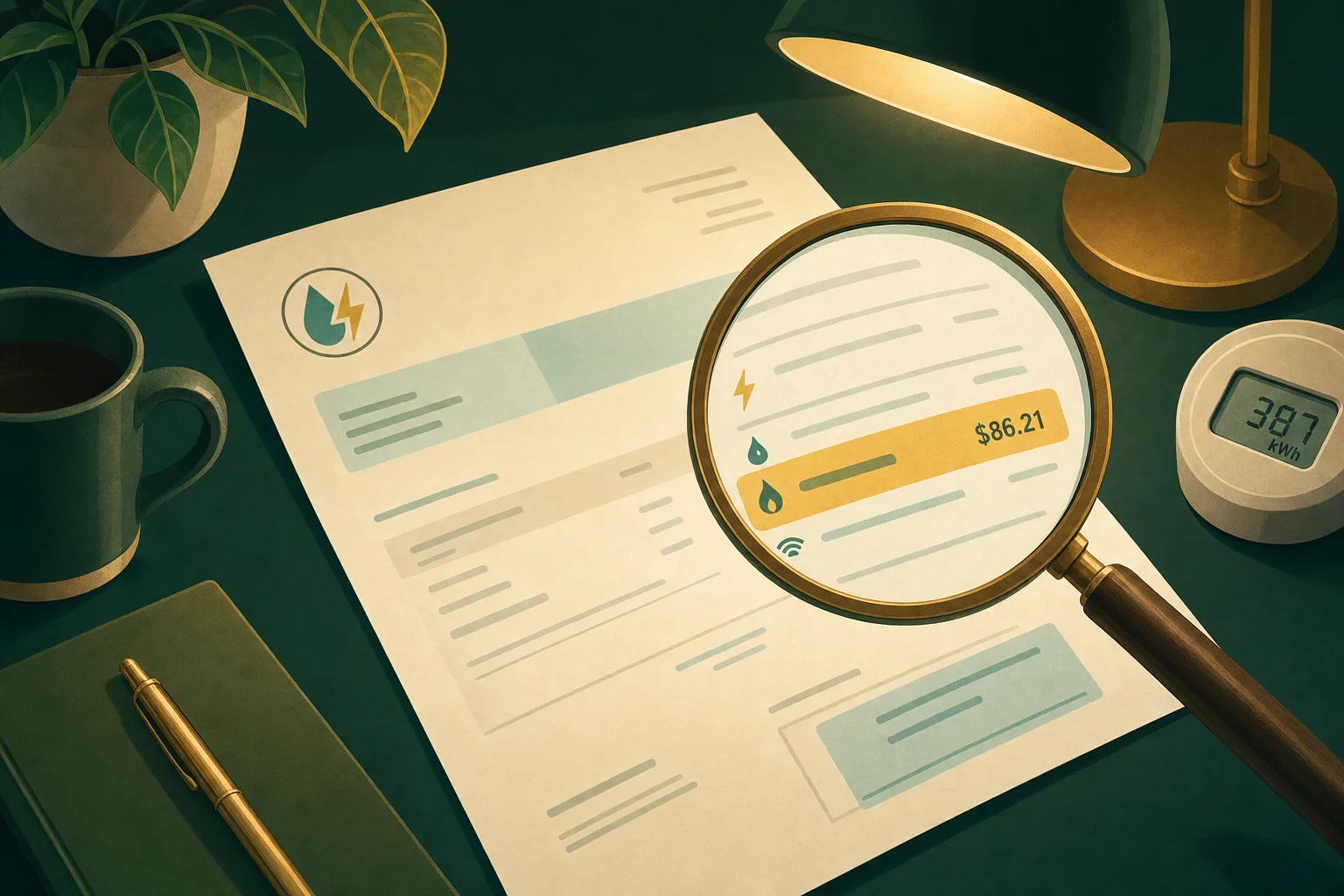
Verify a utility deposit against your state's cap, waiver, and refund rules — with verified Texas and California frameworks — before you pay or sign.

Confirm utility service-start, deposit, visit, and new-construction charges from the serving provider's written terms before opening an account.
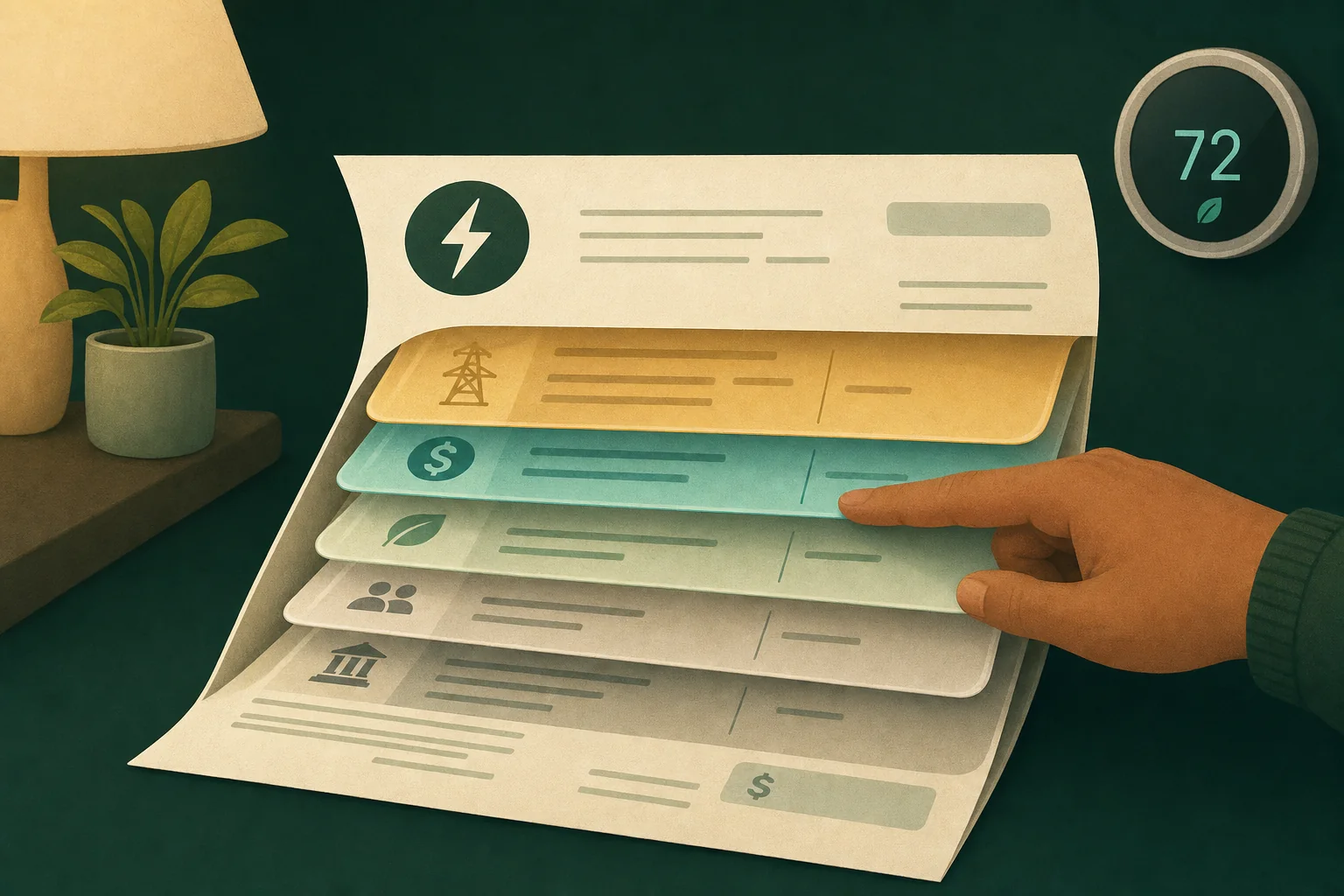
What are utility-bill surcharges and riders? Real named examples plus a 4-step workflow to verify yours against the tariff, the PUC docket, and your bill.

Verify a reconnection charge, service-restoration conditions, account balance, and assistance options using the serving provider’s current written rules.

Sudden spike in your electricity bill with no usage change? Learn the 12 common causes of bill spikes, how to investigate each one, and what to do next.
Utility bill taxes and fees explained: franchise fees, surcharges, and riders — what each one is, who approves it, and which ones you can dispute.
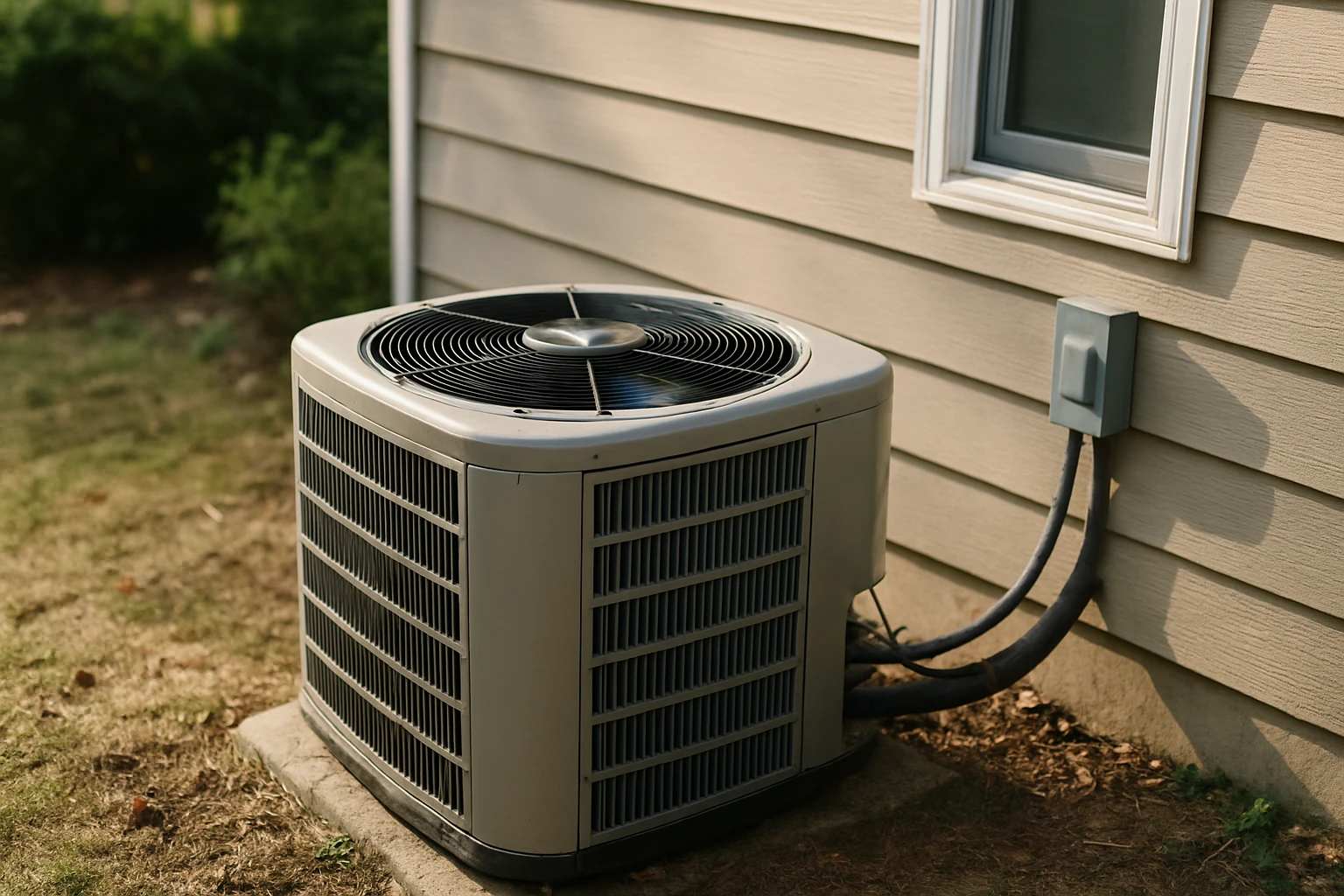
Document frequent AC cycling, complete safe owner checks, and know when to arrange qualified HVAC service instead of relying on a generic diagnosis.
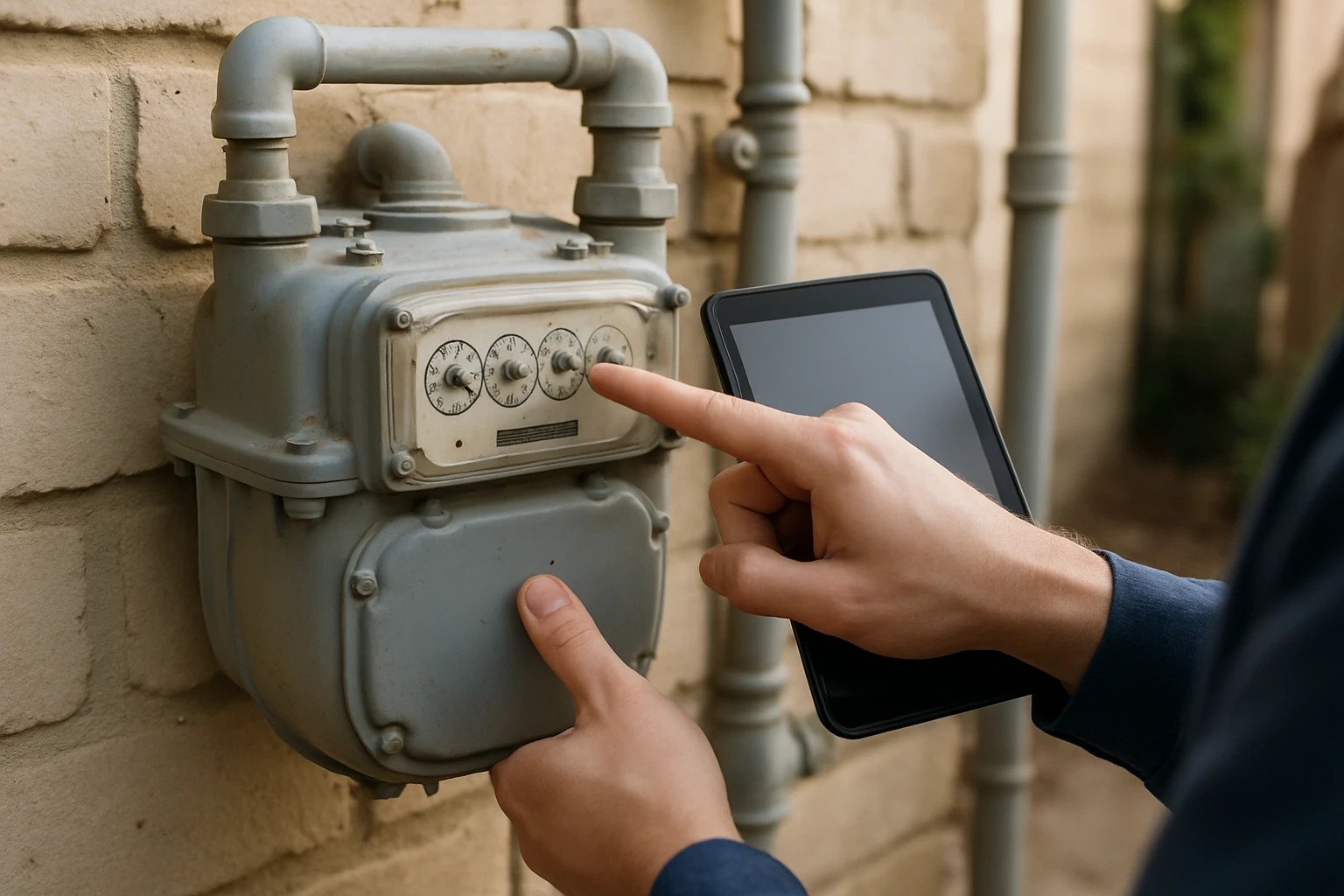
Read a dial, digital, or smart gas meter step by step, convert meter units to therms with the EIA heat-content factor, and catch estimated bills early.
Review a drought surcharge on your water bill using your utility's current tariff, drought stage, usage, and meter data — the steps in order.
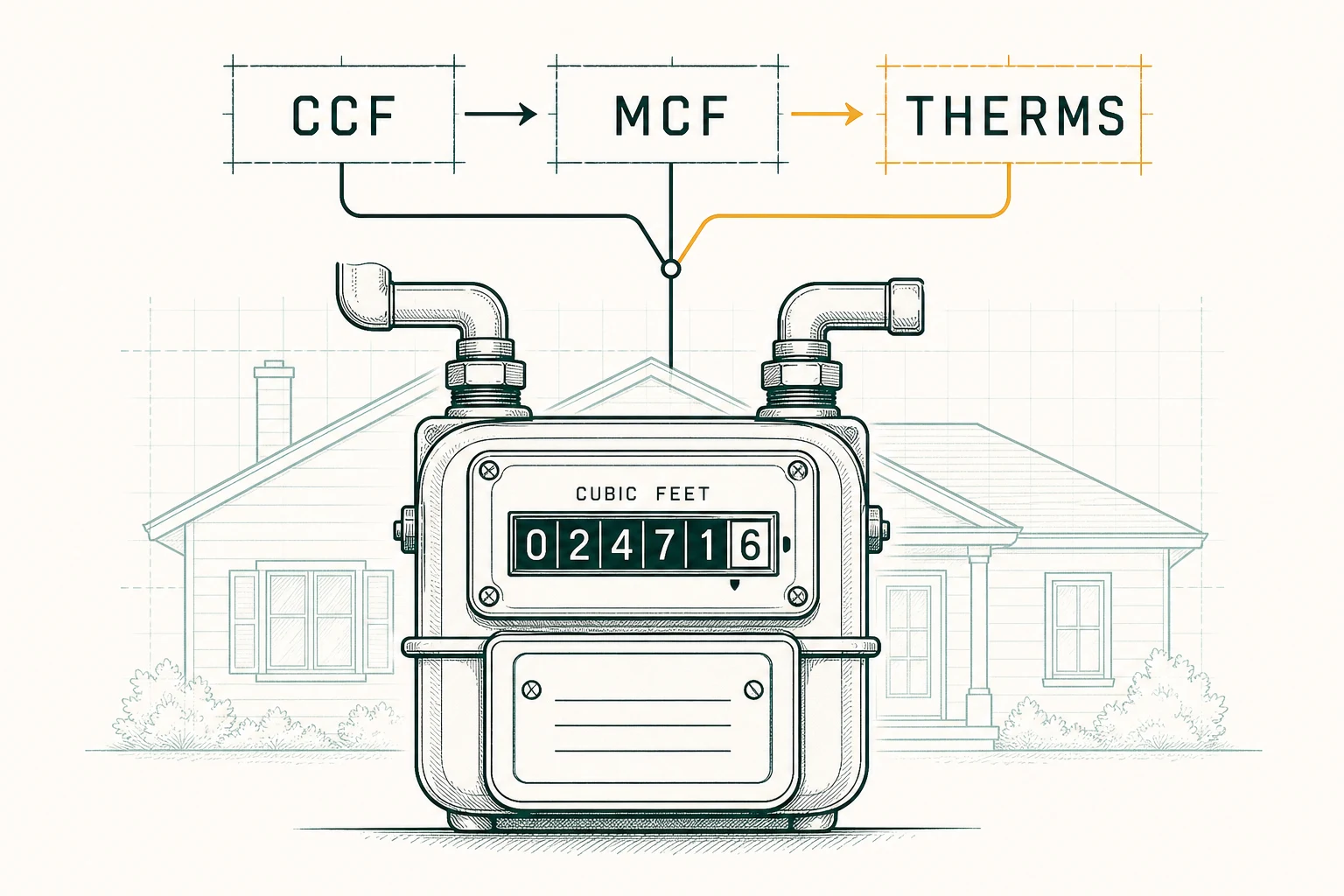
MCF, CCF, and therms are the three units gas bills use — and utilities convert between them. Here's what each one measures and how to check the conversion.

Tiered water rates charge more per CCF as use crosses each block threshold. See how the tiers work, where the price jumps land, and how to stay in the cheap first block.

Water meter running when no water is used? Use a safe meter-and-main-valve check to find the flow, then isolate common sources before calling a plumber.
How to read your gas bill line by line: therms used, delivery versus supply charges, and every fee that hides the real price you pay for gas.
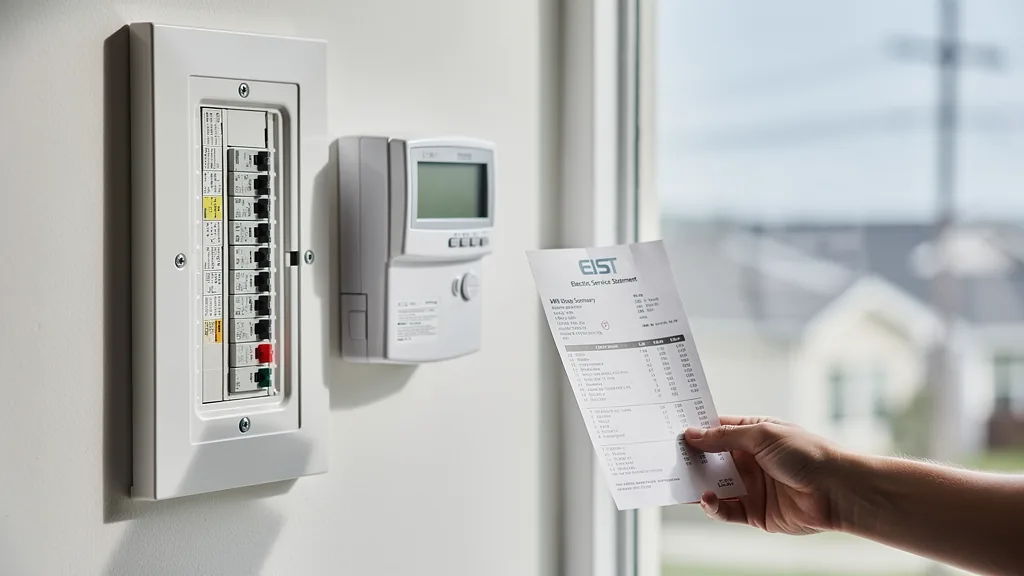
Learn how to compare kWh, billing days, and rate-plan charges on your own electric statement without relying on generic appliance-cost tables.
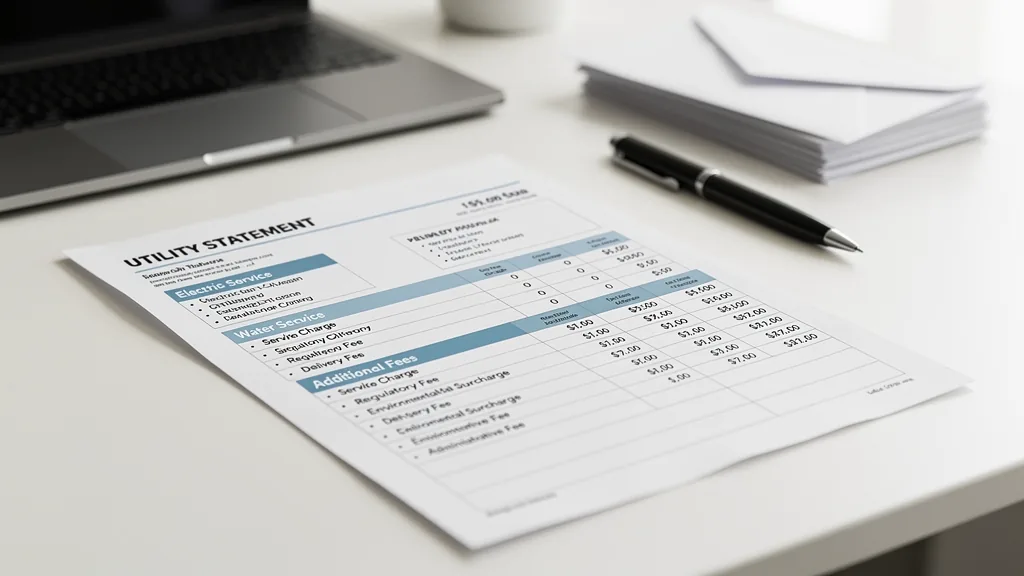
Hidden fees on your utility bill — rider charges, franchise fees, minimum bills — where each comes from and which ones you can actually get removed.

Compare electricity offers using the current tariff, complete contract terms, and your own usage history instead of generic fixed-versus-variable rules.

How much do apartment utilities cost? Build a budget from the lease, service setup terms, and the unit's own bill history instead of national averages.

How to read your electric bill line by line: the five numbers that matter, what each charge pays for, and how to spot a billing error in ten minutes.

Compare a time-of-use electricity plan using your utility's current schedule and tariff, plus your own interval data or bill history — the honest method.

What actually lowers bills? A ranked list of the top fixes across electricity, gas, water, and weatherization — with typical cost, savings, and payback.

Why is my electric bill so high? Compare your usage, billing period, price, rate plan, and household changes to find what actually drove the increase.

Why is my gas bill so high? It is usually heating-driven (about 40–45% of annual household gas use). See the 11 common causes and what each fix saves.

Water bill too high with nothing changed? The likely causes — leaks, rates, meter errors — ranked, with free tests to run before spending money.
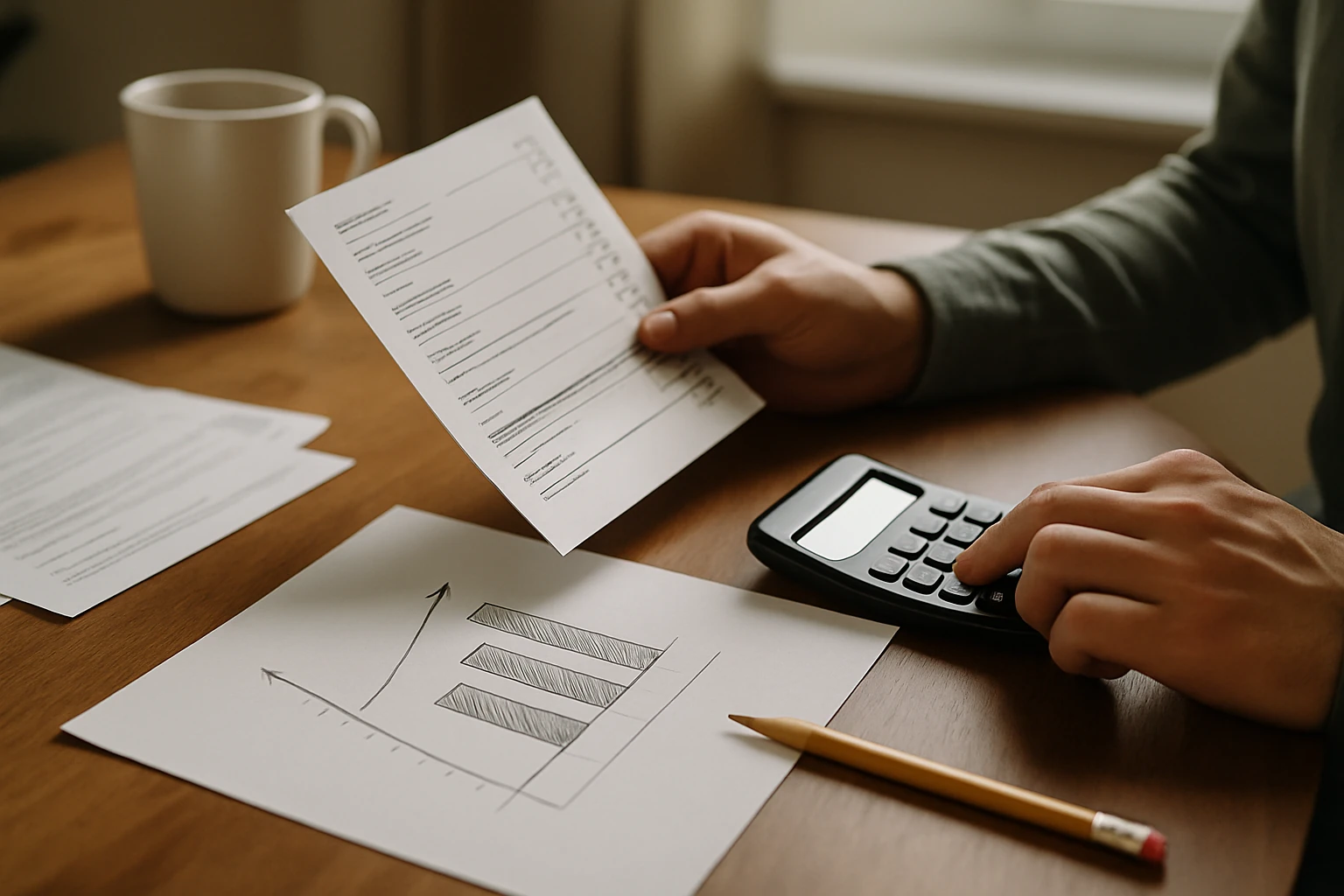
How utility rates, fees, and usage work together: a plain-English model of how usage, price per unit, and fixed charges interact so your total makes sense.
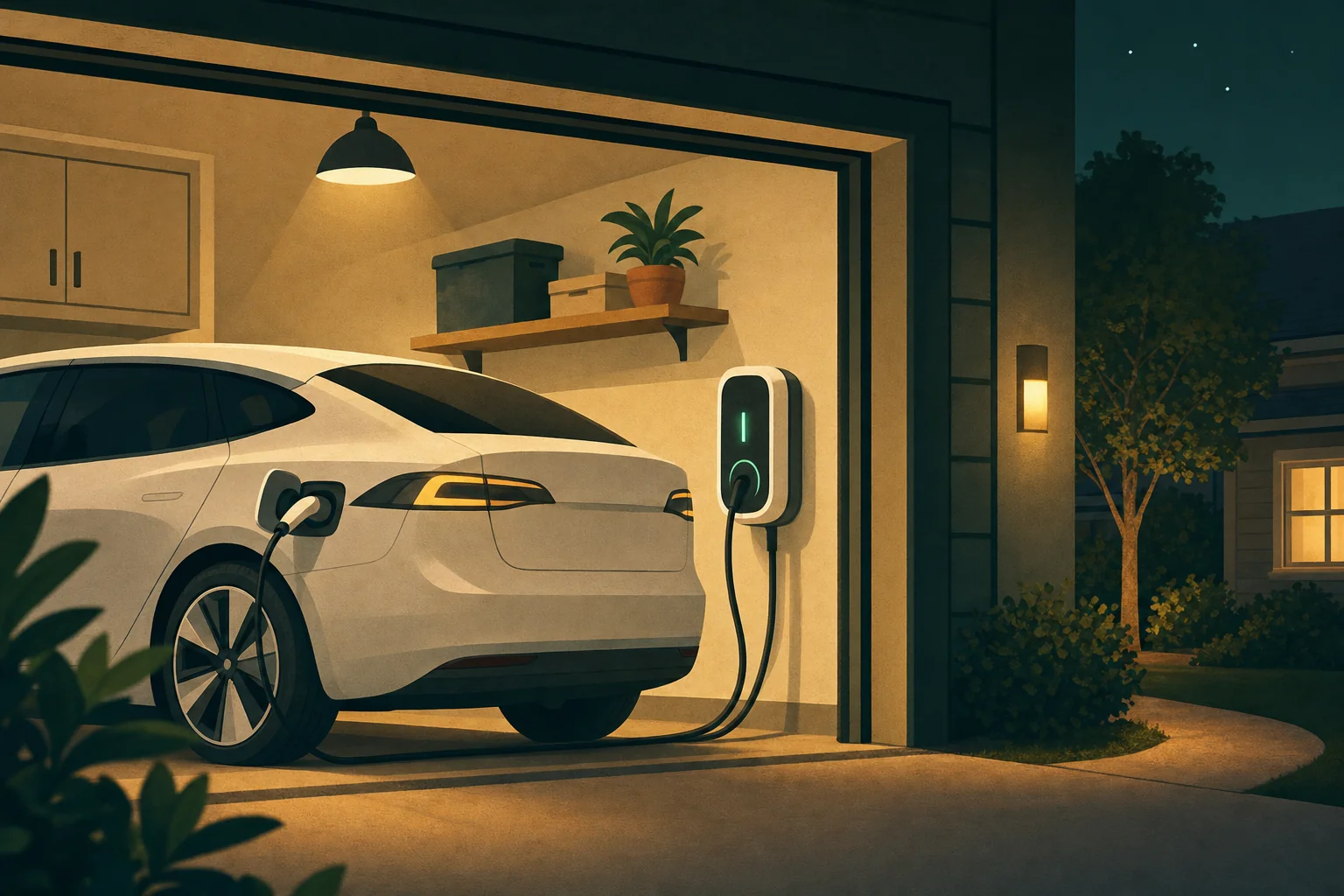
If your total jumped but your habits did not, this guide breaks down the real drivers: billing days, rate shifts, fixed charges, and corrections.

Heat pump running all day in winter? It is often normal in cold weather, but nonstop runtime can signal a problem. Learn what is normal and what to check.

How to budget for utilities in your first apartment: a simple guide to estimating electricity, gas, water, and internet costs before you sign the lease.
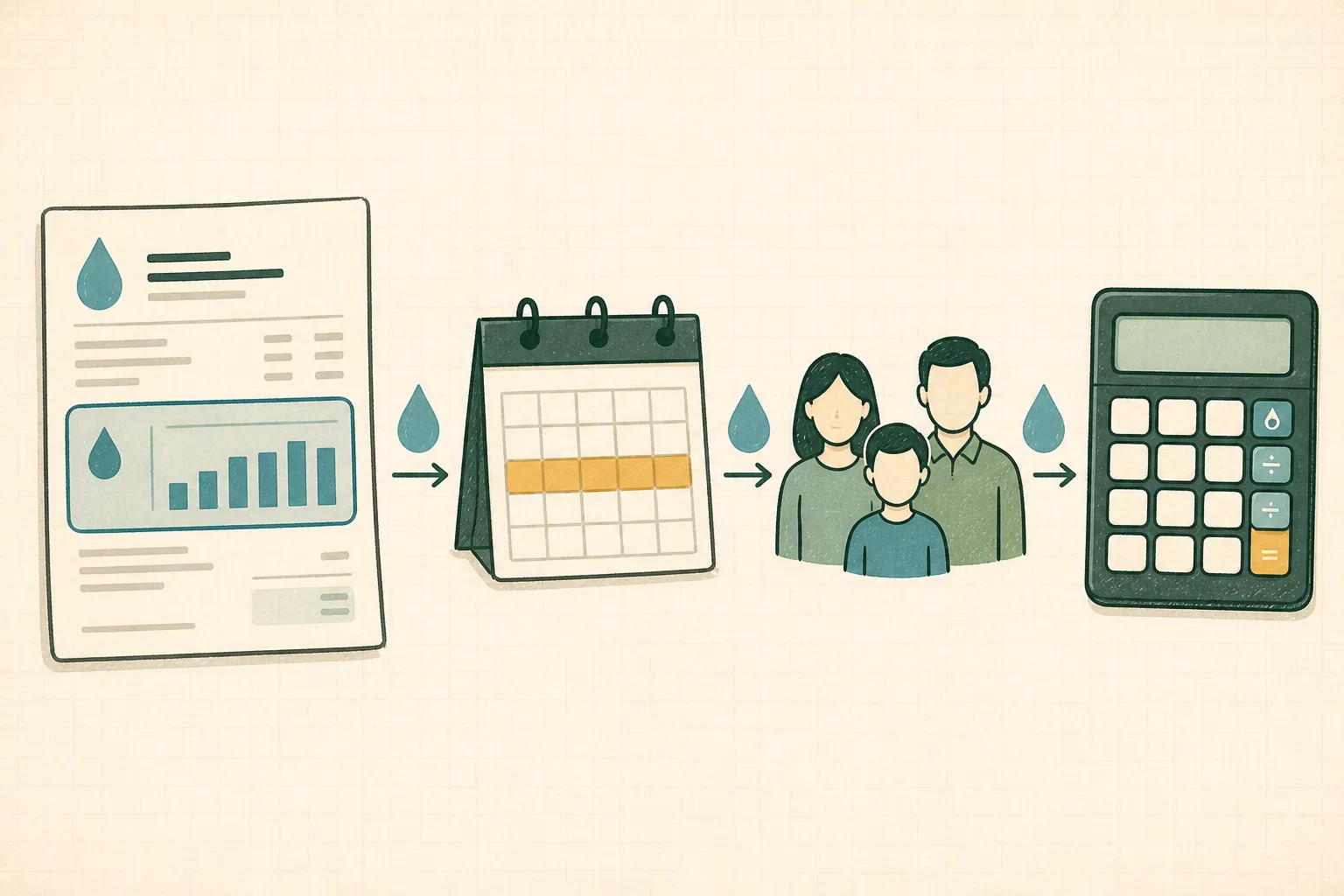
The average American uses about 82 gallons of water a day at home. See the per-person breakdown by fixture and how your household compares to the norm.

Sewer charges often use a winter average, not current water use. Learn how sewer averaging works with real city examples from Austin and San Antonio.

Furnace blowing cold air? Work the check order: thermostat mode, fan, filter, breaker, vents, and CO alarm. Know when to DIY and when to call a pro.

No lawn watering but a higher bill? Learn the most common winter causes, from leaks to longer billing cycles and freeze-thaw pipe stress, and how to check.

AC running but the house stays warm? The causes ranked, the safe checks to run tonight, and the clear line where it becomes a paid service call.
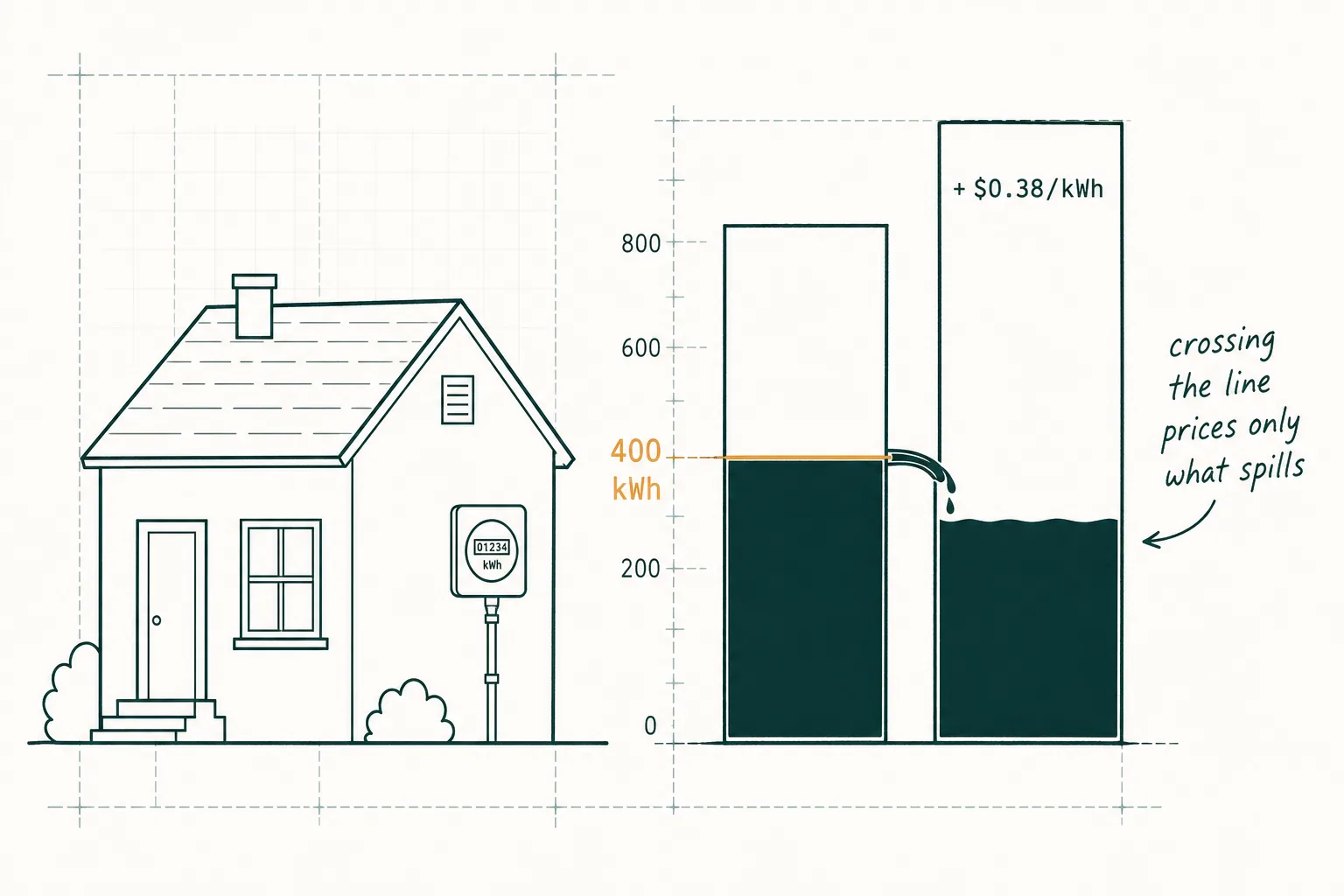
Review block or tiered electricity rates from the tariff and itemized statement, then compare billed usage, thresholds, and all other charges.

Water meter leak indicator: most meters have a small dial that moves when water flows. How to use it to spot hidden leaks and rule out false alarms.

Seeing a water service (or base) charge even when you barely used water? Here's what that fixed fee usually covers and how to sanity-check it.

Why did my water bill suddenly increase? The common reasons water bills spike — leaks, rate changes, meter errors — and how to troubleshoot each one.

Why is your water bill higher in summer? Seven common causes — outdoor watering, leaks, and tiered pricing — and how to figure out what changed.

AFUE, SEER, HSPF, and COP explained: what each rating measures, how they map to real bills, and how to compare systems without mixing units.

Aux heat vs emergency heat: what your thermostat is telling you, why costs can spike, and when to use each mode — and when to leave it alone.

Spot the 8 duct-leak symptoms, run a 15-minute DIY check tonight, and know exactly what a duct-blaster test measures before you pay for one.
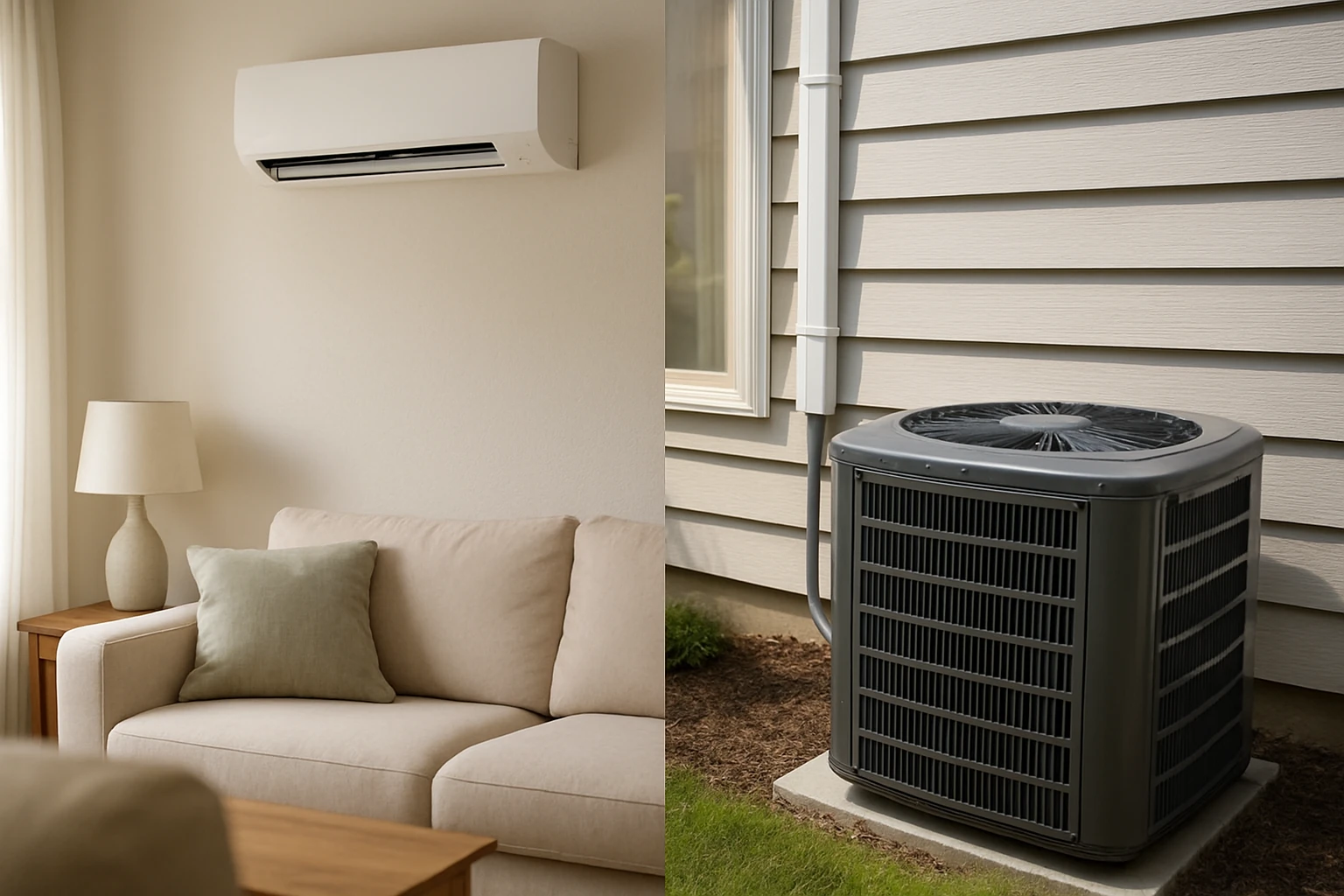
Ductless mini-split vs central air: the honest comparison — installation cost, efficiency, zoning control, and which system pays off for which house.
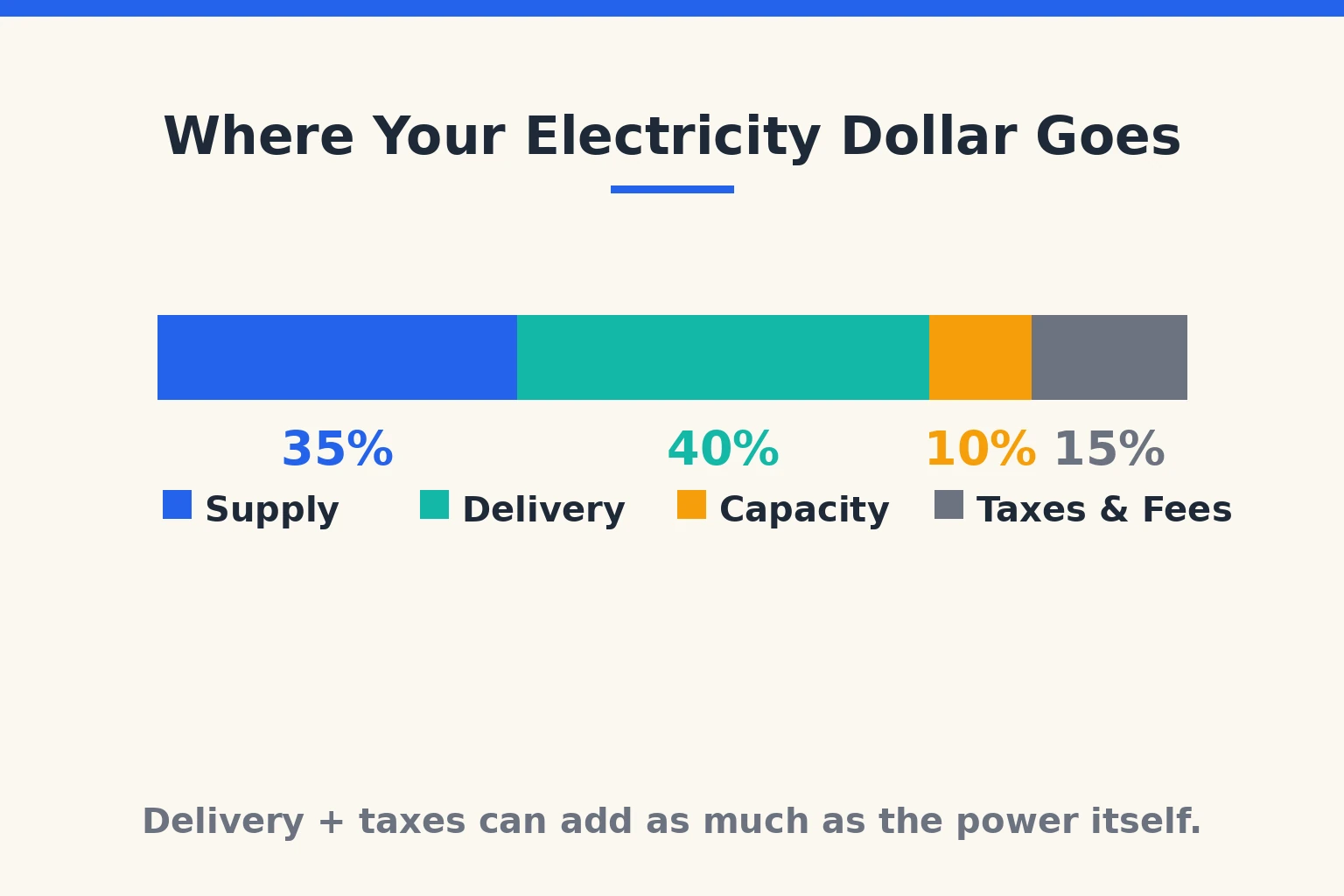
Electric bill breakdown: decode the charge categories on a US electric bill — supply, delivery, customer charges, and taxes — and how to verify each.

Smart meters report your usage hourly over a radio network, kill estimated bills, and enable time-of-use rates. Here's how the technology actually works.

How do you lower your electric bill without solar? Verified measures ranked by leverage: thermostat setbacks, water heating, ducts, standby loads.

How to read a water meter: a step-by-step guide to reading your home meter, checking for leaks, and knowing whether the reading is accurate.

How to read an electric meter: record a dial or digital reading, compare it with your bill, and ask your utility about meter-specific details.
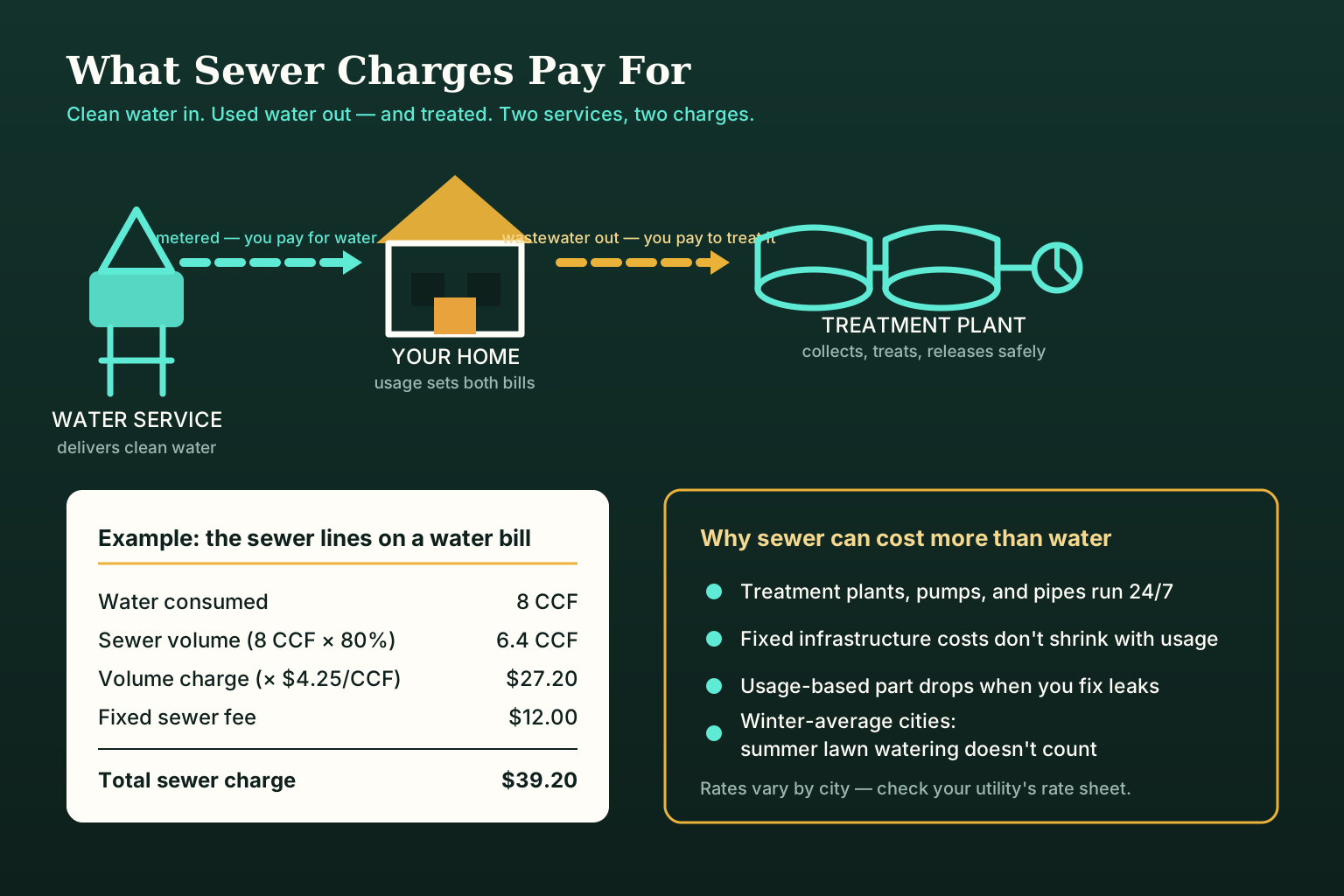
Use the bill, local rate schedule, and utility customer service to understand how sewer service is charged on your account — and how to check the math.

Use a simple food-coloring dye test to check whether water is leaking from a toilet tank into the bowl, then confirm the repair with your meter and bill.

Learn what HVAC staging and variable-speed equipment mean, why system sizing matters, and what to ask before choosing the right system for your home.

What is CCF on a water bill? It means hundred cubic feet — 1 CCF equals 748 gallons. How to convert your CCF number and spot a hidden leak fast.