Quick Answer
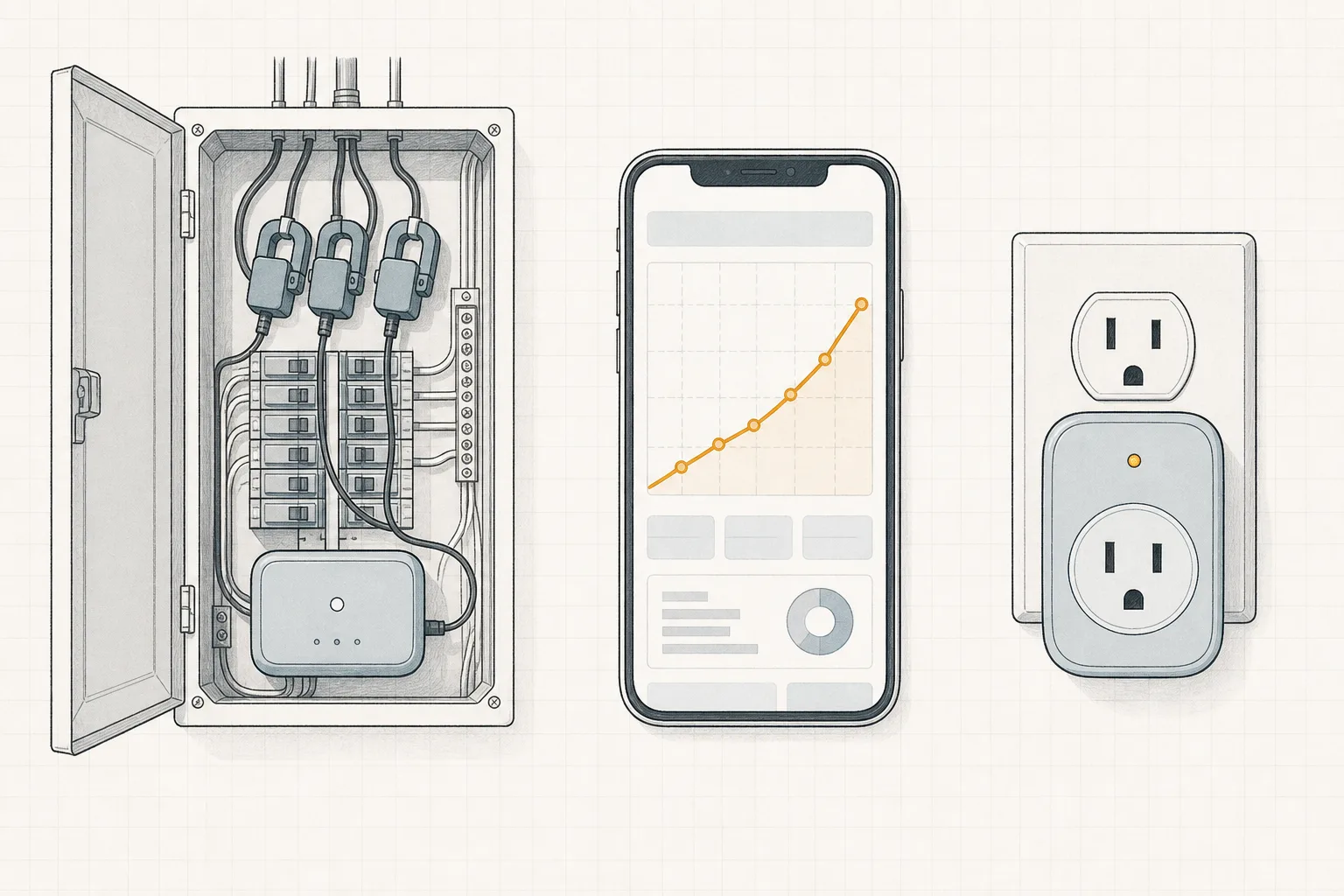
The P3 Kill A Watt P4400 — the classic $25-ish plug-in usage meter — is still the default way to measure one appliance, and it is buyable again after a stock wobble. But “Kill A Watt” is one product in a four-way toolbox: the P4456 Kill A Watt Flex (same idea, newer features, when in stock), an energy-monitoring smart plug (measures in an app, over time, from anywhere), the Emporia Vue 3 (every circuit at once, panel install), and your utility’s hourly data (free, whole-home only). The right pick depends on whether you want a one-weekend answer or a permanent meter — the comparison below settles it in two minutes.
If you came from one of our other guides — what a kilowatt-hour is, phantom power, or how many watts a refrigerator uses — this page is the buying-decision companion to all three. If you just want the classic meter and move on: the P4400 is in stock on Amazon — the comparison below covers when the Flex, a smart plug, or the utility’s free data does the job better.
First, What the Kill A Watt Actually Is
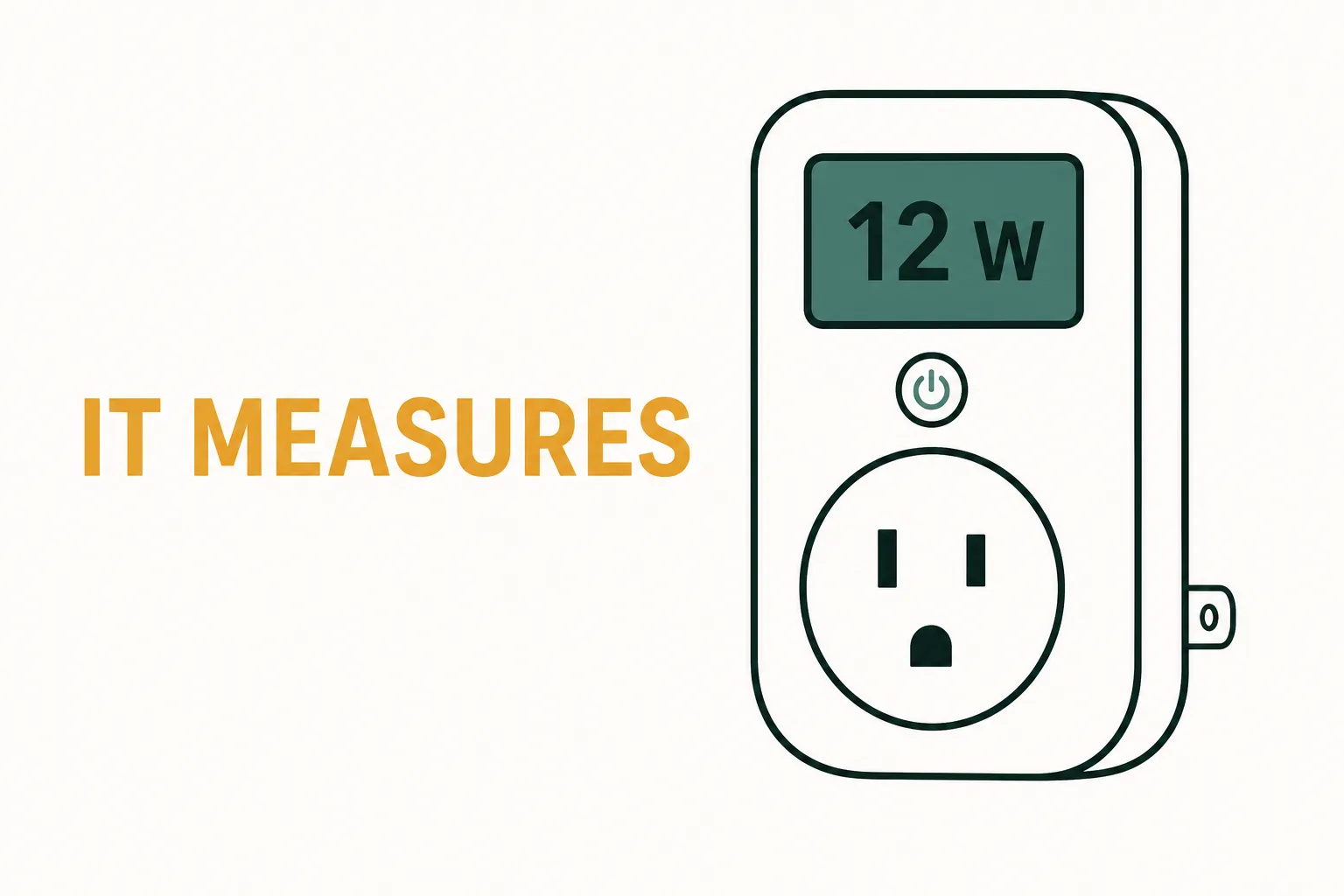
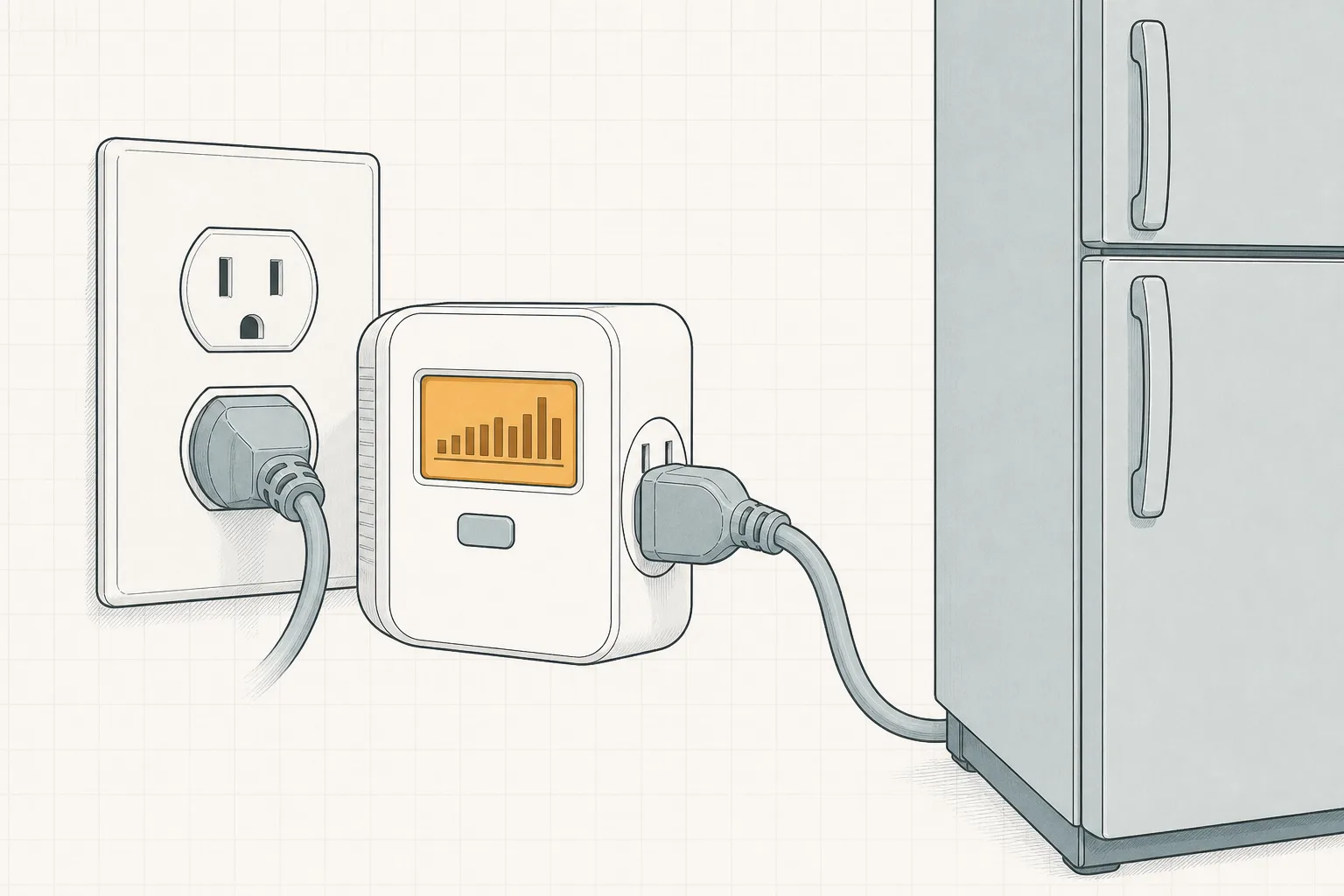
A Kill A Watt is a pass-through meter: appliance plugs into it, it plugs into the wall, and a small LCD shows volts, amps, watts, and — the number that matters — cumulative kWh. Run it for a day or a week, multiply the kWh by your rate, and you have that appliance’s real cost, from your actual usage, instead of a generic internet table. P3 International has made the family for over two decades,[1] which is why the name became generic — like “Crescent wrench” for an adjustable wrench.
The family tree, briefly, because the listings get confusing:
| Model | What it adds | Typical band | Stock reality (checked Sept 2026) |
|---|---|---|---|
| P4400 (the original) | Watts, volts, amps, cumulative kWh | ~$25–30 | In stock (third-party sellers) |
| P4460 EZ | Forecasts cost from your entered rate | ~$30–40 | Single units currently unavailable; 3-packs in stock |
| P4456 Flex (newest) | Memory retention, CO2 and cost views | ~$40 | In stock but limited quantities |
The bands move — the box below always shows current Amazon pricing. The P4400 does the core job; the EZ and Flex add conveniences (cost forecasting without doing multiplication yourself, memory). None of them requires Wi-Fi, an app, or an account — which is precisely their appeal.
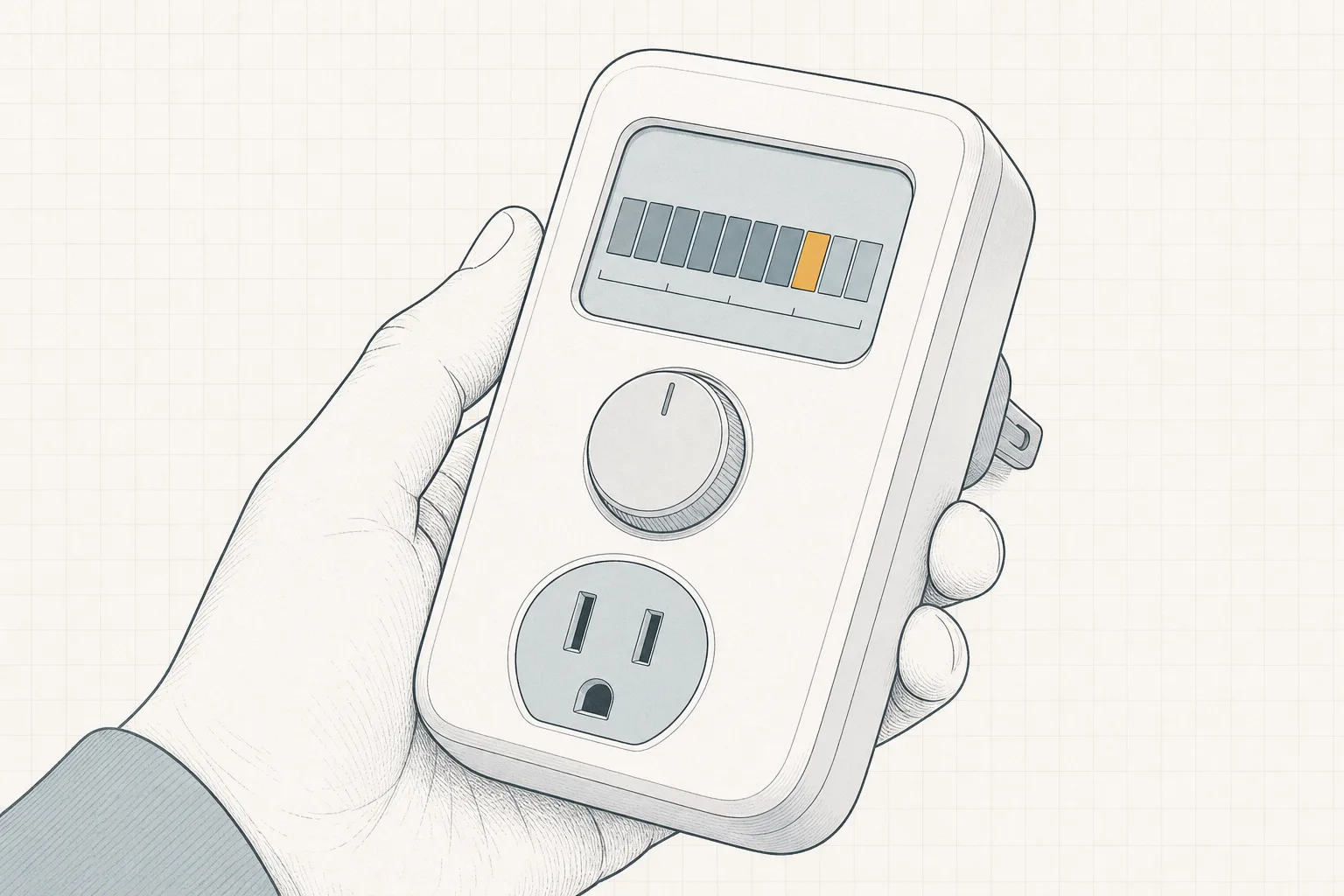
Pass-through LCD meter: watts, volts, amps, and cumulative kWh for any 120V appliance up to 15A. No app, no Wi-Fi, no account — plug it in, read the display, do the math once. 0.2% accuracy per P3's spec sheet.
Check price on Amazon Price & availability shown on Amazon.com — we may earn a commission.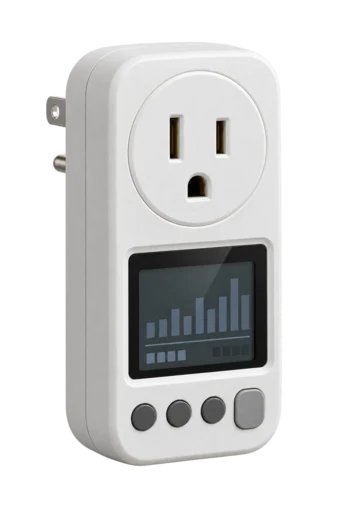
The Four Ways to Measure One Appliance (or More)
1. The Kill A Watt — the weekend answer
Best when: you want one number for one appliance, once, with zero setup.
Pass-through LCD meter: watts, volts, amps, and cumulative kWh for any 120V appliance up to 15A. No app, no Wi-Fi, no account — plug it in, read the display, do the math once. 0.2% accuracy per P3's spec sheet.
Check price on Amazon As an Amazon Associate we earn from qualifying purchases. Price & availability shown on Amazon.com.Strengths: instant, cheap, app-free, works in any outlet, survives decades. Limits: it answers one outlet at a time; you have to physically check the display; and it can’t meter anything hardwired or 240-volt (dryers, ranges, water heaters, well pumps). If the P4400 listing you find is out of stock or the price has spiked, the P4456 Flex is the same instrument with modern conveniences:
P3's newest plug-in meter: watts and cumulative kWh with memory retention, plus cost and CO2 views. Same pass-through, screen-first design as the original — no app required.
Check price on Amazon Price & availability shown on Amazon.com — we may earn a commission.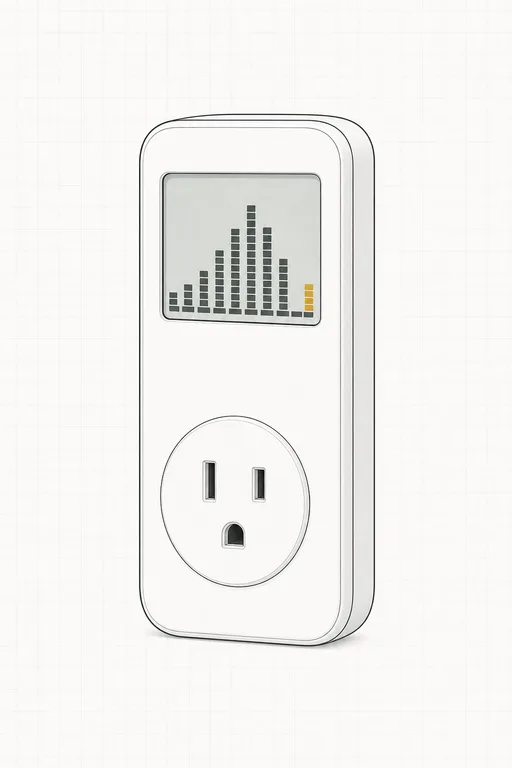
2. An energy-monitoring smart plug — the permanent meter
Best when: you want to watch a device over months, from your phone, maybe on a schedule.
A metering plug (Kasa KP115, Tapo P110M, Emporia) is a Kill A Watt that lives in the app: real-time watts plus day/week/month kWh history, remotely, forever — and it can also switch the device off automatically, which is where savings actually happen. The trade: it needs Wi-Fi and a tap or two of setup, and it holds your appliance on a relay — for compressors (fridges, window ACs) a brief measurement is wiser than permanent duty. Full rules of thumb are in which smart plugs actually measure energy.
Real-time watts and weekly kWh per outlet in the Tapo app, Matter-certified across Alexa, Google, and Apple Home. Two outlets — meter two suspects at once, then schedule them off when idle.
Check price on Amazon Price & availability shown on Amazon.com — we may earn a commission.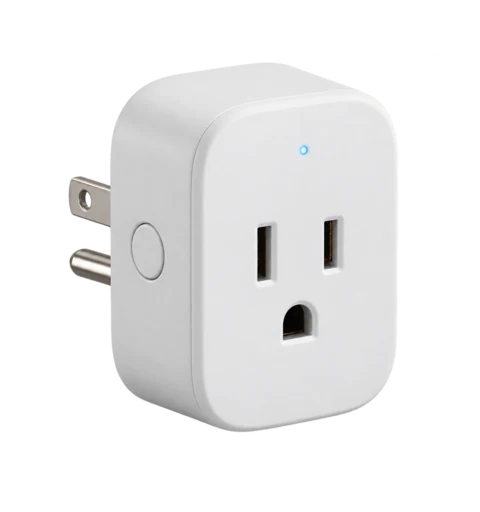
3. The Emporia Vue 3 — every circuit at once
Best when: the suspect list is longer than the outlet count, and you own the home.
A panel-mounted monitor meters up to 16 circuits directly — including the 240-volt loads no plug can touch (dryer, range, water heater, AC) — with no appliance-by-appliance patrol. The costs: panel install (electrician-recommended) and circuit-level rather than device-level naming. The whole trade-off is covered in the best home energy monitor 2026; the short version: if you would buy three or more plug meters to chase a bill mystery, the Vue 3 is the same money answering the whole panel.
P3's newest plug-in meter: watts and cumulative kWh with memory retention, plus cost and CO2 views. Same pass-through, screen-first design as the original — no app required.
Check price on Amazon As an Amazon Associate we earn from qualifying purchases. Price & availability shown on Amazon.com.CT clamps meter up to 16 circuits plus mains — including 240V loads no plug meter can reach. Real-time per-circuit data in the app, solar-ready, UL certified. Electrician-recommended panel install. Verify you're buying the sensor kit, not the monitor-only unit — the listings look similar.
Add to cart on Amazon Price & availability shown on Amazon.com — we may earn a commission.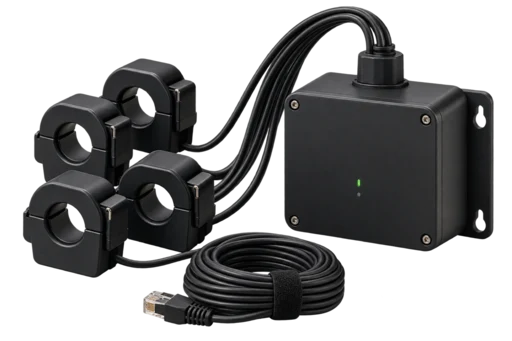
4. Your utility’s hourly data — the free floor
Best when: the question is “when is the house using power,” not “which device.”
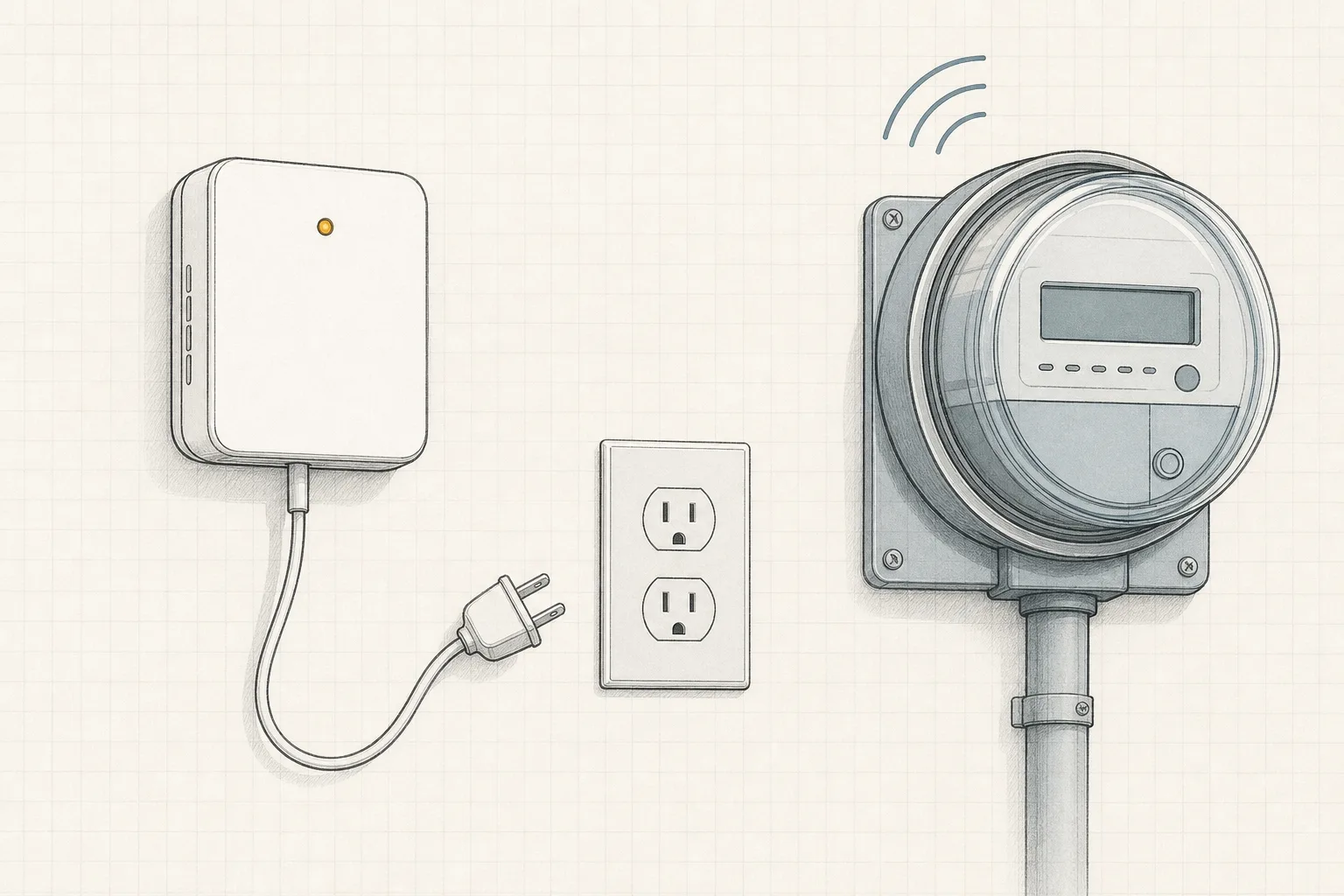
If you have a smart meter, your utility portal already graphs whole-home hourly usage for free. It can’t split a chest freezer from a wine fridge — but combined with the breaker-panel method (compare hourly lines before and after flipping one breaker), it gets surprisingly far at $0. How smart meters work covers what the meter itself knows.
Head-to-Head
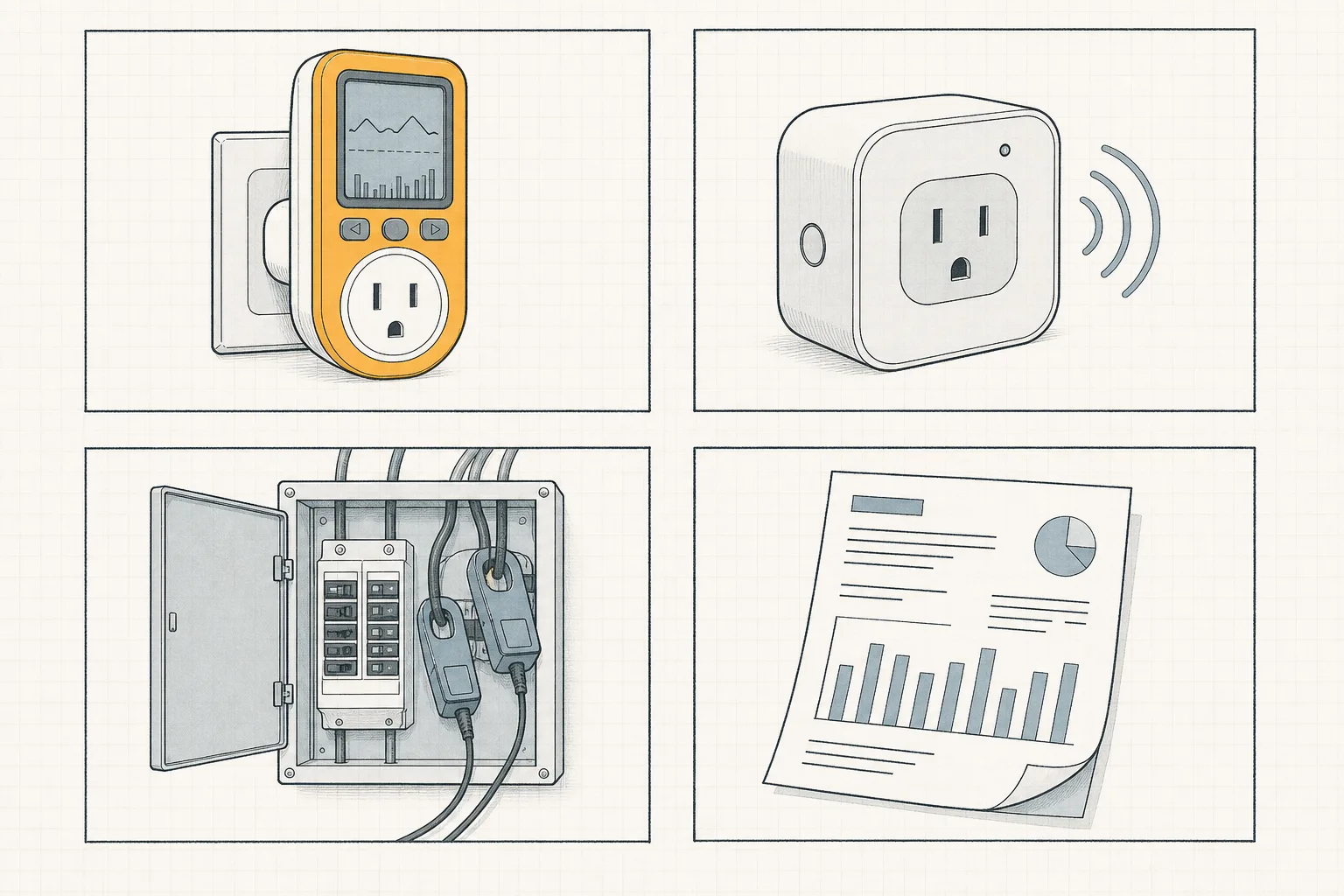
| Kill A Watt (P4400/P4456) | Metering smart plug | Emporia Vue 3 | Utility data | |
|---|---|---|---|---|
| Cost band | ~$25–40 | $20–40 per outlet | ~$100–200 + install labor | Free |
| Setup | None — plug and read | Wi-Fi + app | Panel install | Account login |
| Measures | 1 outlet, 120V | 1 outlet, 120V | Up to 16 circuits incl. 240V | Whole home only |
| History | Cumulative kWh on display | Day/week/month in app | Full history in app | Hourly, per utility |
| Also switches the device | No | Yes | No (monitors only) | No |
| Renter-friendly | Yes | Yes | No | Yes |
The Math You’ll Do Exactly Once
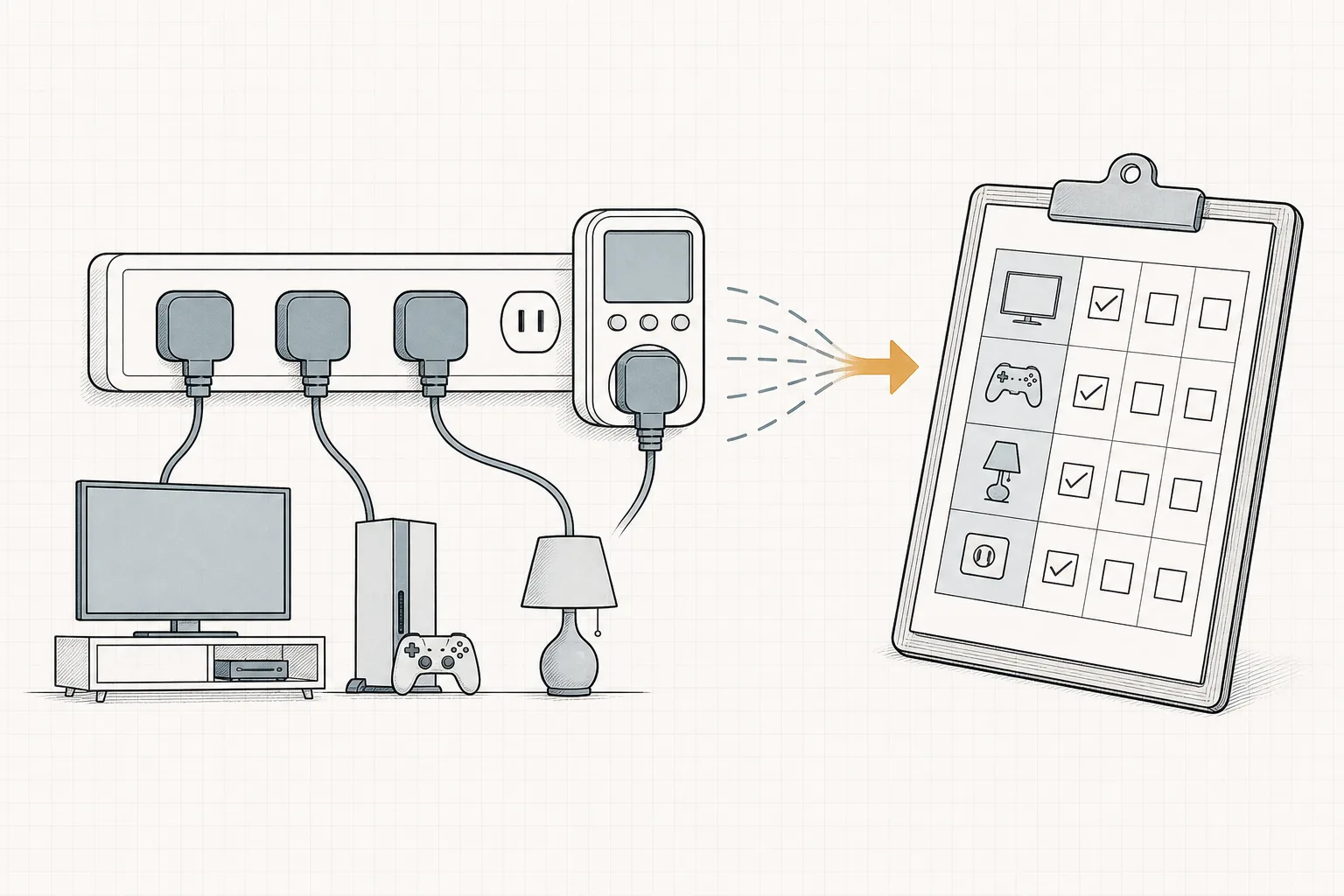
Whatever tool you pick, the arithmetic is the same. The June 2026 national average residential price was 18.34¢/kWh,[5] and the average household buys about 899 kWh/month[6] — call it a $165 monthly bill at the national average. So:
- A garage refrigerator metering at 90 kWh/month costs 90 × $0.1834 ≈ $16.50/month — about $200/year, which is exactly the kind of number that justifies a meter and maybe retires a fridge.
- An entertainment cluster idling at 60 W around the clock is 60 W × 730 h ≈ 44 kWh/month ≈ $8/month — worth a scheduled smart plug, not worth panic.
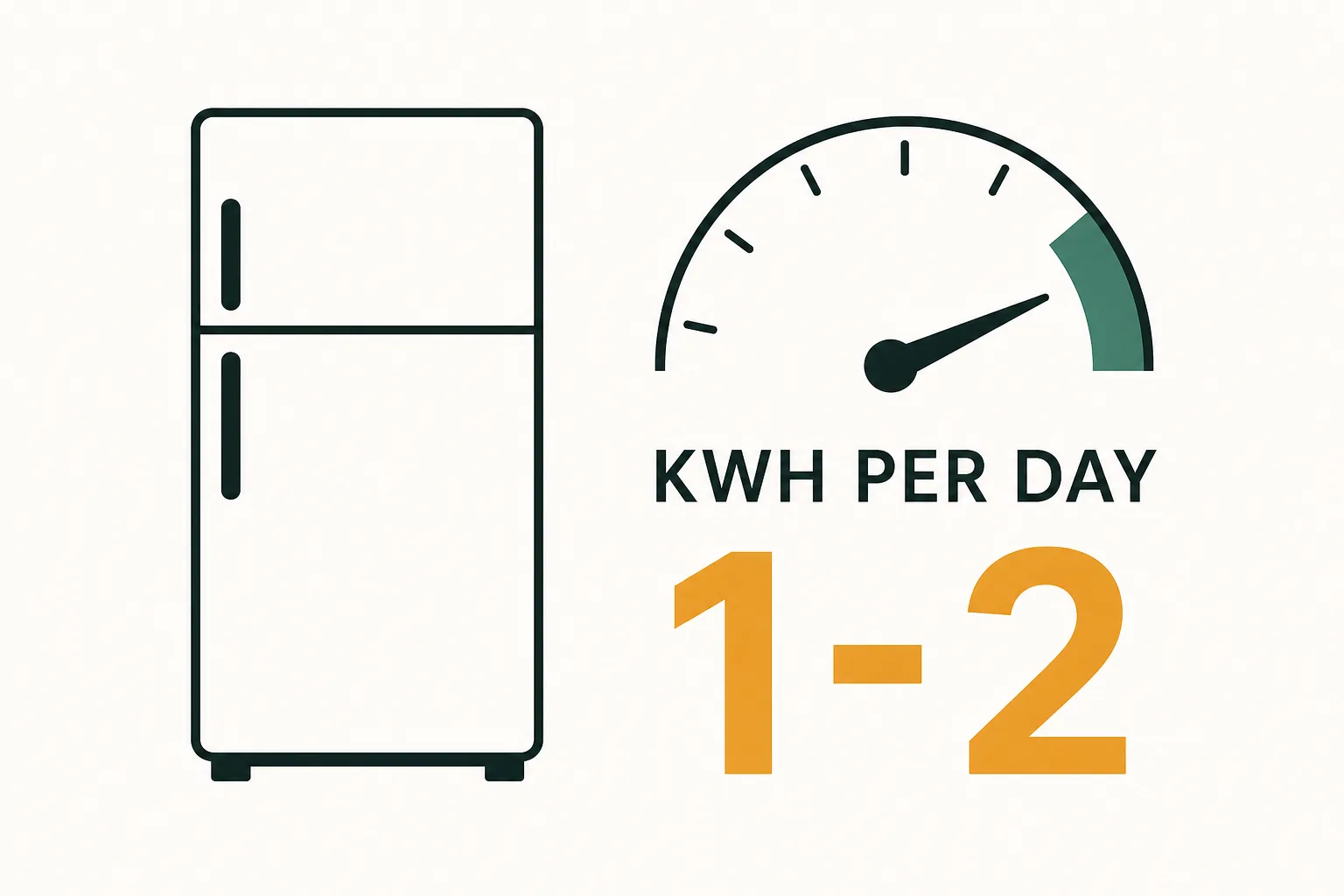
One measurement beats any generic table, because nameplate watts and real duty cycles differ — how many watts does a refrigerator use exists because that question has honest ranges, not one answer.
Real-time watts and weekly kWh per outlet in the Tapo app, Matter-certified across Alexa, Google, and Apple Home. Two outlets — meter two suspects at once, then schedule them off when idle.
Check price on Amazon As an Amazon Associate we earn from qualifying purchases. Price & availability shown on Amazon.com.Which One Should You Actually Buy?
- One suspect appliance, one-time question → Kill A Watt P4400 (or P4456 Flex if the P4400 listing is dry). ~$25–40 once.
- Suspect you’ll want to schedule or watch long-term → metering smart plug, ideally a 2-pack.
- Whole-house mystery, own the home, multiple suspects including 240V loads → Vue 3 and an electrician’s hour.
- Budget zero → utility portal + breaker-panel method.
And the standing rule for every tool on this page: measuring is not saving. The meter produces the number; the habit change, the scheduled plug, or the retired second fridge produces the lower bill. If no one will act on the reading, spend the $25 on nothing.
Sources
- P3 International — Kill A Watt product family — the P4400/P4460/P4456 lineup and specifications. Retrieved 2026-09-06.
- Kasa KP115 — TP-Link — metering smart plug specifications. Retrieved 2026-09-06.
- Tapo P110M — TP-Link — Matter-certified metering plug. Retrieved 2026-09-06.
- Emporia Vue 3 — Emporia Energy — 16-circuit whole-home monitor specifications. Retrieved 2026-09-06.
- EIA Electricity Monthly Update — End-Use Consumption — average residential price 18.34¢/kWh, June 2026. Retrieved 2026-09-06.
- EIA — How much electricity does an American home use? — ~899 kWh/month average. Retrieved 2026-09-06.