Quick Answer
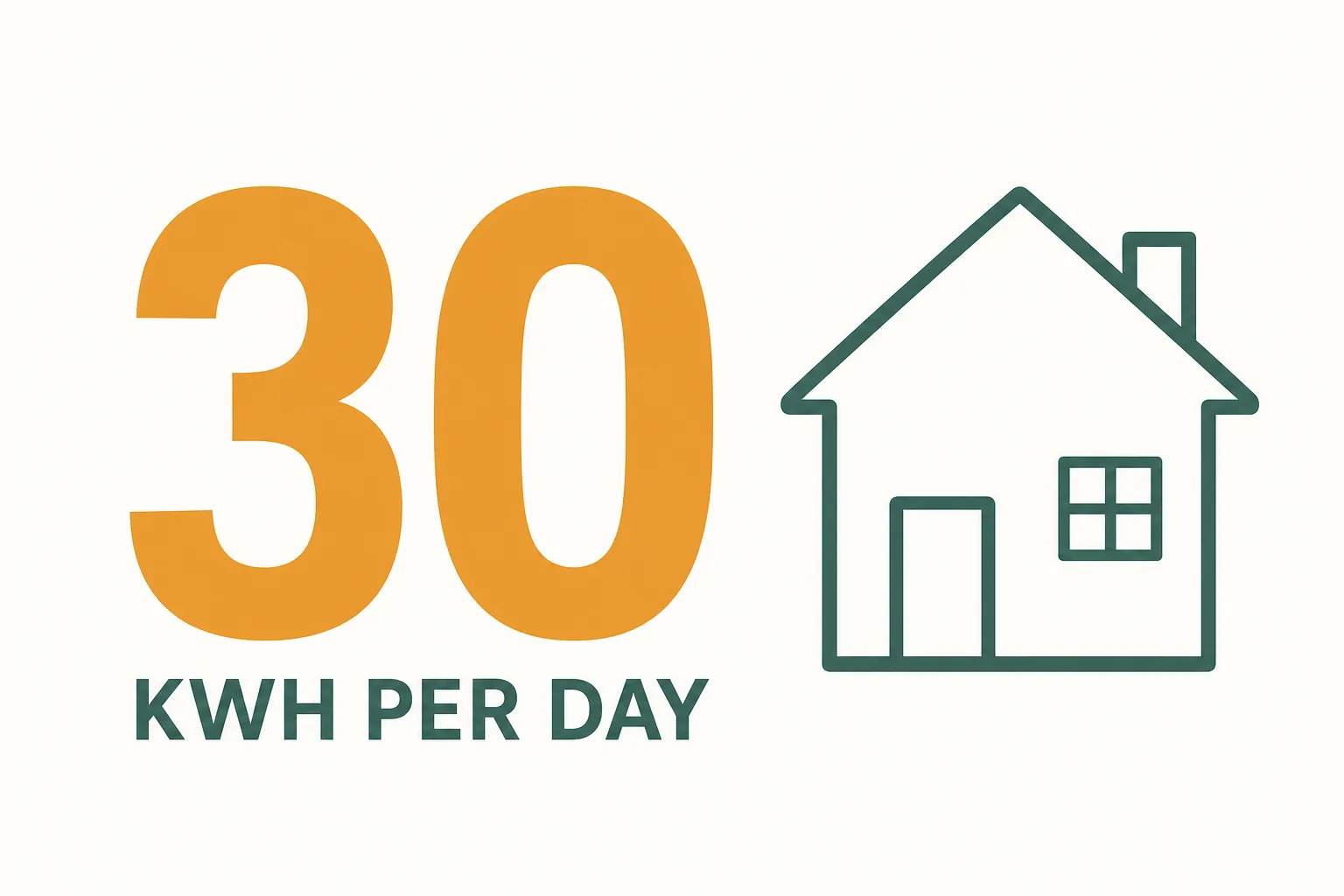
Work down the biggest verified levers in order: heating and cooling, water heating, then small always-on loads — before considering solar. The average U.S. home used about 899 kWh/month (2023) and paid about $144 a month (2024).[1][2] DOE says a home energy assessment comes before any improvement, and its highest-documented single measure is a 7–10°F thermostat setback for 8 hours a day — up to 10% off heating and cooling costs per year.[3]
Solar is a generation decision; these measures cut consumption, need no roof equipment, and cost little or nothing.
Scope: this is the short, ranked path for readers who specifically want bill relief without a solar project. For the full 17-step walkthrough with per-step bill math, phantom-load tables, and the payback worked example, see How to Lower Your Electric Bill: The Complete Guide. The two pages agree; this one is the executive route.
Target the Big Uses First
In U.S. homes, space heating and air conditioning account for about 52% of energy use, and water heating takes nearly 20% — DOE’s figure.[3][4] Nationally, that’s the 899 kWh/month the average household uses, at an average residential price of 18.34¢/kWh (June 2026).[1][2][5]
| Use | Share of home energy | Highest-leverage move |
|---|---|---|
| Heating + cooling | ~52%[4] | Thermostat setbacks, filter upkeep, duct sealing |
| Water heating | Nearly 20%[3] | Temperature, load type, fixture swaps |
| Other devices (electronics, lights, appliances) | ~23%[4] | Standby-load control, efficient appliances, rate plan |
Step 1: Run a Home Energy Assessment (Free, DIY First)
DOE’s guidance treats the assessment as the first step before improvements — and before adding any renewable-energy system.[3] A DIY pass documents the obvious — air leaks, dirty filters, blocked vents, water-heater temperature, old incandescent bulbs — and a professional covers insulation, combustion, electrical-panel, or moisture concerns you can’t safely assess. Pair it with your bill data: the last 12 months of kWh, your rate plan, and interval data if offered (see How to Read Your Electric Bill and Understanding kWh Usage).
The Measures With the Best-Documented Savings
Ranked by evidence strength and leverage:
- Thermostat setbacks — up to 10% per year. Set back 7–10°F for 8 hours a day (asleep or away) to cut heating and cooling costs up to 10% annually, per DOE.[3]
- Duct sealing — 20–30% of ducted air is lost. ENERGY STAR: “about 20 to 30 percent of the air that moves through the duct system is lost” (attics, crawlspaces, garages) — so sealing is priority-one when ducts run through unconditioned space.[6]
- Water-heating steps — nearly 20% of your energy.[3] Set the tank to 120°F (check manufacturer guidance first), fix hot-side drips, and wash laundry cold. A WaterSense showerhead saves about 330 kWh a year in water heating — roughly a month of typical household electricity.[7]
- HVAC filter and coil upkeep. Check filters monthly, change at least every 3 months, and schedule a yearly professional tune-up, per ENERGY STAR.[8]
- Efficient appliances at replacement time. An ENERGY STAR certified dishwasher costs about $50 per year to run — one of the few appliance swaps with a documented running-cost gap that large when replacing a 1990s model.[9]
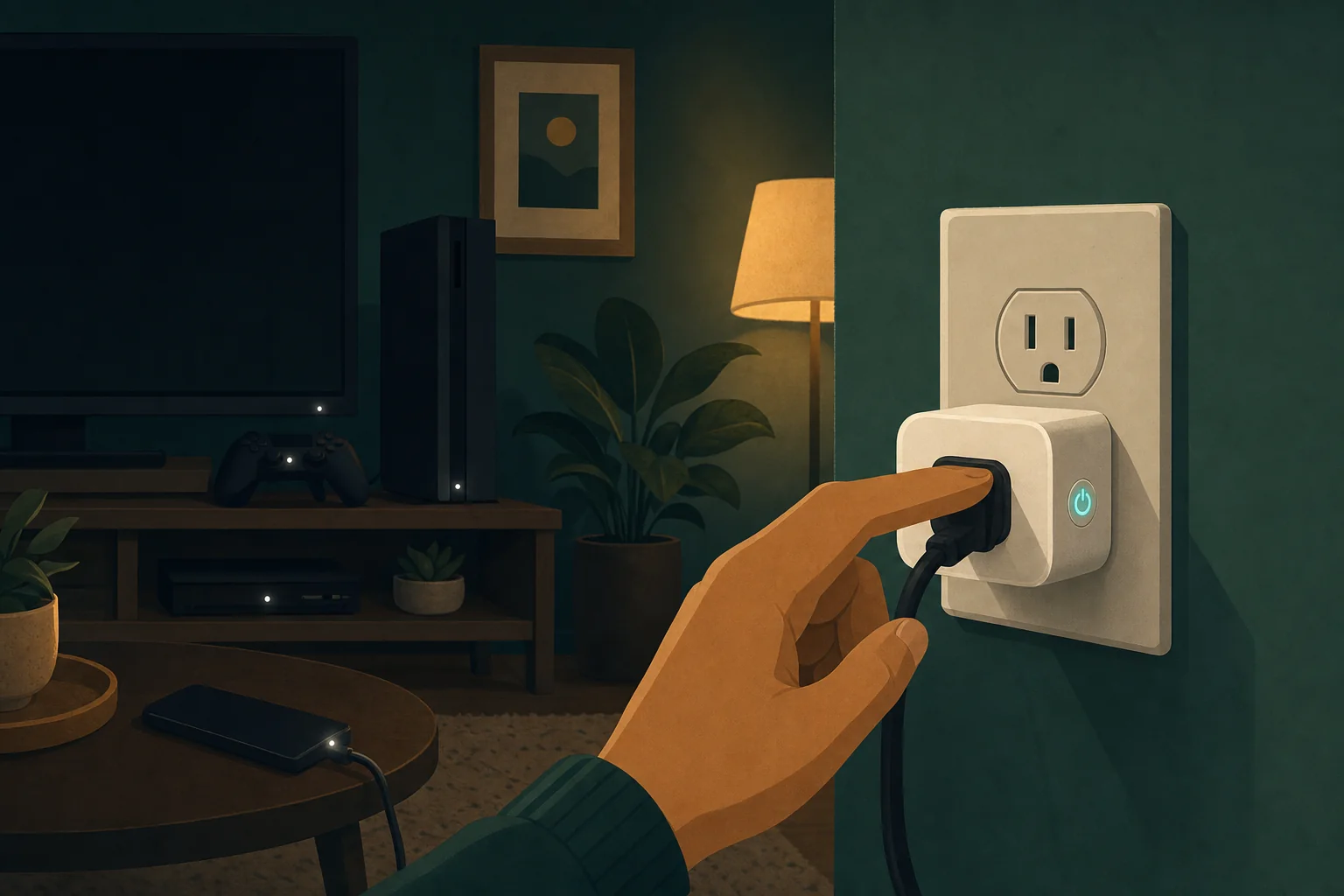
- Standby loads — measure, then switch. Electronics and small appliances draw power off-hours: measure first (a monitoring smart plug shows daily kWh), then schedule the proven offenders off — the smart-plug comparison rates current models.
For the full ranked walkthrough with bill math: How to Lower Your Electric Bill: The Complete Guide.
Check the Plan, Not Just the Usage
The same kWh can cost differently by rate design — confirm what you’re on:
- Time-of-use plans reward shifting laundry, dishwashing, and EV charging off-peak — real 2026 tariff examples in What Time Is Electricity Cheapest? and How to Review a Time-of-Use Electricity Plan.
- Tiered rates charge more per kWh above a baseline — trimming the top tier has outsized value (Tiered Electricity Rates Explained).
- Fees and riders are on every bill and worth auditing line-by-line (Understanding Your Utility Bill’s Surcharges and Riders).
Before Adding Solar
If consumption and rate design are handled and the bill is still high, evaluate solar next. DOE’s Energy Savings Hub notes Home Energy Rebates may be available for appliances and efficiency improvements, run by states, territories, and Tribes — confirm eligibility and documentation rules before signing anything.[10]
Verify the Result
Compare full bills in the same season — billing days, kWh, rate plan, credits — not just dollar totals; a valid before/after holds rate changes and weather constant, or it proves nothing.
Sources
- EIA FAQ: What is the average electricity consumption of U.S. homes? — 899 kWh/month average (2023), retrieved 2026-08-29
- EIA Today in Energy: Average U.S. household electric bills in 2024 — ~$144/month (2024), retrieved 2026-08-29
- U.S. Department of Energy: Save on Home Upgrades — assessment-first guidance; 7–10°F setback for 8h/day up to 10%/yr; water heating nearly 20% of home energy, retrieved 2026-08-29
- EIA Energy Explained: Use of Energy in Homes — heating + cooling ~52% of home energy use (RECS 2020), retrieved 2026-08-29
- EIA Electricity Monthly Update — 18.34¢/kWh average residential price (June 2026), retrieved 2026-08-29
- ENERGY STAR: Duct Sealing — “about 20 to 30 percent of the air that moves through the duct system is lost,” retrieved 2026-08-29
- EPA WaterSense: Showerheads — ~330 kWh/yr average water-heating savings, retrieved 2026-08-29
- ENERGY STAR: Heat & Cool Efficiently — filter maintenance and yearly tune-up guidance, retrieved 2026-08-29
- ENERGY STAR: Dishwashers — certified standard-size models “cost about $50 per year to run,” retrieved 2026-08-29
- U.S. Department of Energy: Energy Savings Hub — Home Energy Rebates administered by states/territories/Tribes, retrieved 2026-08-29