Quick Answer
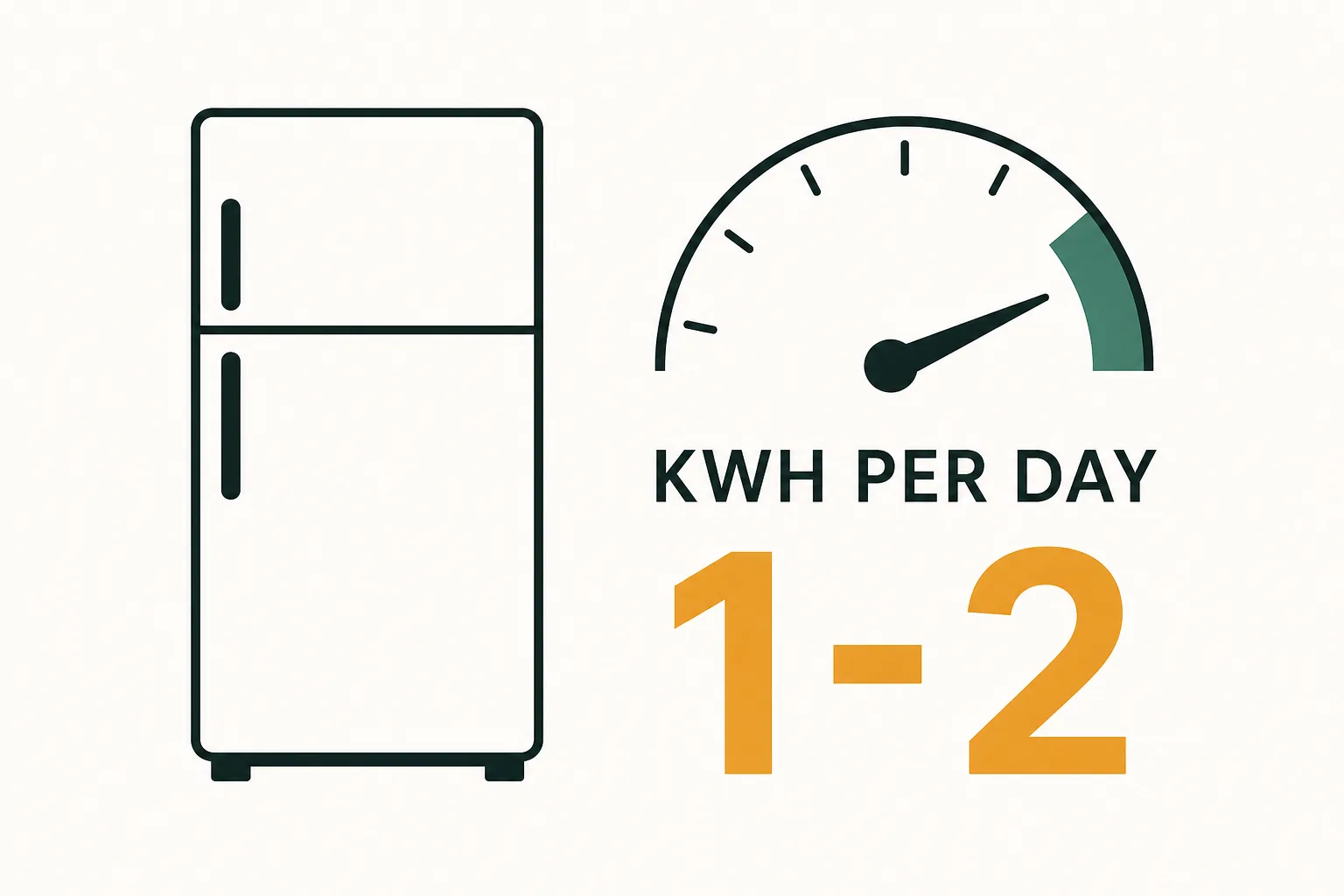
A refrigerator draws roughly 100 to 400 watts while the compressor is actually running — but it doesn’t run all the time, so the number that matters is not watts. It’s kilowatt-hours per day: typically 1 to 2 kWh/day for a modern full-size fridge, 2 to 3 or more for older or oversized units. Because the compressor cycles, a fridge’s “watts” change minute to minute and no single reading predicts a bill. The meaningful measurement is cumulative energy — from a $15-30 plug-in meter, or a free one from many public libraries.
Two numbers frame everything else. The average U.S. residential customer buys about 899 kWh/month (EIA, 2023),[1] and EIA’s Electric Power Monthly put the average residential price at 18.34¢/kWh for June 2026[2] — a bill of about $164.88 a month, the context for what a fridge actually costs to run.
Why “Watts” Is the Wrong Question for a Fridge
A refrigerator is not like a space heater, which pulls a steady wattage whenever it’s on. A fridge cycles: the compressor runs until the cabinet is cold, shuts off, and drifts warmer until the thermostat calls it back. “On,” the draw might be a few hundred watts; “off,” it is essentially zero, plus a few watts for the defrost heater on its occasional schedule.
That cycling is why two people with the same fridge can quote different “watts” and both be right — one caught a live reading mid-cycle, one a rest. Neither is yours; your fridge’s real figure is the average over time.
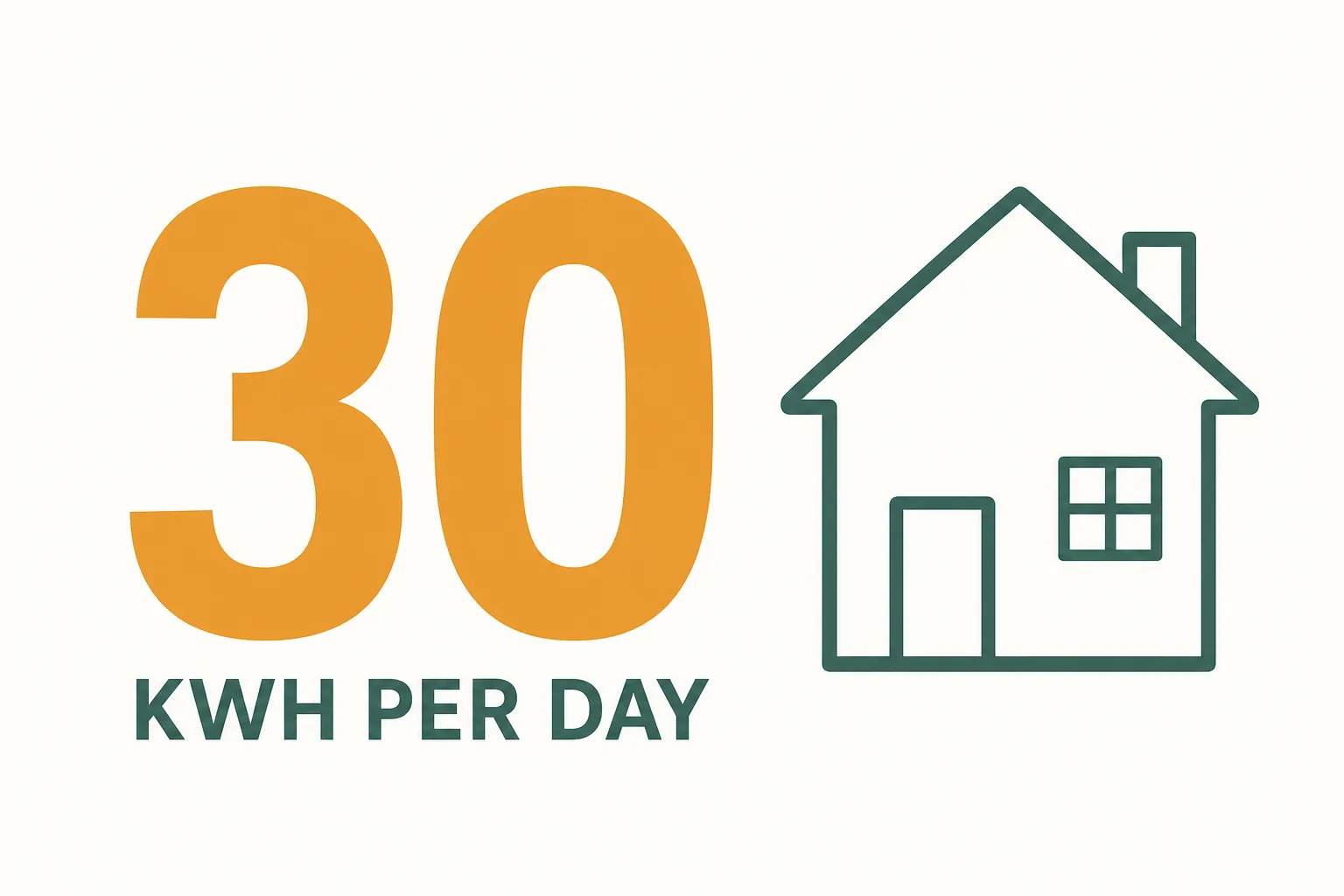
Meanwhile, every energy guide — including the federal method for estimating appliance costs — converts to one currency: watts × hours ÷ 1,000 = kWh, the unit your bill prices. If it’s fuzzy, Understanding kWh Usage builds the intuition in minutes. And kWh per day is the number worth benchmarking: a house far above the national 899 kWh/month (about 30 kWh/day) has a story beyond one appliance — how many kWh a house uses per day covers it.
Typical Numbers: New, Old, and Oversized
Published labels list annual kWh for test conditions, not your kitchen; runtime shifts with room temperature, door openings, and coil condition. Treat the table as planning ranges for a healthy unit, not specs — measuring beats guessing.
| Fridge type | Typical running watts | Typical kWh per day |
|---|---|---|
| Compact / mini fridge (modern) | 80-150 W | 0.4-0.8 |
| Top-freezer, modern, standard size | 100-250 W | 1.0-1.5 |
| Bottom-freezer or side-by-side, modern | 150-400 W | 1.5-2.5 |
| 15+ years old, any style | 200-400 W | 2.5-4+ |
The age penalty is quantified. ENERGY STAR states refrigerators over 15 years old can cost roughly $95 per year more to run than new certified models.[3] At the June 2026 average rate of 18.34¢/kWh,[2] that’s about 518 extra kWh a year — roughly 1.4 kWh more per day, sitting in a garage or basement. That second fridge is one of the most common silent loads in American homes.
One honest caveat on the watts column: specs vary within a size class more than buyers expect, and compressor startup surge — a brief spike, sometimes several times the running draw — is normal, not a defect. The table is for sanity-checking a measurement you take yourself: a mini fridge showing 3 kWh a day means the meter is misreading or something is wrong, and the next section finds out which.
How to Measure Yours with a Plug-In Meter (24 Hours)
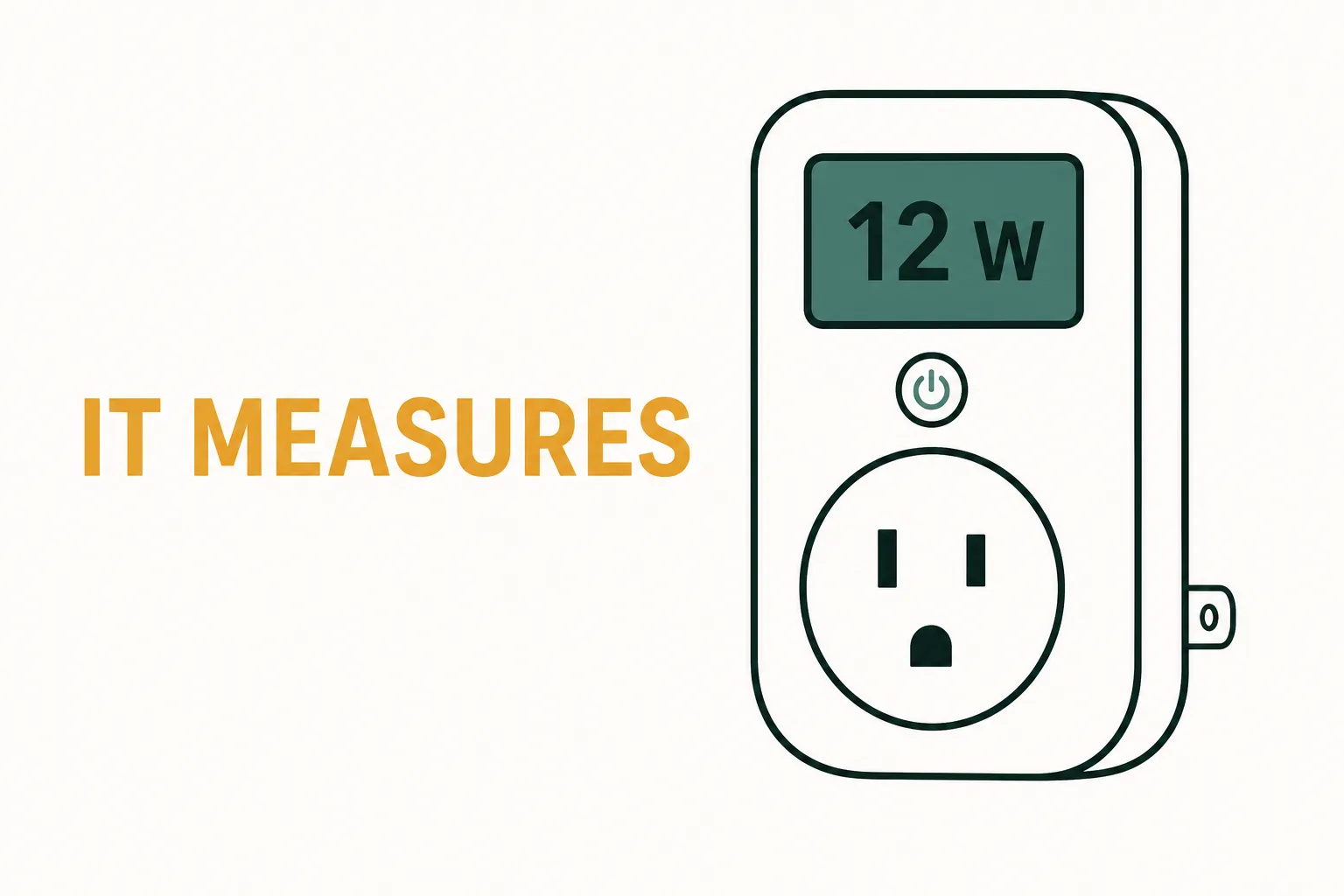
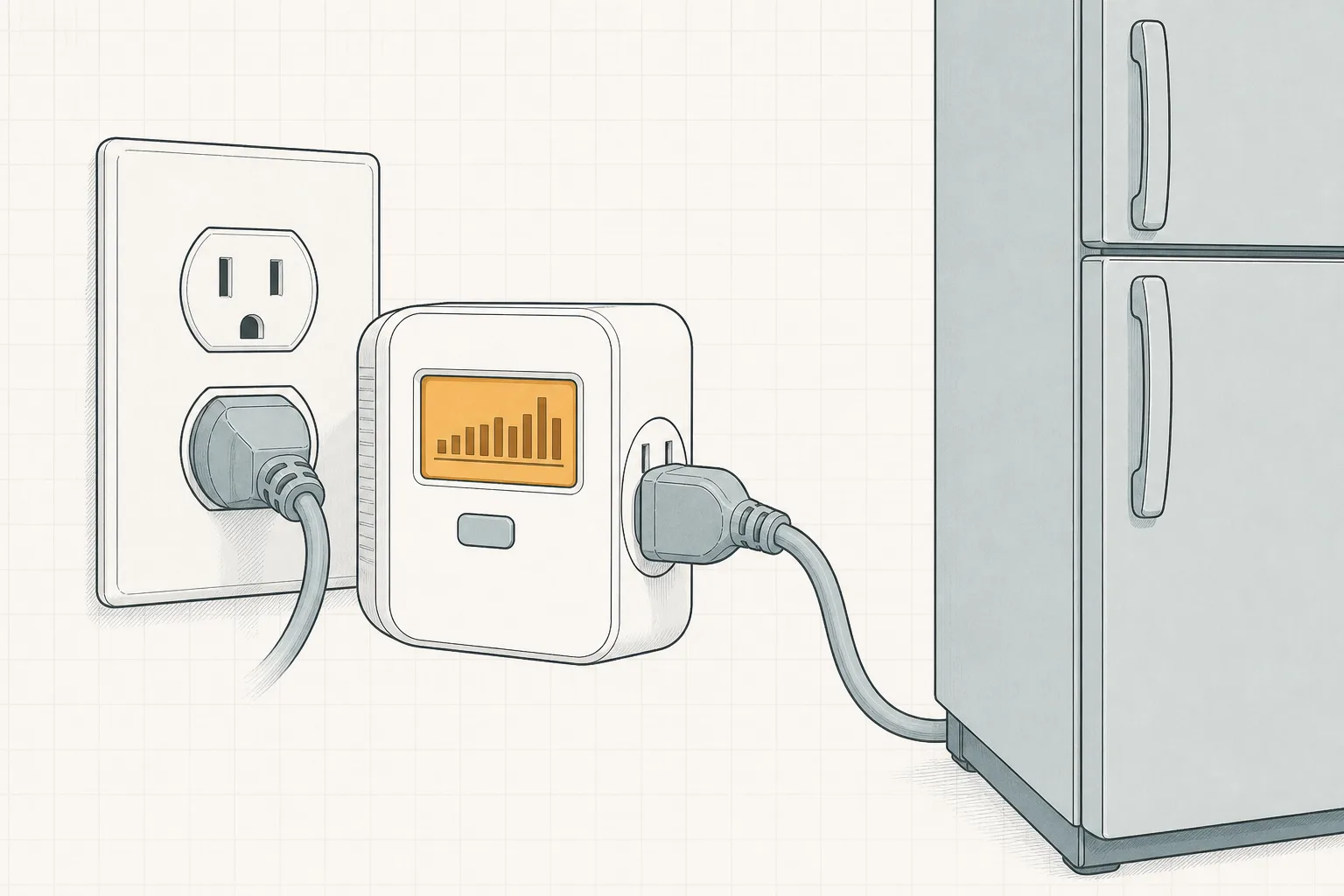
The measurement takes one device and one day. A plug-in watt meter — the P3 Kill A Watt family is the classic — sits between the fridge’s plug and the wall. It shows live watts, which is satisfying but not the number you want. You want cumulative kWh after 24 hours.
The 24-hour window is the measurement: it captures dozens of compressor cycles, at least one defrost, and a normal day’s door openings. A 10-minute spot check captures one slice and can mislead by a factor of two in either direction.
Plug-in watt meter that reads live watts and cumulative kWh over time; enter your own utility rate for an on-device cost estimate. Works on any standard 120V outlet — no installation, landlord-friendly, and handy for one measurement on each of several appliances (sold as a 3-pack).
Check price on Amazon As an Amazon Associate we earn from qualifying purchases. Price & availability shown on Amazon.com.A market note as of August 31, 2026: the longtime standard P3 P4400 single-unit listing is currently unavailable on Amazon — treat any reappeared listing at a strange markup with suspicion. Single P4400 units remain common at hardware stores, and the newer P4460 EZ three-pack below is in stock — a sensible pick to meter the fridge, the freezer, and a couple of appliances in one week. The EZ adds cost projection: enter your utility’s rate once and it displays cost on its own screen.
Plug-in watt meter that reads live watts and cumulative kWh over time; enter your own utility rate for an on-device cost estimate. Works on any standard 120V outlet — no installation, landlord-friendly, and handy for one measurement on each of several appliances (sold as a 3-pack).
Check price on Amazon Price & availability shown on Amazon.com — we may earn a commission.After 24 hours, write down the kWh figure and take it to the cost table below. That number, measured under your kitchen’s conditions, beats any table on the internet — including the one above.
Want Continuous Tracking? The Smart-Plug Route
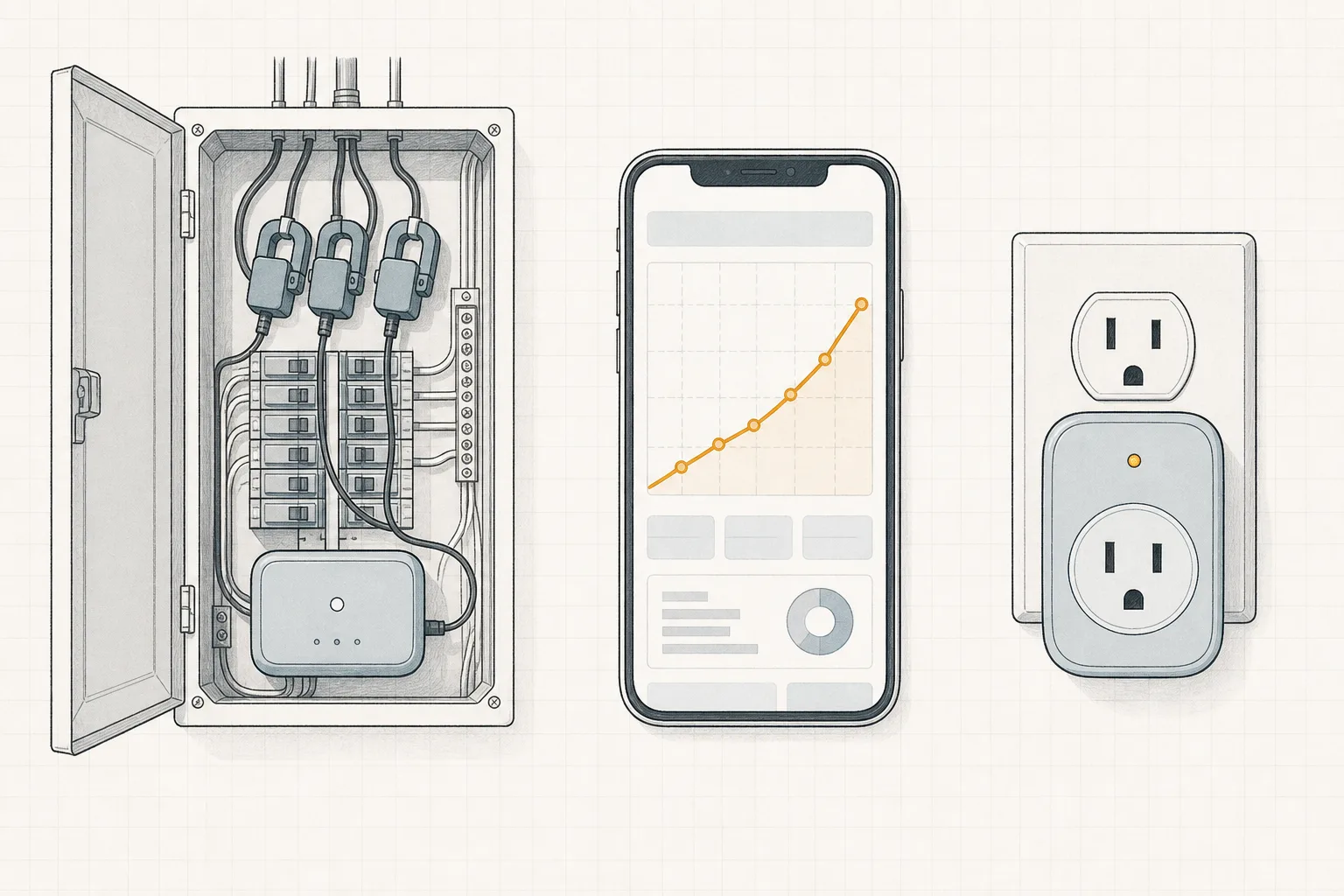
Some fridges are worth watching for weeks, not one day: an aging unit you suspect is declining, a garage fridge working harder in summer, a new purchase you want a baseline for. An energy-monitoring smart plug adds what the manual meter can’t — automatic logging and daily kWh history, so a slow creep upward becomes visible months before a repair conversation.
The standard-bearer is the Kasa KP115: a standard smart plug whose app reports live watts and tracks energy over time, turning a fridge’s daily kWh into a bar chart. Install is about a minute, it’s rental-friendly, and it costs $20-30. If you’re undecided between the two tools, the smart plug is the cheaper way to continuous tracking; the manual meter remains the simpler one-shot instrument.
Wi-Fi smart plug with built-in energy monitoring: live watt readings and cumulative kWh trending in the Kasa app. Standard 120V outlet, no wiring, renter-friendly — useful for continuous logging of a single appliance like a refrigerator.
Check price on Amazon Price & availability shown on Amazon.com — we may earn a commission.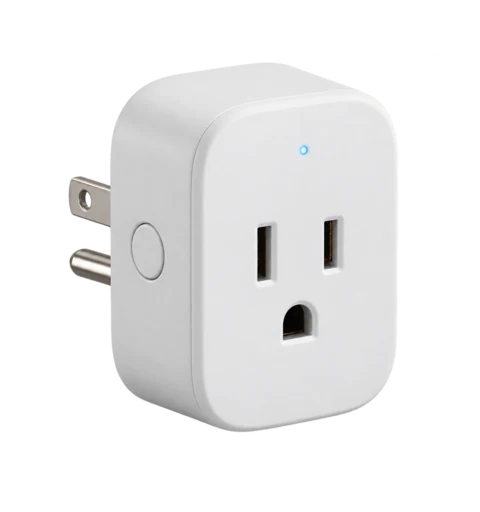
One plain-language caution for every tool here: a meter measures; it doesn’t fix or save anything by itself. The readout is information — what changes the bill is what you do after. For the wider monitoring toolbox, see this site’s best smart plugs for standby power and monitoring and the whole-home energy monitor guide.
The Free Route: Borrow a Meter from the Library
Before buying anything check your public library’s catalog and website for “Kill A Watt” — plug-in meters have been a staple of U.S. library lending for years.[4] Library Journal has covered the trend of libraries lending electricity meters as a community energy-literacy service.[5] One example: New Mexico utility PNM’s Checkout Savings program lets borrowers check out a Kill A Watt meter exactly like a library book — free.[4]
The borrowed meter measures the same watts and the same cumulative kWh as one you’d buy, so the 24-hour method works identically. If your library doesn’t list meters, ask at the desk — loan programs are inconsistently cataloged — or check whether your utility sponsors one before spending the $15-30. For a frugal measurement mission, this is the zero-dollar path.
From kWh to Dollars
The only equation in the article, done for you at the June 2026 national average residential rate of 18.34¢/kWh:[2]
Wi-Fi smart plug with built-in energy monitoring: live watt readings and cumulative kWh trending in the Kasa app. Standard 120V outlet, no wiring, renter-friendly — useful for continuous logging of a single appliance like a refrigerator.
Check price on Amazon As an Amazon Associate we earn from qualifying purchases. Price & availability shown on Amazon.com.Daily cost = kWh per day × $0.1834 — so a meter reading of 1.5 kWh/day costs about 27.5 cents a day.
| Measured kWh/day | Cost per day | Cost per month |
|---|---|---|
| 0.6 | $0.11 | $3.35 |
| 0.8 | $0.15 | $4.47 |
| 1.0 | $0.18 | $5.58 |
| 1.5 | $0.28 | $8.37 |
| 2.0 | $0.37 | $11.17 |
| 2.5 | $0.46 | $13.96 |
| 3.0 | $0.55 | $16.75 |
(Computed at 18.34¢/kWh; substitute your own utility’s per-kWh rate for exactness — rates vary widely by state.)
Two reading notes. First, even the thirstiest rows land in the tens of dollars a month: a fridge is almost never why a bill triples — if your bill is the mystery, start with Why Is My Electric Bill So High? rather than in the kitchen. Second, against the $164.88 average bill (899 kWh/month × 18.34¢/kWh),[1][2] a measured fridge is real money — roughly $5.50 to $11 a month — but a bounded share of the whole.
If Your Number Comes Back High
A reading above the table’s norms has a short list of usual suspects, most free or near-free:
- Coils. Dust on the condenser coils forces longer compressor runs. ENERGY STAR’s advice for older models: leave a few inches between fridge and wall and keep the coils clean, vacuumed gently with the unit unplugged.[3]
- Location and airflow. A fridge jammed against the wall, beside the oven, or in a hot garage runs longer cycles by simple thermodynamics. Clearance costs nothing.
- Door habits and seals. A gasket that no longer grips a dollar bill leaks cold air around the clock. Shorter door-open times and letting leftovers cool first cost nothing — behavior changes are exactly what meters surface but never produce on their own.
- Temperature settings. The FDA recommends 40°F (4°C) for the fridge compartment and 0°F (-18°C) for the freezer; colder settings are pure waste.
None of that is a promise — the gain depends on how wrong the setup was, which only the measurement can tell you. The division of labor: the meter finds the number, the fix changes the number, neither does the other’s job. The same logic scales up: once plug loads are measured, the big-league consumers in the complete guide to lowering your electric bill — HVAC especially — dominate what’s left.
Two nearby loads deserve a label. An EV charger can dwarf a fridge several times over — how EV charging affects your electric bill has the math. And a chest freezer in a hot garage can quietly outrun the kitchen fridge; the same meter measures it in the same 24 hours.
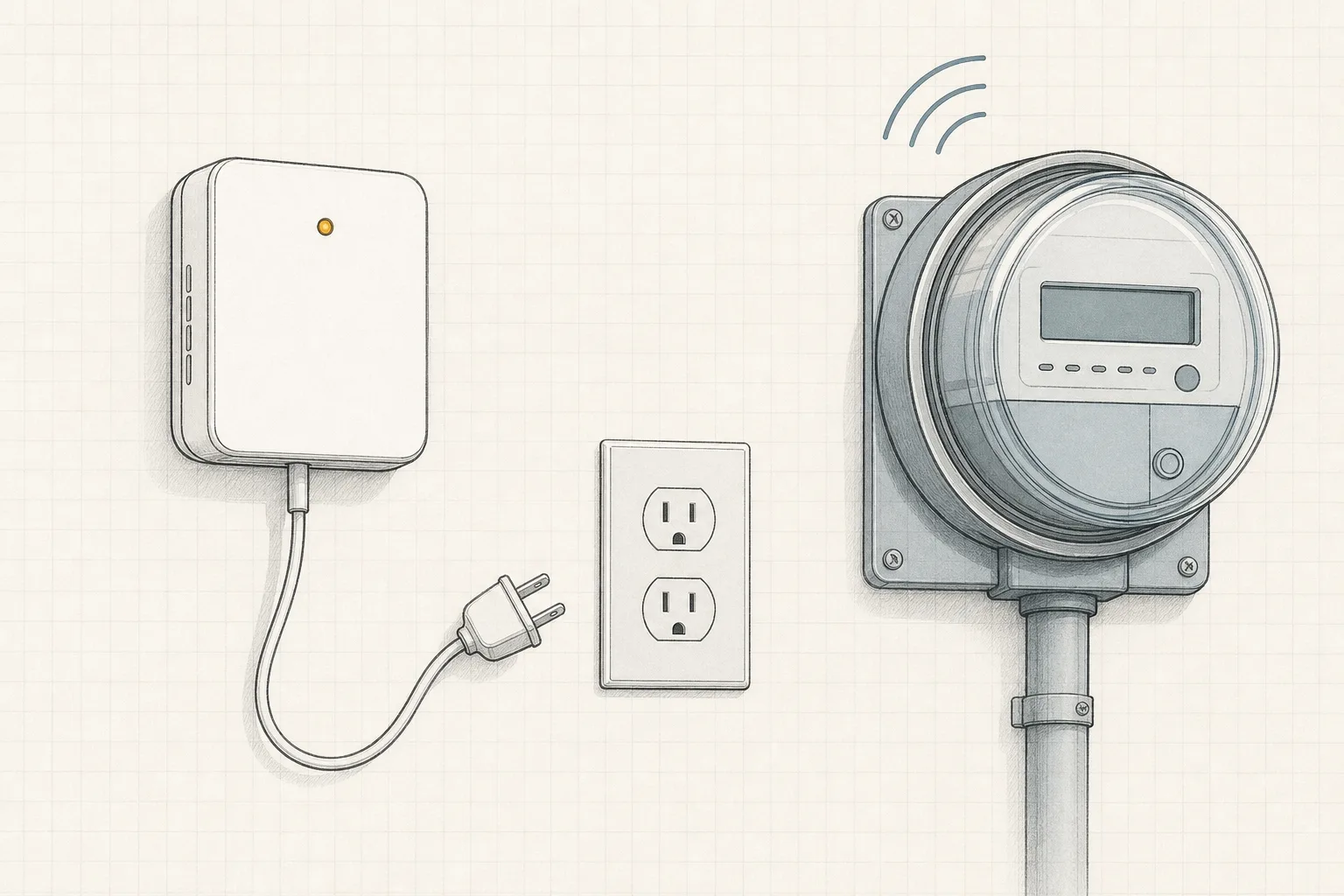
One last free tool: most homes already have partial monitoring in the bill — utility smart-meter portals and usage-tracking apps show whole-house daily kWh for nothing. Not appliance-level, but often enough to date a change before any hardware comes home. If the baseline that never reaches zero is the curiosity, phantom power explained is the deep dive.
To get your fridge’s real number instead of a range: the measurement routes are compared in Kill A Watt alternatives.
Sources
All sources fetched and verified by the author on August 31, 2026.
- How much electricity does an American home use? — U.S. Energy Information Administration (10,791 kWh per residential customer, ≈899 kWh/month, 2023). HTTP 200.
- Electric Power Monthly, Table 5.03 — Average Price of Electricity — U.S. Energy Information Administration (residential 18.34 cents/kWh, June 2026). HTTP 200.
- Refrigerators — ENERGY STAR (refrigerators over 15 years old cost about $95/year more; coil cleaning and clearance guidance). HTTP 200.
- Checkout Savings — Kill A Watt Energy Meter — PNM (utility-sponsored free Kill A Watt meter checkout program, borrowed like a library book). HTTP 200.
- The Latest Public Library Loan? Electricity Meters — Library Journal (public libraries lending Kill A Watt meters). HTTP 200.