Quick Answer
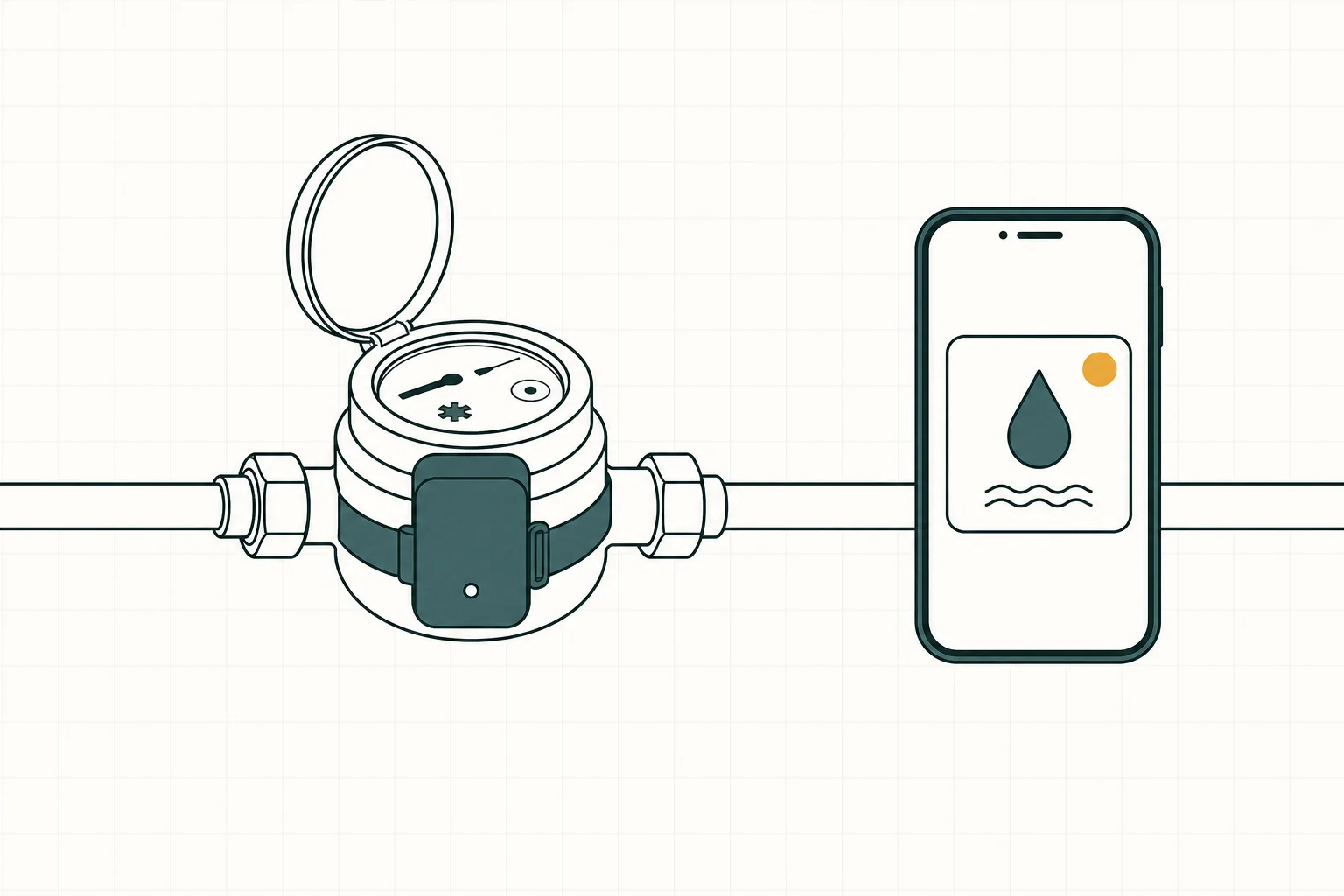
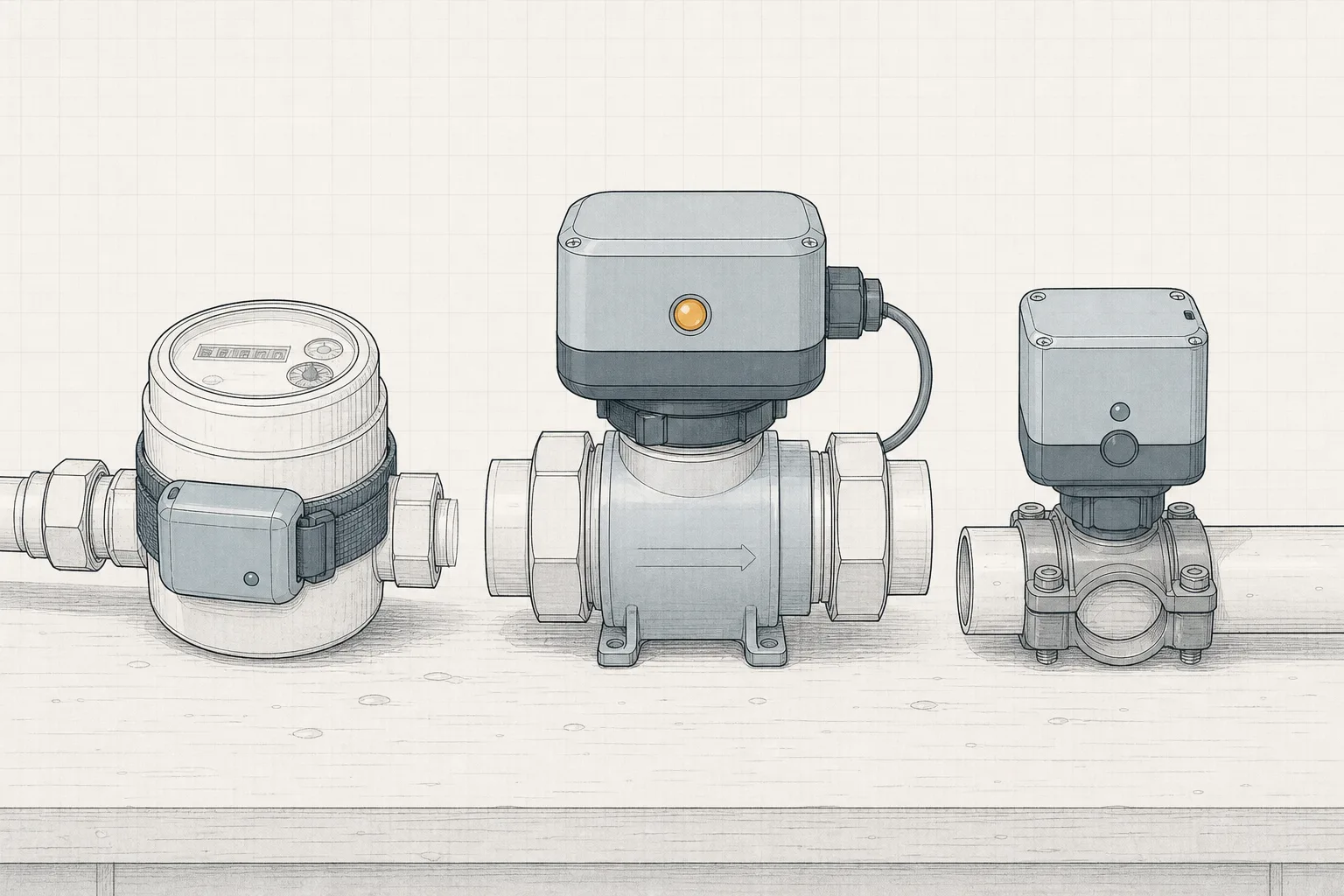
The three main smart water monitors answer different questions. Flume 2 ($200–270) straps onto your existing water meter — no plumber, 15 minutes — and watches whole-home flow from outside the pipe. Moen Flo ($500–700 plus professional installation) cuts into your main line: it monitors flow, pressure, and temperature, and can shut the water off by itself. Phyn Plus (about $580 from Phyn or Home Depot, also pro-installed) is the same inline-plus-shutoff idea as Flo with different detection math. If you want detection and data, Flume; if you want the house to defend itself while you’re on vacation, Flo or Phyn.
One frame before the table: all three are monitors, not guarantees. Water damage still happens faster than any valve closes, and the right sensor for the water heater pan is a $12 puck sitting in it — a 5-pack of Govee leak detectors covers the usual spots for about $60 — the tier logic lives in point sensor or whole-home shutoff: when to upgrade. This page is the head-to-head for readers who already know they want whole-home coverage.
What Each One Actually Is
Flume 2 — the strap-on observer
Flume’s sensor straps to the outside of your existing water meter and reads the meter’s dial magnetically, so nothing is cut, threaded, or plumbed. Install is genuinely DIY if your meter is compatible (check Flume’s compatibility tool for your meter model before buying — that is the one real failure mode). What you get: whole-home gallons-per-minute, daily/weekly use, and micro-leak alerts — the “something is dripping at 2 AM” class of detection.
What you don’t get: any ability to stop water, no pressure sensing, and — the honest cost wrinkle — Flume now sells a subscription tier alongside the one-time product; historical data features can depend on which plan your unit is on. Check the current plan terms at purchase time rather than assuming lifetime app features.
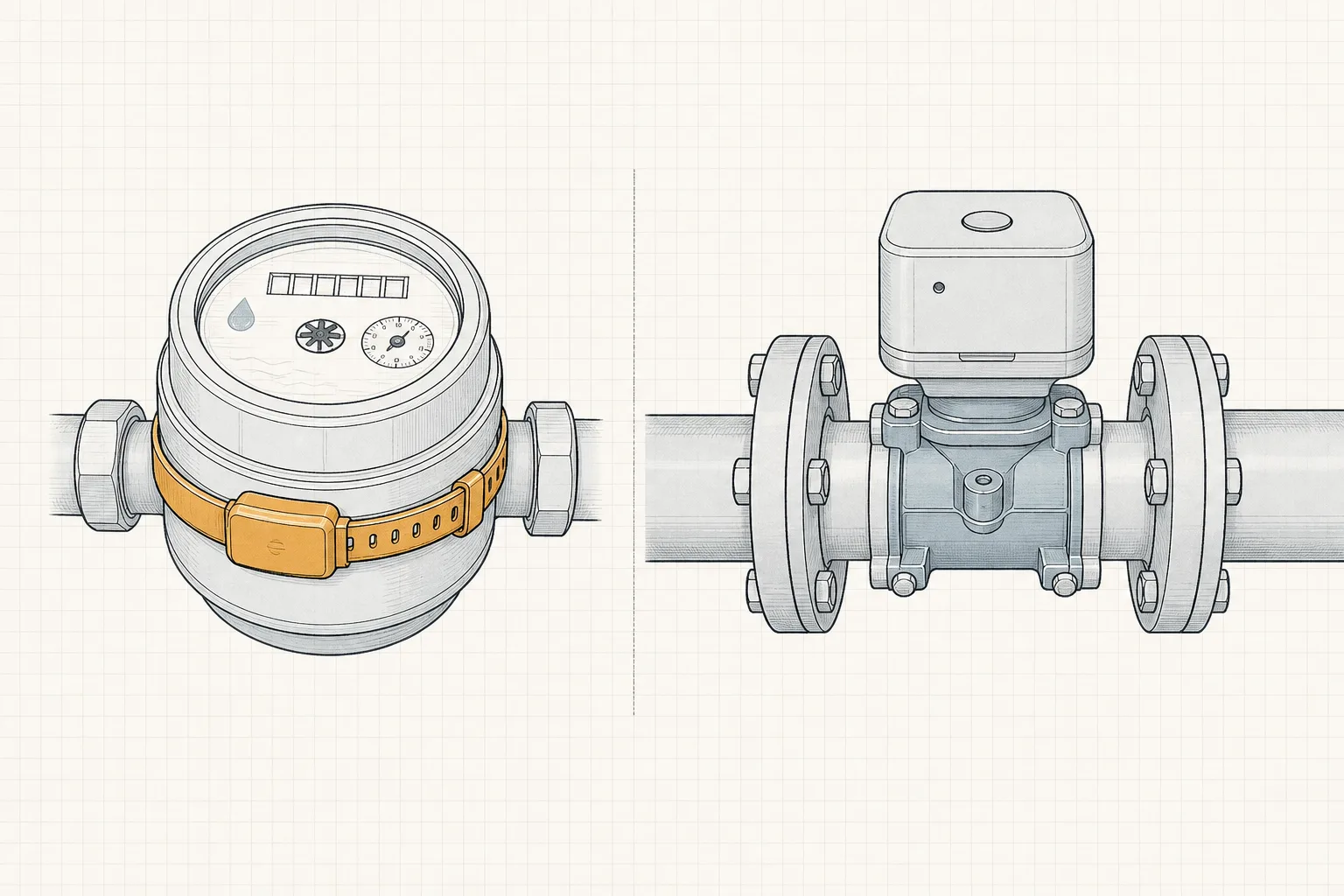
Straps onto your existing water meter — no pipe cutting, no plumber, no water shut-off needed. Whole-home flow, usage history, and micro-leak alerts in the app. Verify your meter model is compatible before ordering.
Add to cart on Amazon Price & availability shown on Amazon.com — we may earn a commission.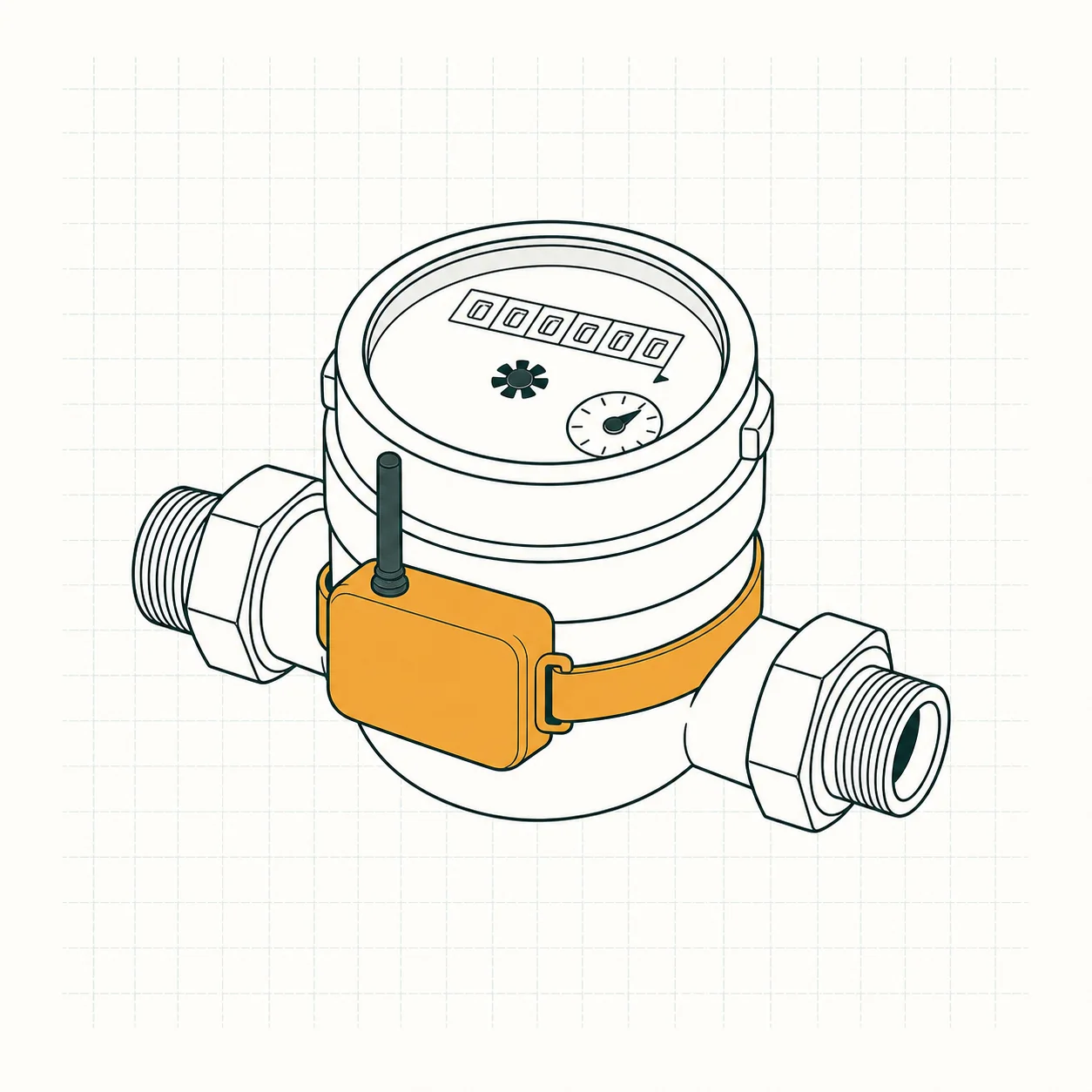
Moen Flo — the inline defender
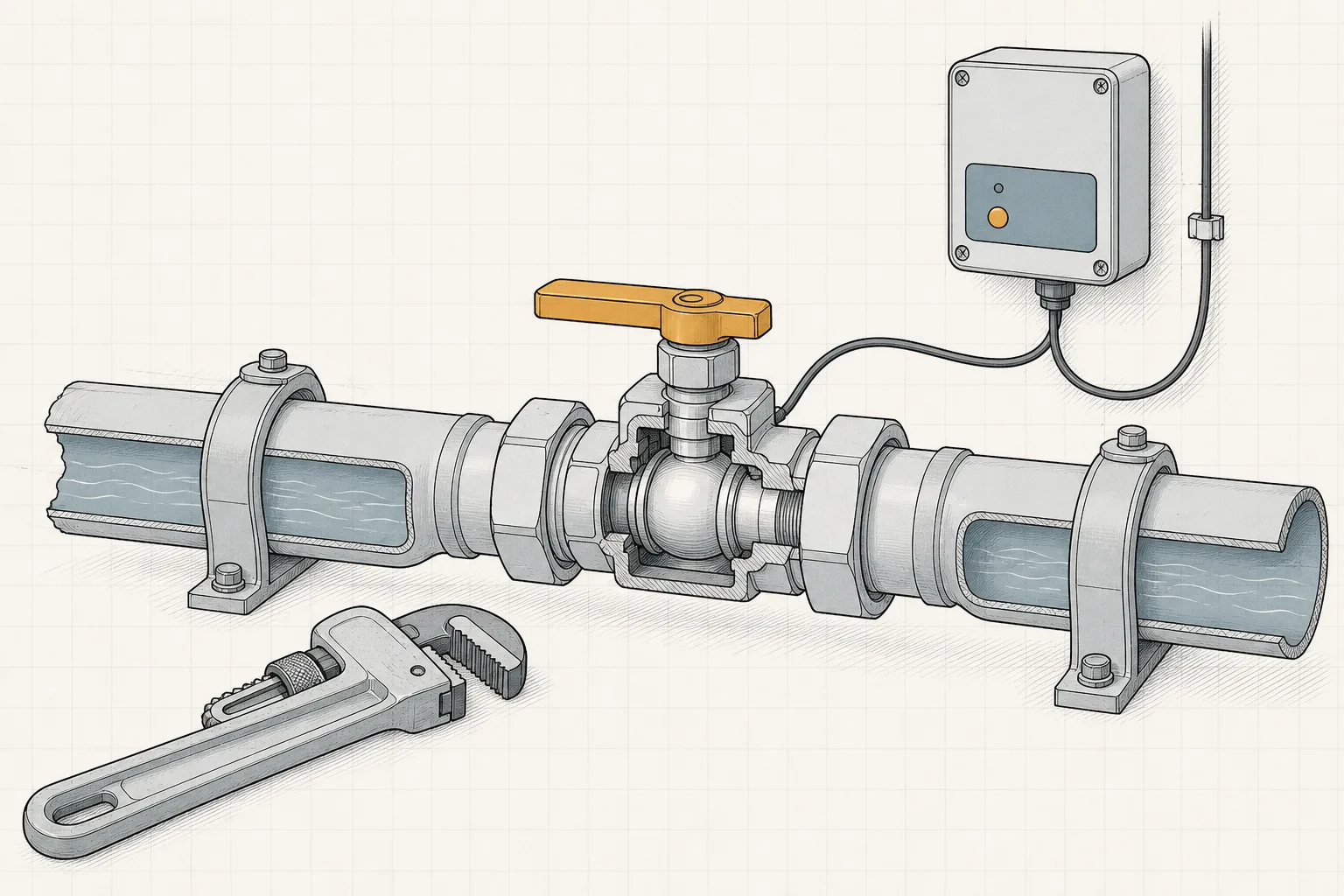
Flo replaces a section of your main water line with a smart valve (professional installation, typically by a plumber — Moen’s own materials assume pro install). Because it’s inside the pipe, it measures what a strap-on can’t: flow rate, water pressure, and temperature. Pressure data is what lets it catch events a flow meter misses — the pressure signature of a burst hose, for instance. Its signature feature: it can close the valve itself when it sees an anomaly, or you can close it from your phone from anywhere.
Straps onto your existing water meter — no pipe cutting, no plumber, no water shut-off needed. Whole-home flow, usage history, and micro-leak alerts in the app. Verify your meter model is compatible before ordering.
Check price on Amazon As an Amazon Associate we earn from qualifying purchases. Price & availability shown on Amazon.com.The honest caveats: it’s the most expensive of the three once installation labor is counted; a self-actuating valve means a false positive can shut your water off while you’re away (rare, but it’s a real mode); and like everything on this page it mitigates damage rather than preventing the leak itself. Some homeowners insurance carriers offer premium credits for installed auto-shutoff devices — ask your carrier, and get the discount confirmed in writing before you count it in the payback math.
Inline monitor and automatic shutoff valve on the main line — watches flow, pressure, and temperature and closes the valve itself on an anomaly. Professional plumber installation required; ask your insurance carrier about an auto-shutoff discount.
Add to cart on Amazon Price & availability shown on Amazon.com — we may earn a commission.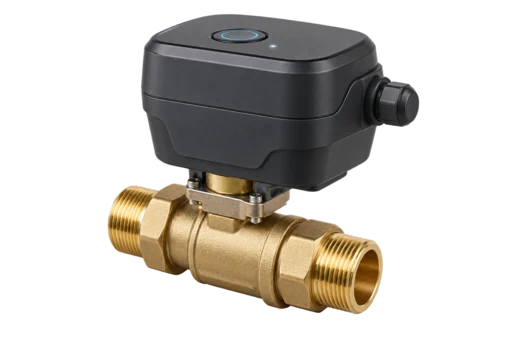
Phyn Plus — the pressure-wave listener
Phyn Plus (2nd gen) is Flo’s direct competitor: inline, pro-installed, with an automatic shutoff valve. Its differentiator is the detection method — Phyn measures pressure waves inside the pipe at very high frequency and infers what fixture opened and whether the signature looks like a leak. In practice the buyer-facing differences from Flo are price, app experience, and which brand your plumber prefers to source; the detection philosophies both work and both have blind spots (very slow seeps, drains-side problems, anything before the device’s location on the main).
Phyn lists the Plus at about $580 direct and through Home Depot; availability on Amazon varies by seller — compare phyn.com and retail listings before buying rather than paying third-party markups.
The Comparison Table
| Flume 2 | Moen Flo | Phyn Plus (2nd gen) | |
|---|---|---|---|
| Approach | Straps on your existing meter | Inline valve on the main | Inline valve on the main |
| Installation | DIY, ~15 min, no plumber | Professional plumber | Professional plumber |
| Measures | Flow (via meter dial) | Flow, pressure, temperature | Flow + high-frequency pressure waves |
| Auto shutoff | No | Yes — automatic or manual from app | Yes — automatic or manual from app |
| Typical hardware cost | ~$200–270 | ~$500–700 | ~$580 |
| Install labor | $0 | Plumber’s visit | Plumber’s visit |
| Ongoing cost | Optional subscription tier — check plan terms at purchase | App features per Moen’s current terms | App features per Phyn’s current terms |
| Renter-viable | Only with utility/landlord meter access | No | No |
| Best for | Detection + data, least cost and friction | Defense while away, insurance discount | Same job as Flo; price/plumber preference |
(Costs are typical U.S. street bands as of September 2026 — boxes above show current Amazon pricing where sold.)
Inline monitor and automatic shutoff valve on the main line — watches flow, pressure, and temperature and closes the valve itself on an anomaly. Professional plumber installation required; ask your insurance carrier about an auto-shutoff discount.
Check price on Amazon As an Amazon Associate we earn from qualifying purchases. Price & availability shown on Amazon.com.Which Failure Modes Each One Catches
The reason to own any of these is the failure mode you’re insuring against:
- The slow seep (a toilet flapper, a dripping supply line): Flume’s micro-leak alerts and the inline units’ analytics all eventually flag continuous low flow. All three need days-to-weeks of data for the quietest ones.
- The running fixture (a hose left on, a toilet stuck open): all three see it within hours; the inline units can also stop it.
- The burst line while you’re away: this is the whole case for Flo and Phyn. A strap-on monitor sends you an alert — which is useless if you’re over the Pacific. An inline valve closes itself; damage becomes minutes of water instead of days. That difference, not the spec sheet, is what the extra ~$400 buys.
- The leak upstream of the device (before the main valve, yard line, meter pit): none of them see it — device placement defines coverage, on every brand.
EPA’s WaterSense program puts average household leaks at roughly 10,000 gallons a year — and a monitoring device only earns its keep if someone reacts to the alert.[1][2] The reaction plan matters as much as the sensor.
The Money Math, Honestly Stated

None of these devices saves water by existing. The savings come from what the data changes: catching the silent 10,000-gallon-a-year leak,[1] seeing which fixture profile dominates the bill, or — for the inline units — capping a catastrophic event that a $12 puck under the water heater cannot. A useful framing:
- If your water bill is ~$60/month, a caught slow leak can pay for a Flume within a year or two if one exists to catch. If none exists, the Flume bought you alerts and data — worth it to some households, pure cost to others.
- The inline units’ payback case runs through avoided damage, not the water bill: one insurance-claim-worthy event, or a carrier discount. Insurance math is individual — ask before buying, not after.
For the diagnostic side of water bills — is a leak even your problem? — start with why is my water bill so high and the water meter leak indicator. Both are free, and a five-minute meter check sometimes answers the question a $580 device was going to answer in three weeks.
Decision Rules

- Renters and bill-diagnosticians: skip all three; the free meter check plus a few point sensors (where to place water leak sensors) covers you.
- Owners whose question is “where does my water go / do I have a leak”: Flume 2 — least money, no plumber, answer in two weeks.
- Owners who travel, own a finished basement, or freeze-risk pipes: Flo or Phyn — the auto-shutoff is the product; pick on installed price and plumber preference.
- Everyone: confirm compatibility (meter model for Flume; pipe size 3/4"–1" for the inline units) before purchase day.
Sources
- EPA WaterSense — Leak Detection — average household leaks can waste nearly 10,000 gallons per year. Retrieved 2026-09-06.
- EPA WaterSense — How We Use Water — household water use context. Retrieved 2026-09-06.
- Flume — Product page & pricing — strap-on install, subscription tier structure, meter compatibility tool. Retrieved 2026-09-06.
- Moen — Flo Smart Water Monitor & Shutoff — inline install, flow/pressure/temperature monitoring, automatic shutoff, professional installation. Retrieved 2026-09-06.
- Phyn — Phyn Plus Smart Water Assistant + Shutoff (2nd Gen) — inline, pro install, pressure-wave detection, ~$579.99 list. Retrieved 2026-09-06.