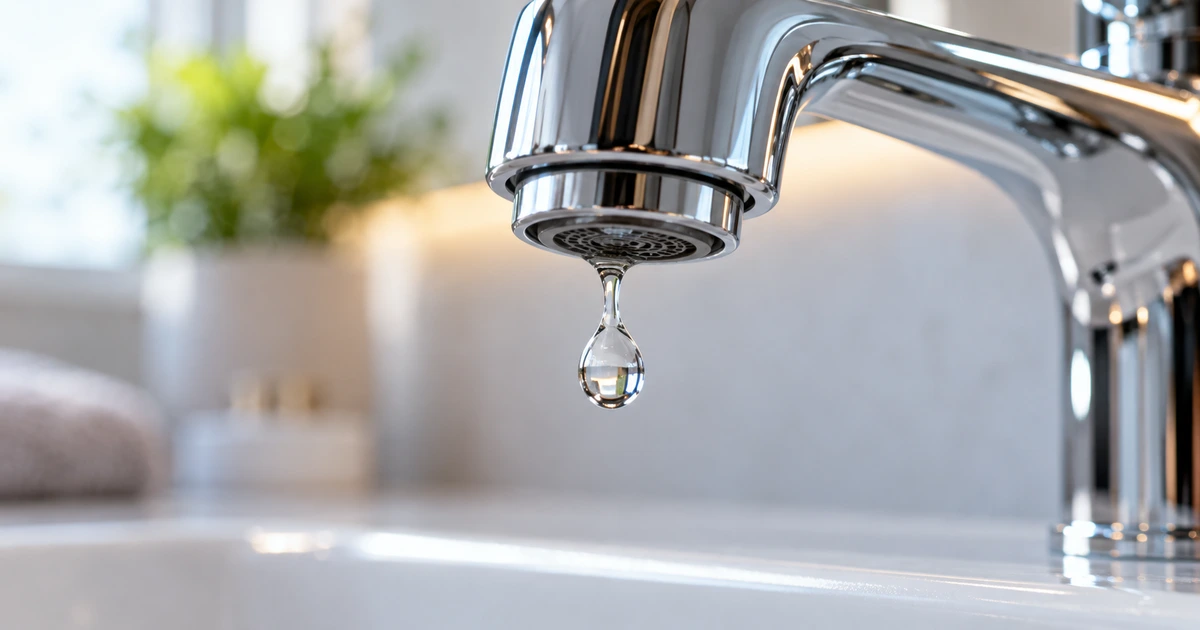
How Much Does a Dripping Faucet Add to Your Water Bill?
A single dripping faucet can waste over 3,000 gallons of water per year, adding $15–$30 to your bill before sewer surcharges are even calculated.
9 min read
Guides in the Water category — explained in plain English.
A single dripping faucet can waste over 3,000 gallons of water per year, adding $15–$30 to your bill before sewer surcharges are even calculated.
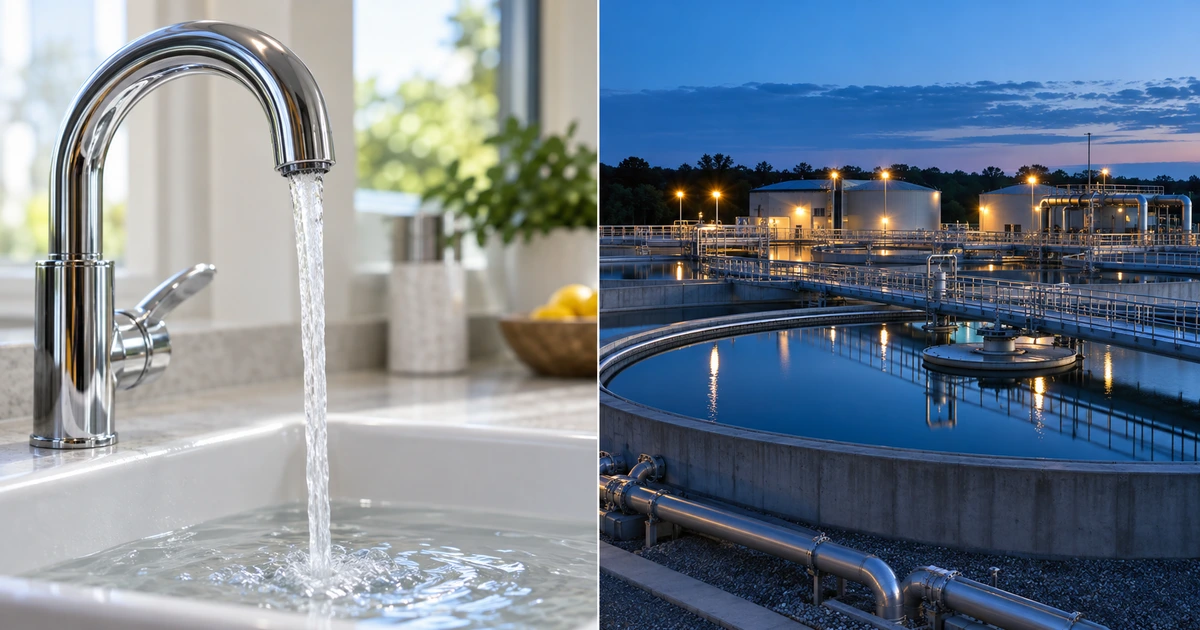
Sewer rates often double or triple water rates because treating wastewater is more complex than extracting it; here is the math behind the gap and how to spot a billing error.
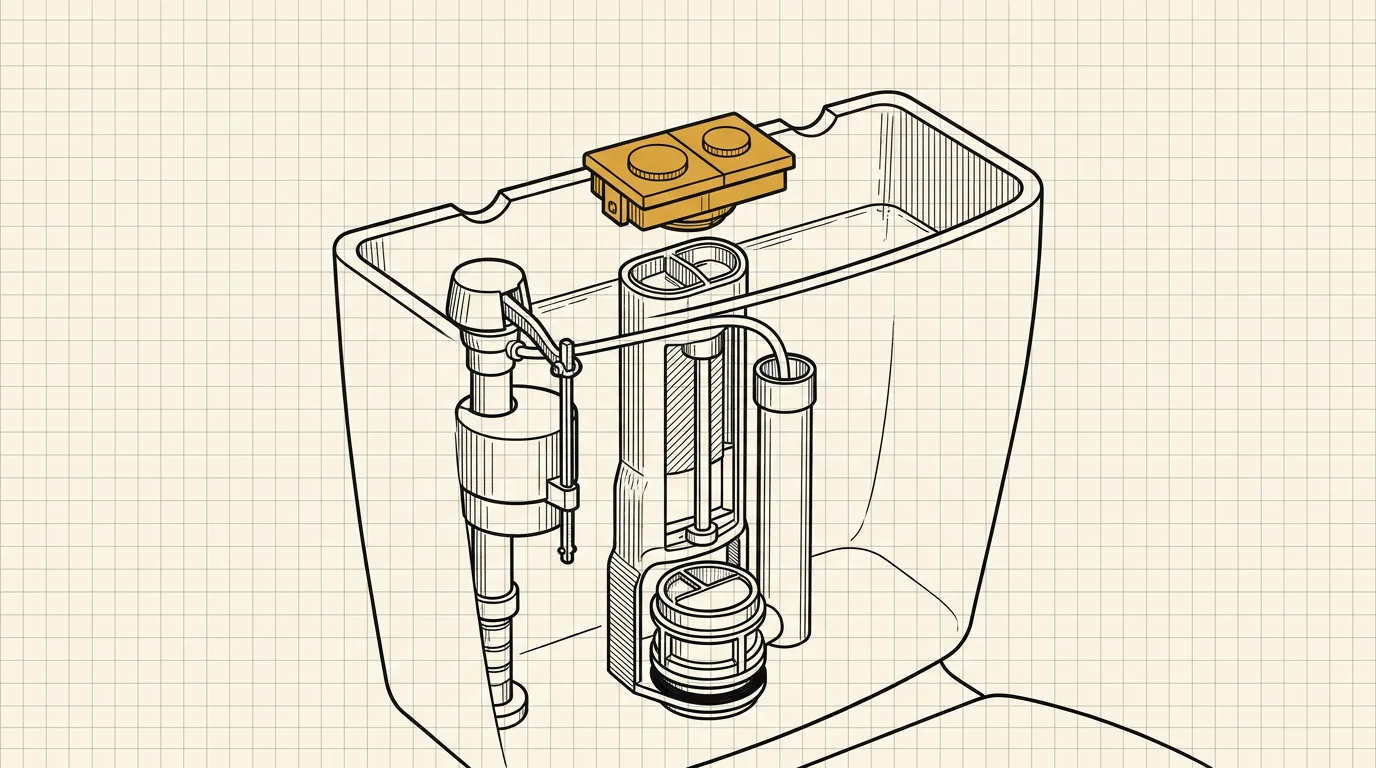
A dual-flush conversion kit turns an old 3.5-gallon toilet into a 1.6/0.8-gallon two-button toilet for about $33 — if it fits. Here is the honest compatibility guide, because fit is the whole game.
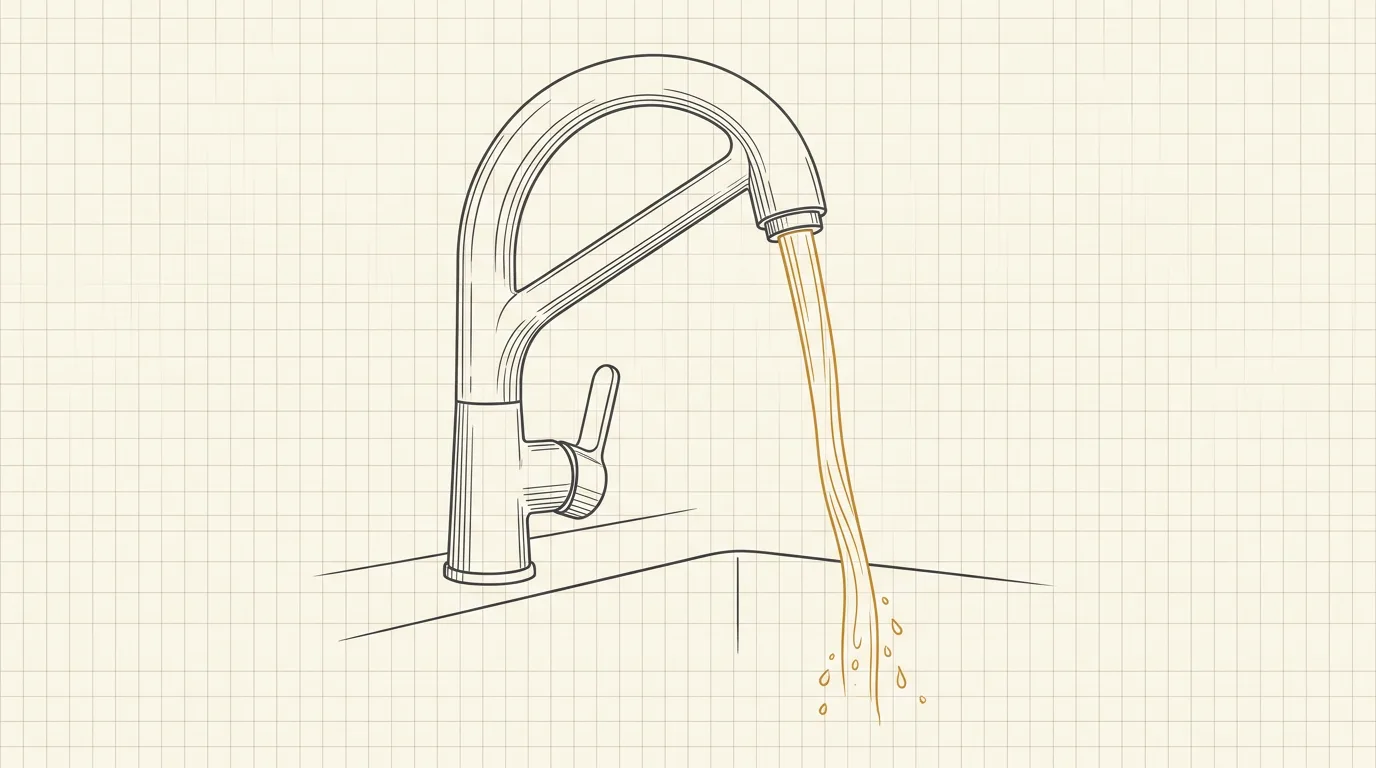
A faucet aerator is the cheapest per-gallon-saved water upgrade that exists — a few dollars, a thirty-second twist, no tools. Here is the honest pick for bathrooms, kitchens, and the adjustable-GPM trick that makes it pay.
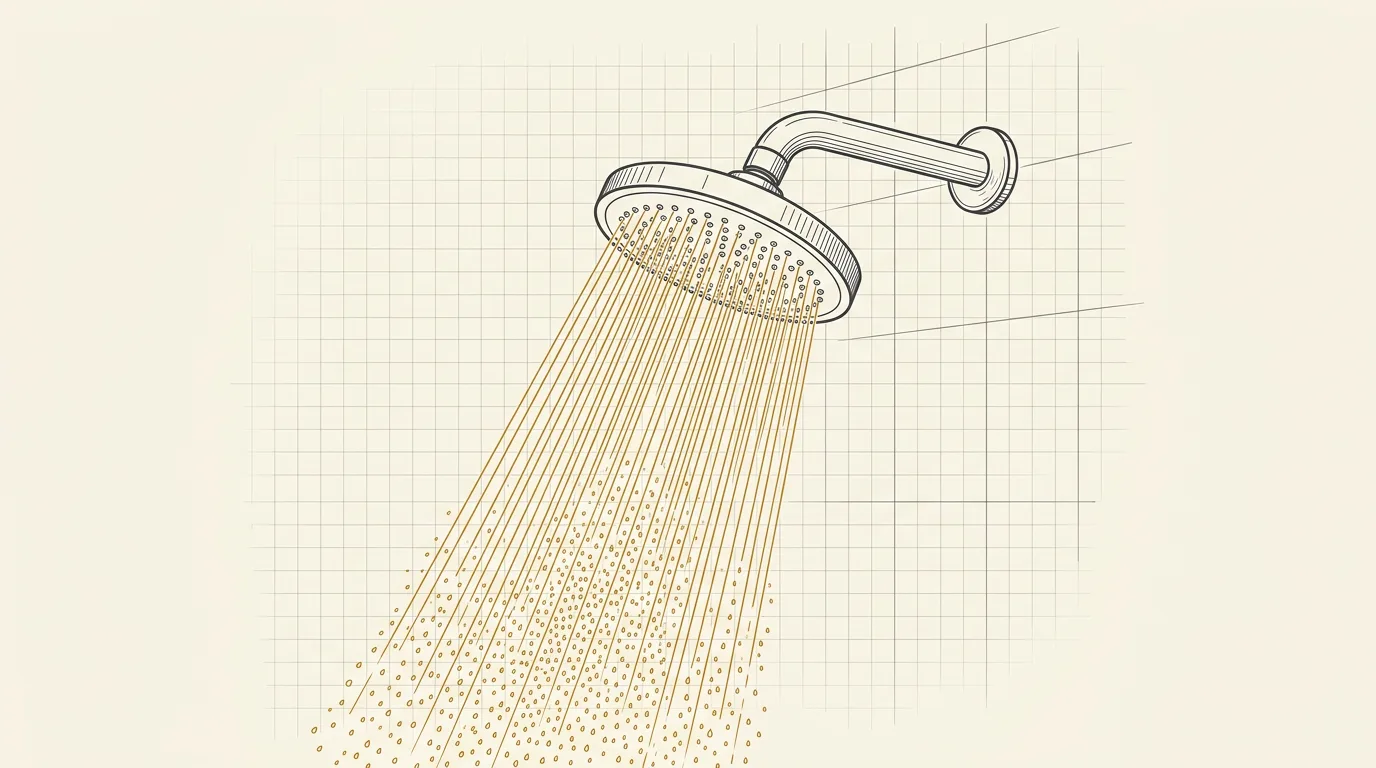
Low-flow showerheads used to mean a sad dribble — pressure-compensating designs changed that. Here is the honest pick at 1.5 GPM, plus the bucket-and-stopwatch test that tells you what your current head actually uses.
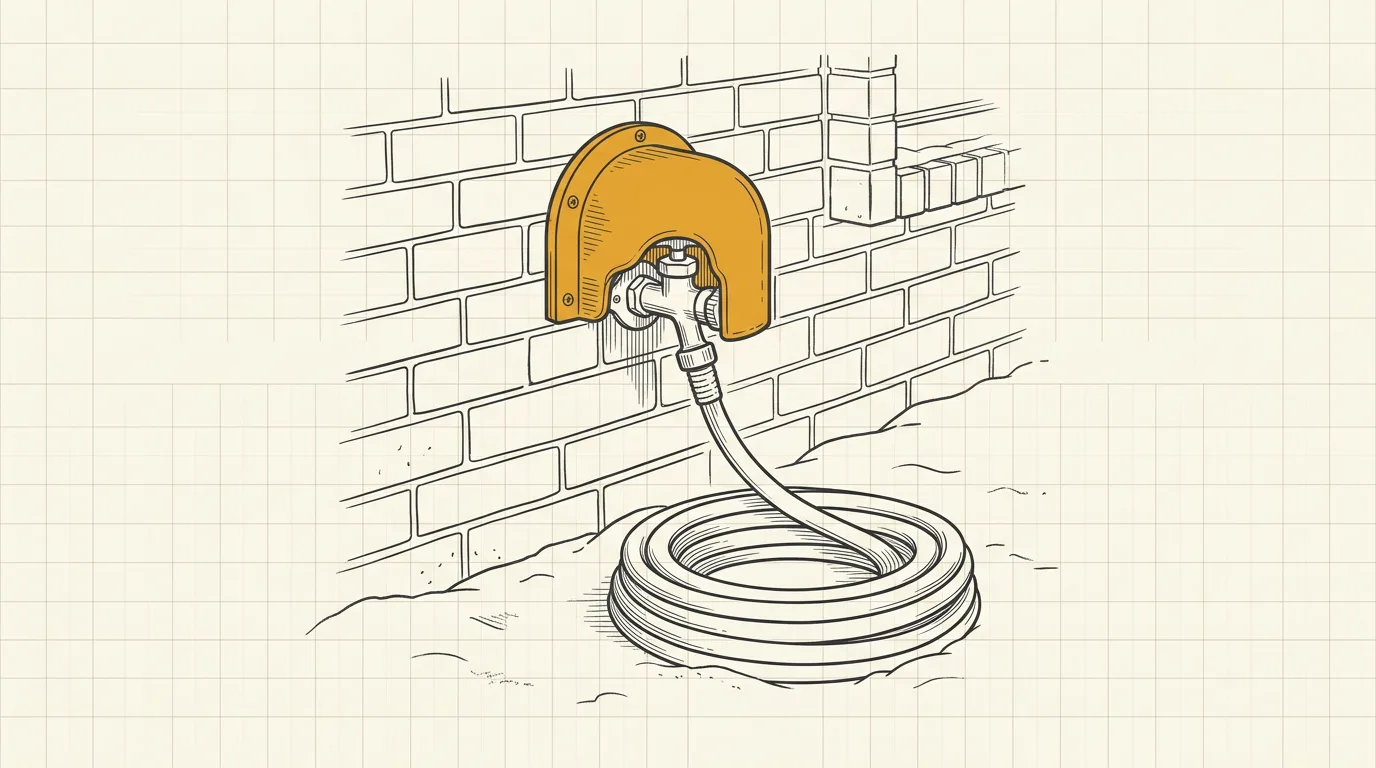
A $7 cover is cheaper than one burst pipe, but not every spigot needs one. The honest math on outdoor faucet covers, which to buy, and the 30-second install that makes freeze protection a no-brainer.
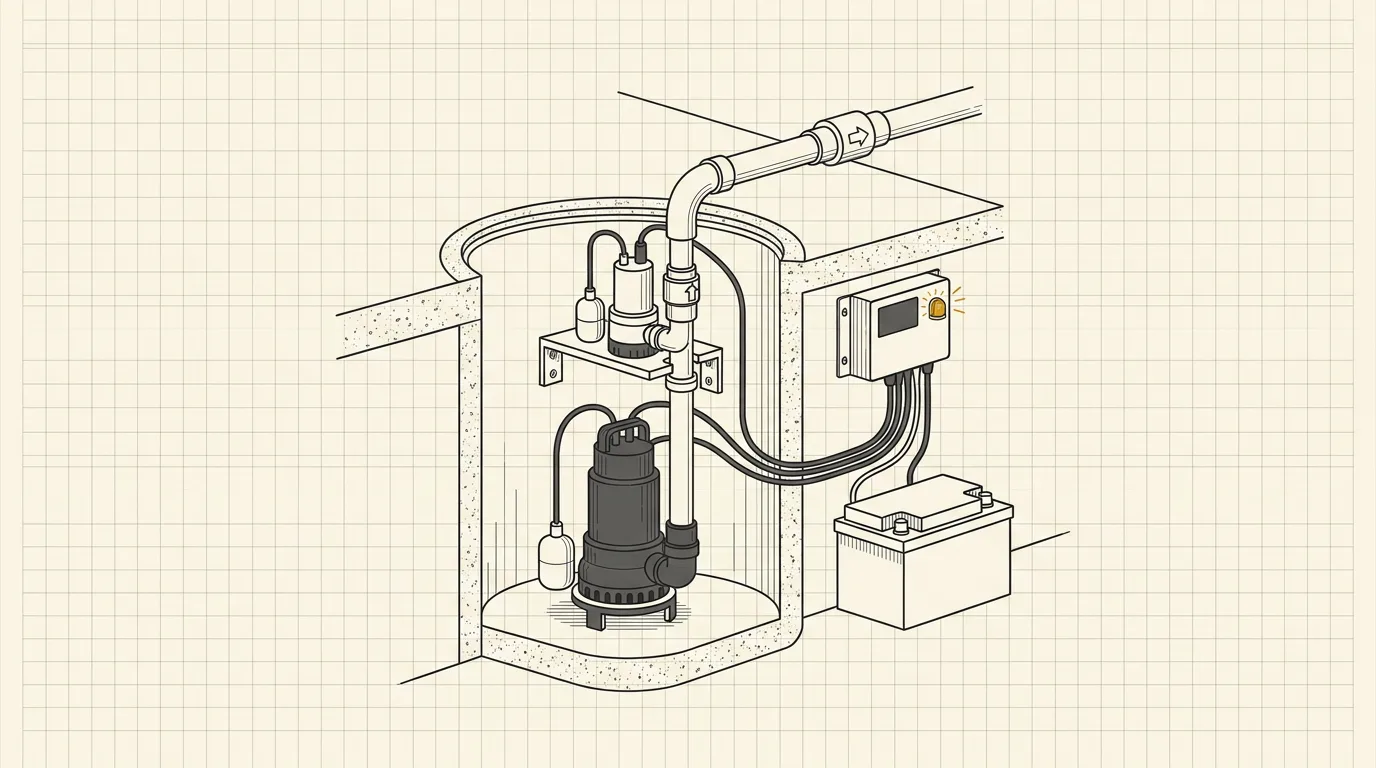
The WAYNE ESP25n is the Prime-ready battery backup worth buying, and the honest core of the decision is runtime math: battery amp-hours times 12 volts divided by pump draw. What the $350 actually buys, and when water-powered or generator options beat it.
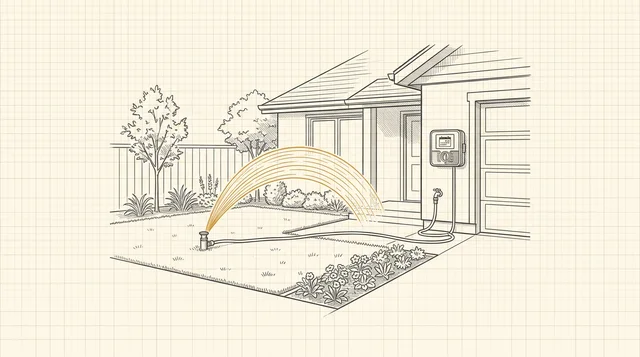
Smart sprinkler controllers save water for people who over-water on a fixed schedule — and almost nothing for people who already water correctly. The honest verdict, the real EPA numbers, and the payback math.
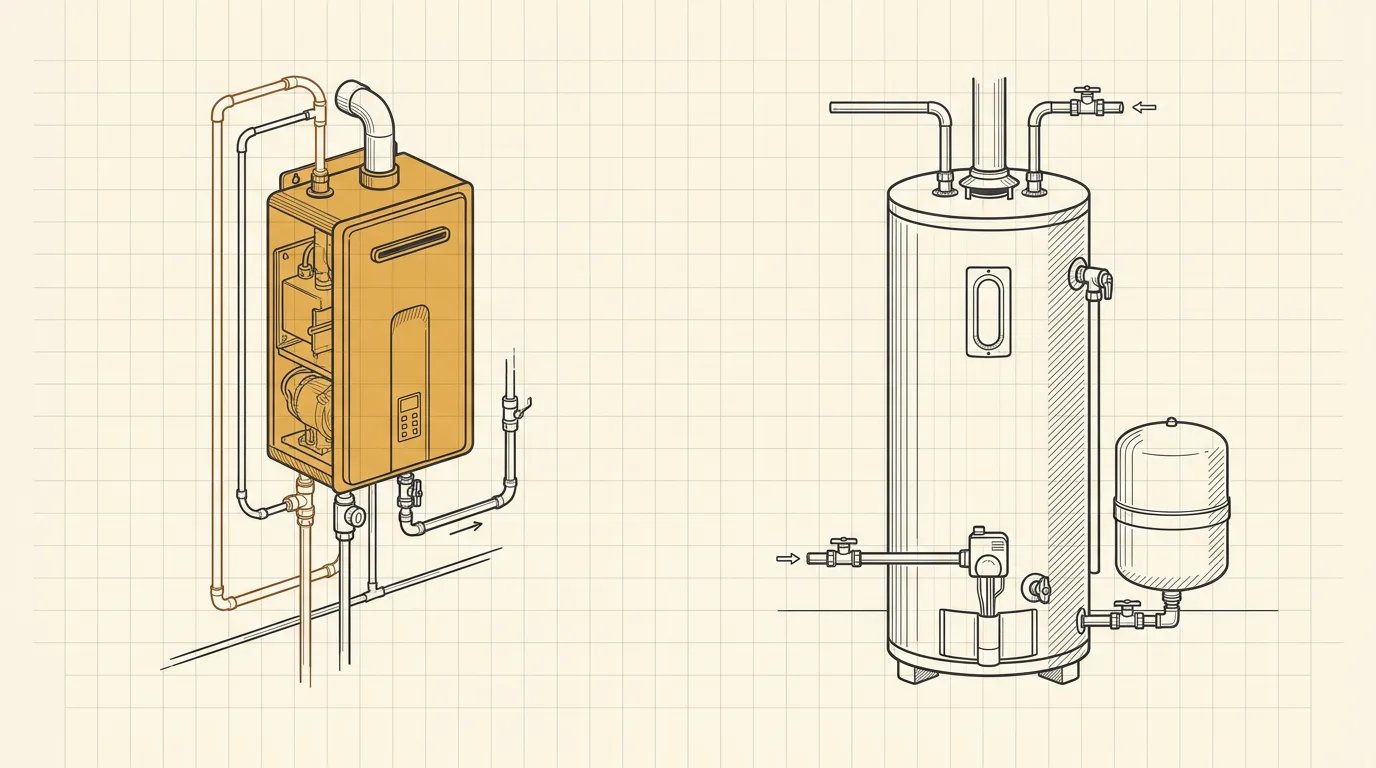
Tankless water heaters are 24–34% more efficient on paper, but the real savings depend on your usage, your climate, and your upfront budget. The honest comparison of efficiency, cost, lifespan, and flow.
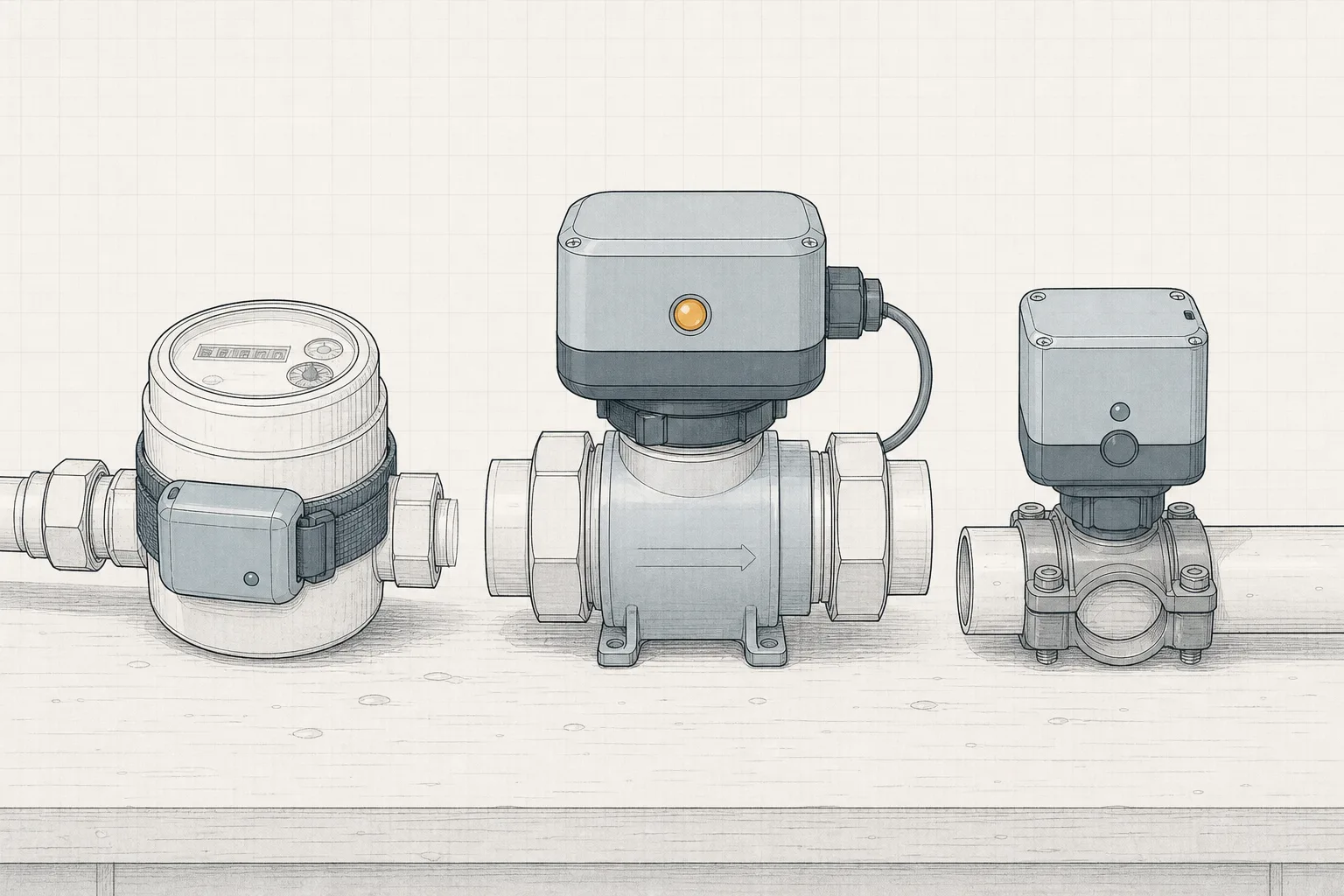
Flume 2, Moen Flo, and Phyn Plus take three different approaches to watching your water. The real differences: install, shutoff, subscriptions, and what happens when you're away.
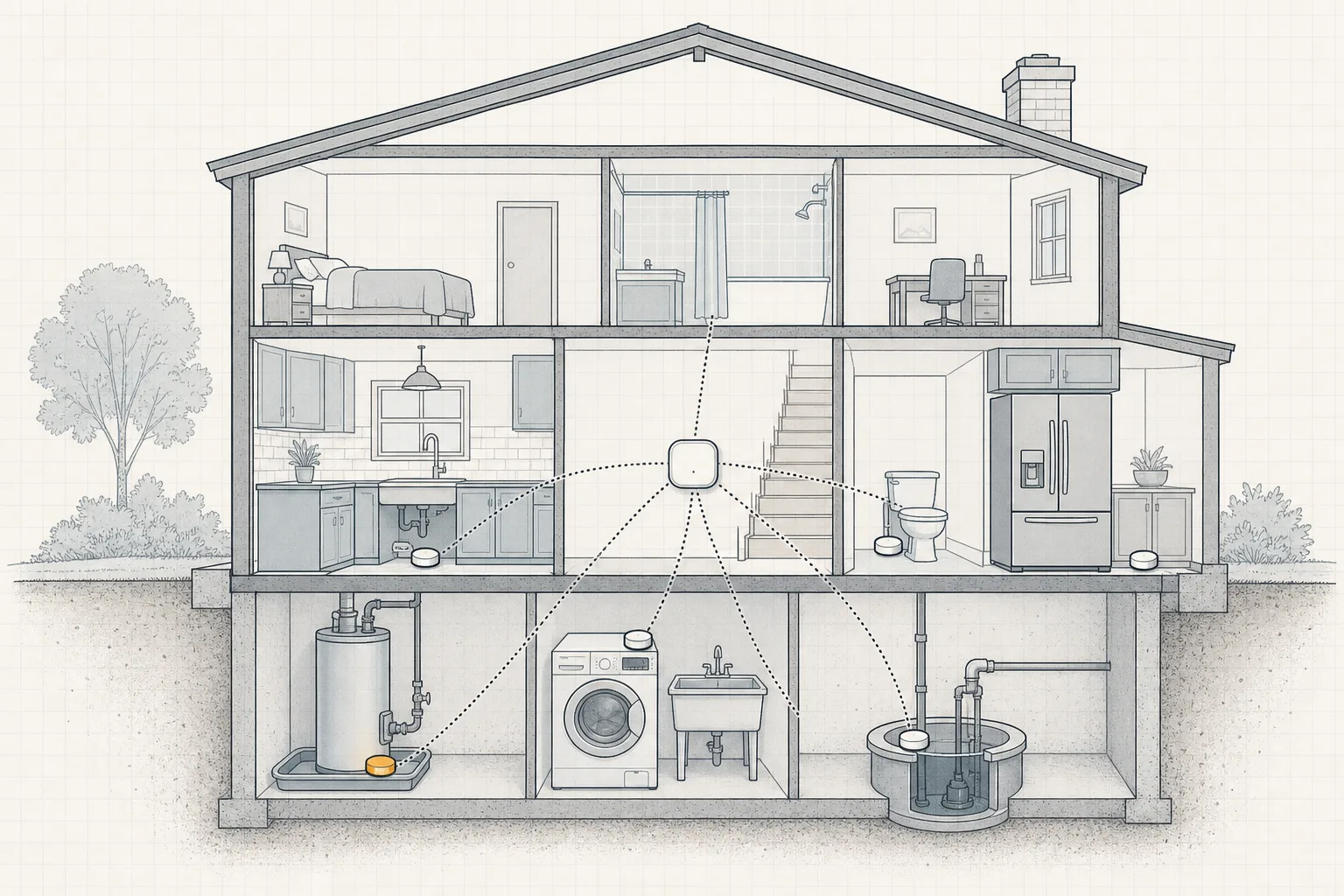
A five-pack of water leak sensors only works if the pucks sit where water arrives first. The six high-value placements, the two that waste sensors, and how to maintain them.
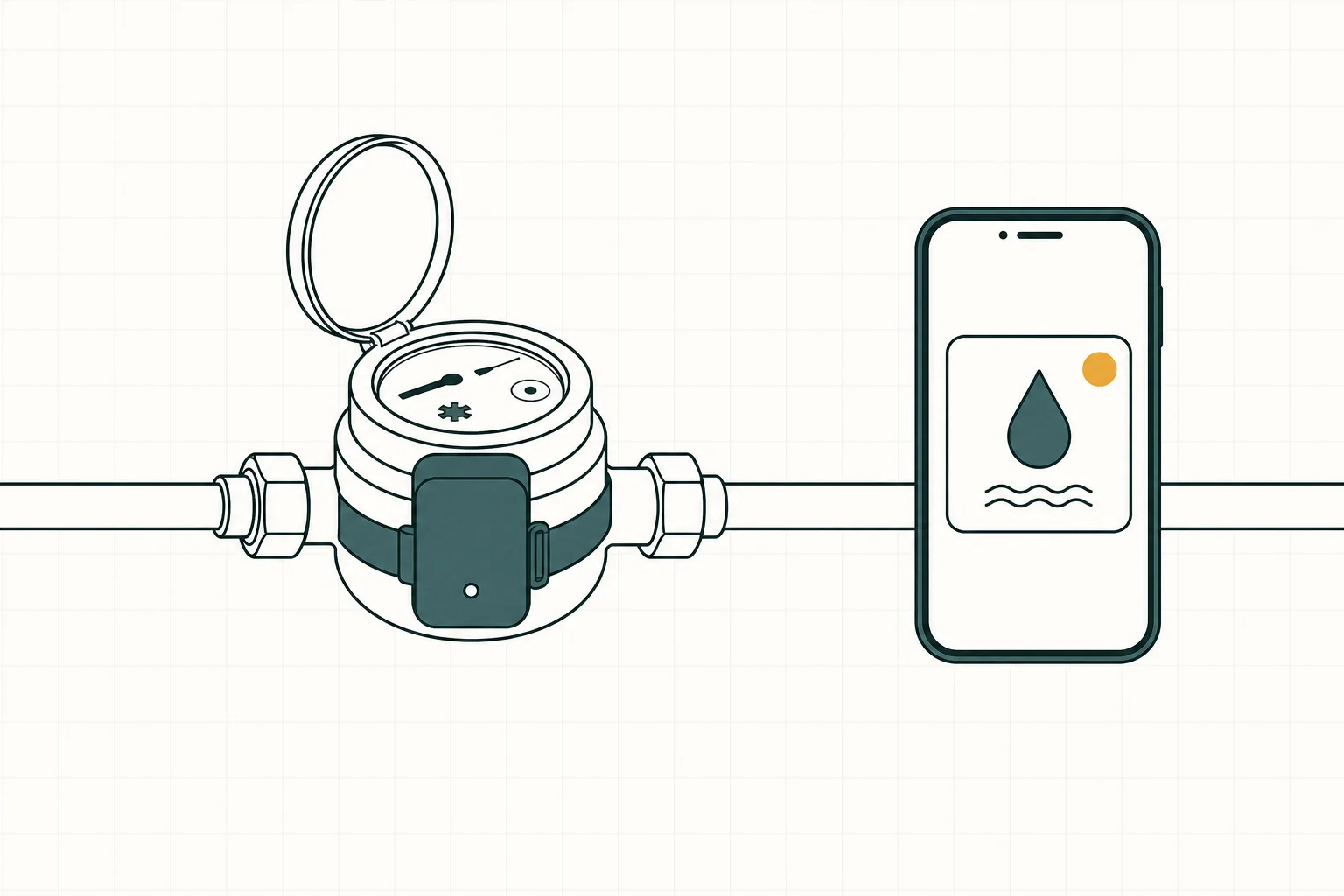
Point sensors guard spots, meter monitors watch every gallon, and an inline valve acts when you can't — the five signals that say when to move up.
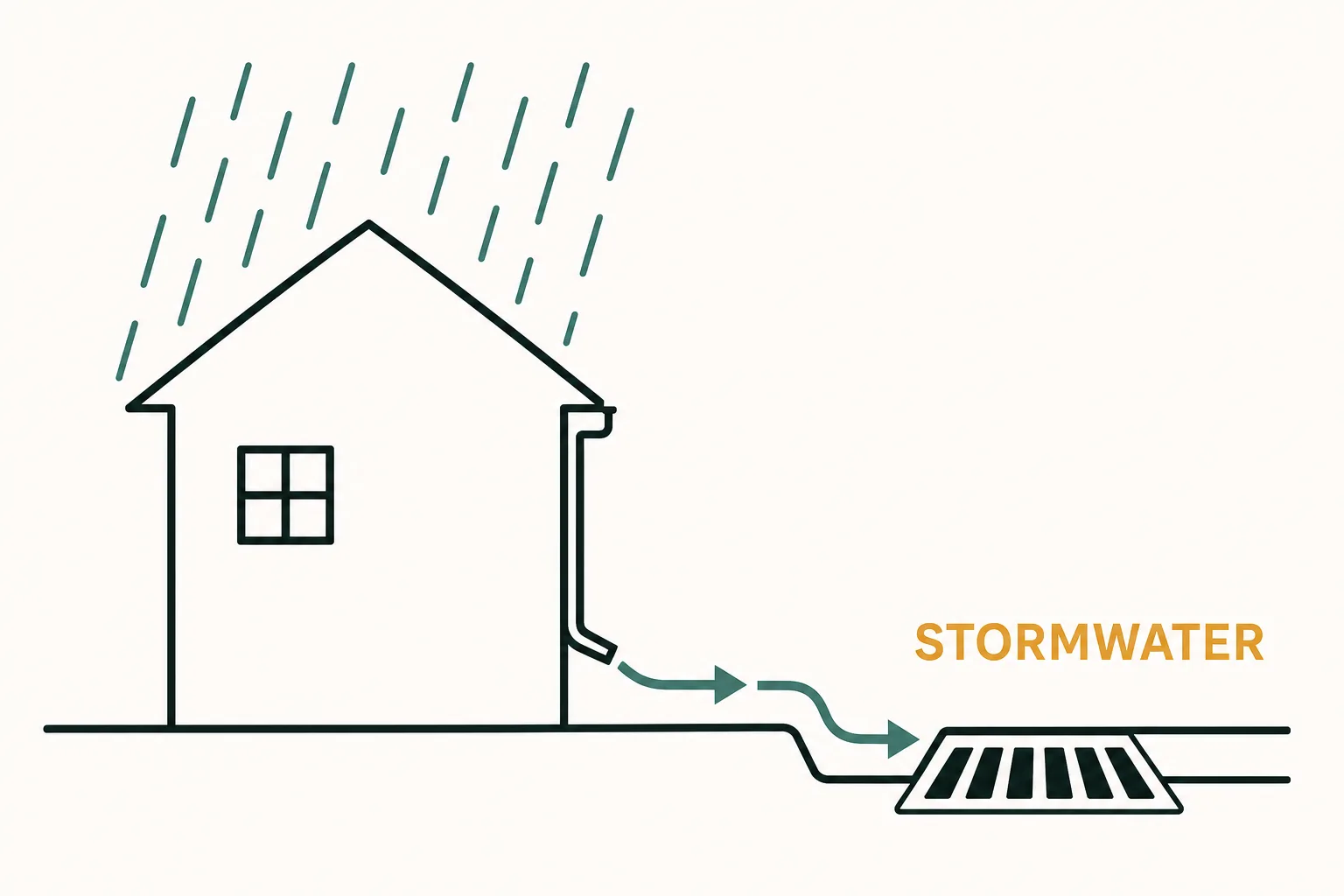
What a stormwater fee pays for, how cities bill it (flat, ERU, or impervious-area tiers), and whether you can reduce it.
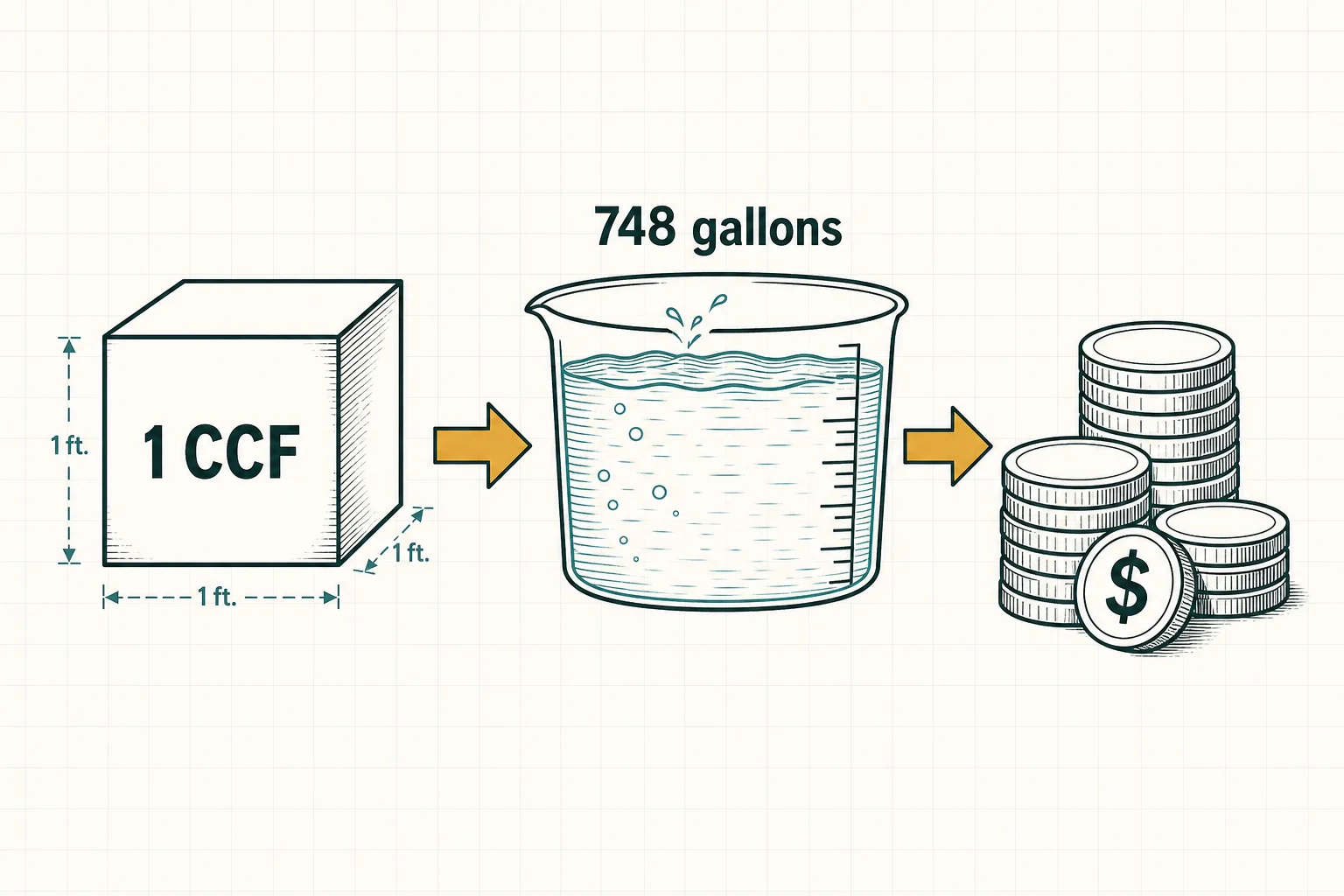
Enter your CCF usage and rate to convert water-bill units to gallons, calculate tiered cost, and find your household's gallons-per-person-day baseline.
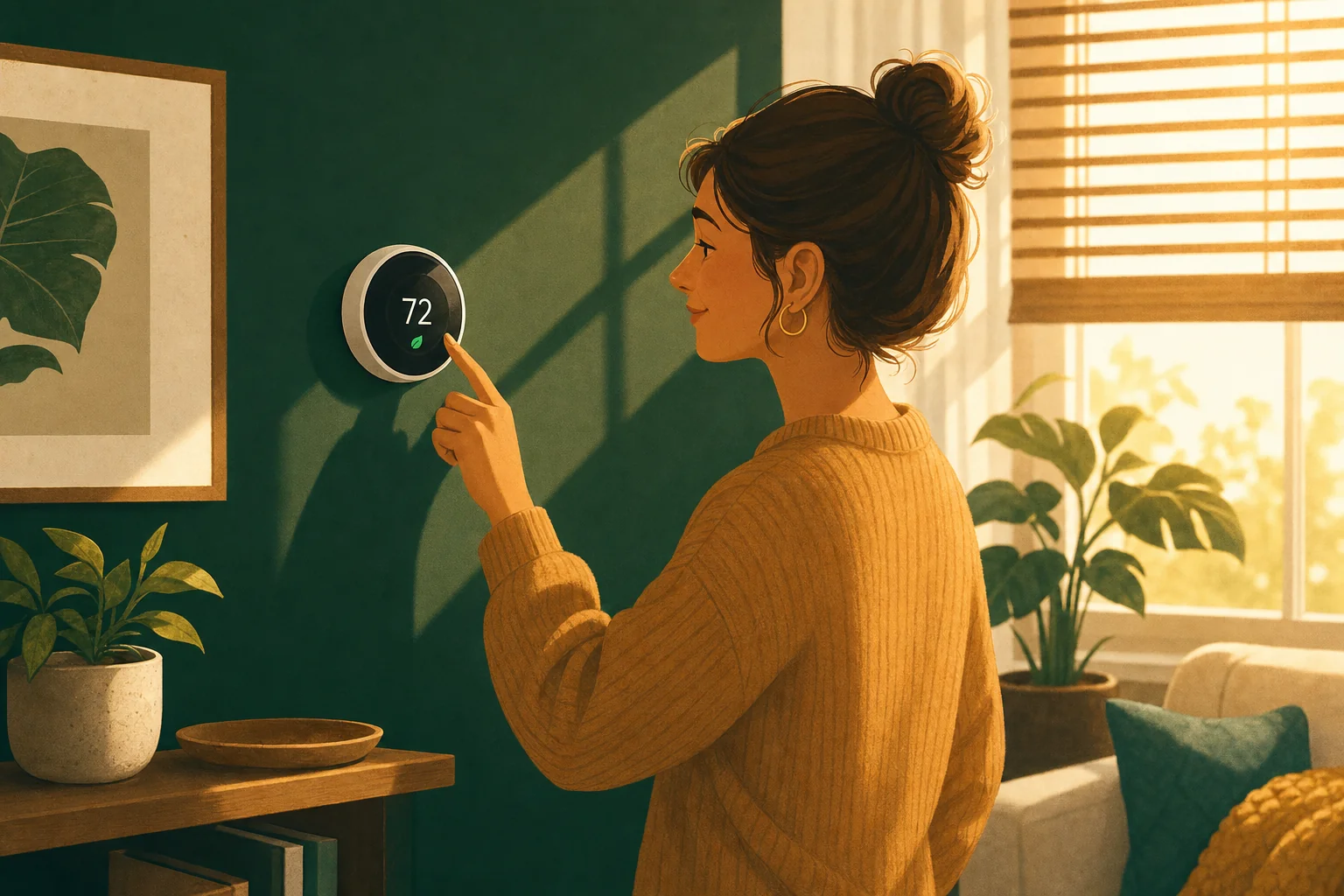
Ranked actions to lower your water bill: free behavior changes, low-cost repairs, and upgrades with verified savings ranges from EPA WaterSense, plus leak-detection tools.
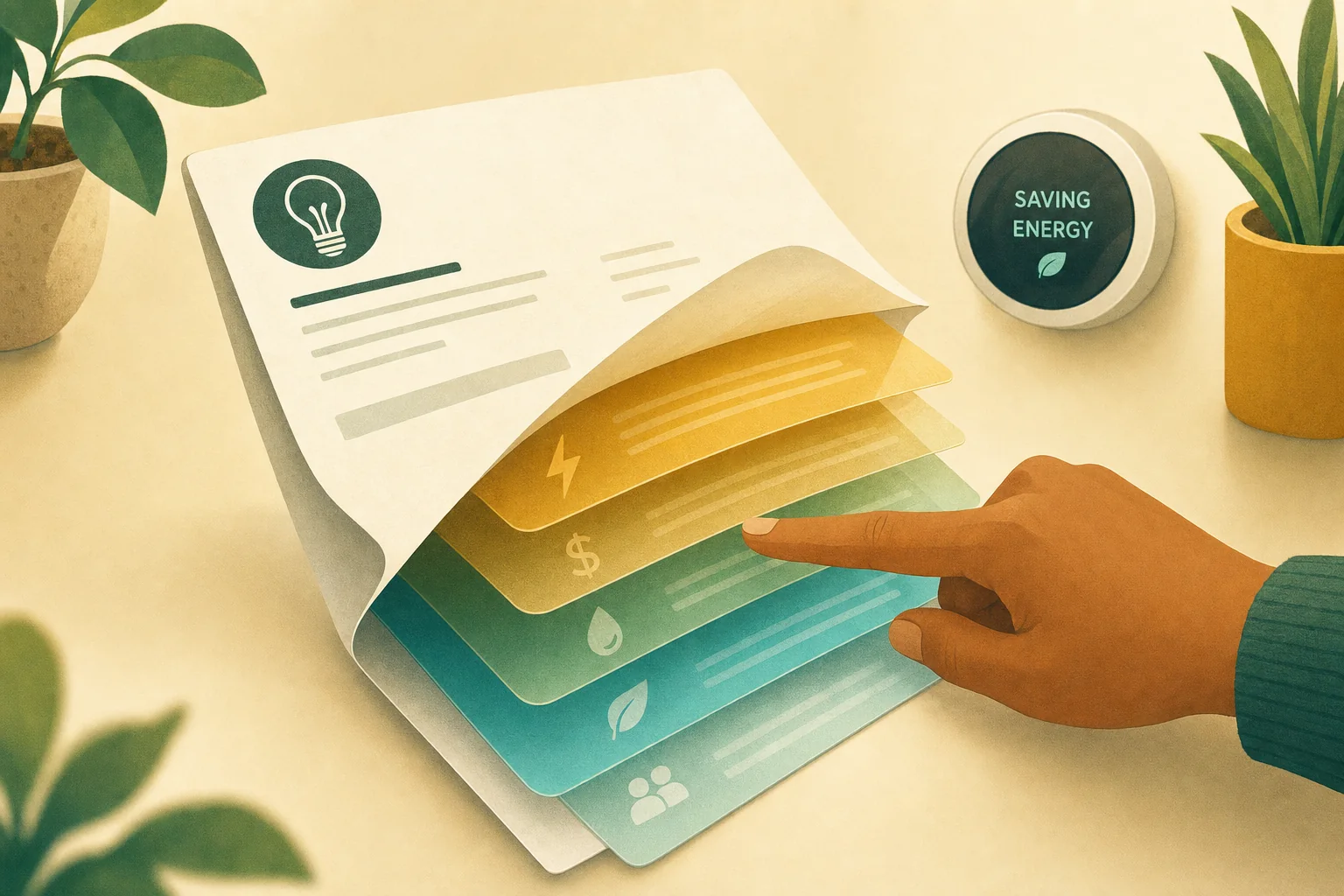
Review a drought-related water-bill charge using your utility’s current tariff, drought stage, usage, and meter data.

Tiered water pricing charges you more per gallon as you use more. Learn how tiers work with real 2026 rate tables, how to read your bill, and how to stay in the lower tiers.

Use a safe meter-and-main-valve check to identify unexpected water flow, then isolate common household sources before calling your utility or a qualified plumber.
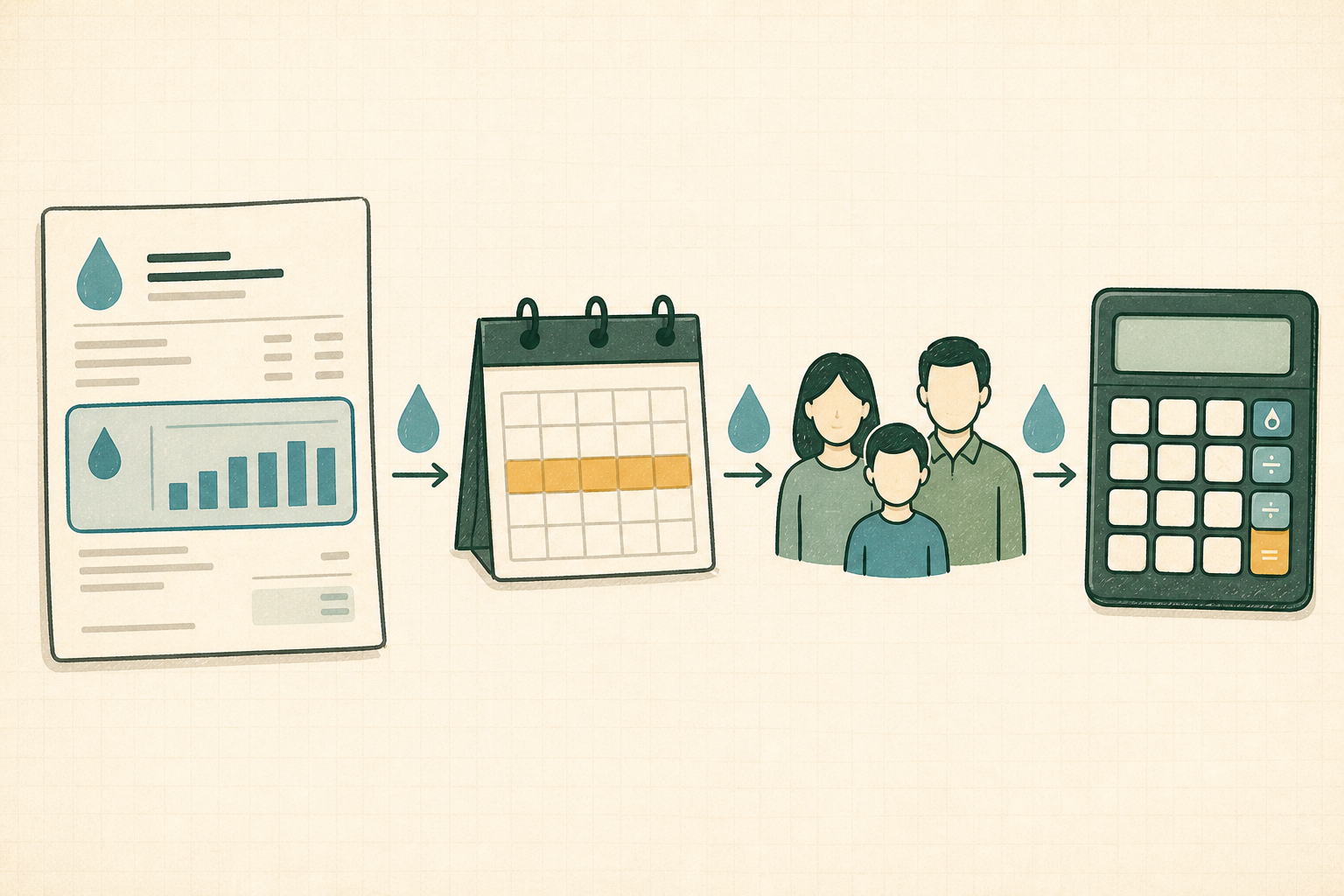
Calculate a household water-use snapshot from your own bill, billing days, household count, and local rate structure instead of using a generic daily target.

Sewer charges often use a winter average, not current water use. Learn how sewer averaging works with real city examples from Austin and San Antonio.

No lawn watering but a higher bill? Learn the most common winter causes, from leaks to longer billing cycles, freeze-thaw pipe stress, and how to check them.

Most water meters have a small leak indicator that moves when water flows. Here's how to use it to spot hidden leaks and rule out false alarms.

Seeing a water service (or base) charge even when you barely used water? Here's what that fixed fee usually covers and how to sanity-check it.

Understand the most common reasons water bills spike and how to troubleshoot them.

Summer water bills often jump for predictable reasons--outdoor watering, leaks, and tiered pricing. Here's how to figure out what changed in your case.

A step-by-step guide to reading your home water meter and checking for leaks.
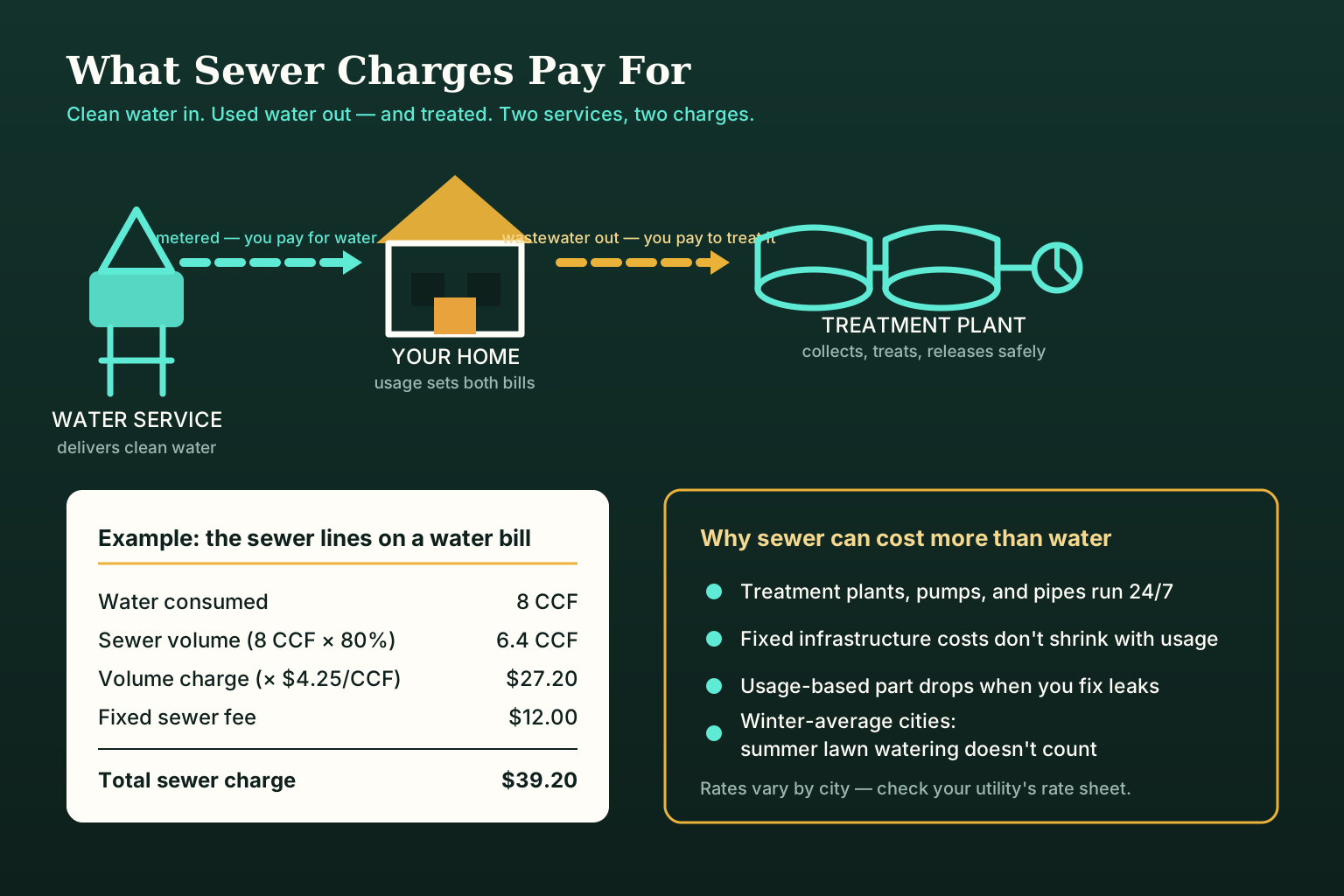
Use the bill, local rate schedule, and utility customer service to understand how sewer service is charged on your account.

Use a simple food-coloring dye test to check whether water is leaking from a toilet tank into the bowl, then confirm the repair with your meter and bill.

CCF on a water bill means 'hundred cubic feet' — 1 CCF equals 748 gallons. Here's what your CCF number means, how to convert it, and how to tell if a hidden leak is driving up your bill.