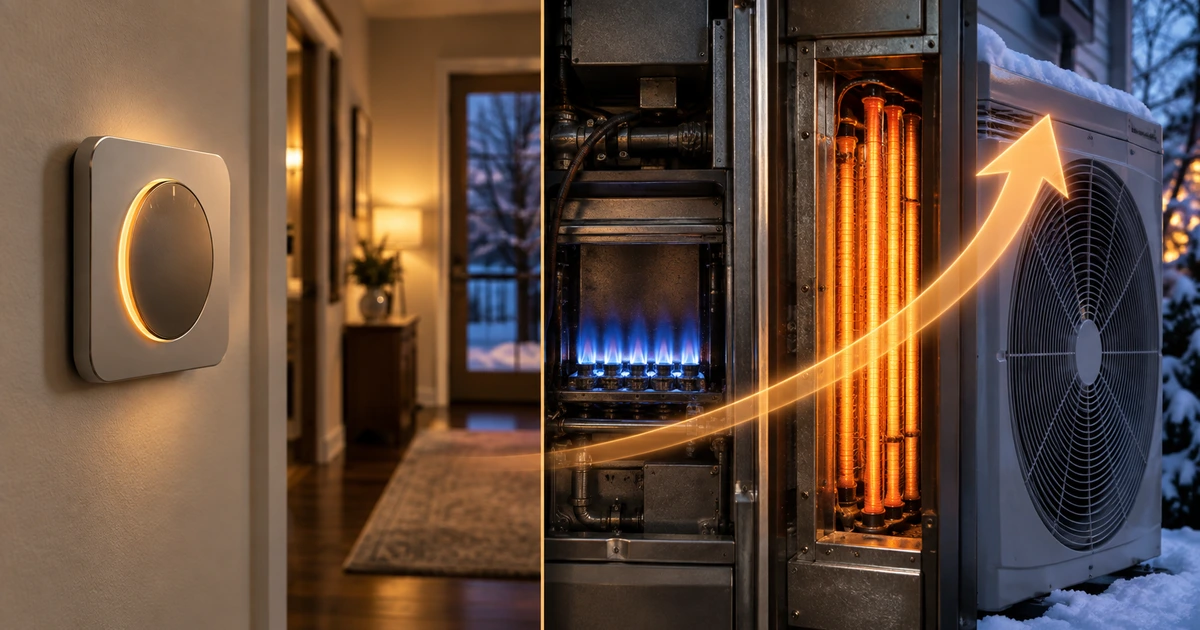
Why Is My Heating Bill So High? (Any Fuel Type)
A fuel-agnostic diagnostic for sudden heating bill spikes, covering electric resistance, heat pumps, propane, oil, and natural gas, including the hidden cost of furnace blower motors.
10 min read
Guides in the Heating & Cooling category — explained in plain English.
A fuel-agnostic diagnostic for sudden heating bill spikes, covering electric resistance, heat pumps, propane, oil, and natural gas, including the hidden cost of furnace blower motors.
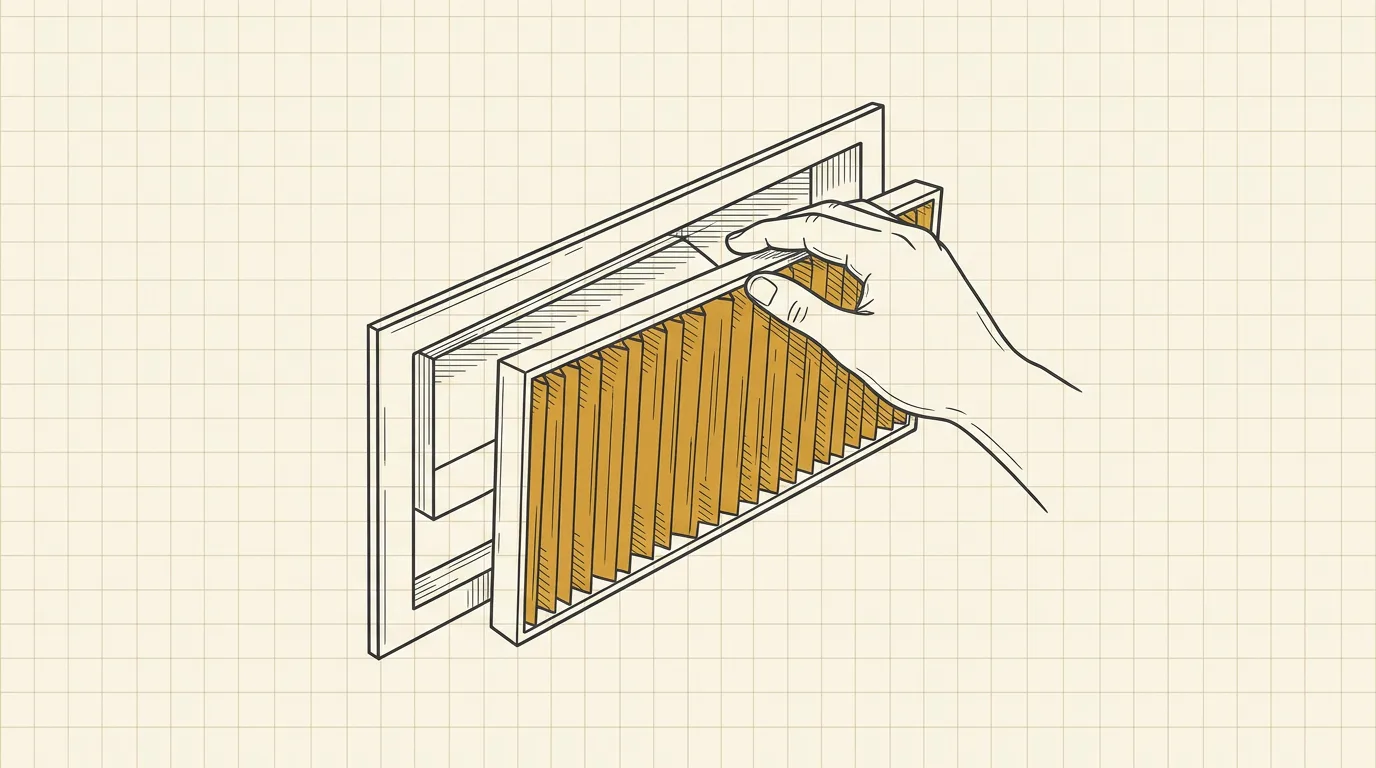
Aerostar's MERV 11 six-pack is the workhorse filter buy, but the MERV 13 six-pack currently costs less — so which should actually go in your slot? The honest comparison, with the pressure-drop caveat that decides it.
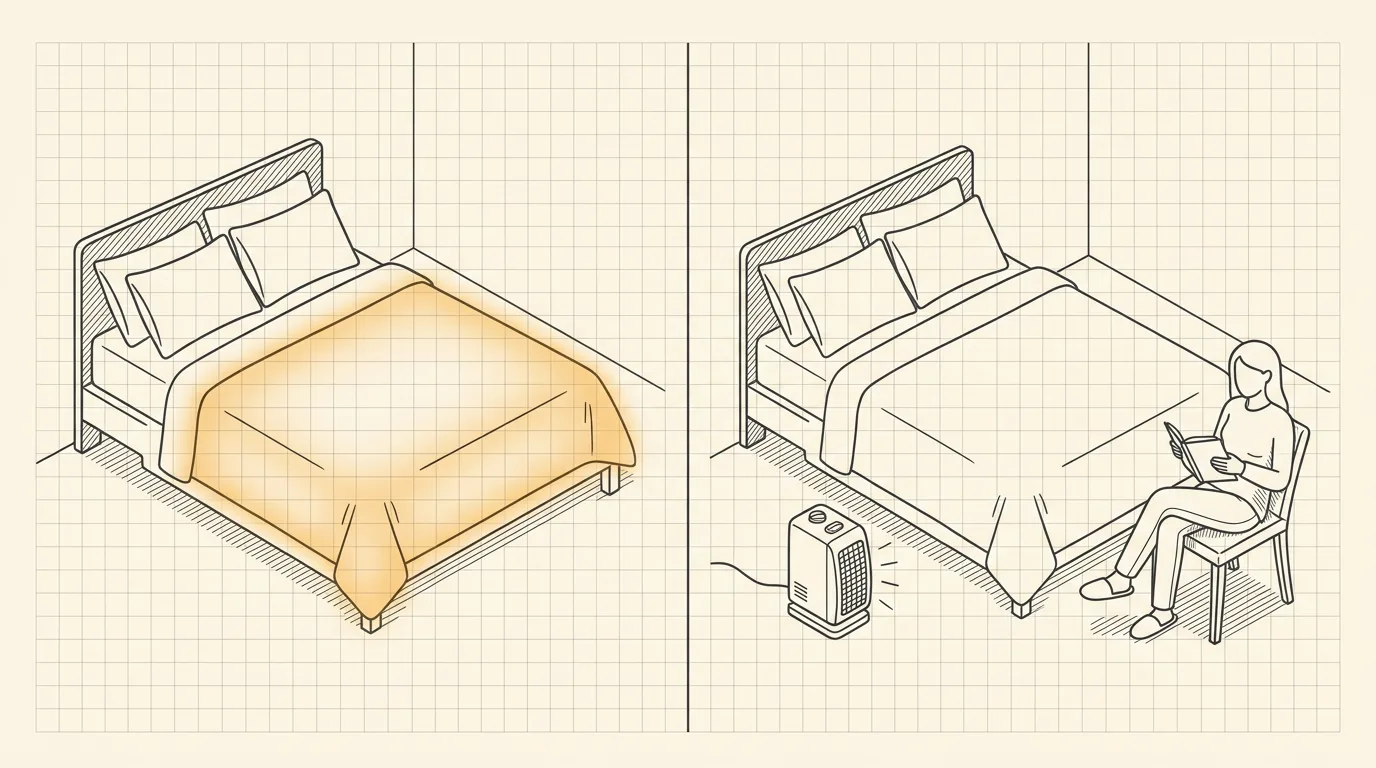
An electric blanket costs about $6.60 a month to run; a space heater costs $25–66. The honest math on watts, thermostat cycling, and when each one is the right tool for the room.
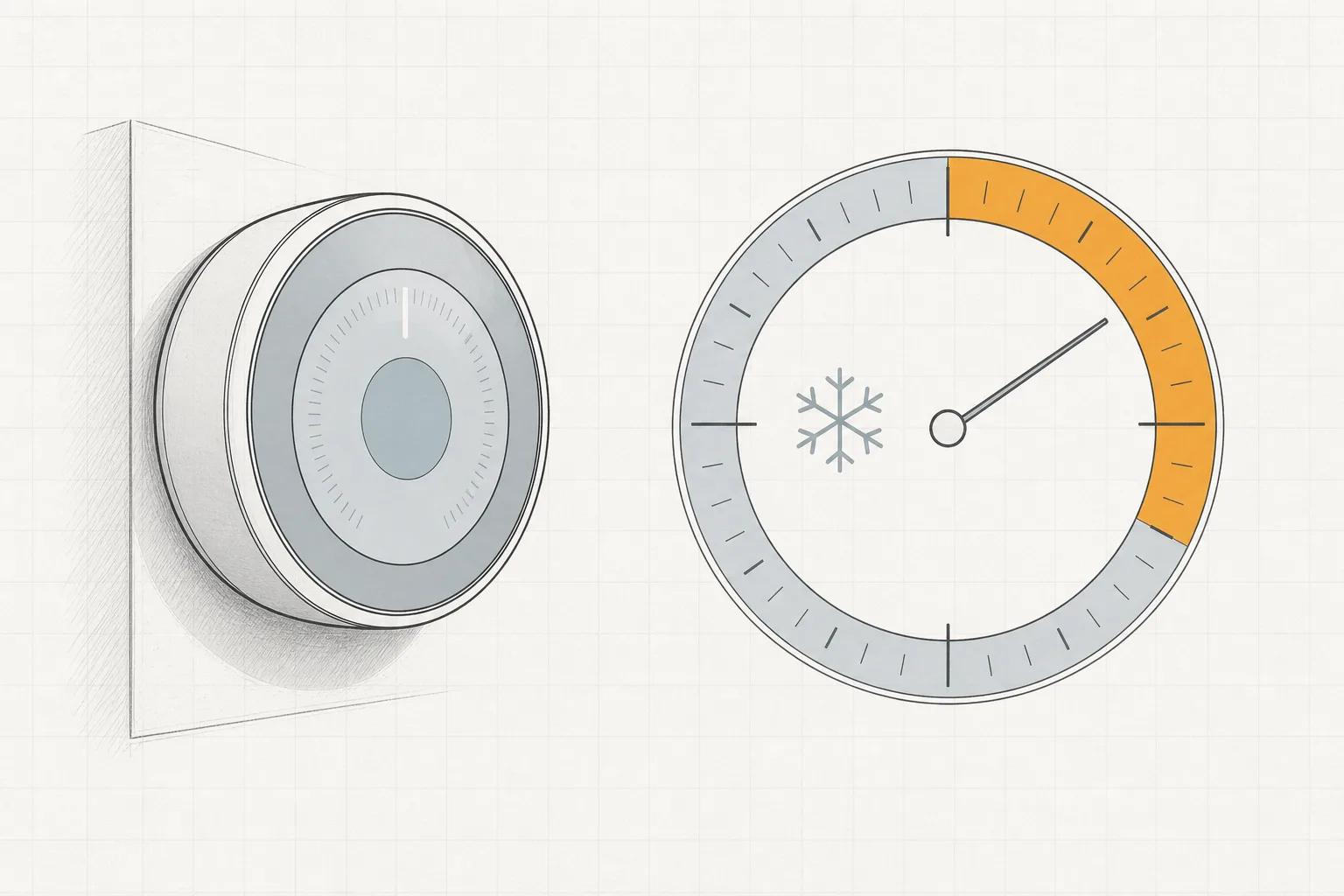
A smart thermostat doesn't lower your rate — it changes when you buy power. How automation intersects with time-of-use pricing, what the math really depends on, and which features matter.
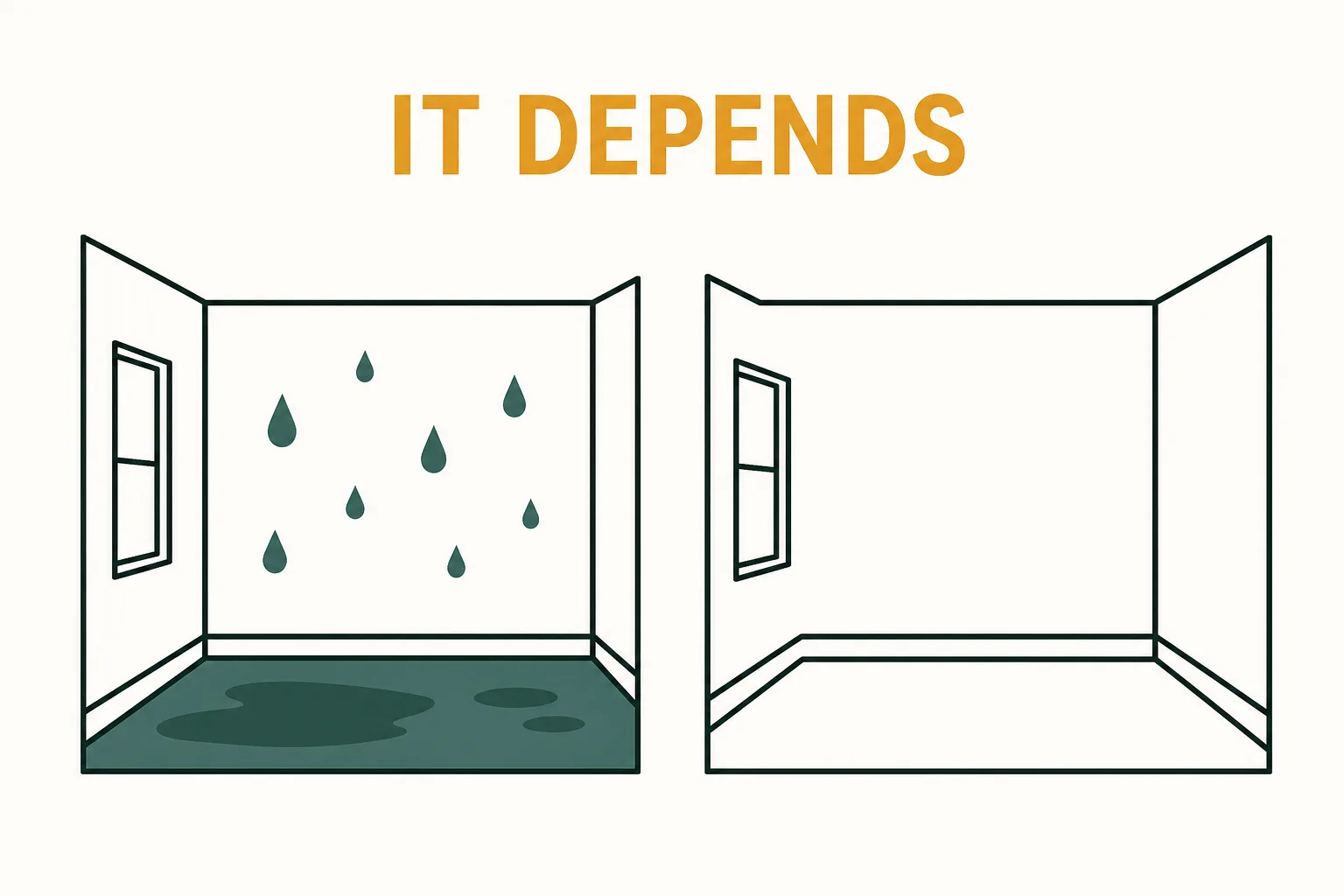
A dehumidifier can cut AC use in humid, mild summers — or add cost in hot climates. How humidity, setpoints, and the unit's own draw decide.
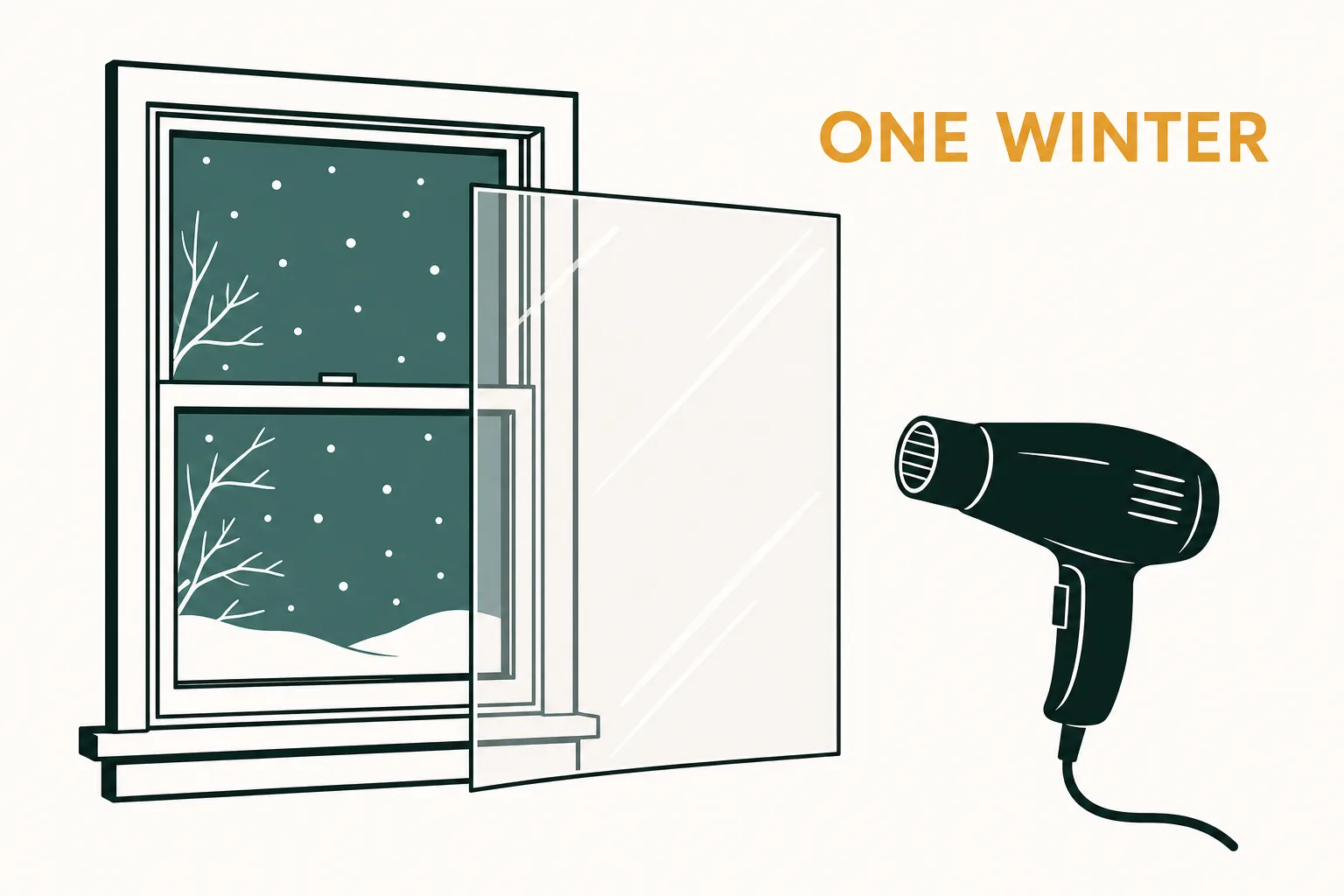
Shrink-film window kits cost $12-20 and add a dead-air layer over drafty glass. How the mechanism works, when it pays, and when curtains or caulk are the better buy.
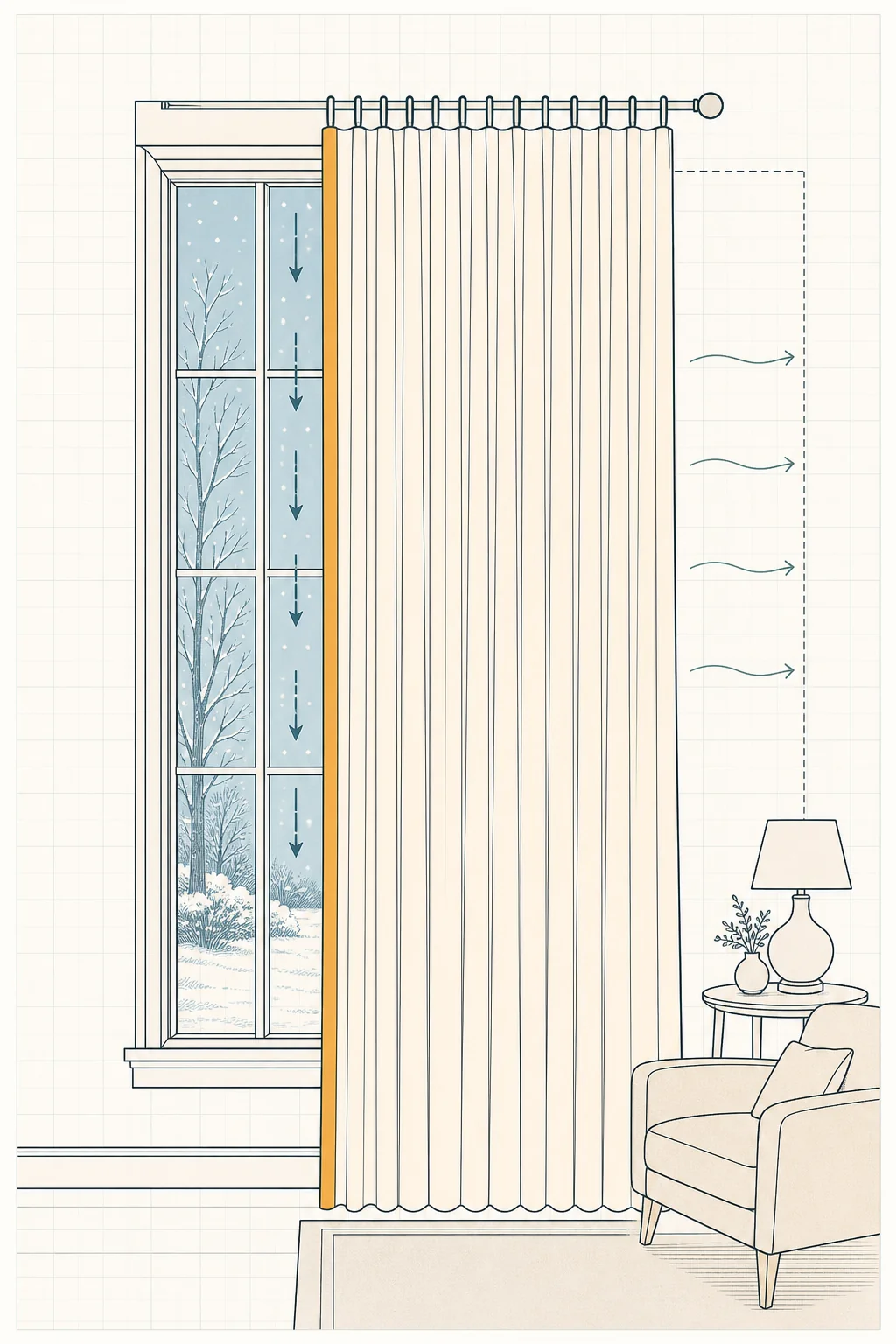
Thermal curtains work through still air and fit, not fabric — what the DOE and AERC numbers measured, the hang rules that decide performance.
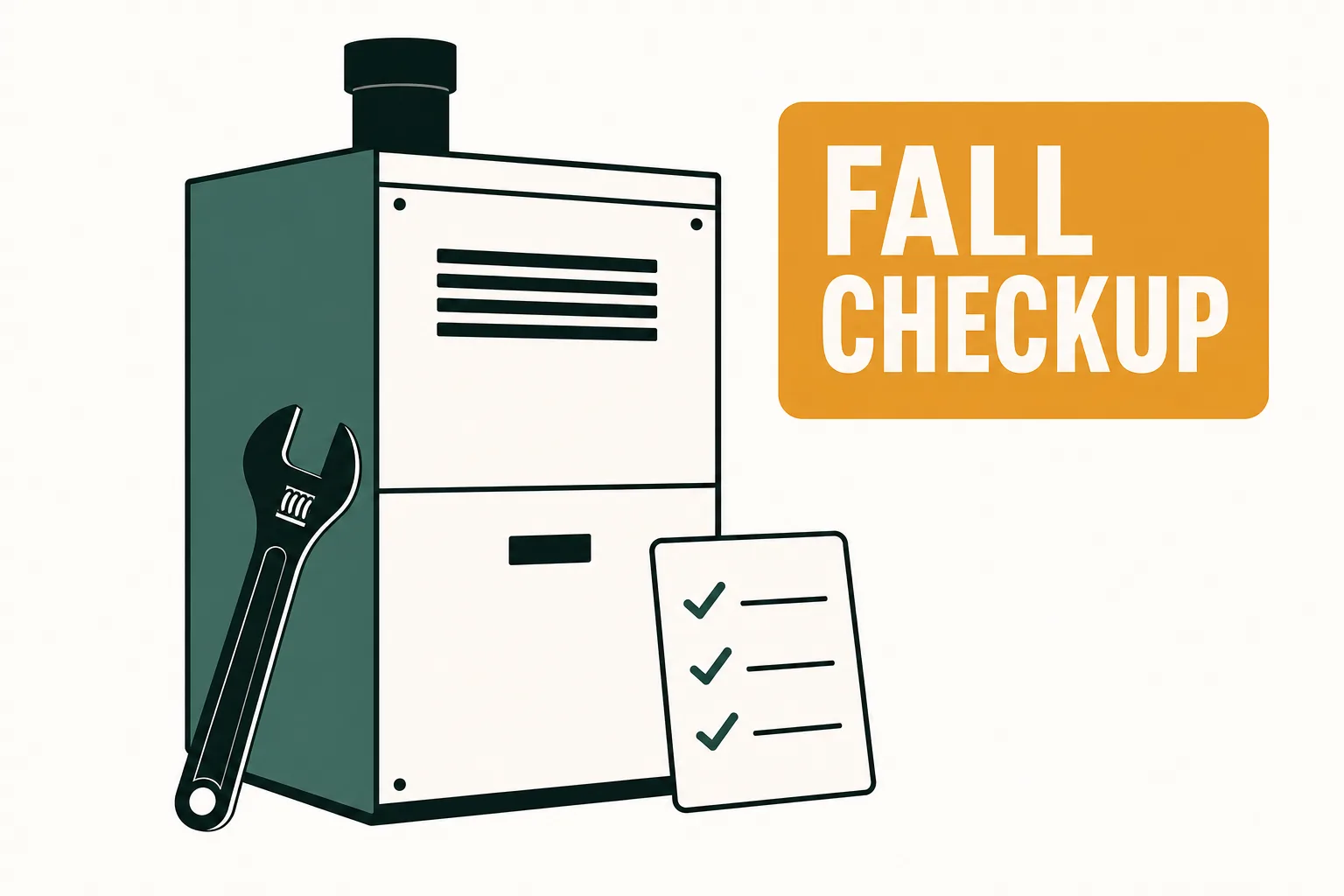
A furnace tune-up typically costs $80-$200, ideally every fall. See what's included, furnace type differences, and how to avoid upsells.
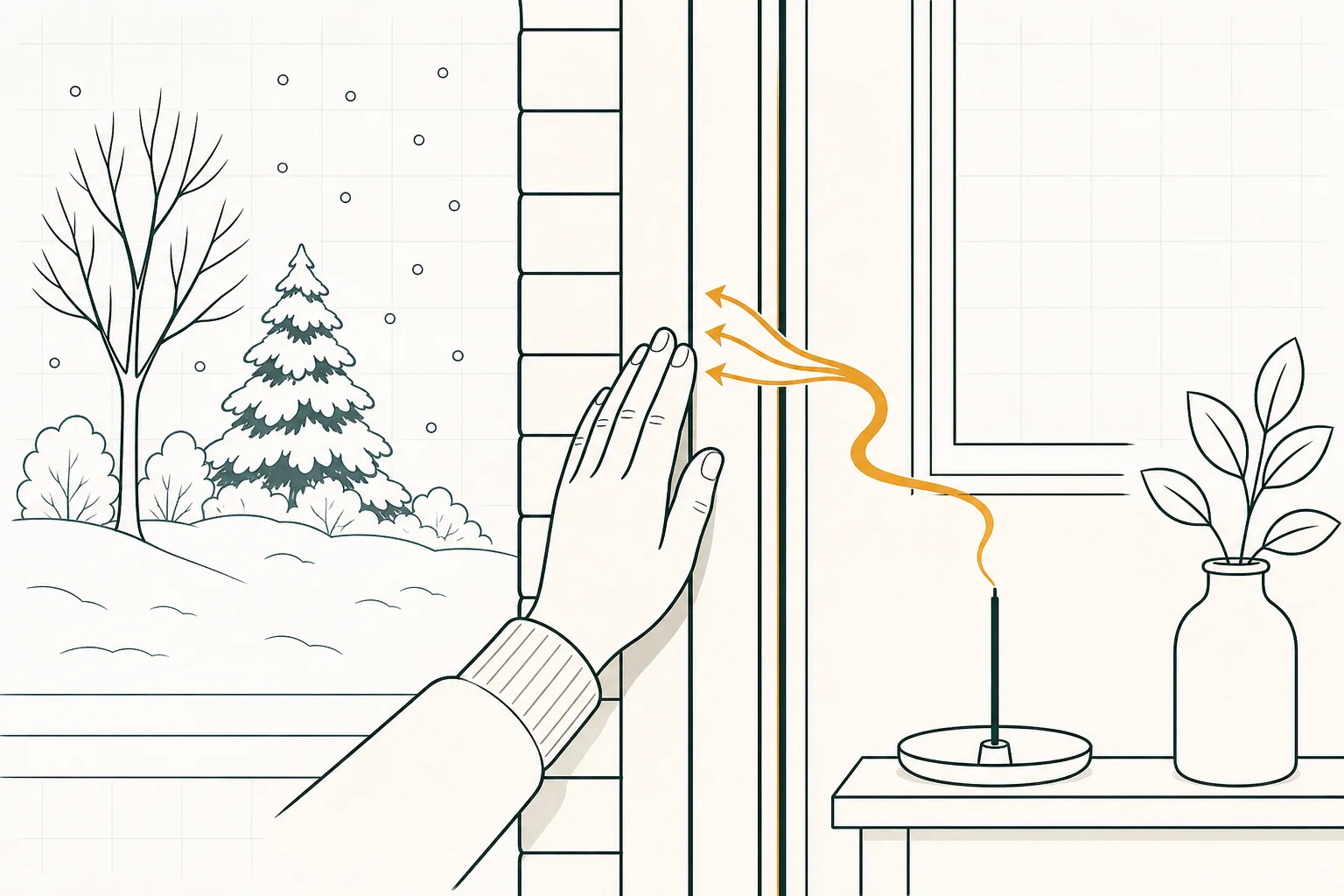
Find drafts with your hand, a smoke pen, and a flashlight, then seal the ten standard leak spots with sweeps, caulk, gaskets, and weatherstripping.
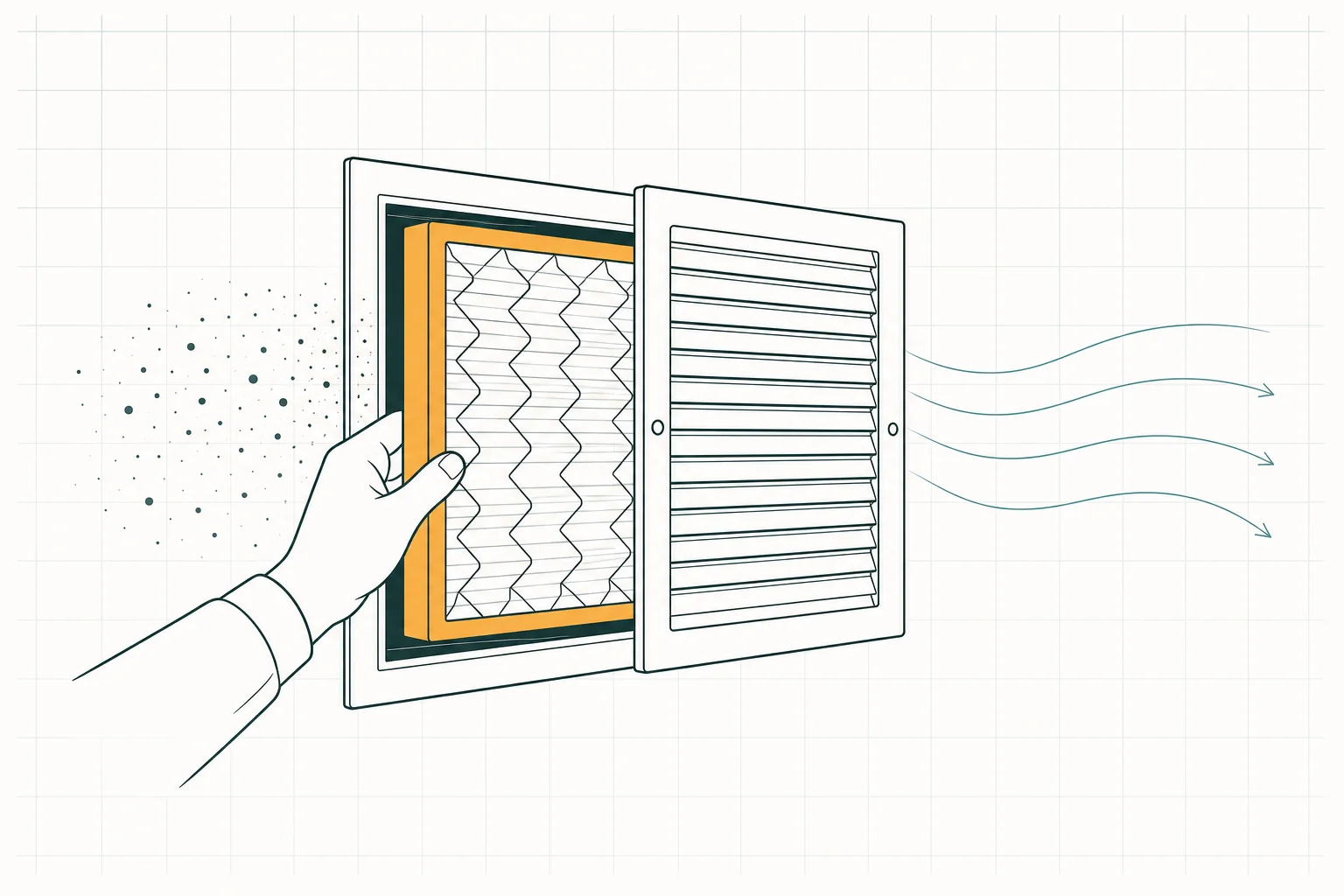
MERV 8 for most homes, 11 for allergies, 13 only if rated — the capture-vs-airflow trade, the size mistake, and does a dirty filter raise your bill?
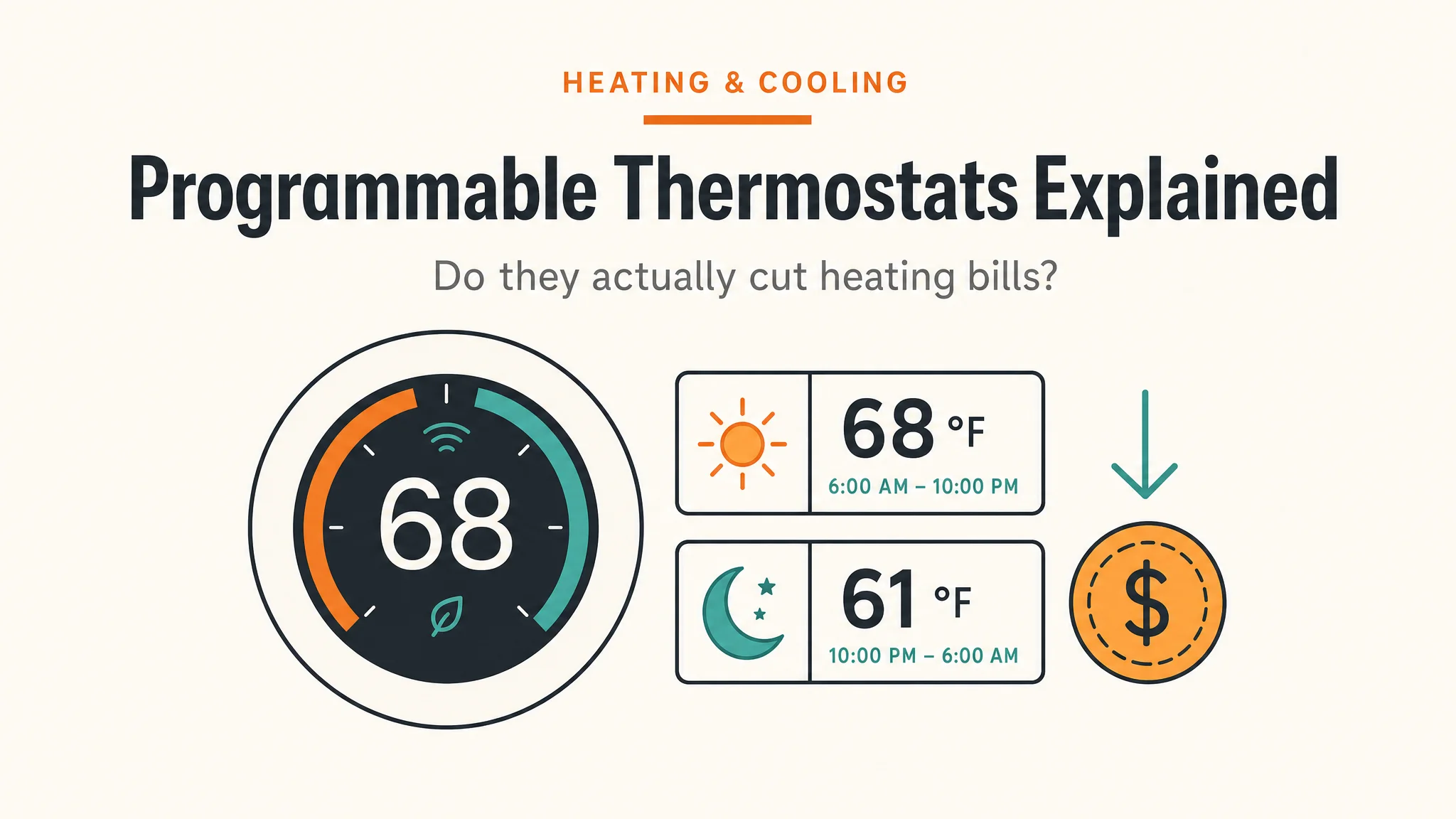
Use thermostat schedules that match when a home is occupied, and follow equipment guidance before applying setbacks.

Assess whether a portable space heater is appropriate using the manufacturer instructions, electrical safety requirements, room conditions, and your actual utility rate.

Use DOE home-energy-assessment guidance to document potential air leaks, understand safe scope limits, and choose appropriate follow-up work.

Compare heat-pump and gas-furnace options through a home-specific load calculation, equipment proposal, tariff review, and local program terms.
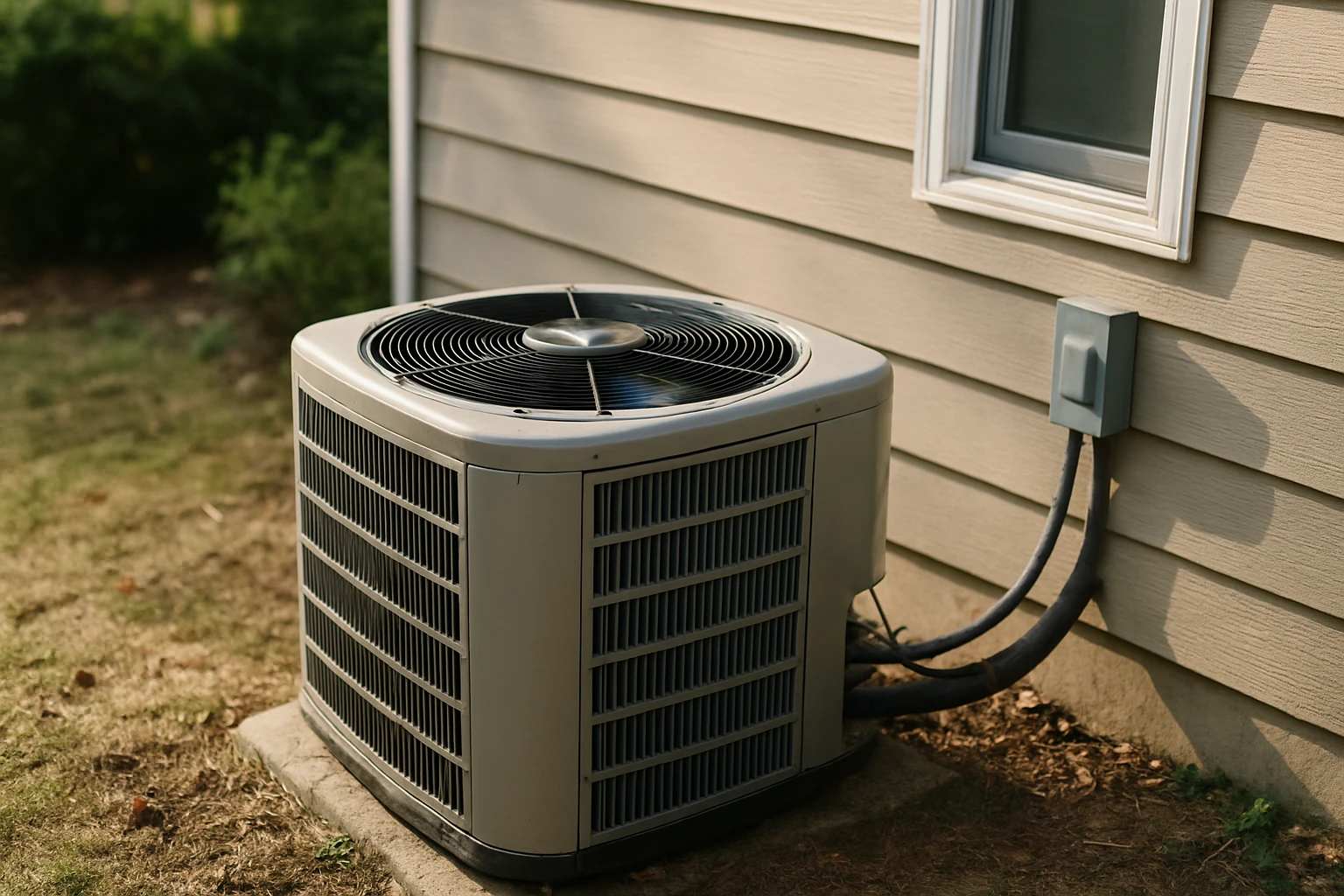
Document frequent AC cycling, complete safe owner checks, and know when to arrange qualified HVAC service instead of relying on a generic diagnosis.

Heat pumps run longer in cold weather, but nonstop runtime can feel worrying. Learn what is normal and what to check.

Furnace blowing cold air? Work through the check order: thermostat mode, fan setting, filter, breaker, vents, and CO alarm. Know when to DIY and when to call a pro.

If your air conditioner is running but the house is still warm, this guide walks you through the most common causes, safe checks, and when to call for service.

HVAC ratings can feel like jargon. This guide explains AFUE, SEER, HSPF, and COP, what each measures, and how to compare systems without mixing apples and oranges.

If your thermostat says Aux Heat or Emergency Heat, this guide explains what's happening, why costs can spike, and when you should (and shouldn't) use each mode.

Spot the 8 duct-leak symptoms, run a 15-minute DIY check, and understand what a duct-blaster test measures.
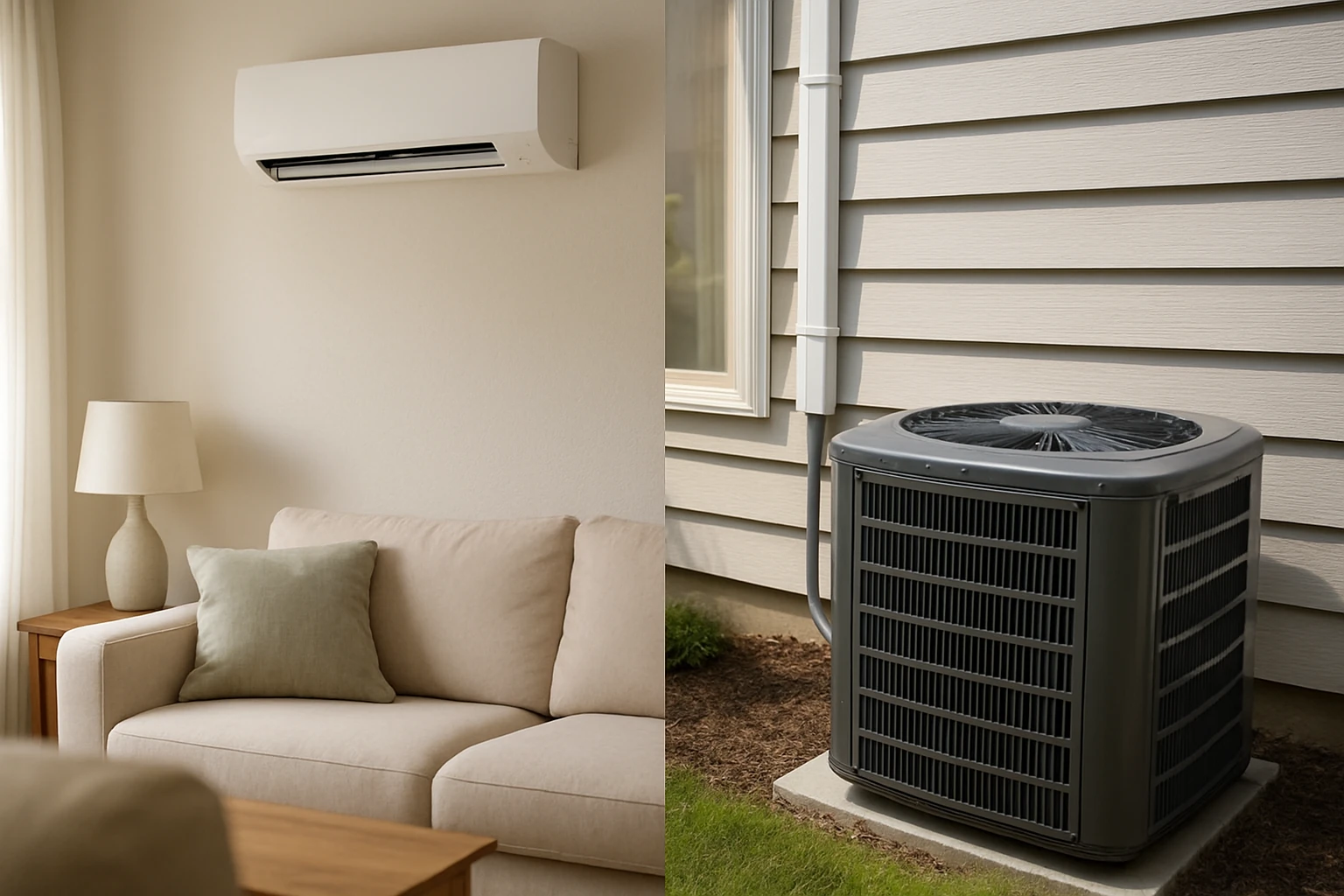
Compare ductless and ducted HVAC proposals using the home's load calculation, duct condition, equipment match, and installation scope.

Learn what HVAC staging and variable-speed equipment mean, why system sizing matters, and what to ask before choosing equipment.