
How Much Does It Cost to Run a Window or Portable AC?
Running a window or portable AC costs between $0.09 and $0.26 per hour of compressor time at 2026 rates, depending on the unit's size and efficiency.
9 min read
Guides in the Electricity category — explained in plain English.
Running a window or portable AC costs between $0.09 and $0.26 per hour of compressor time at 2026 rates, depending on the unit's size and efficiency.
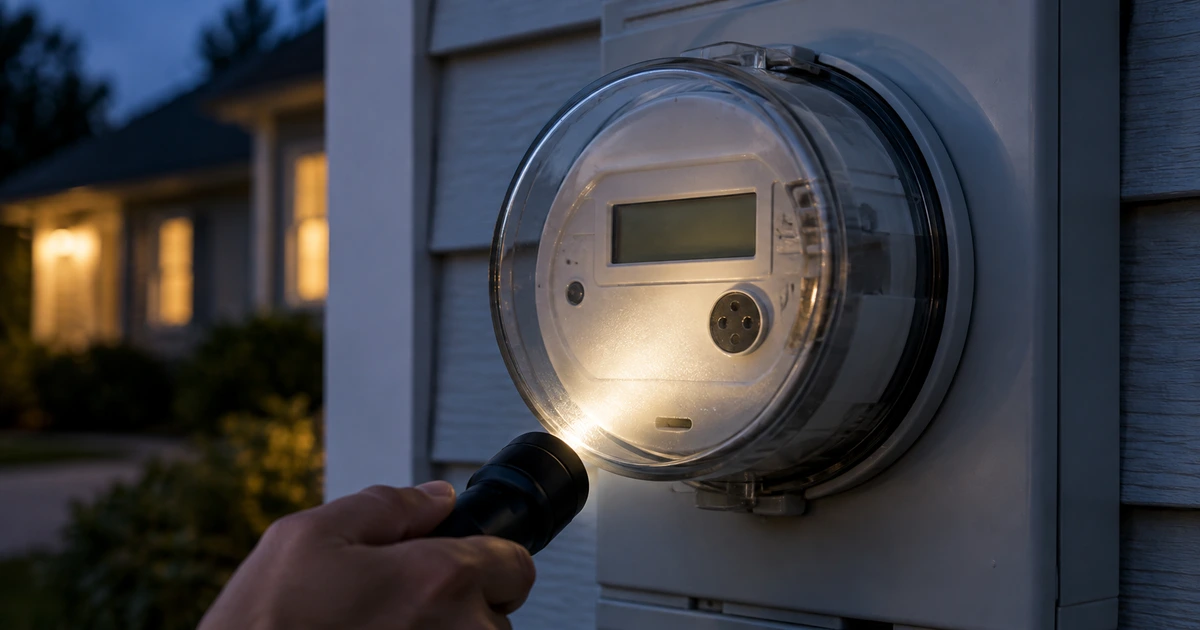
If your electric bill spiked without a change in habits, a neighbor might be tapping your power—but a simple main-breaker test can prove it before you call the utility.
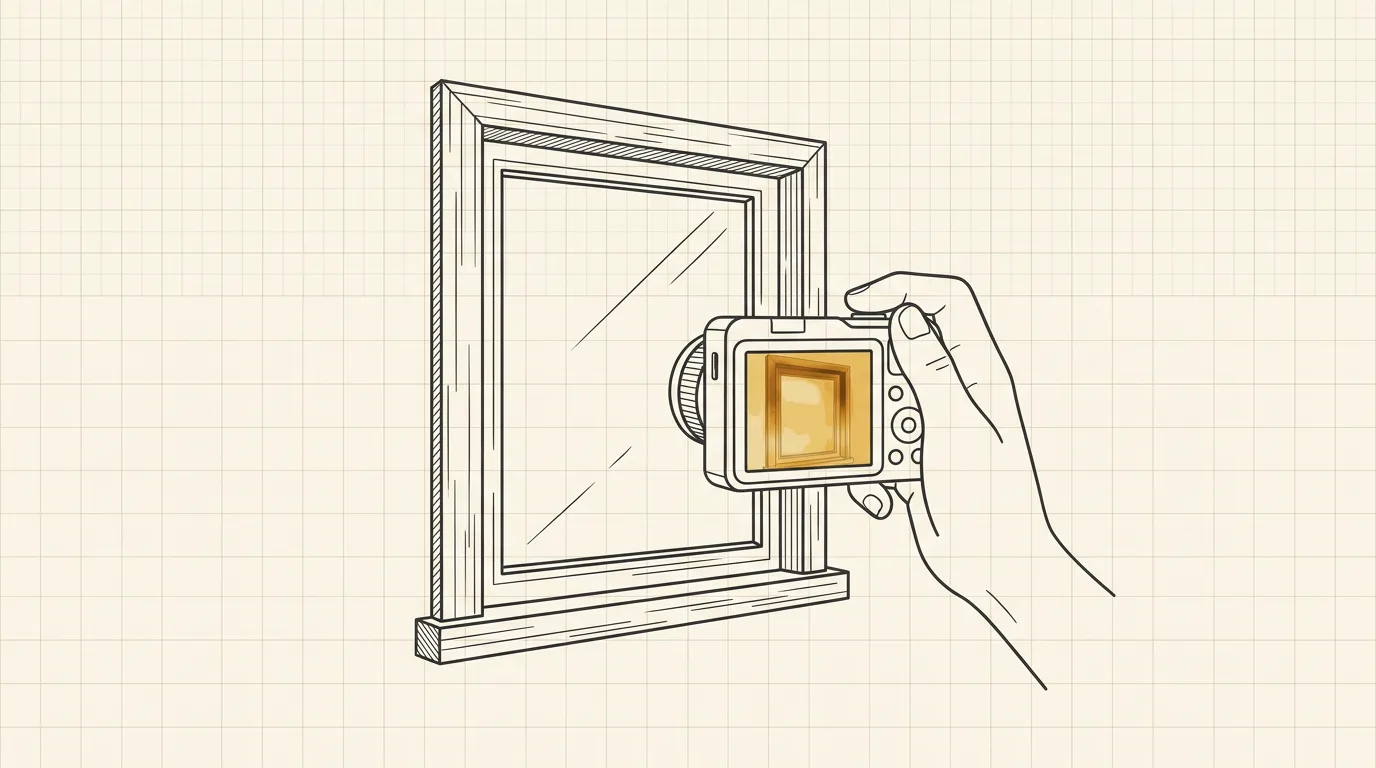
A ~$116 USB-C thermal camera can find drafts, cold spots, and missing insulation patches — but it cannot see inside walls or read R-values. What the Thermal Master P1 can and cannot do, with the method that makes it work.
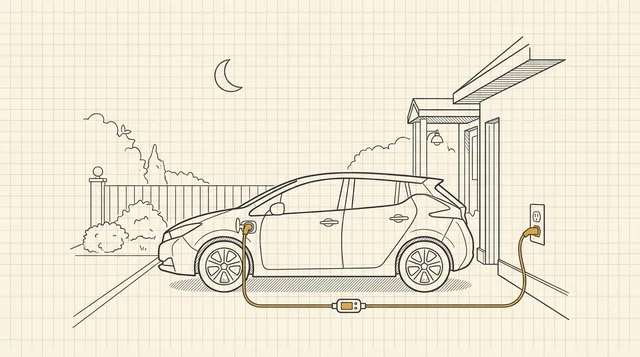
Level 1 EV charging — the 120V cord in the trunk — is just billed electricity, not free. Here is the honest outlet math, the monthly dollar range for a real commute, and how to measure your own car's draw instead of guessing.
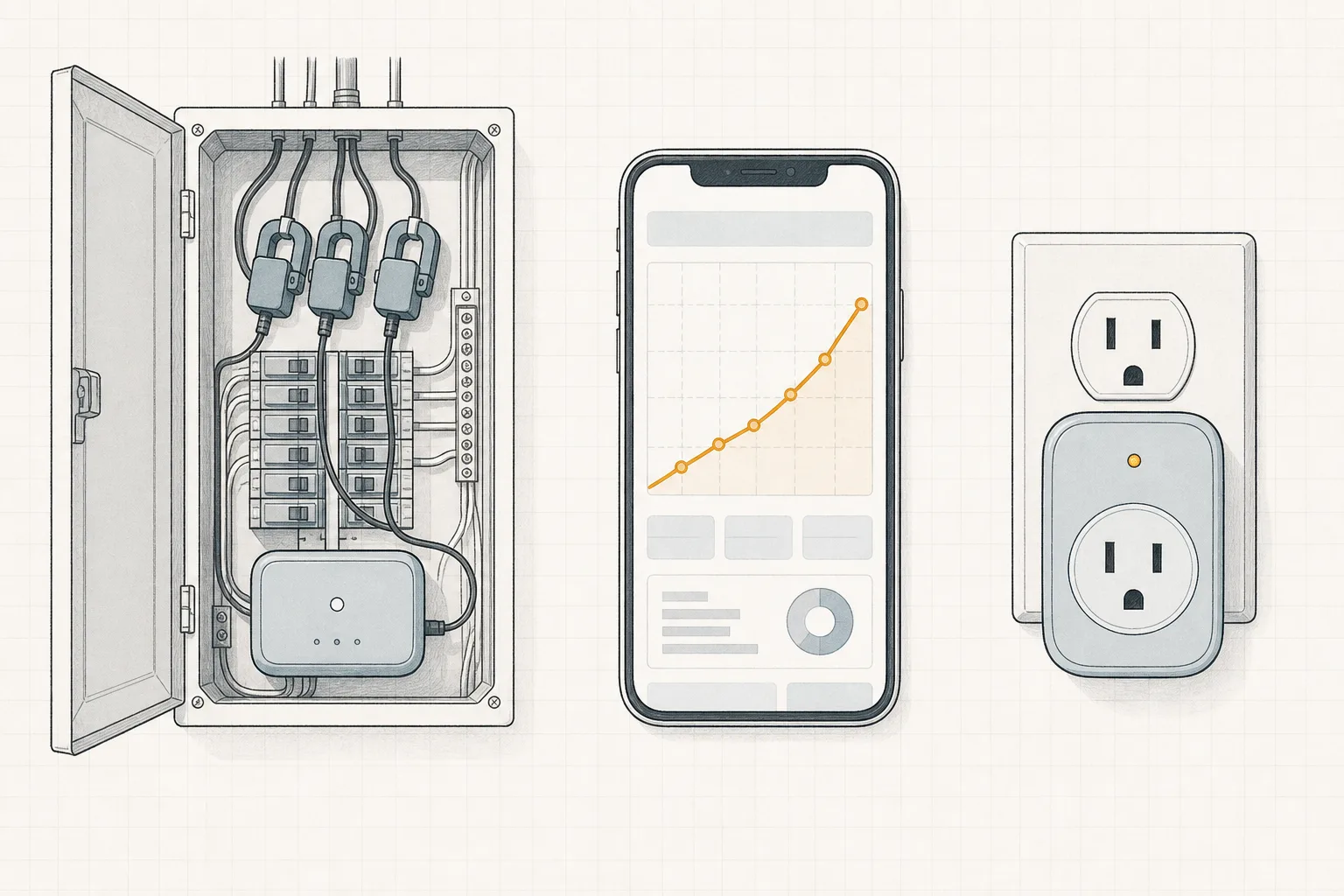
Sense stopped selling monitors in 2025, so the 2026 best pick depends on your question: free utility data, metering smart plugs, or the Emporia Vue 3 for circuit-level whole-home data.
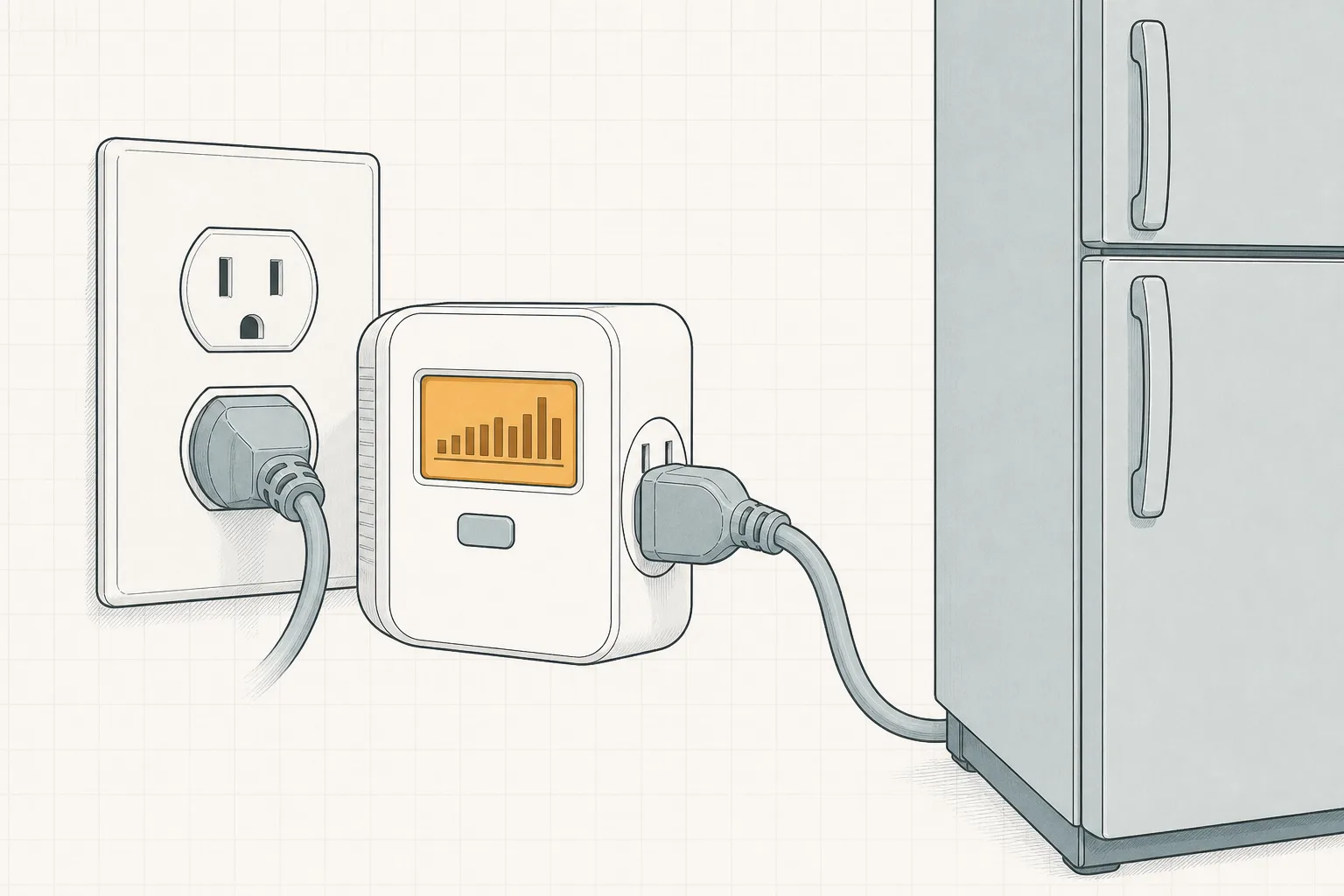
The Kill A Watt P4400 is back in stock, but it is not the only way to measure what an appliance costs. The real alternatives — and when each one is the better tool.
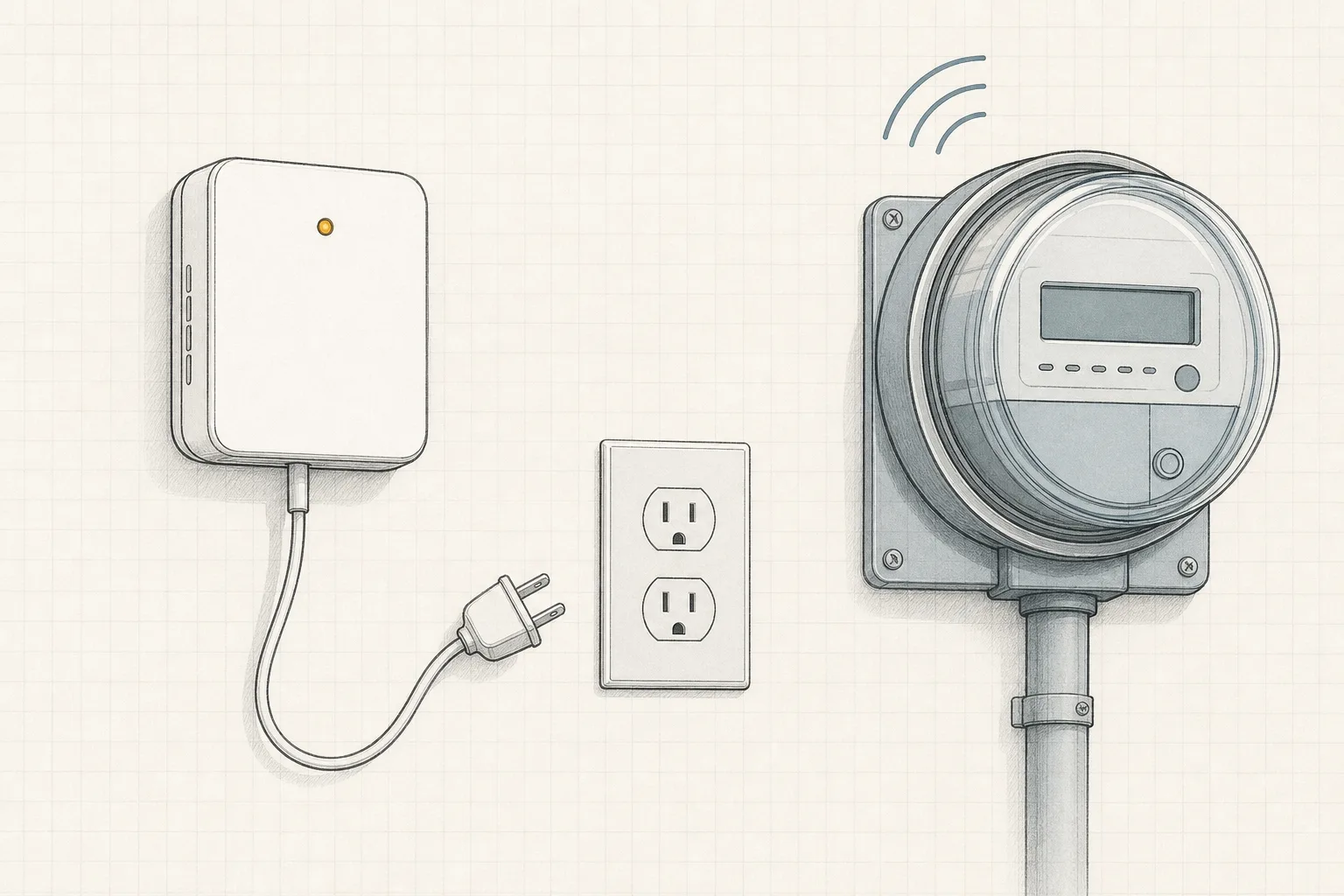
Sense stopped selling its home energy monitor on December 31, 2025. What still works for owners, and the honest alternatives — from free utility data to the Emporia Vue 3.
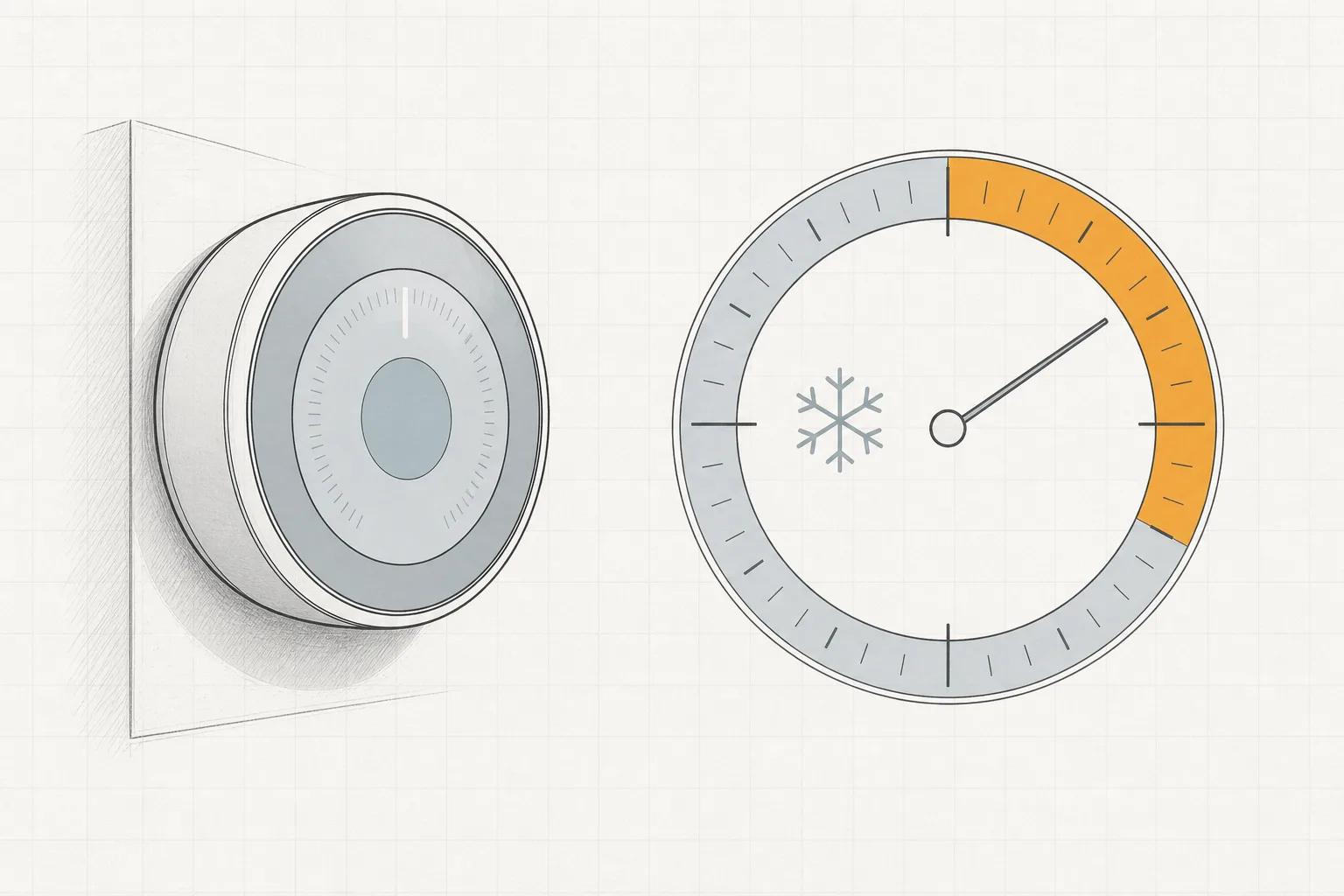
A smart thermostat doesn't lower your rate — it changes when you buy power. How automation intersects with time-of-use pricing, what the math really depends on, and which features matter.
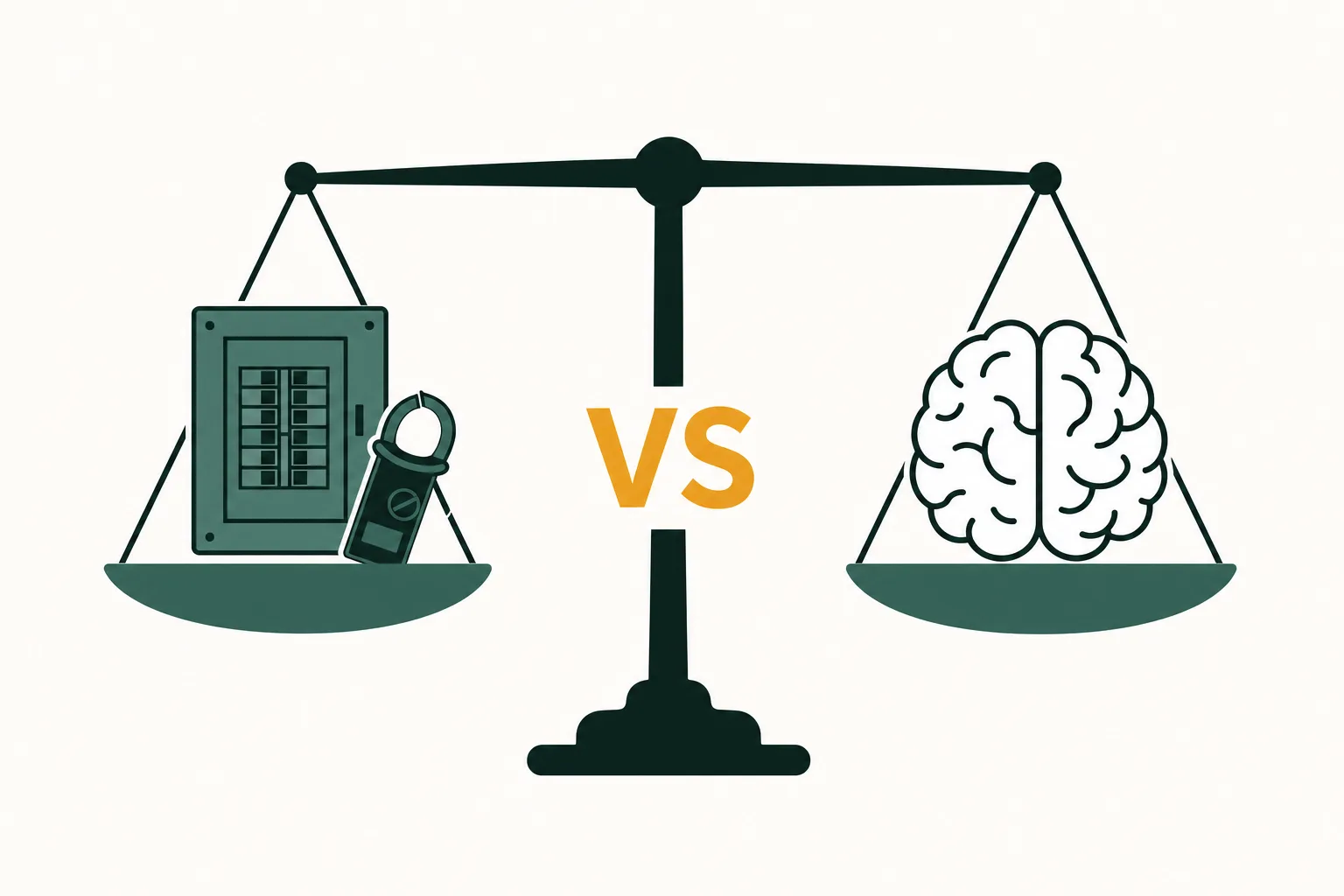
Emporia Vue 3 meters circuits directly; Sense guesses devices from mains data. An impartial comparison of install, channels, and failure modes.
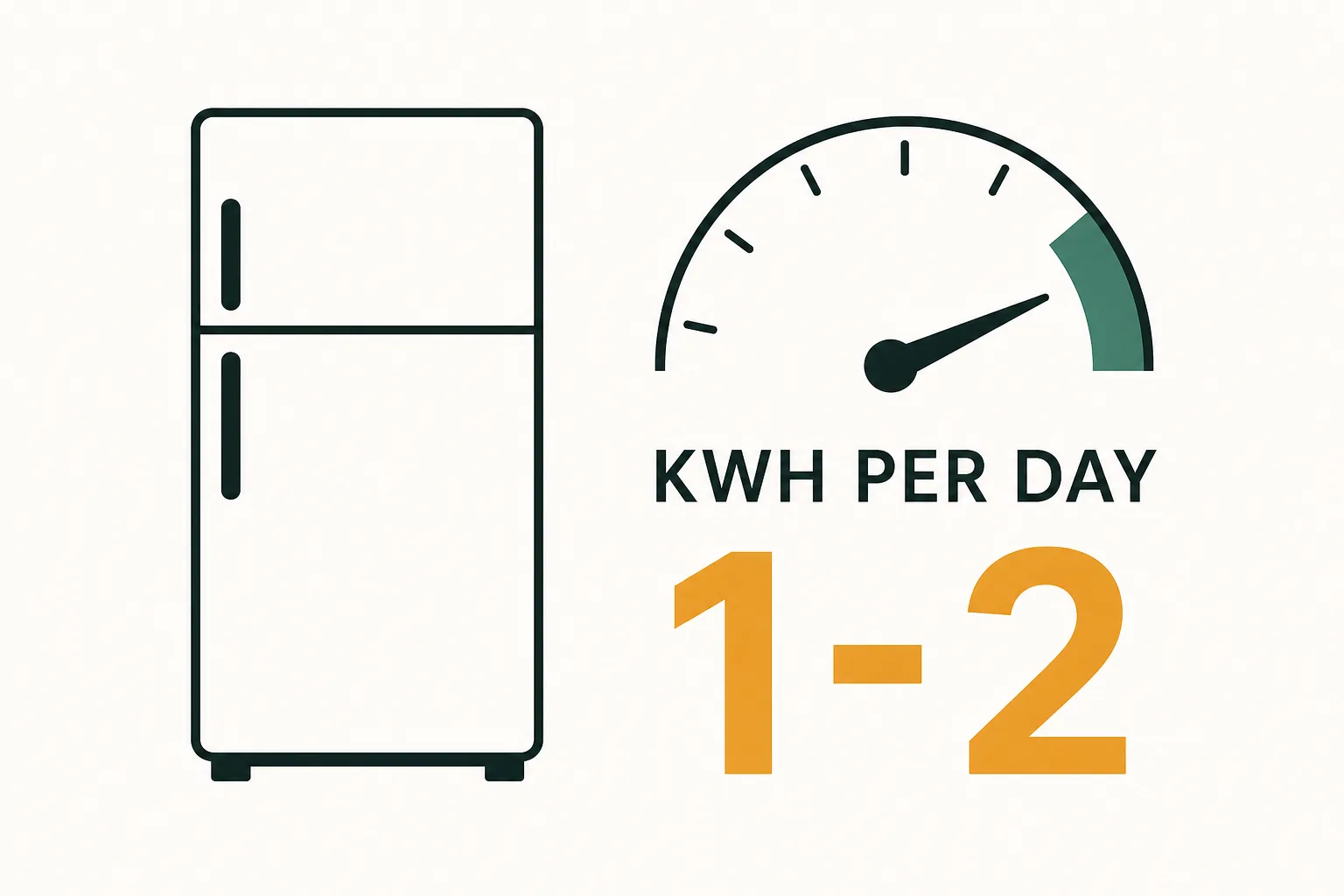
A fridge's running watts matter less than kWh per day. How to measure both with a plug-in meter — or a free one from the library — and price your own.
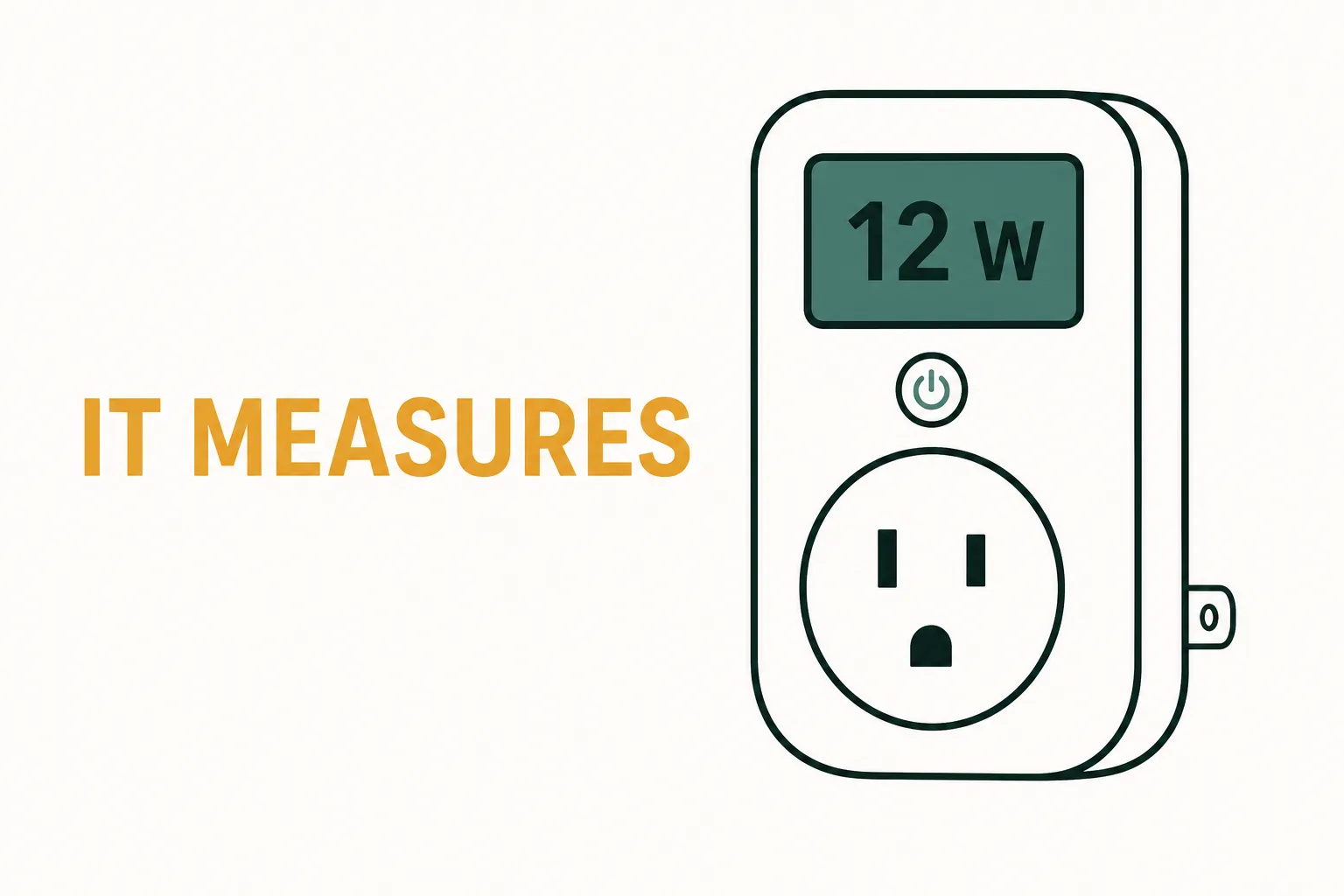
Most smart plugs only switch on and off. How to tell which ones actually measure watts and kWh — and what they can safely meter, including window ACs.
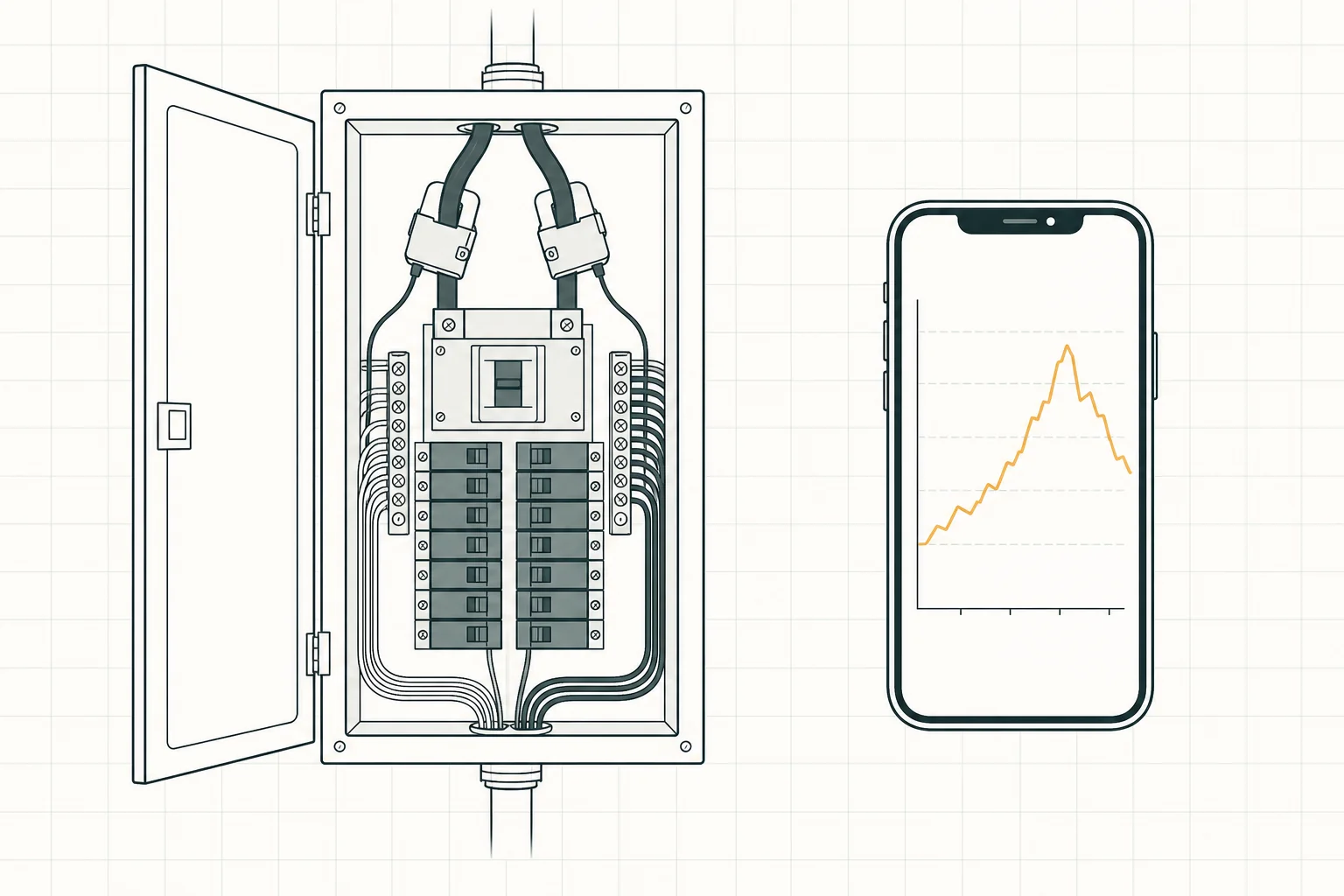
A whole-home monitor finds the changes that lower an electric bill — what CT-clamp monitors see, what they miss, and when the free app is enough.
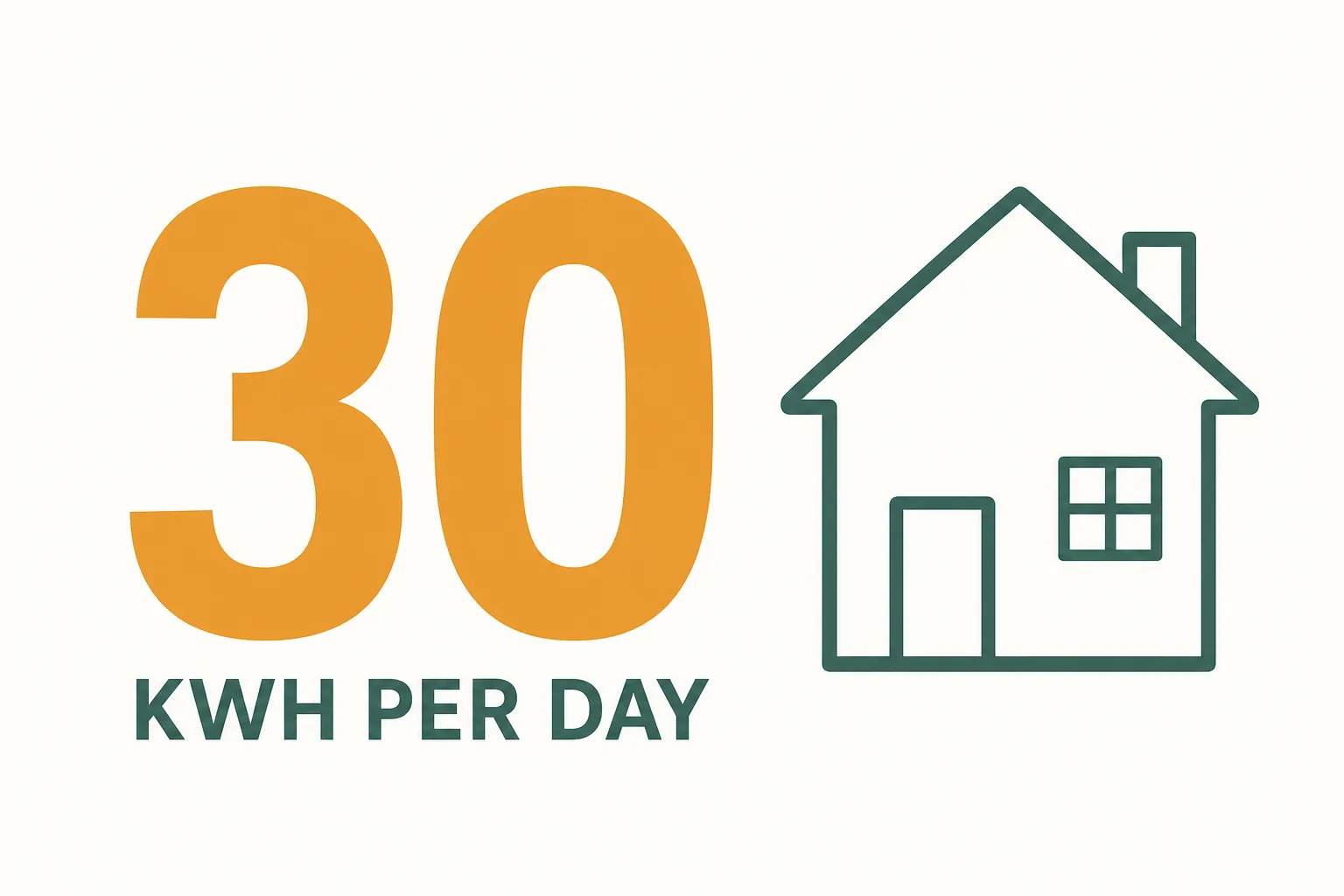
The average US house uses about 30 kWh per day. See typical daily kWh by home size, what pushes usage up, and what your number means on the bill.
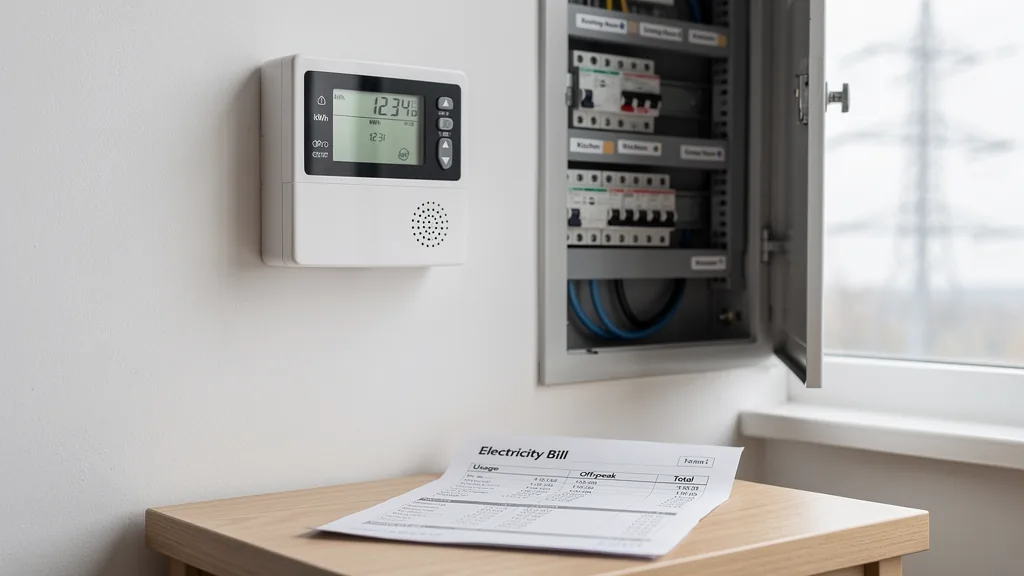
Find the cheapest electricity hours for your time-of-use plan, plus a quick-reference table by plan type and off-peak habit checklist.
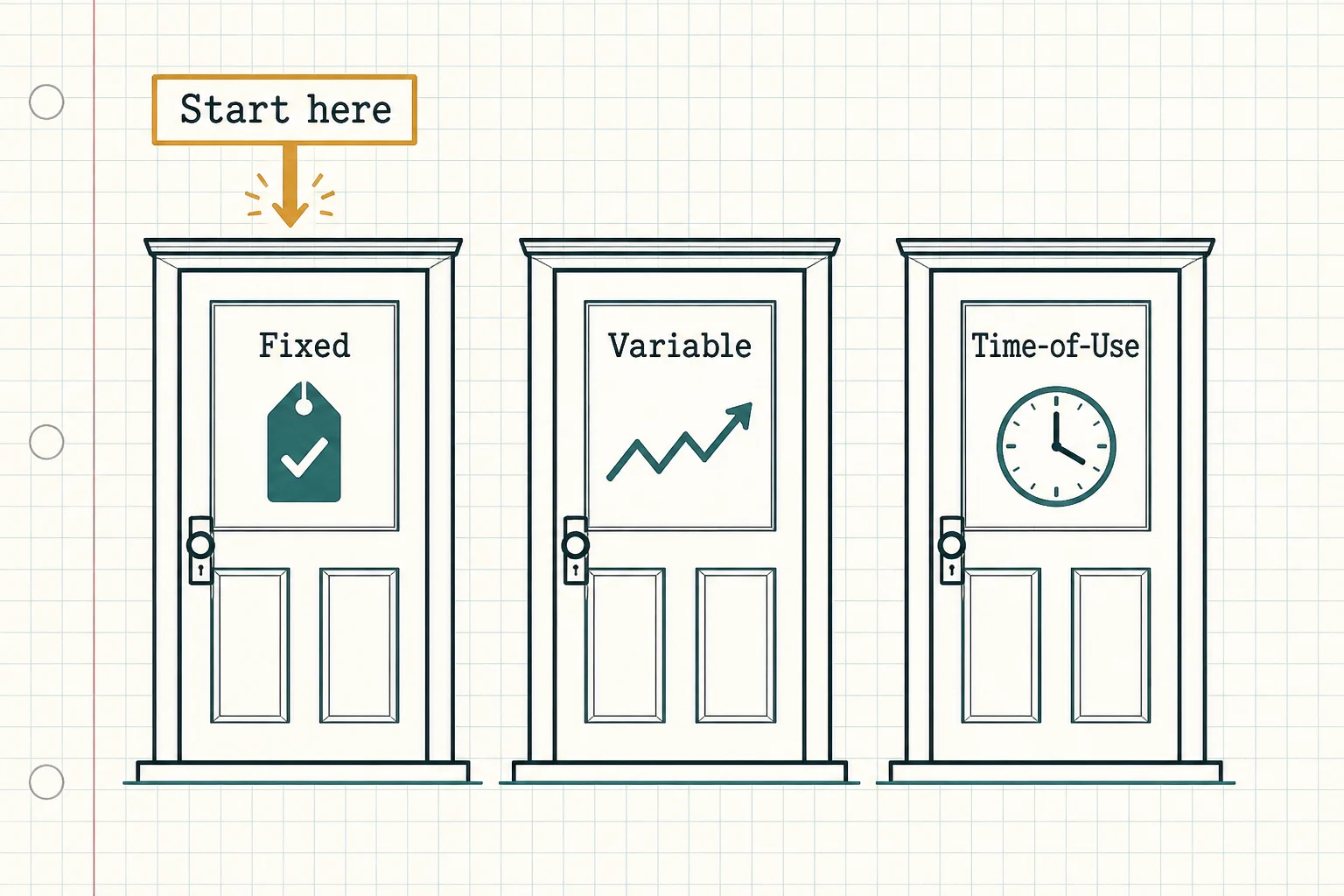
A decision framework for residential utility rate plans: match your household's usage pattern to fixed, variable, time-of-use, or tiered pricing before you switch.
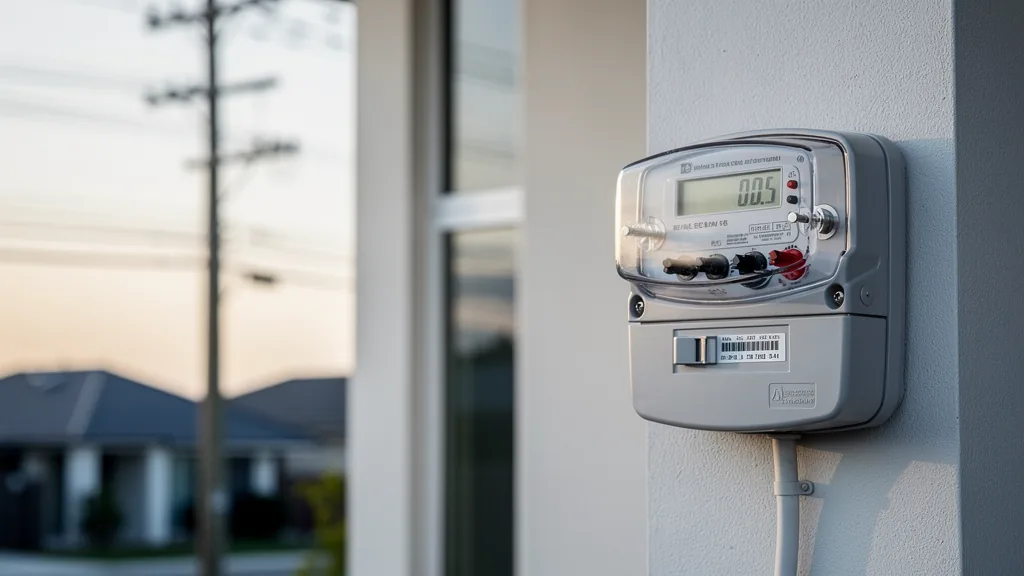
Estimate EV charging electricity from your vehicle, driving, and utility rate plan instead of relying on a national cost average.
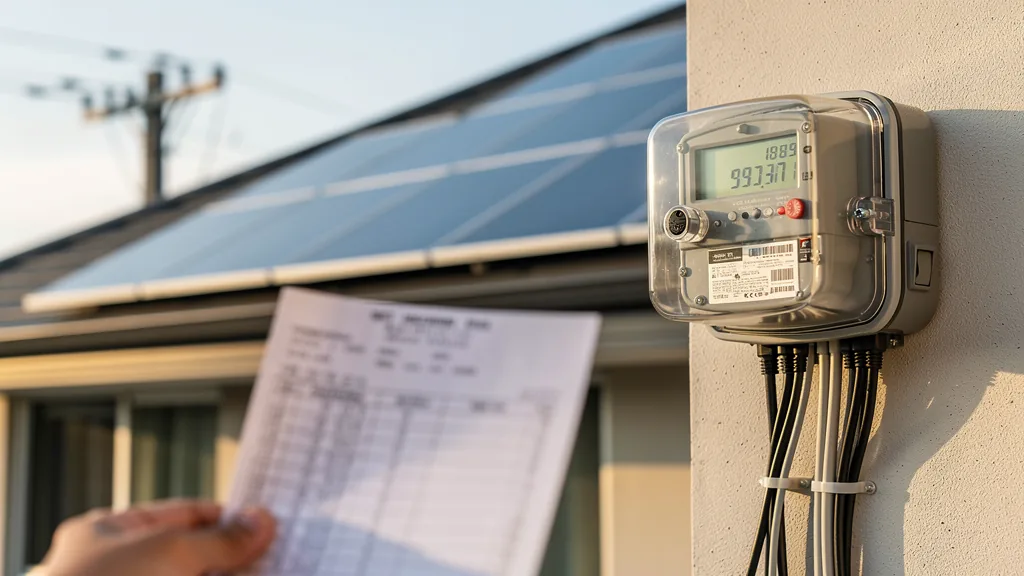
Understand how exported solar electricity can be credited, which bill items to check, and why your utility's current tariff controls the outcome.
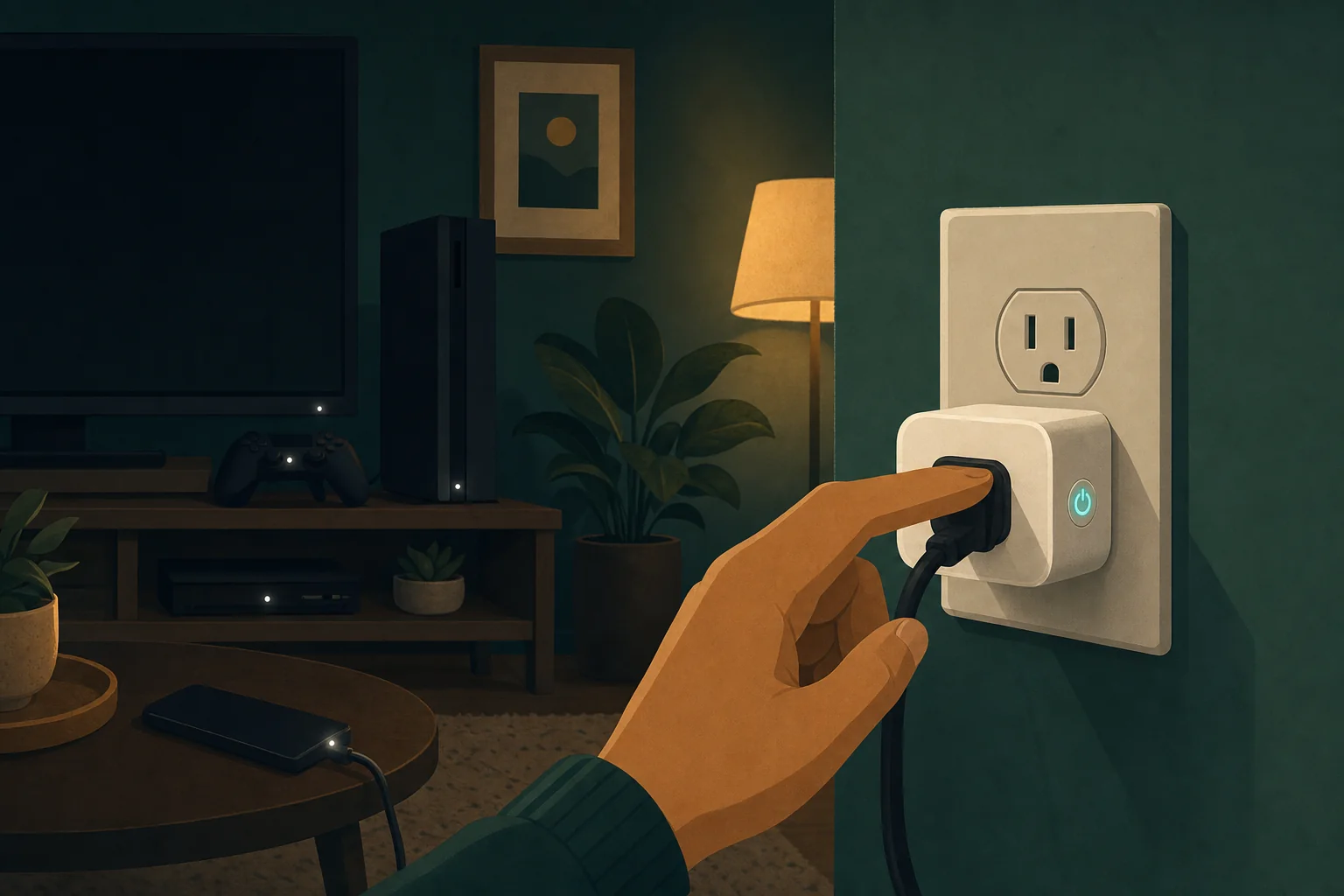
Learn what standby power is, how it is measured, and how to reduce avoidable plug-load energy use.

Identify a demand charge from the applicable tariff, distinguish billed demand from energy use, and obtain the account-specific calculation from the provider.

Compare portable and permanently installed backup-power options through a site-specific safety, load, installation, and written-quote review.
Review a utility budget-billing or level-pay offer using the provider's written terms, actual charges, settlement rules, and payment options.
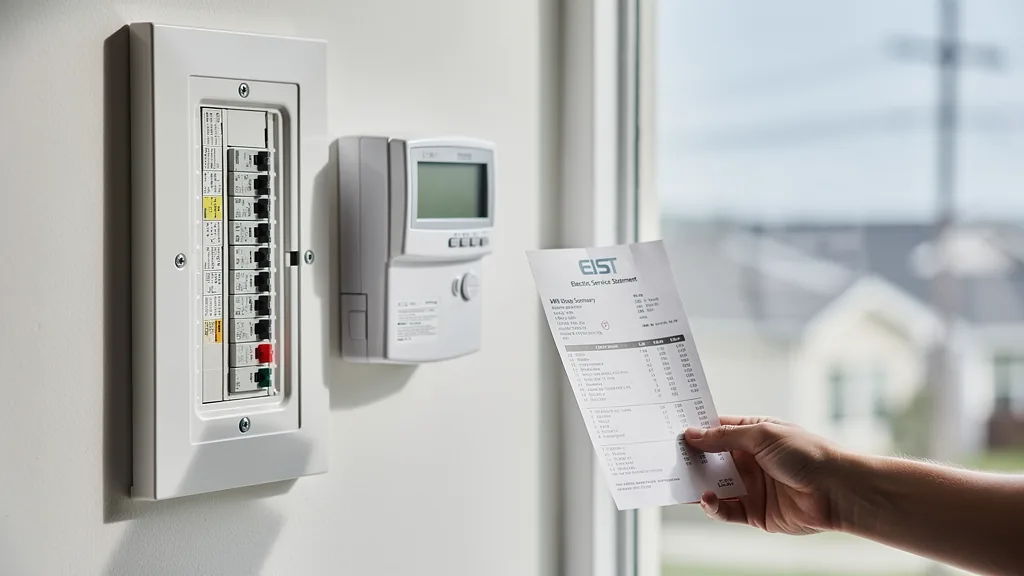
Learn how to compare kWh, billing days, and rate-plan charges on your own electric statement without relying on generic appliance-cost tables.

Compare electricity offers using the current tariff, complete contract terms, and your own usage history instead of generic fixed-versus-variable rules.

Use your billing period, kWh, meter-read status, rate plan, and itemized charges to understand what an electric statement is telling you.

Compare a time-of-use electricity plan using the utility's current schedule, tariff, and your own interval or bill history.
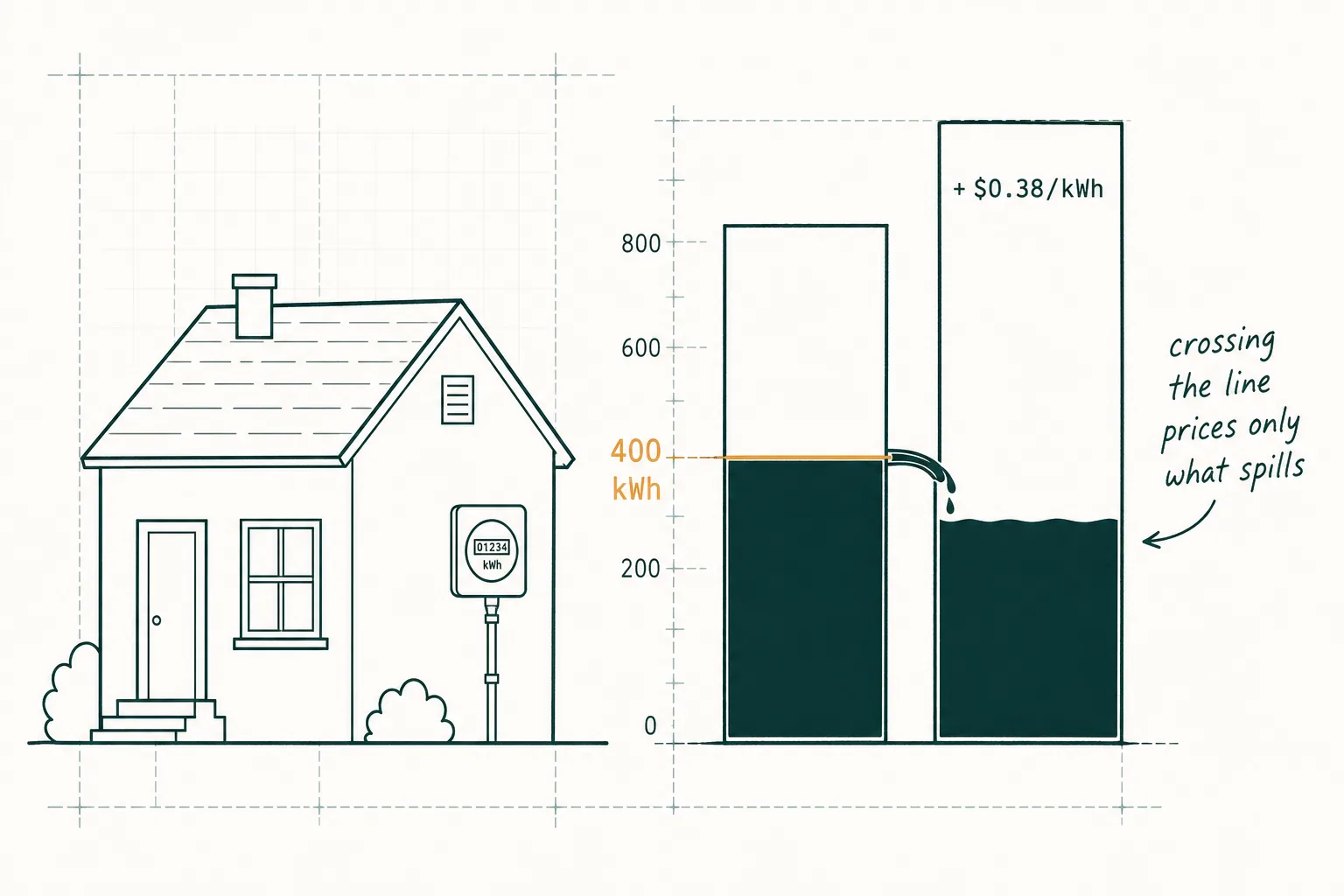
Review block or tiered electricity rates from the tariff and itemized statement, then compare billed usage, thresholds, and all other charges.
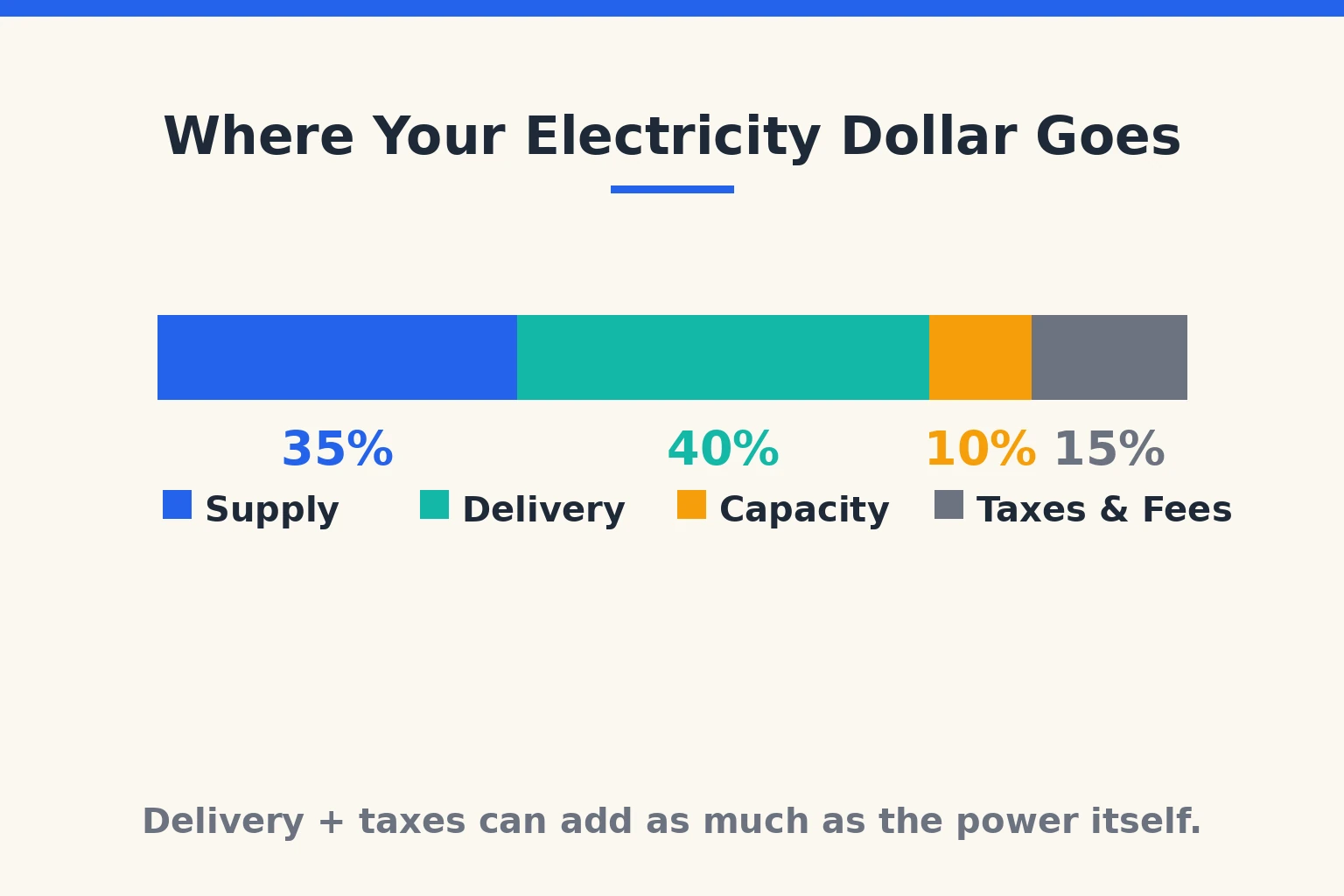
Confused by your bill? We decode the charge categories you will find on a U.S. electric bill--supply, delivery, customer charges, and taxes--and show you how to check each one against your own rate plan.

Learn what a smart meter can report, how to compare its reading with your bill, and which questions should go to your utility.

Lower your electric bill without solar using verified measures ranked by leverage: thermostat setbacks, water heating, ducts and filters, standby loads, and your rate plan.

Learn how to record an electric-meter reading, compare it with a bill, and ask your utility about meter-specific details.