Quick Answer
The cheapest, most reliable freeze protection for an outdoor spigot is a ~$7 domed foam cover — and our pick for most homes is the nabreeli 2-pack, which covers the two spigots most houses actually have for about what a single cover costs elsewhere. Water expands roughly 9 percent when it freezes,[1] and that expansion inside a closed pipe is what turns a $7 problem into a burst-pipe insurance claim. A cover traps a pocket of air against the valve and adds a layer of insulation — the thing the drip method does with running water, but for one-time cost instead of every cold night’s water bill. The honest runner-up is the MANUMARINE 2-pack at ~$13 if you want a taller dome for deep-set or oddly shaped bibs.
If you’re here because a winter bill already looks off, this is the cheapest line item on the winter-prep list. For the bigger picture on where the water goes, see Why Is My Water Bill Higher in Winter? — and for the rest of the cold-season checklist, How to Find and Seal Drafts in Your Home and Do Window Insulation Kits Pay Off? are the natural next reads. If you just want the cover and move on: grab the nabreeli 2-pack on Amazon.
First, What an Outdoor Faucet Cover Actually Is
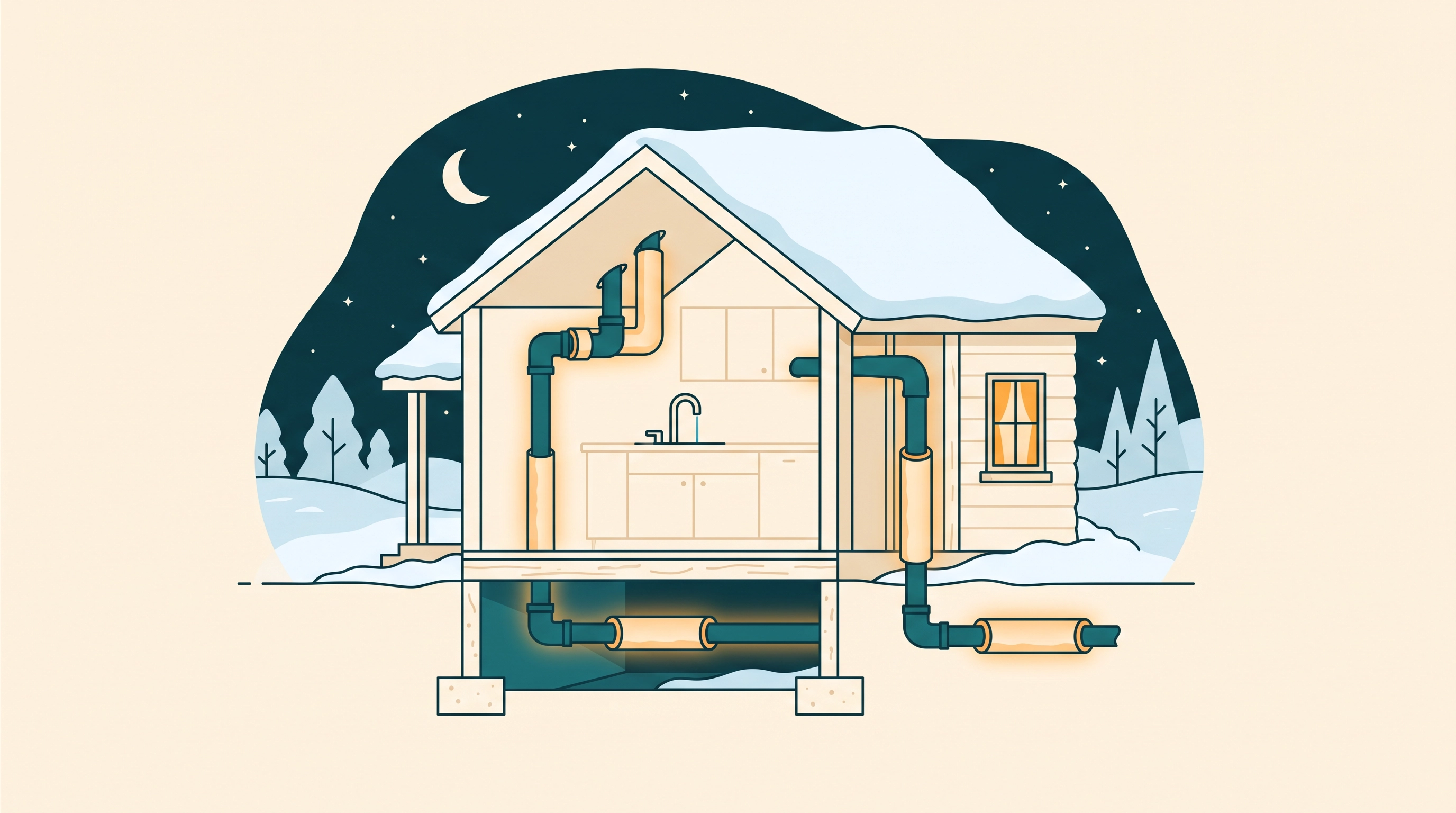
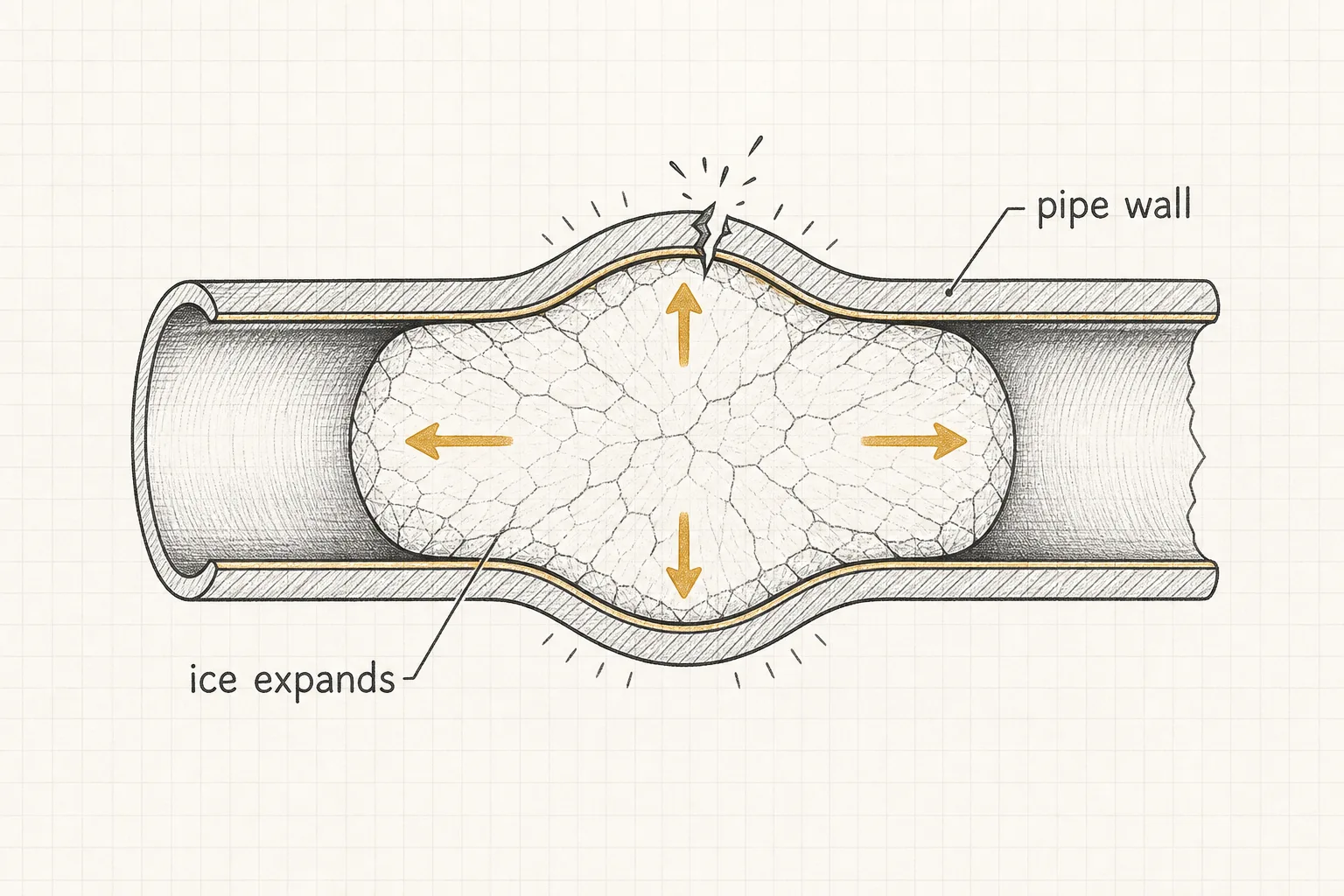
An outdoor faucet (a hose bib or sillcock) is the most exposed point of your home’s plumbing. It sits on an exterior wall, nearly always in an unheated space, and the shutoff valve — the part that actually holds water — is usually just inside that wall, inches from freezing air. When the temperature drops hard, that water freezes, expands, and pushes against the pipe with enough force to crack copper or split it along a seam.[1] The American Red Cross lists outdoor hose bibs first among the pipes that freeze most often, and it names “outdoor hose bibs, swimming pool supply lines, and water sprinkler lines” as the top exposure risks.[1]
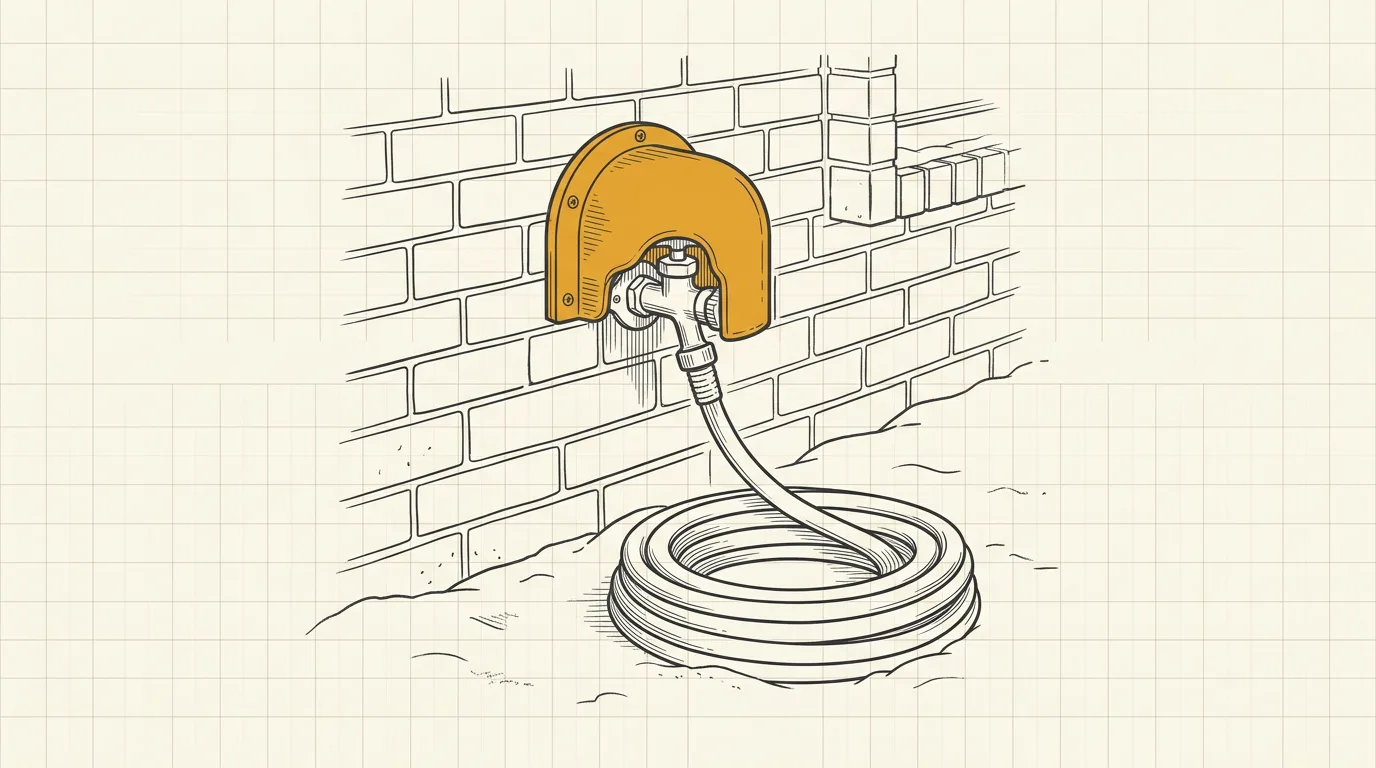
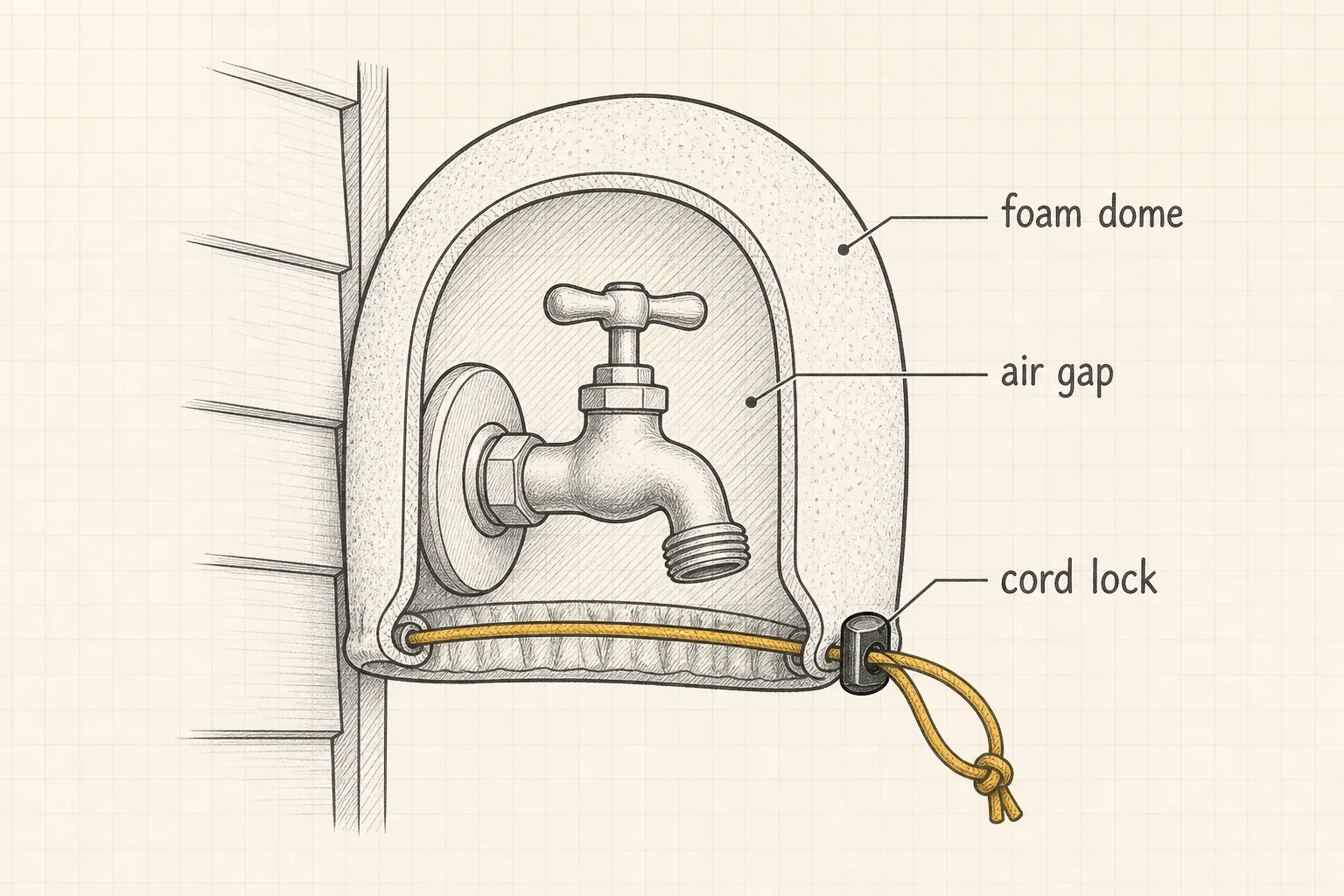
A faucet cover is a foam dome you slip over the spigot and cinch shut. That’s the whole mechanism: the dome adds insulation, and the trapped air pocket between the foam and the valve body slows heat loss enough to keep the water just above freezing through most cold snaps.
A few honest caveats before you buy anything:
- A cover is a first line of defense, not a guarantee. In a sustained deep freeze with wind, a cover alone may not be enough — the Red Cross also recommends closing the inside shutoff valve and opening the outside bib to drain it. For the stubborn cases, that drain step does more than any blanket.
- Disconnect the hose first. A hose left attached keeps water in the line and channels cold straight back to the valve. The cover can’t fix a hose you never disconnected.
- Modern frost-free sillcocks are designed with the valve back inside the warm wall — they’re less vulnerable, but a cover is still cheap insurance for the exposed portion and the pipe between valve and spigot.
The 30-Second Install (and the Two-Minute Version)
The whole point of a cover is that it’s the lowest-effort freeze protection on the market. The install is:
- Disconnect the hose and drain it. A connected hose holds water in the line and conducts cold straight to the valve — the single most common reason a covered spigot still freezes.
- Let the bib drain and dry for a minute. A wet valve under a sealed cover traps moisture against the metal, which is worse than a dry one.
- Slip the dome over the spigot, seating it so the valve body is fully inside.
- Cinch the cord snug — not tourniquet-tight, just enough that wind can’t lift the dome.
That’s the 30-second version, and it’s the one that matters for the September–November window: you do it once when the forecast turns cold, and you’re done until spring.
The two-minute version is for the homes that need more than a cover. The Red Cross’s own guidance for outdoor bibs is to close the inside shutoff valve, open the outside bib to drain it, and leave the outside valve open so any remaining water can expand without pressure.[1] That’s the gold standard for a hard-freeze climate — and a cover on top of a drained bib is strictly better than either alone. If you can reach the inside shutoff, do the two-minute version and treat the cover as the backup layer.
Two 8.5 x 5.9-inch domed foam covers with reflective strips, cinch cords, and built-in insulation. Covers a standard spigot in about 30 seconds, and the 2-pack handles the two bibs most homes have. 4.7 stars across 1,600+ reviews at the time of writing.
Check price on Amazon As an Amazon Associate we earn from qualifying purchases. Price & availability shown on Amazon.com.The Two-Pack Standard: What We Picked
The “right” number of covers is one per outdoor faucet, which is why we lead with a two-pack — most homes have at least two (front and back, or garage and patio), and buying two single covers almost always costs more than one 2-pack.
Two 8.5 x 5.9-inch domed foam covers with reflective strips, cinch cords, and built-in insulation. Covers a standard spigot in about 30 seconds, and the 2-pack handles the two bibs most homes have. 4.7 stars across 1,600+ reviews at the time of writing.
Check price on Amazon Price & availability shown on Amazon.com — we may earn a commission.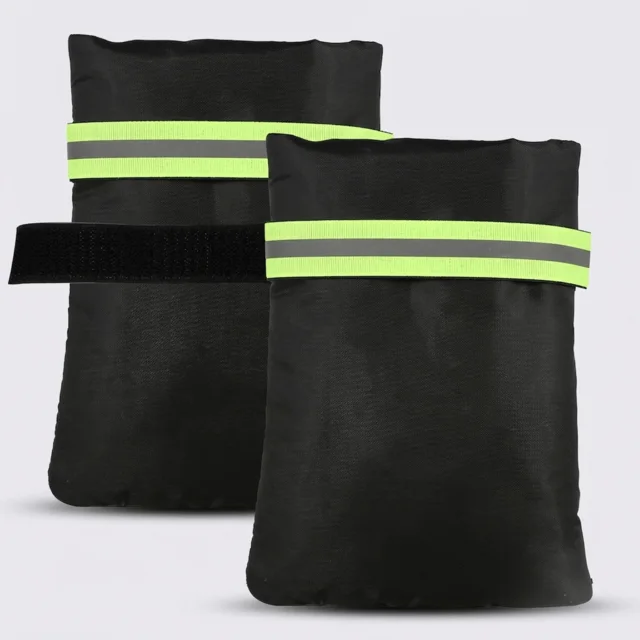
Best when: you have the usual two-spigot setup and want both covered for roughly the price of one branded single. The reflective strip is a small touch that matters at night — you can see the cover, and neighbors can see you’ve done winter prep.
The runner-up if your bibs are deeper or differently shaped:
Two taller domed covers that fit deep-set or angled outdoor faucets and valves with more clearance. Same cinch-and-insulate idea, sized for spigots a standard dome won't clear. 4.7 stars across 1,400+ reviews at the time of writing.
Check price on Amazon Price & availability shown on Amazon.com — we may earn a commission.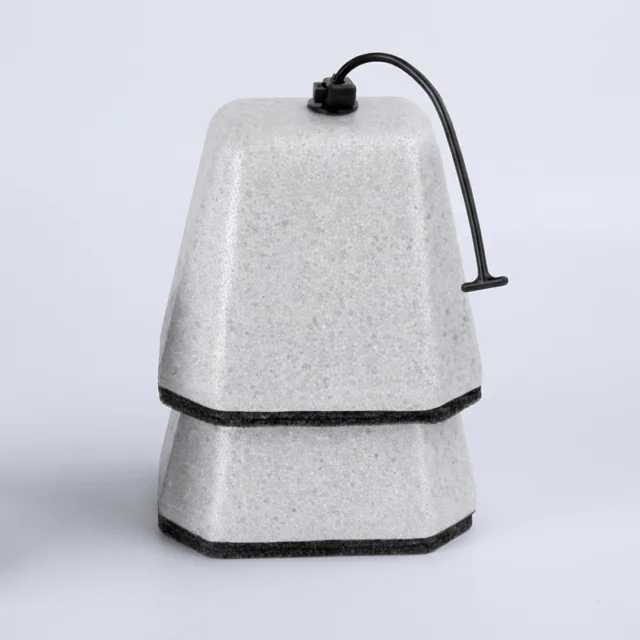
Best when: your spigot is recessed into the wall, angled, or wrapped in old tape and won’t fit a shallow dome. The extra height is the entire difference — measure the exposed valve-to-wall depth before you pick.
Head-to-Head
| nabreeli 2-pack | MANUMARINE 2-pack | |
|---|---|---|
| Band (at the time of writing) | ~$7 per 2-pack | ~$13 per 2-pack |
| Covers per pack | 2 | 2 |
| Dome shape | Standard shallow dome | Taller, deeper-set fit |
| Ratings | 4.7★, 1,600+ reviews | 4.7★, 1,400+ reviews |
| Best for | The typical front-and-back spigot pair | Deep-set or angled bibs |
| Install | ~30 seconds, cinch cord | ~30 seconds, cinch cord |
Both are the same category of product doing the same job; the price gap is mostly dome height. If a standard dome clears your spigot, save the six dollars. If it doesn’t, the taller one is worth it.
The Math: $7 Now Versus a Burst Pipe
Here’s the arithmetic that makes a $7 cover an obvious buy, with the assumptions spelled out:
Two taller domed covers that fit deep-set or angled outdoor faucets and valves with more clearance. Same cinch-and-insulate idea, sized for spigots a standard dome won't clear. 4.7 stars across 1,400+ reviews at the time of writing.
Check price on Amazon As an Amazon Associate we earn from qualifying purchases. Price & availability shown on Amazon.com.- Water expands ~9% in volume as it freezes.[1] That’s the physics: liquid water gets denser down to about 39°F, then expands as it forms ice, exerting pressure measured in hundreds of pounds per square inch inside a confined pipe.[1]
- A burst pipe repair runs from a few hundred dollars for a cleanly split section of accessible pipe up to $1,000+ when drywall, flooring, or insulation has to come out — and that’s before the water damage. Let’s call a conservative midrange $800:
- Service call + re-pipe of one damaged section: $300–$1,500 depending on access and wall damage.
- The $7 cover is one-time. Even in the worst case where you throw it away after one season:
- $7 ÷ 1 season = $7/year, versus an $800 risk that’s a tail event but a brutal one when it hits.
The comparison isn’t “cover saves you $800 a year.” It’s "$7 removes a low-probability, high-severity event that most homes face at least once." Even at a 2% annual chance, the expected cost of an $800 burst is $16/year — double the cover, every year, forever.
What about the other freeze-protection tools? For completeness, the alternatives to a cover are:
- Heat tape or heat cable (~$15–30 per run) — electric resistance wire wrapped around the pipe, plugged in all winter. It works, but it costs electricity every cold month and needs a nearby outlet; a cover is one-time and passive.
- Pipe insulation foam (~$1–2 per 6-foot length) — good for exposed runs in crawl spaces and garages, but it doesn’t seal the valve the way a dome does, and it does nothing for the spigot itself.
- The drip method — covered below; it works but costs water every night.
None of these replaces the cover’s specific job: sealing the most exposed valve on the house for a one-time $7. The cover is the cheapest line item on the entire winter-prep list, and it’s the one with the shortest install.
And the drip method? Letting a faucet trickle on freezing nights works — the Red Cross recommends it for exposed pipes[1] — but it’s not free:
- A trickle is roughly 0.5 gallons per minute, or about 720 gallons per night (0.5 GPM × 1,440 min). At a typical metered water rate of
$0.005/gallon (about $5 per 1,000 gallons), that’s **$3.60 per cold night** — and you pay it every night the temperature drops below freezing. - Ten cold nights = ~$36 in water, versus $7 once for the cover.
The drip method is a legitimate emergency tool. As a standing strategy, a $7 cover is cheaper by the second freeze, saves the water, and doesn’t depend on remembering to open a faucet before you leave for a long weekend.
Which Should You Actually Buy?
- Standard two-spigot home, mild-to-moderate winters → nabreeli 2-pack, ~$7. Covers both bibs, one-time cost, 30-second install.
- Deep-set, angled, or recessed spigot → MANUMARINE 2-pack, ~$13. The taller dome is the fit.
- Frost-free sillcocks in a cold climate → a cover is optional but still cheap insurance; pair it with the drain step.
- Winters with sustained single-digit lows → don’t rely on a cover alone — also close the inside shutoff and drain the outside bib, per Red Cross guidance.[1]
And the standing rule for every faucet on this page: the cover only works if the hose is off and the bib is dry. Disconnect and drain the hose first, then cinch the cover — a cover over a connected, water-filled hose is doing half its job. And if your winter water bill is climbing for other reasons, the cover won’t fix those — Why Is My Water Bill Higher in Winter? walks the whole list.
Sources
- American Red Cross — Preventing & Thawing Frozen Pipes — outdoor hose bibs as top freeze risk; water expands as it freezes and can break pipes; drip and drain guidance. Retrieved 2026-09-11.
- U.S. EIA — Electricity Monthly Update, End-Use Consumption — national average residential price 18.34¢/kWh, June 2026. Retrieved 2026-09-11.
- U.S. EIA — How much electricity does an American home use? — ~899 kWh/month average household use. Retrieved 2026-09-11.
- U.S. Department of Energy — DIY Home Energy Assessments — winterization checklist context for exterior exposure points. Retrieved 2026-09-11.