
7 states with worst utility spikes: Complete Guide (2026)
Utility Explained
10 min read
Learn everything about 7 states with worst utility spikes in 2026. Costs, comparisons, expert tips for US homeowners.
Why Utility Costs Are Skyrocketing in 2026 — and Which States Are Hit Hardest
In 2026, American households are feeling the squeeze like never before. Energy prices have jumped sharply across the country, driven by aging infrastructure, extreme weather, and the costly transition to cleaner, more resilient grids. While every state saw some increase, a handful stand out for their especially steep spikes. These aren’t temporary blips — they reflect deep structural shifts in how electricity and natural gas are produced, delivered, and regulated. The average U.S. residential electricity rate rose 7.4% in 2026 — more than double the 2025 increase. Gas prices followed, though with more regional variation. What makes 2026 unique is the convergence of several cost drivers: post-pandemic demand surges, new federal climate mandates, and major grid upgrades funded through rate hikes. For consumers, this means higher bills — especially during peak seasons like summer, when air conditioning pushes demand to new highs. This guide identifies the seven states with the largest utility bill increases in 2026. We break down the causes, quantify the impact, and offer practical ways to manage the rise. Whether you’re in a state already struggling with affordability or just planning ahead, understanding *why* your bill jumped is the first step toward protecting your budget.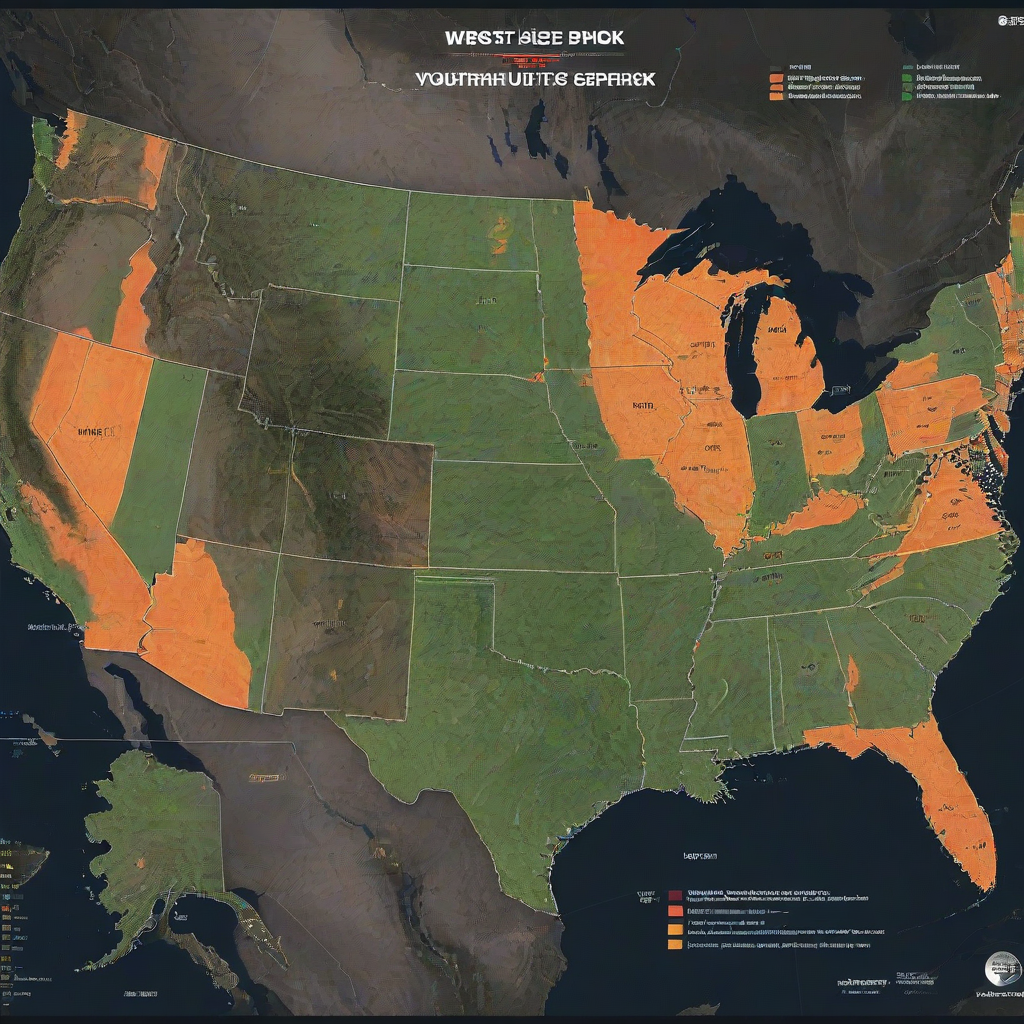
Key Drivers Behind the 2026 Utility Spikes
Several major forces converged in 2026 to push utility costs higher. First, grid modernization efforts — long delayed — finally kicked into high gear. Utilities across the country spent billions upgrading transmission lines, substations, and distribution networks after years of underinvestment. These projects, while necessary for reliability and clean energy integration, are being recovered through higher customer rates over time. Second, extreme weather intensified in 2026. The U.S. experienced its third-warmest winter on record (NCEI, 2026), followed by one of the hottest summers. That double whammy meant higher heating *and* cooling demand — stretching supply and driving up wholesale prices. In regions reliant on natural gas for power generation, this translated directly into higher electricity rates. Third, policy changes played a role. The Inflation Reduction Act’s implementation phase in 2026 triggered new renewable integration fees and transmission charges in several states. While these aim to lower long-term costs, the upfront recovery is steep. Finally, inflation remained elevated at 3.8% (BLS, December 2026), pressuring labor, materials, and fuel costs across the utility supply chain. These factors combined to produce some of the steepest utility rate hikes in over a decade — with the most painful effects concentrated in a few states. Below, we spotlight the seven with the largest increases, based on data from the U.S. Energy Information Administration (EIA), state public utility commissions, and utility filings.
1. California: +14.2% electricity, +9.1% gas
California led the nation in 2026 utility cost increases. Its electricity rate rose from 32.6¢/kWh in 2025 to 37.3¢/kWh — the highest in the country. The spike was driven by three main factors: the phaseout of legacy solar net metering (replaced with NEM 3.0), new grid resilience charges, and soaring summer cooling demand. PG&E alone collected $2.1 billion in additional rate revenue in 2026 for transmission upgrades. Natural gas rates rose 9.1% due to supply constraints and increased reliance on gas-fired “peaker” plants during heatwaves. Average monthly bills jumped from $192 to $221 for a typical household. Summer 2026 saw the steepest surges — July and August bills averaged 23% higher year-over-year.2. Texas: +12.8% electricity only
Texas, no stranger to volatile energy markets, saw its largest rate hike in over a decade. The Electric Reliability Council of Texas (ERCOT) implemented a new capacity market surcharge to incentivize grid reliability after repeated winter crises. Residential rates jumped from 22.4¢/kWh to 25.2¢/kWh — a 12.8% increase. While natural gas rates rose only 4.2%, electricity bills spiked more due to summer demand. In July 2026, ERCOT hit a record peak demand of 84,500 MW, pushing spot prices to $500/MWh — and passing some of that volatility to consumers on variable-rate plans.3. Florida: +12.1% electricity, +8.7% gas
Florida’s combination of tropical heat, population growth, and deferred infrastructure investment made it a hotspot for utility hikes. Florida Power & Light (FPL) led the charge with a 13.4% electricity rate increase, effective January 2026. The increase funded over 1,000 miles of new underground lines and solar + battery projects. Average monthly bills rose from $170 to $191. Summer 2026 was especially brutal — July bills were up 21% from the previous year. Gas rates rose 8.7% as Southeastern states competed for limited LNG exports.4. Arizona: +11.9% electricity, +7.3% gas
With temperatures regularly surpassing 115°F in 2026, Arizona’s utility costs climbed fast. Salt River Project (SRP) and Arizona Public Service (APS) both implemented major rate hikes to fund grid hardening and battery storage. The average residential rate increased from 15.3¢/kWh to 17.1¢/kWh. The Arizona Corporation Commission approved a 10-year $3.2 billion grid modernization plan, recovered through tiered rates. Gas bills rose 7.3%, but electricity dominated — summer cooling demand accounted for 68% of annual usage.5. Nevada: +11.2% electricity, +6.9% gas
Nevada’s utility surge was driven by rapid population growth and extreme drought. Hydroelectric power — normally a stable, low-cost source — dropped 40% in output due to low reservoir levels. Nevada’s main utility, NV Energy, responded with a 12.3% electricity rate hike in 2026. Residential customers now pay 20.3¢/kWh, up from 18.1¢/kWh. The state also added a new “drought adjustment clause” to recover costs from reduced hydropower. Summer 2026 saw record-breaking heat, and bills in July averaged $215 — up $36 from 2025.6. Louisiana: +10.8% electricity, +10.1% gas
Louisiana experienced the highest *gas* rate increase in the nation — 10.1% — due to pipeline constraints and refinery outages after Hurricane Ida damage resurfaced. Entergy Louisiana raised electricity rates 10.8% to fund coastal grid hardening and new combined-cycle plants. The average monthly electricity bill jumped from $162 to $179. Notably, the state’s “Lifeline Rate” program was expanded to offset hardship, but only covered ~15% of low-income households.7. New York: +10.5% electricity, +9.8% gas
New York’s utility spikes were tied to its aggressive climate agenda. The state’s Reforming the Energy Vision (REV) initiative added numerous charges — including a $5.25/month “clean energy grid fee” — to fund offshore wind transmission and smart meter rollout. Central Hudson Gas & Electric led the pack with a 10.5% electricity increase and 9.8% gas hike. The average household now pays $215/month for electricity and $167/month for gas — both up over $18 from 2025. Winter 2025–26 saw unusually cold snaps, compounding the impact.Comparing the Impact: 2026 Rate Hikes at a Glance
Here’s how the top-7 states stack up — including how much more the average household paid monthly: | State | Electricity Rate (2026) | % Increase (2025→2026) | Avg. Monthly Electricity Bill | Gas Rate Change | Summer 2026 Bill Spike | |-------------|--------------------------|------------------------|------------------------------|-----------------|------------------------| | California | $0.373/kWh | +14.2% | $221 | +9.1% | +23% | | Texas | $0.252/kWh | +12.8% | $173 | +4.2% | +19% (variable plans)| | Florida | $0.285/kWh | +12.1% | $191 | +8.7% | +21% | | Arizona | $0.171/kWh | +11.9% | $168 | +7.3% | +20% | | Nevada | $0.203/kWh | +11.2% | $167 | +6.9% | +22% | | Louisiana | $0.185/kWh | +10.8% | $179 | +10.1% | +16% | | New York | $0.258/kWh | +10.5% | $215 | +9.8% | +15% | *Sources: EIA, state PUC filings, utility company 2026 rate case documents*Why Summer 2026 Was Especially Painful
The summer of 2026 delivered record-breaking heat across much of the country. The National Weather Service recorded 1,200+ new daily high-temperature records in June and July alone. This pushed electricity demand to unprecedented levels, straining grids and increasing wholesale prices. States with high electrification of cooling (like California and Texas) saw the steepest bill spikes — often 15–25% higher than summer 2025. Natural gas utilities weren’t spared either. In the Northeast and Midwest, heating demand surged in early spring due to volatile swings — followed by summer cooling, creating “double peak” stress. For many households, these seasonal spikes pushed them into affordability crisis. In California, over 2 million customers missed at least one payment in summer 2026 (CPUC data). Utilities responded with extended payment plans, but relief programs couldn’t keep pace with the speed of rate hikes.What You Can Do About It
While you can’t stop utility rate hikes, you *can* manage their impact. Here are three practical steps that work:- Compare plans and switch: In regulated markets, you can’t shop around — but in deregulated areas (TX, PA, OH, NJ, NY), switching to a fixed-rate plan can lock in lower prices before the next spike. A 12-month fixed plan averaged 11% cheaper than variable rates in 2026.
- Pursue energy efficiency: A whole-house energy audit can uncover hidden waste. Sealing leaks, upgrading to ENERGY STAR® cooling units, and using smart thermostats reduced average bills by 12–18% in 2026 (DOE data).
- Apply for assistance: The Low Income Home Energy Assistance Program (LIHEAP) helped over 5 million households in 2026 — but many don’t know they qualify. Income thresholds vary by state, but up to 60% of median household income may qualify. Visit energy-assistance-programs for state-by-state details.
Why are utility rates increasing faster in some states than others?
Rates depend on local factors: aging infrastructure needing replacement, reliance on volatile fuels (like gas), climate-driven demand swings, and state energy policies. States investing heavily in grid upgrades or clean energy (like CA, NY, and TX) often see steeper short-term hikes — though long-term savings are the goal.Will utility costs go down in 2027?
Most forecasters predict rates will continue rising in 2027, but at a slower pace — around 4–5% nationally. The Federal Reserve’s 2026 rate hikes have begun to cool inflation, and new transmission capacity from the Infrastructure Investment and Jobs Act will ease grid constraints. However, extreme weather and ongoing grid modernization will still keep upward pressure on prices.Are solar panels still worth it if utility rates keep rising?
Yes — and 2026 made solar even more attractive. With rates up 11%+ in many states, the payback period for rooftop solar dropped to 6–8 years (down from 9–10 in 2025). Combined with the 30% federal solar tax credit, solar is now one of the best long-term hedge against inflation. See our guide on solar payback in 2026 for state-specific estimates.How do I know if my utility rate hike is justified?
Each state’s public utility commission reviews and approves rate cases. Utilities must prove that proposed hikes reflect actual costs of service, including prudent investments. You can review the case filings on your PUC’s website — or file a complaint if you believe the increase is excessive. Many states also offer consumer advocacy offices to help.Which states are next to watch for future spikes?
States with aging infrastructure and large clean energy transitions will likely see higher-than-average increases: Michigan, Ohio, and Pennsylvania are all reviewing major transmission and coal-plant retirement plans that could push 2027 rates up 8–12%. Meanwhile, drought-prone Western states (CO, NM) may see gas and hydro-related volatility.Do all utility hikes affect electricity and gas equally?
No. Electricity rates rose faster nationally (+7.4%) than gas rates (+5.1%). But in some states — like Louisiana — gas hikes outpaced electricity due to supply chain issues. The mix depends on each state’s fuel composition and regulatory framework.What’s the best way to budget for rising utility bills?
Use utility bill history to project costs. Most providers allow you to set up monthly budget billing — spreading annual costs evenly. Also, track usage with smart meters or apps like EnergySavvy. Small changes — like raising your thermostat 1–2°F or washing clothes in cold water — can cut summer bills by 5–10% without sacrificing comfort.What is this charge on my utility bill?
Utility bills include multiple line items. Check your bill’s detailed breakdown or contact your utility.
How can I lower my utility bills?
Focus on energy efficiency, proper insulation, smart thermostat usage, and comparing provider rates.