Quick Answer
A charge to start, transfer, reconnect, or install utility service is defined by the serving provider and the property’s service conditions. Do not rely on a national price range, assume the charge is refundable, or treat a deposit and a service-start charge as the same item without reading the provider’s terms. If service was interrupted for non-payment rather than newly opened, the charge you are facing is a reconnection fee; if you were asked for a refundable deposit, see how utility deposits work; for the recurring fixed charge that appears after service starts, see the water service charge explained.
Which fee situation are you in? New service at a new address — keep reading for the service-start and deposit items. Reconnecting after a non-payment shutoff — start with the reconnection fee guide. Deposit only — see how utility deposits work.

Before opening an account, ask for the written schedule of charges and confirm which items apply to the address.
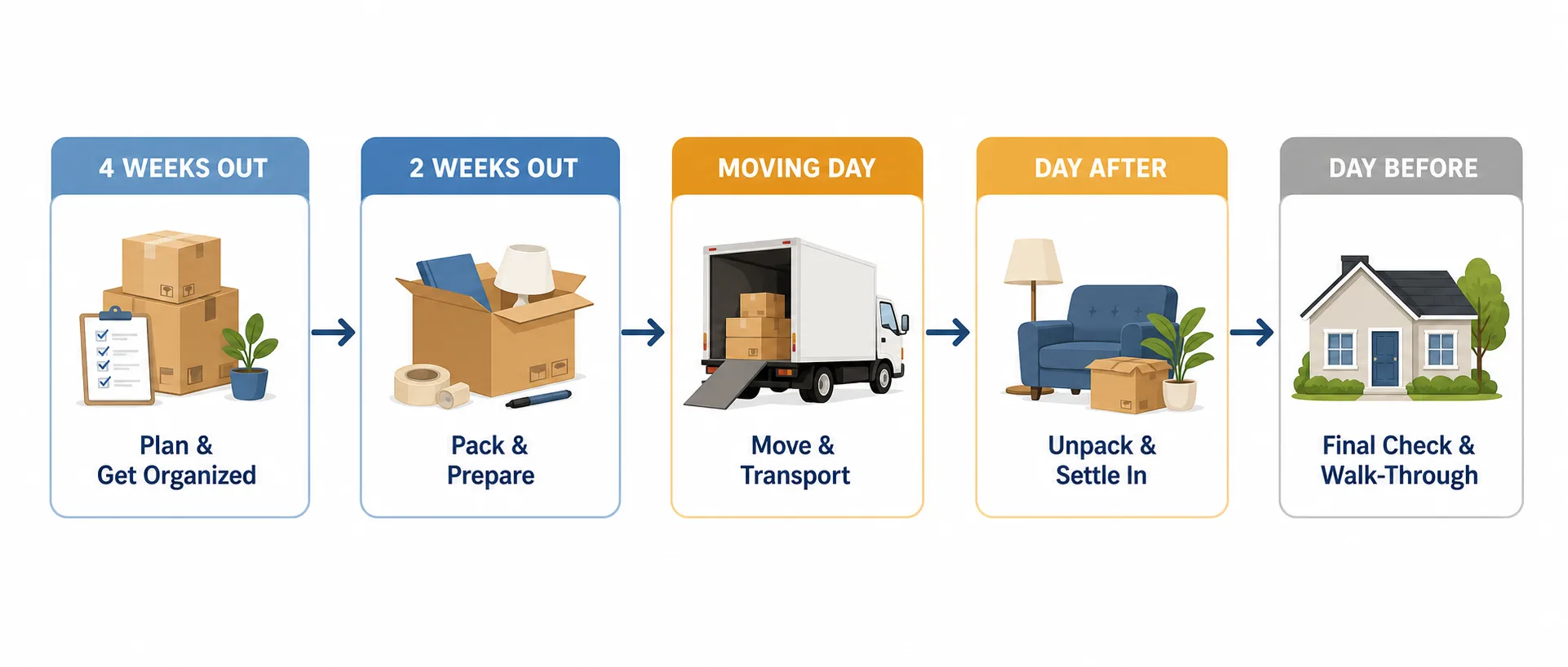
The three branches in the figure above are different charge types, not one fee at three prices. A same-provider move is usually a stop-and-start or transfer on an existing account — whether it triggers a fresh charge depends on the provider’s terms.[5] New service opens a brand-new account, where an establishment fee and a refundable deposit can both land on the first statement. Reconnection after a non-payment shutoff is a separate fee — see the reconnection fee guide before paying anything.
Get the Details in Writing
Ask the provider to identify each potential item:
| Item | What to verify |
|---|---|
| Account or service-start charge | Amount, purpose, due date, and refund policy |
| Deposit | Amount, conditions, and how any return or credit is handled |
| Site visit or reconnection | Whether a visit is needed and what access or scheduling rules apply |
| New construction or infrastructure | Whether the property owner, builder, or account holder is responsible |
| Cancellation or move-out | What charges, credits, or balances apply when service ends |

The provider’s terms, property condition, service territory, and request timing control the answer. A landlord or seller can identify the serving providers, but the provider should confirm account charges directly.
What the Fee Pays For
Providers that explain the charge describe administrative and field work, not the energy itself. TCEC states its $20 connection fee “covers the processing of your application and activation of new service."[5] Middle Tennessee Electric charges a different connect fee for a structure “that previously had an MTE meter” than for new construction.[6] SRP prices its establishment fee by scheduling speed — $30 next day, $45 same day — and lists a separate $35 field visit charge.[4]
Guardrail: none of these descriptions transfers to your provider — what the charge covers is defined only by its written schedule.
Published Fee Examples
Three providers’ own fee pages, quoted exactly as posted:
| Provider | Published start-of-service charge | Source |
|---|---|---|
| Georgia Power | $30 New Account Establishment Fee (account activation) | [2] |
| Alabama Power | $40.00 Account Establishment Charge on the first month’s bill | [3] |
| Salt River Project (AZ) | $30 service establishment fee (next day); $45 same day | [4] |
These are point examples from named providers, not a national range — each utility sets its own schedule, so get yours in writing instead of benchmarking.
New Connection vs. Reconnection vs. Transfer
The three charge situations are different items with different triggers and different ways to reduce what you pay. Dollar ranges are not published here because each utility sets its own schedule by tariff [4][5] — treat the typical-range column as qualitative unless your provider’s written terms state an amount.
| Fee type | Typical range | When charged | How to reduce |
|---|---|---|---|
| New connection (service start) | Varies by utility — set by tariff; point examples on this page are not a national range | Before or on the first statement when a new account opens | Get the written schedule of charges before opening the account; compare providers where your area allows a choice |
| Reconnection (after non-payment shutoff) | Varies by utility — see the reconnection fee guide for published ranges | After the past-due balance (and any required deposit) is settled, before service is restored | Avoid disconnection: a payment arrangement, LIHEAP, or medical/life-support protection before the shutoff date |
| Transfer (same-provider move) | Depends on provider terms — may be a stop-and-start or a fresh charge | At the move or service-change date | Ask whether a transfer is available instead of a full stop-and-start; confirm the charge in writing |
Before Move-In
Read the lease or purchase documents for utility responsibilities and start service early enough to understand the provider’s scheduling requirements; the moving utilities checklist: what to do before moving day walks through every step. Keep the service-start confirmation, rate schedule, and first statement.
If the household cannot afford a required payment, contact the utility before the due date about current payment arrangements and assistance. Utility assistance programs: LIHEAP and other help explain the income-tied options and how to apply. CFPB directs renters seeking help paying bills to local and state resources, including LIHEAP-related assistance information.[1]
Questions for the Provider
- Is this a transfer, service start, reconnection, deposit, or installation charge?
- Which written policy or tariff defines it?
- Is a technician visit required, and what access is needed?
- Is the charge refundable, creditable, or final under this provider’s rules?
- What happens if service is canceled or delayed?
If the Charge Differs from the Schedule
The written schedule is the standard: get it in writing before the appointment, then check every start-of-service line on the first statement against it. If a charge is higher than the schedule or absent from it, dispute it in writing and ask which tariff or policy defines the line item. SRP routes bills a customer believes are in error to its Consumer Affairs Ombudsman Office if unresolved.[4] Every state also has a regulator — in Texas, the PUC directs unresolved billing complaints to its Consumer Protection Division[7] — and filing with your state public utility commission is free.
Related Reading
- Utility reconnection fee: what it costs after a shutoff
- How utility deposits work: when you need one and how to get it back
- Water service charge: what that fixed monthly line is for
- How to budget for utilities in your first apartment
- Moving utilities checklist: start, transfer, and stop service
- What to do if you can’t pay the connection fee on time
FAQ
Is a connection fee the same as a deposit?
Is a connection fee refundable?
What does a utility connection fee cover?
Do I pay a connection fee when I transfer service?
Can I get help paying a connection fee?
Next steps
- Opening an account? Ask for the written schedule of charges and confirm which items apply to the address.
- Reconnecting after a shutoff? Start with the reconnection fee guide.
- Moving soon? Use the moving utilities checklist to keep service, deposits, and dates straight.
- Can’t pay on time? Contact the utility before the due date, and see what to do if you can’t pay before the balance escalates.
Sources
- Consumer Financial Protection Bureau: Get help paying rent and bills
- Georgia Power: Residential Service rate plans (retrieved 2026-08-29)
- Alabama Power: Residential FAQs (retrieved 2026-08-29)
- Salt River Project: Residential credit policy (retrieved 2026-08-29)
- TCEC Texas: Fees & Charges (retrieved 2026-08-29)
- Middle Tennessee Electric: Understanding fees on your electric bill (retrieved 2026-08-29)
- Public Utility Commission of Texas: Understanding your electric bill (retrieved 2026-08-29)