Quick Answer
Apartments are the cheapest housing type to run: EIA’s 2020 household survey found that a single-family detached home consumes nearly three times more energy than an apartment in a 5+ unit building, and heating and cooling — the biggest energy use in houses — is a much smaller share in apartments.[2] So statewide all-home averages overstate what a typical apartment pays.
Budget by service, not by one total: electricity is usually the only utility most renters must open in their own name; water/sewer/trash are often (not always) bundled into rent; internet is a separate contract. The lease, the account-holder rules, and the unit’s own bill history tell you your actual numbers — national tables can’t.
What Electricity Costs, State by State — the Apartment Read
EIA Table 5a data (latest 12-month period) shows statewide all-home averages — EIA does not publish apartment-specific state averages, and apartments typically run below these figures. Three reference points from the ten most populous states (monthly bill = rate × average usage):
| State | Avg. Residential Price (¢/kWh) | Avg. Monthly Usage (kWh) | Avg. Monthly Bill |
|---|---|---|---|
| California | 30.24¢ | 542 | $164 |
| Texas | 14.27¢ | 1,172 | $167 |
| Illinois | 15.74¢ | 718 | $113 |
The spread is the story: high-rate/low-usage states and low-rate/high-usage states can land on nearly the same bill. The full 50-state table lives in one place — Average Utility Bills by State — and it is kept current there; for what drives the kWh number, see Understanding kWh Usage. Your actual apartment cost depends on local rates, unit size, heating/cooling system, and usage habits.
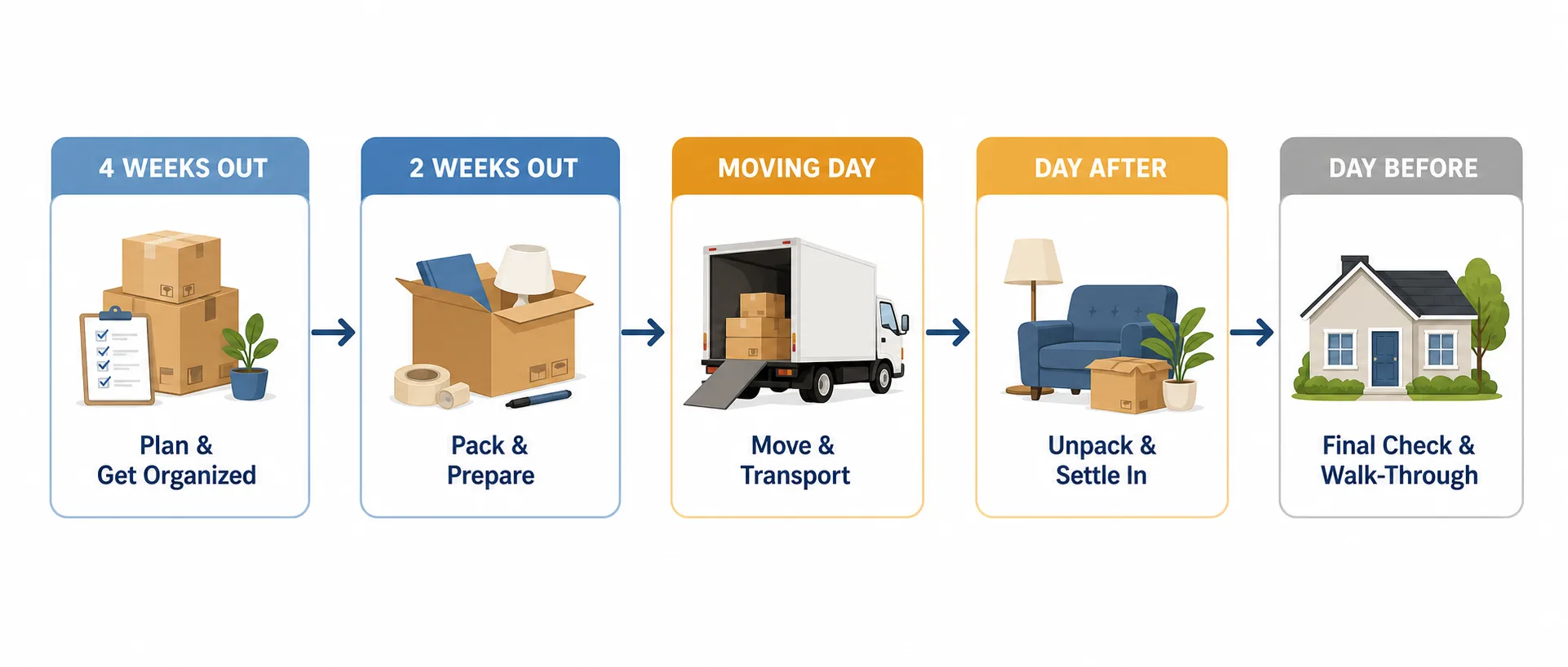
First-Apartment Utility Checklist
Before move-in, confirm each of these with the landlord and utility providers:
- Electricity: Which utility serves the apartment? Call to set up the account in your name. Ask about required deposits, credit checks, and roommate-account rules.
- Gas: Separate from electricity? Some apartments are all-electric. Confirm whether gas is included in rent or separately billed.
- Water, sewer, trash: Often included in rent — confirm in the lease. If not, ask how they are billed (flat fee, sub-metered, RUBS).
- Internet: Required by the lease or optional? Some buildings have bulk agreements.
- Deposits: What deposit does each utility require? Some waive deposits with a credit check or a letter from a prior utility.
- First-bill timing: Ask when the first bill arrives. A short initial billing period (e.g., 20 days instead of 30) can make the first total look deceptively low.
- Budget billing: Does the utility offer levelized billing to smooth seasonal spikes? (How budget billing works)
- Leak check: Read the water meter on move-in day. Take a photo. Report any irregularities to the landlord immediately. (How to read a water meter)
Keep your lease, utility account numbers, and first bills in one folder. If a charge is unclear, ask the utility for the tariff page.
Confirm What the Lease Covers
Read the lease and ask the property manager to identify each recurring responsibility:
| Item | Questions to get in writing |
|---|---|
| Electricity and gas | Which provider serves the unit, and whose name must be on the account? |
| Water, sewer, and trash | Included in rent, separately metered, allocated, or billed by a third party? |
| Internet | Is a provider required, included, or chosen by the tenant? |
| Shared building services | How are common-area or shared-meter costs handled? |
| Deposits and setup | What provider policies, deadlines, or documents apply? |
Keep the lease, move-in statement, provider confirmations, and first bills together. A verbal description is not a substitute for the written terms.
Make a Unit-Specific Estimate
If available, ask for the prior occupant’s utility history or the property’s unit-specific usage information. Then compare it with the current utility tariff and any known changes to occupancy, heating and cooling equipment, work-from-home use, or charging equipment.
Use a range based on actual months rather than one quoted number. Record the billing days and the services included in each bill, because a short or long initial period can make a total look misleading.
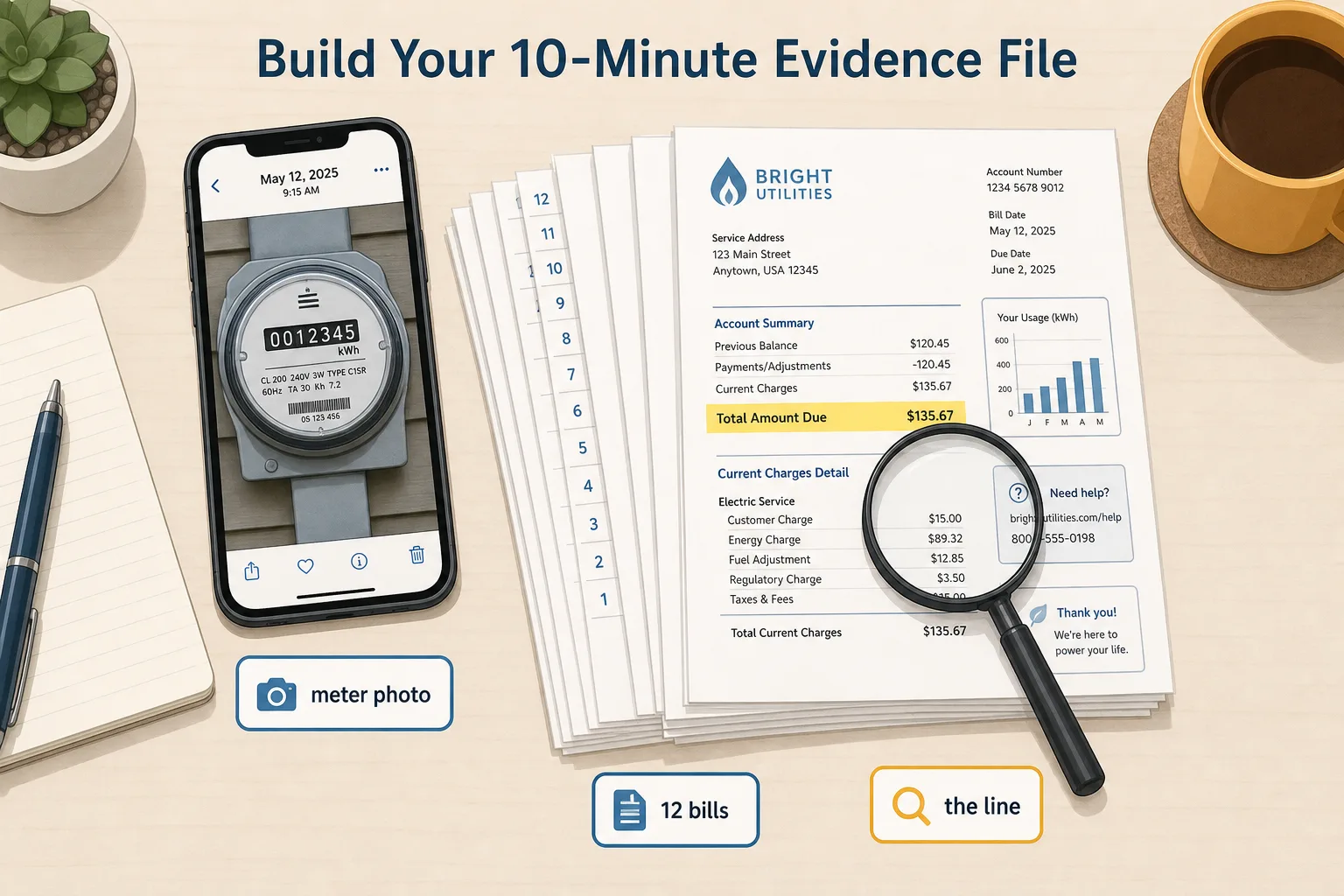
Review the First Bills
For the first several bills, record:
- Service period and number of billed days.
- Usage unit and total consumption.
- Fixed charges, usage charges, taxes, credits, and one-time items.
- Whether the reading was estimated or actual.
- Any provider notice about rate, plan, or service changes.
Compare similar months before assuming a usage pattern. If a charge is unclear, ask the provider for the relevant tariff or billing-policy explanation.
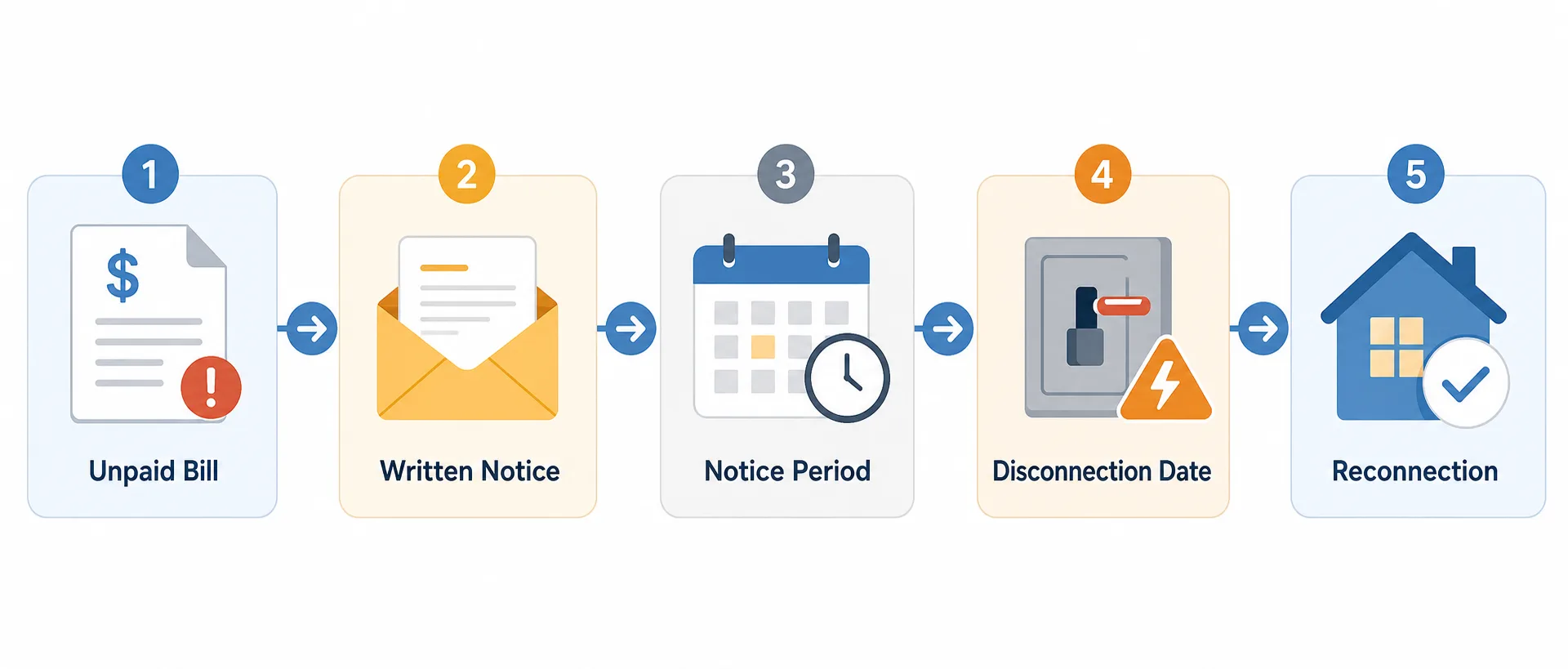
If Paying a Bill Becomes Difficult
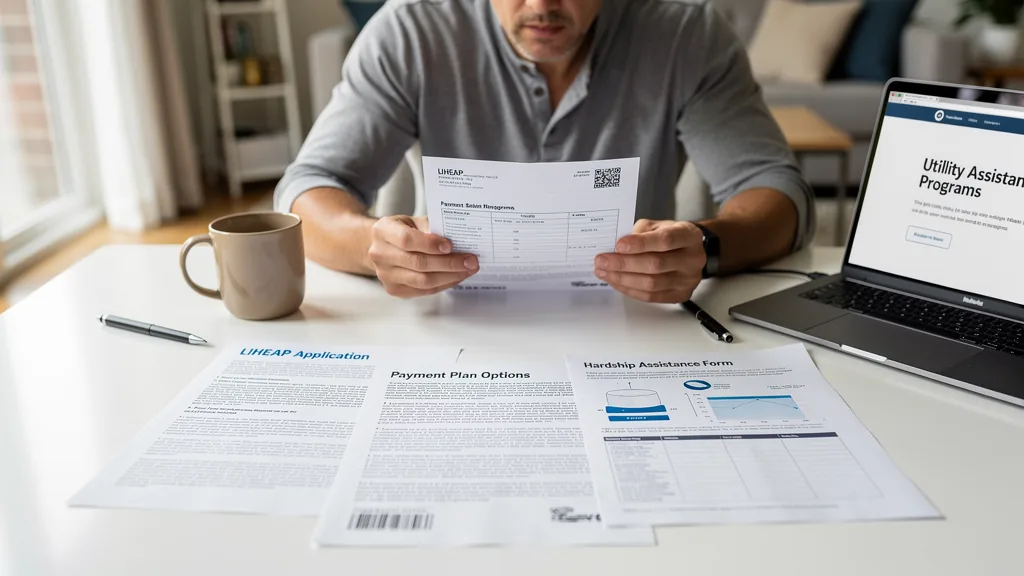
Contact the utility before the due date and ask about payment arrangements and local assistance. The Consumer Financial Protection Bureau directs renters seeking help with bills to local and state resources, including LIHEAP-related assistance information.[1]
Sources
- Consumer Financial Protection Bureau: Get help paying rent and bills — renter assistance and utility-bill resource guidance.
- EIA Energy Explained: Use of Energy in Homes — single-family detached homes consume nearly 3× the energy of apartments in 5+ unit buildings (RECS 2020); heating/cooling a much smaller share in apartments (retrieved 2026-08-29).